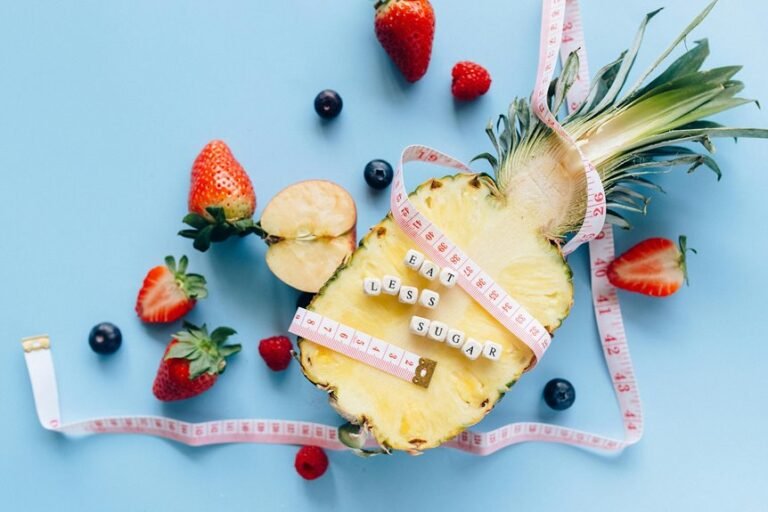

When you want something sweet, you don’t have to choose between joy and balance. You can enjoy berries, Greek yogurt, dark chocolate with nuts, or apple slices with almond butter and still keep your energy steady. The trick is simple: watch portions, pair sweets with protein or fiber, and time treats after meals whenever cravings feel calmer. But the best sweet choice isn’t always the same, and that’s where things get interesting.
What Counts as Sweet Foods?
Sweet foods are any foods that taste sweet because they contain natural or added sugars, and that includes a lot more than candy and cake. You’ll find them in fruit, yogurt, baked goods, drinks, and cultural desserts that families share at celebrations.
Your flavor perception shapes what feels sweet, so one person might love ripe mango while another reaches for chocolate. Some foods taste gently sweet because fruit or dairy brings its own sugar, while others get sweetness from honey, maple syrup, or plain sugar.
Whenever you read labels, you can spot sweet foods in simple snacks and in treats that seem savory at the outset. That way, you can choose what fits your taste, your table, and your place in the moment.
How Sugar Balance Works in Your Body?
Whenever you eat something sweet, your blood sugar rises, and your body works to keep it in a healthy range.
Your pancreas then releases insulin, which helps move sugar from your blood into your cells for energy or storage.
Provided you understand this balance, you can enjoy sweet foods more wisely without feeling like your body’s on a sugar roller coaster.
Blood Sugar Regulation
Even a small sweet treat can affect your blood sugar, because your body treats sugar as a quick source of energy. You can feel more in control whenever you notice glycemic timing and the hormonal signals that help guide balance. After you eat, sugar enters your blood, then your body works to steady it.
| Moment | What you might notice |
|---|---|
| Initial bite | Sweet taste feels comforting |
| Soon after | Energy can rise quickly |
| Later | Hunger could return sooner |
| With fiber or fat | Levels often stay steadier |
As soon as you choose treats with fruit, yogurt, nuts, or dark chocolate, you give yourself a kinder path. That mix slows the rush and helps you stay part of the moment, not fighting it. Small swaps can make dessert feel welcoming and easier on you.
Insulin Response
Your body does more than simply taste sugar. It senses the rise in glucose after you eat, then your pancreas releases insulin to help keep things steady. You can regard insulin as a calm messenger that helps your cells respond without drama.
With postprandial monitoring, you notice how different sweets change your energy and hunger. Then hepatic signaling joins in, because your liver listens to insulin and helps fine-tune blood sugar between meals.
Whenever you choose treats with fiber, protein, or healthy fats, you often give insulin a gentler job. That means you can enjoy dessert and still feel like you belong at the table, not at war with it.
Small choices support balance, and your body usually thanks you with steadier comfort.
Energy Storage Process
As sugar enters your body, it doesn’t just disappear after you enjoy a sweet bite. Your blood carries it to cells for energy, and your body stores the extra for later.
Initially, insulin helps move glucose into muscle and liver cells, where glycogen synthesis turns it into glycogen. That stored fuel can help you during a workout or a busy afternoon.
Once your glycogen tanks are full, your body shifts more sugar toward adipose storage, which is simply fat storage for future use. This process isn’t a mistake. It’s your body protecting you, like a friend saving snacks for later.
What Portion Sizes Keep Treats Enjoyable?
Small portions can keep treats fun and satisfying, because you still get the flavor without going overboard.
A good serving size lets you enjoy a few bites of dark chocolate, fruit, or yogurt-based dessert, and it often feels more special that way.
Should you pair your sweet treat with a meal that has protein or healthy fat, you can stay satisfied longer and keep your blood sugar steadier.
Small Portions, Big Enjoyment
Often, the best way to enjoy a sweet treat without upsetting your sugar balance is to keep the portion small enough to satisfy, but not so large that it turns into a blood sugar roller coaster. You don’t need a giant slice to feel included at the table. A few mindful bites can turn dessert into one of your flavor rituals.
| Treat | Small portion | Why it works |
|---|---|---|
| Dark chocolate | 1 to 2 squares | Rich taste, less sugar |
| Berries with yogurt | 1 small bowl | Sweet, creamy, filling |
| Frozen fruit bites | 3 to 4 pieces | Cool and naturally sweet |
When you slow down, you notice the taste more, and that helps your craving feel seen. Your sweet moment stays warm, calm, and satisfying.
Serving Sizes That Work
Once you know that a few bites can feel satisfying, the next question is how much to serve so the treat still feels fun and doesn’t tip your sugar balance.
You can start with one small scoop, one square, or a half cup, then pause before reaching for more. That pause builds portion awareness and helps you notice when the sweet taste has done its job.
Should you want extra comfort, put the rest away first so you can enjoy mindful tasting without staring down a giant bowl. You’ll feel more in control, and the treat will keep its charm.
Try using a small plate or cup, too, because a neat serving often feels more complete.
Whenever you match the portion to the moment, you fit in with your cravings, not against them.
Balance Treats With Meals
Pairing a sweet treat with a meal can make the portion feel more satisfying, and that can help you enjoy it without going overboard.
You get the best balance when you choose meal timed treats after a lunch or dinner with protein, fiber, and healthy fat. That mix slows sugar release and keeps cravings calmer.
For a post meal pairing, try a few berries, a square of dark chocolate, or a small yogurt cup. Should you crave something richer, keep it palm sized, not plate sized.
You can also add cinnamon, nut butter, or chia for more staying power. In this manner, your treat feels like part of the meal, and you still get that happy, shared dessert vibe.
Which Sweet Foods Add More Nutrients?
Sweet foods can add more nutrients whenever they come from whole ingredients instead of refined sugar, and that shift can make dessert feel a lot more worthwhile.
You get more from each bite whenever you choose fruit, dairy, nuts, or seeds. These treats fit right in with your crowd, because they taste good and still bring something useful.
- Berries with Greek yogurt give you protein, fiber, and color.
- Banana-based bites and fortified fruitcups bring natural sweetness plus vitamins.
- Dark chocolate with nut butter or vitamin rich confections can add antioxidants and healthy fats.
You can also try chia pudding, chickpea dip, or dragonfruit-strawberry bowls.
Each one gives you flavor and nutrients, so you don’t feel like you’re giving something up. That balance makes your sweet choices feel smarter and more welcoming.
How Can You Savor Sweets Without Overdoing It?
In the moment you want something sweet, you don’t have to go from “a little treat” to “why did I eat half the pan?” in one sitting. You can slow down, take a breath, and give your taste buds a fair chance. Try mindful chewing so each bite feels fuller and more satisfying. Then use flavor journaling to notice which sweets truly make you happy and which ones just vanish fast.
| Small Habit | How It Feels | Why It Helps |
|---|---|---|
| Pause initially | Calm | You feel in control |
| Taste slowly | Rich | You enjoy less, more |
| Record cravings | Clear | You spot patterns |
When you share a treat with yourself this way, you don’t miss out. You fit in. And that makes dessert feel like a friendly moment, not a runaway event.
What Smart Swaps Help With Sugar Cravings?
Whenever sugar cravings hit, you can reach for fruit and nut pairings that feel sweet but bring fiber, healthy fats, and staying power.
You can also make yogurt and berries your easy go-to, since they’re creamy, fresh, and much gentler on your blood sugar than many desserts.
Should you still want chocolate, a small piece of dark chocolate can satisfy you fast without the sugar load of milk chocolate.
Fruit and Nut Pairings
Pairing fruit with nuts can make sugar cravings feel much easier to handle because you get sweetness, fiber, protein, and healthy fats in one bite. You also feel like you’re not fighting dessert alone.
- Try apple slices with almond butter for a crisp, steady snack.
- Reach for berries with walnuts whenever you want a bright, tart treat.
- Choose banana with peanut butter for a richer bite that still feels balanced.
These tropical pairings work well whenever you want something fun and simple, while seasonal harmony helps you match fresh fruit to the time of year. You can build a small plate, share it, and feel part of a routine that supports you.
That little mix of crunch and sweetness keeps cravings calmer without making you feel left out.
Yogurt and Berries
You can build a bowl with plain Greek yogurt and a handful of berries, and it’ll taste sweet without a sugar rush. The protein helps you feel settled, while the berries add fiber and bright flavor.
Should you like something prettier, make berry parfaits with layers of yogurt, fruit, and a little crunch. That mix feels special, so you won’t feel left out whenever others reach for dessert.
You also get probiotic benefits from yogurt, which can support your gut. Keep portions simple, and you’ll have a treat that fits your cravings and your goals.
Dark Chocolate Portions
Dark chocolate can be a smart little swap once sugar cravings hit, because a small portion gives you deep flavor without the heavy sugar load of milk chocolate. You’re not missing out whenever you choose it with care.
- Use portion control: break off one or two squares, then enjoy them slowly.
- Try flavor pairing: match dark chocolate with nuts, berries, or Greek yogurt so you feel fuller and more satisfied.
- Watch temperature effects: let it melt a bit on your tongue, since cooler chocolate can taste less sweet and more rich.
Whenever you keep your snack small, you join the sweet treat crowd without the sugar crash. Dark chocolate fits best whenever you want comfort, balance, and a little joy.
When Is the Best Time to Enjoy Sweet Foods?
The best time to enjoy sweet foods is while your body can use them well, not while they’ll leave you crashing later. You’ll usually feel best having dessert post meal, because protein, fiber, and healthy fat slow sugar release. That helps you stay steady and satisfied, so you can enjoy the treat without the jitters.
Should you want another good window, try the early afternoon, once you’ve already eaten and can stay active afterward. Then a small sweet bite fits your day instead of hijacking it.
Choose moments whenever you’re not overly hungry, since that’s when cravings can get loud. You deserve treats that feel good, so pair timing with balance and let sweetness work with you, not against you.
How Do You Handle Desserts at Parties?
Parties can be tricky whenever dessert tables start calling your name, but you can still enjoy them without feeling out of control.
- Scan the table initially, then choose one treat you truly want. That simple pause helps your portion control and keeps the moment calm.
- Follow party etiquette while waiting your turn and taking a modest serving. You’ll fit in smoothly, and you won’t feel rushed.
- Eat slowly and talk with people between bites. As you stay present, dessert feels more satisfying, even with less.
If you want more, ask for a small second taste instead of piling up your plate. That way, you join the fun, protect your balance, and leave room for real connection, laughter, and one sweet memory.
What Sweet Foods Fit Different Energy Needs?
Sweet foods can fit your energy needs whenever you choose them with purpose, not panic. Should you need quick fuel, pick fruit-based treats like berries, banana nice cream, or strawberry and dragonfruit blends. They’re sweet, filling, and kind to your blood sugar.
Whenever activity timing calls for pre- or post-workout snacks, pair fruit with Greek yogurt, chia, or peanut butter so you get carbs plus protein. For steadier energy at work or school, reach for dark chocolate with nuts, or a yogurt bowl with berries.
In case you want dessert after dinner, use smaller portions and choose low-glycemic options, like maple-sweetened oats or chickpea dip. You still get the joy, and your body gets support too.
How Do You Build A Sustainable Sweets Routine?
Now that you know which sweet foods fit different energy needs, the next step is making those choices easy to repeat. Build habit formation through keeping a few favorites ready, like berries with yogurt, dark chocolate with nut butter, or chia pudding. Whenever you don’t have to ponder hard, you’re more likely to stick with it.
- Pick one treat for busy days and one for slower evenings.
- Use mindful timing during enjoying sweets after meals, whenever you feel fuller and steadier.
- Prep small portions in advance so cravings don’t run the show.
You’re not trying to give up sweetness. You’re building a routine that fits your life and still feels good. That balance makes you feel included, calm, and in control.
Frequently Asked Questions
Can Dark Chocolate Help With Cravings Better Than Milk Chocolate?
Yes, dark chocolate can curb cravings better than milk chocolate because it has more cacao polyphenols and less sugar. That can leave you feeling satisfied with a few bites, though your own taste preference still matters.
Which Fruits Make the Best Low-Sugar Dessert Toppings?
Berries are excellent low sugar dessert toppings. Try strawberries, raspberries, and blueberries together in a mixed berry topping. Add citrus zest for a fresh, bright flavor. This keeps sweetness up, sugar down, and everyone included.
Are Chia Pudding Desserts Filling Enough for Between-Meal Snacking?
Yes, chia pudding can work well as a between meal snack because its fiber and healthy fats help slow digestion. Adding berries, yogurt, or nut butter can make it more satisfying and add more texture.
Does Peanut Butter Raise Blood Sugar Quickly in Sweet Recipes?
Not usually. Peanut butter has a low glycemic impact, and in sweet recipes with fiber, protein, or fruit, its effect on blood sugar stays steady.
How Do Natural Sweeteners Compare With Refined Sugar in Baking?
Natural sweeteners such as honey, maple syrup, and mashed banana add flavor, moisture, and small amounts of nutrients, while refined sugar mainly contributes sweetness and structure. They can bring a mild caramel or molasses note, but recipes often need adjustments to keep the texture balanced.