
Whenever you build meals around popular vegetarian foods, you give yourself a simple way to eat well without feeling deprived. Beans, lentils, tofu, grains, nuts, and colorful produce each play a different role, so your plate can stay filling, balanced, and interesting. Even better, a few smart pantry staples can turn a rushed day into a decent meal fast. The real trick is understanding which foods work best together, and that’s where things start to get useful.
What Makes a Vegetarian Diet Nutritious?
A nutritious vegetarian diet starts with variety, because your body needs more than just one or two healthy foods to stay strong. You’ll feel better while you mix beans, grains, soy foods, nuts, seeds, and vegetables across your day.
That mix helps nutrient bioavailability, so your body can use more of the protein, iron, and fiber you eat. Also, meal timing matters. As you spread meals and snacks out, you keep your energy steadier and avoid that cranky, “I need food now” feeling.
Try to pair cooked greens with grains, or fruit with seeds, so each plate feels complete and satisfying. As you build this pattern, you’re not eating alone. You’re joining a flexible, welcoming way of eating that can fit your life and your table.
Vegetarian Protein Foods That Keep You Full
Should you want to feel full after a vegetarian meal, protein should be one of your best friends on the plate. You can lean on tofu, tempeh, quinoa, edamame, hemp seeds, pumpkin seeds, and veggie patties to build real staying power.
As soon as you mix these foods with fiber-rich sides, you’ll use smart satiety strategies that help you feel settled, not stuffed. Try portion timing through spreading protein across breakfast, lunch, and dinner, so your energy stays steady and your cravings stay calmer.
A bowl with quinoa and tofu can feel comforting, and a snack of soy milk with nuts can help you fit in with your own hunger cues. With the right choices, you’ll feel nourished, included, and ready for the day.
Beans and Lentils
Lentils cook fast, which helps on busy nights, and beans bring canned versatility, so you’re never far from a solid meal. Should you soak dry beans, you can shape the taste yourself and keep the texture just right.
Lentils also give you sprouted benefits whenever you opt for them that way, adding another simple option to your routine. Together, they help you feel included at the table, because they fit easily into meals you already love and make plant-based eating feel natural.
Whole Grains for Fiber and Energy
Whole grains can give you steady energy and keep you feeling full longer, so they’re a smart base for your vegetarian meals.
If you choose oats, brown rice, quinoa, or whole wheat, you also add fiber that helps your digestion work smoothly.
That mix of fiber and slow-burning fuel can make your day feel a lot more balanced.
Fiber-Rich Grain Choices
A good bowl of grains can do more than fill you up, and that’s great news as you want steady energy and more fiber in your vegetarian meals. You can build meals that feel familiar, warm, and made for your table.
Choose ancient grains like farro, millet, or quinoa, then add barley varieties for a chewy, cozy bite. They fit right into soups, salads, and grain bowls.
- Pick whole kernels for more fiber.
- Mix oats with berries for breakfast.
- Try brown rice under beans.
- Swap refined pasta for whole grain options.
These choices help you feel part of a nourishing routine. Whenever you keep grains simple and hearty, you make room for better balance without giving up taste. That kind of comfort can make meatless eating feel easy.
Sustained Energy Sources
Once you’ve already built meals around fiber-rich grains, it helps to know which of those grains can also keep your energy steady throughout the day.
You can lean on oats, brown rice, quinoa, barley, and whole wheat because they deliver complex carbohydrates that digest slowly. That means you avoid the quick spike and crash that can leave you dragging during midafternoon.
Whenever you pair them with beans, tofu, or tempeh, you also add slow release proteins that help you stay full longer.
Try oatmeal with seeds at breakfast, grain bowls at lunch, or whole grain toast with nut butter as a snack.
These simple choices fit your routine and help you feel like you belong at the table, ready for more.
Healthy Fats in Vegetarian Foods
Healthy fats can make vegetarian meals feel more satisfying, and they help your body absorb key nutrients too. Whenever you choose monounsaturated sources and omega 3s, you build meals that feel steady and nourishing. You’re not just eating for fuel; you’re joining a way of eating that feels wholesome and welcoming.
- Add avocado to toast, salads, or grain bowls for creamy richness.
- Sprinkle chia or flax on yogurt, oats, or fruit for omega 3s.
- Use nuts like almonds or cashews as a crunchy snack or topping.
- Stir tahini or nut butter into sauces for deeper flavor and comfort.
These choices fit easily into busy days, so you can eat well without stress. They also help vegetarian meals feel balanced, familiar, and satisfying.
Dairy and Eggs in a Vegetarian Diet
Should you eat dairy and eggs, you can use them as easy protein enhancers in your vegetarian meals.
Dairy gives you calcium and protein, while eggs add key nutrients like B12 and choline.
Even so, you’ll want to balance them with beans, tofu, nuts, and grains so your diet stays varied and strong.
Dairy Protein Benefits
Dairy foods and eggs can make vegetarian meals feel a lot more complete, especially while you want protein that’s easy to use every day. You get steady dairy benefits when you add milk, yogurt, and cheese to meals, and those foods can help you feel satisfied longer. Should you like simple options, whey advantages can fit right in because whey blends fast into shakes and snacks.
- Stir Greek yogurt into breakfast for a creamy protein lift.
- Add cottage cheese to toast for a quick, filling bite.
- Mix whey powder into smoothies after school or workouts.
- Top bowls with cheese to build flavor and comfort.
Whenever you choose these foods, you’re not just eating well. You’re also joining a flexible, friendly way to eat that can match busy days and shared tables.
Egg Nutrient Value
Crack open an egg, and you’ll find more than a simple breakfast food.
You get egg protein that helps you feel satisfied and supports your vegetarian routine with ease. The white gives you a lean, steady lift, while the yolk nutrients bring vitamins A, D, E, and B12, plus choline for brain support.
Together, they make eggs a compact, trusted food that fits right into your day. Should you be building meals with care, eggs can help you stay nourished without much fuss.
They’re familiar, flexible, and easy to enjoy in many dishes. So whenever you want something simple yet powerful, an egg can feel like a small win on your plate and in your plan.
Choosing Vegetarian Sources
Eggs can be a helpful bridge while you’re building a vegetarian diet that still feels filling and practical. They give you protein, B12, and easy meals whenever life gets busy. In case you also eat dairy, choose plain yogurt, milk, and cheese in amounts that fit your needs and values. Look for seasonal sourcing and ethical farming so your choices support animals, farmers, and the planet.
- Add eggs to oats or toast for a simple start.
- Pair yogurt with fruit and nuts for steady energy.
- Use cheese to enhance salads, wraps, or veggies.
- Try tofu, lentils, or beans whenever you want variety.
With a few staples, you can feel at home in your routine and keep meals satisfying.
Vegetables Rich in Vitamins and Minerals
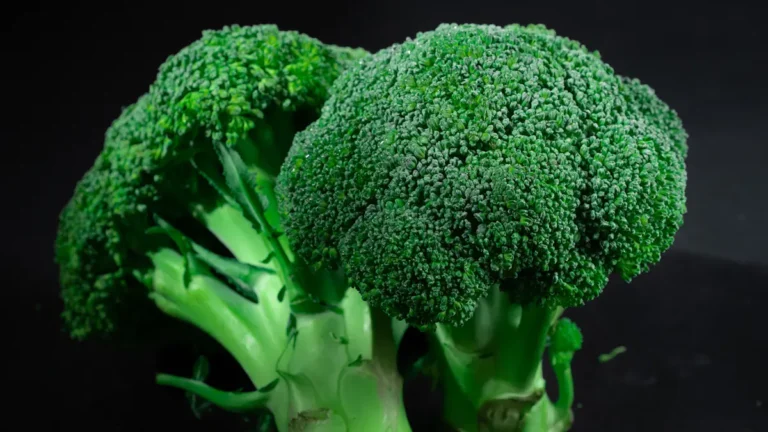
Which vegetables should you reach for whenever you want more vitamins and minerals on your plate? Start with spinach, kale, and broccoli, because they bring leafy micronutrients that help you feel steady and cared for.
Then add carrots, bell peppers, and sweet potatoes for vitamin A, C, and potassium. You can also lean on tomatoes and Brussels sprouts, since their cruciferous benefits support your daily veggie goals with ease.
Together, these choices give you iron, folate, magnesium, and more, so your meals feel strong and satisfying. In the event that you build a plate with color, you’ll fit right in at any healthy table, and your body gets the backup it deserves.
Try roasting, steaming, or tossing them into soups, since each method keeps flavor lively.
Fruits That Support Vegetarian Nutrition
You can use fruits to add more than sweetness to your vegetarian meals, especially whenever you need extra vitamin C to help your body absorb iron from plant foods.
Some fruits, like berries and citrus, also bring a little protein, so they can support your nutrition in a simple, tasty way.
If you mix them into snacks or meals, you make it easier to meet your needs without feeling like you’re eating the same thing again and again.
Protein-Rich Fruits
Some fruits can add a little protein to a vegetarian diet, and that can feel like a welcome bonus whenever you’re trying to build balanced meals.
You won’t rely on fruit alone, but you can still choose smarter, kinder options that help you feel part of a well-fed crowd.
- Avocado gives you more protein than most fruits, plus creamy texture for toast or bowls.
- Dried figs bring a modest protein lift and a sweet chew that fits snacks.
- Jackfruit recipes can add variety; pair the fruit with beans or tofu for real staying power.
- Açaí blends work well with nuts and seeds, so your bowl feels fuller fast.
Whenever you mix these fruits with grains or yogurt, you build meals that feel satisfying, practical, and totally yours.
Iron and Vitamin C Fruits
Pairing fruits with iron-rich vegetarian foods can make a real difference in how steady and strong you feel.
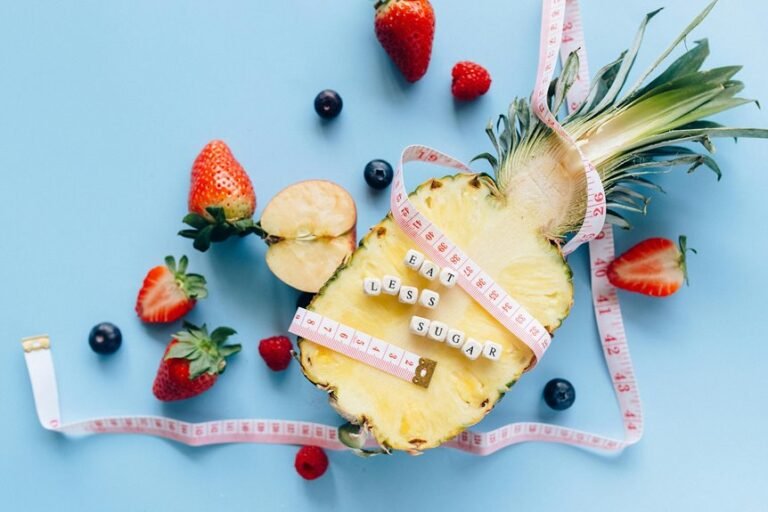
You can lean on oranges, strawberries, kiwi, pineapple, and grapefruit as Iron enhancers that bring vitamin C to the plate. Whenever you add them to lentils, tofu, beans, or spinach, your body can use plant iron more easily.
That’s why Citrus pairing works so well at lunch or dinner, especially whenever you want energy that lasts.
Try orange slices with a chickpea salad, berries in a spinach bowl, or kiwi after a tofu wrap.
These bright fruits don’t just taste fresh; they help you feel like you belong at the table, with meals that support your goals and your everyday rhythm too.
Nuts, Seeds, and Easy Snacks
- Keep pumpkin seeds handy for a simple, salty bite.
- Stir hemp seeds into yogurt for extra texture.
- Pack cashews whenever you need something mellow and filling.
- Choose edamame or soy nuts if you want a snack with staying power.
Whenever you build these habits, you make snack time feel welcoming, not stressful.
Small choices like these help you stay connected to your routine and your people.
How to Build Balanced Vegetarian Meals
Building balanced vegetarian meals gets much easier as you consider in simple parts.
You can fill half your plate with colorful vegetables, then add a hearty protein like beans, tofu, or lentils.
Next, choose whole grains such as quinoa or oats to keep you full and steady.
Keep an eye on portion sizes so each food group fits without crowding the plate.
In case you eat often, match meal timing to your day, and you’ll feel more energized between meals.
Then add a small source of healthy fat, like seeds or avocado, for flavor and comfort.
You belong at the table, and your meals can feel familiar, satisfying, and easy to repeat.
With practice, each plate starts to look like it was made just for you.
Vegetarian Pantry Staples to Keep on Hand
A well-stocked pantry can make vegetarian cooking feel calm instead of chaotic. You don’t need fancy ingredients, just a few friendly batch staples that help you build meals fast and still feel at home in your kitchen. Keep these on hand:
- Beans, lentils, and chickpeas for quick protein.
- Quinoa, oats, and whole-wheat bread for filling bases.
- Tofu, soy milk, and nut butter for easy meals.
- Spice blends, plus cumin, garlic, and chili, for bold flavor.
When you pair grains with legumes, you create balanced meals without stress.
Add canned tomatoes, frozen peas, and seeds, and you’ve got options for busy nights. That kind of pantry support makes vegetarian eating feel less like work and more like your everyday rhythm.
Frequently Asked Questions
Which Vegetarian Foods Provide the Most Protein per Serving?
Seitan slices provide 16g of protein per slice, and tofu portions provide 10g per 1/2 cup. Tempeh, peas, lentils, and quinoa also contain substantial protein.
How Can I Combine Plant Proteins for Complete Amino Acids?
You can get all essential amino acids by pairing legumes with grains, such as beans and rice, or by combining seeds and nuts for a more balanced protein profile.
What Are the Best Vegetarian Snacks Between Meals?
Roasted chickpeas, Greek yogurt, fruit kebabs, edamame pods, nut butter crackers, cucumber with hummus, apple slices, trail mix, veggie sushi, and cottage cheese make satisfying vegetarian snacks between meals.
Which Vegetarian Foods Are Highest in Healthy Fats?
You can get healthy fats from avocado, nuts, seeds, and soy foods. Avocado provides fiber and vitamin E, while walnuts supply omega3 fats that support heart health. Include hemp seeds, flaxseeds, sesame seeds, and soy nuts as well.
How Do I Store Vegetarian Pantry Staples to Stay Fresh?
Keep chickpeas and lentils in airtight containers in a cool, dry spot. Vacuum sealing or oxygen absorbers can help them stay fresh longer. Lentils provide 9g of protein per 1/2 cup cooked, so proper storage helps reduce waste.