
Should your hair feels weaker or sheds more than you’d like, your plate could be part of the story. You can support stronger strands through choosing foods rich in protein, iron, biotin, zinc, and healthy fats, since each one helps your scalp and roots do their jobs. Fortunately, simple meals can do a lot, and a few smart food swaps might help more than you believe, especially whenever your hair seems to need a little extra care.
What Nutrients Hair Growth Needs Most
Strong hair starts with the right mix of nutrients, and your body needs a few key ones to keep follicles healthy and active. You need protein to build keratin, iron to move oxygen, and vitamin A, C, and B vitamins to support repair. Zinc helps cells divide, while omega-3 fats calm dryness and keep the scalp comfortable. These nutrients also support Scalp bloodflow, which helps roots get what they need.
Whenever you’re low on them, hair can feel weak, dull, or slow to grow. Hormonal balance matters too, because stress and shifts in hormones can interrupt growth. So, whenever you care for your body with steady nutrition, you give your hair a better chance to stay strong, full, and part of your everyday glow.
Top Foods That Support Hair Growth
At the moment you want to feed your hair well, the best foods work like a steady support team for your scalp and roots.
You can build that team with spinach, kale, carrots, sweet potatoes, and cantaloupe for vitamin A. Then add berries, citrus, sweet peppers, broccoli, and guava for vitamin C, which helps your body use key nutrients well.
For minerals, choose lentils, oats, pumpkin seeds, Brazil nuts, and oysters. Should you also enjoy salmon, tuna, avocado, or walnuts, you give your scalp extra support and a softer feel.
Pair these foods with scalp massage to wake up your routine, and try herbal rinses for a fresh, cared for finish. Whenever you eat this way, you help yourself feel part of a stronger hair care circle.
How Protein Builds Stronger Hair
Protein gives your hair the raw materials it needs to make keratin, the main building block that keeps strands strong and less likely to break.
You also rely on protein’s amino acids to support new growth, so each meal can help your hair stay healthier from root to tip.
If you don’t get enough, your hair can grow weak, thin, and slow, and that can feel frustrating fast.
Keratin’s Protein Role
As soon as your hair starts to feel weak or look dull, it often means it needs more of the building blocks that keep it sturdy, and keratin is one of the biggest ones.
You rely on this protein to support hair structure, so your strands can stay smoother, tighter, and less likely to snap.
Whenever your body keeps protein synthesis moving well, it can make more keratin for the scalp and roots. That’s why protein-rich foods help you protect what you already have and keep your hair looking full.
Whenever you choose them often, you give your hair a stronger base and a better chance to stay resilient with you.
Amino Acids for Growth
A steady stream of amino acids gives your hair the raw materials it needs to grow stronger, and that matters more than many people realize.
Whenever you eat enough protein, you help your body supply essential aminoids that shape each strand from the inside out. Your follicles use these building blocks for keratin, and peptide signaling helps guide growth cycles so new hair can form with better structure.
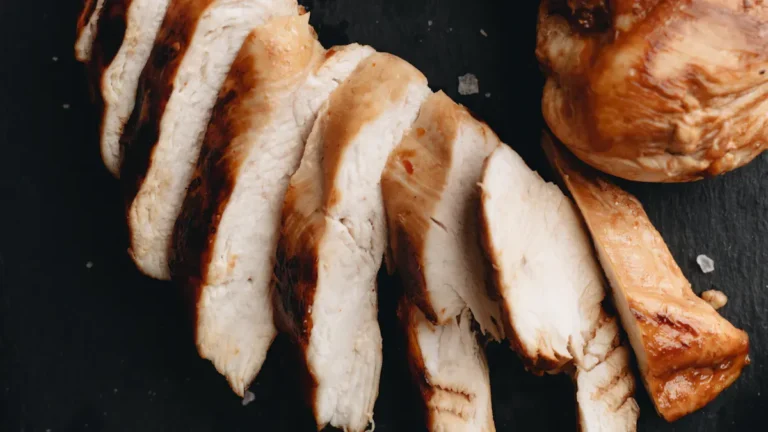
That’s why meals with eggs, lentils, Greek yogurt, poultry, or salmon can feel like steady support for you.
In case you’re trying to care for your hair and still feel like yourself, this kind of nourishment fits right in. It won’t fix everything overnight, but it gives your strands a fairer shot.
Protein Deficiency Effects
Whenever you don’t eat enough protein, your hair often shows it before you do. You could notice more shedding, slower growth, or strands that feel weak and dull.
That’s because protein gives your body the building blocks for keratin, the main material in hair. If your intake drops, your metabolic impact can slow hair production, and your scalp mightn’t support strong new growth. You may also feel scalp inflammation, which can make the problem seem worse.
To help your hair stay fuller and tougher, include eggs, Greek yogurt, poultry, lentils, and fish in your meals. These foods help your body repair itself and keep your strands anchored.
Once you feed yourself well, you’re not just eating. You’re backing your hair, too.
Iron-Rich Foods for Thicker Hair
Iron helps carry oxygen to your hair follicles, and that support can make your strands look fuller over time.
You can increase your intake with foods like spinach, lentils, red meat, and fortified cereals.
To get the most from them, pair iron-rich foods with vitamin C foods, since that helps your body absorb iron better.
Iron’s Hair Growth Role
Once your hair starts looking thinner, it can feel frustrating, but fortunately the right foods can help support stronger strands from the inside out.
Iron helps your body move oxygen to the scalp, and that support matters because busy follicles need steady fuel.
Whenever iron levels dip, hair can feel weak, shed more, and lose its bounce.
You don’t need to panic or chase miracles; you just need enough iron for healthy iron mobilization and better follicle oxygenation.
Pair iron support with balanced meals, since your roots do best whenever you nourish them consistently.
You can regard this as quiet teamwork: your body delivers oxygen, and your hair gets a better chance to stay thick, steady, and ready for a great hair day.
Best Iron-Rich Foods
Should your scalp has been feeling a little underfed, the right iron-rich foods can help it get back on track.
You can build a stronger routine with spinach, kale, lentils, and red meat, since each one helps carry oxygen to your follicles.
In case you prefer simple meals, add fortified cereals to breakfast or toss lentils into soup for an easy lift.
You can also choose oats, beans, and pumpkin seeds whenever you want more variety without stress.
Foods grown in carbon rich soils often hold more minerals, so fresh produce can play a helpful role too.
As soon as you keep these foods on your plate, you give your strands steady support, and that can help your hair feel fuller, sturdier, and more like it belongs.
Boosting Iron Absorption
Along with eating more iron-rich foods, you can help your body use that iron better through pairing it with vitamin C. Whenever you add berries, citrus, or sweet peppers to spinach, lentils, or fortified cereal, you give your body strong iron boosters.
This combo helps iron move into your bloodstream, where it can support your follicles and hair growth. Meal timing matters too. Try eating coffee, tea, and dairy away from iron-heavy meals, because they can slow absorption. Instead, build easy pairings like a lentil salad with grapefruit or eggs with strawberries.
Small changes like these can make a real difference, and they fit right into your day without stress. You’re not alone in this.
Biotin-Rich Foods for Hair Support
Biotin plays a quiet but powerful role in hair support because it helps your body make keratin, the protein that gives hair its shape and strength.
You can build Biotin snacks into your day with eggs, lentils, Greek yogurt, and pumpkin seeds. These foods fit easily into meals you already enjoy, so you don’t feel alone in changing your routine.
As you eat them regularly, you also support Microbiome balance, which could help your body use nutrients more smoothly. Try eggs at breakfast, yogurt with seeds, or lentil soup at lunch.
Poultry and organ meats add even more biotin and protein whenever you desire extra support. Small choices like these can help your hair feel cared for, steady, and ready to grow.
Vitamin C Foods That Help Hair
Now that you’ve given your hair a lift with biotin-rich foods, vitamin C can help that effort go even further.
Whenever you choose bright foods, you feed your strands and support antioxidant cooperation that helps protect fragile follicles. You also help scalp circulation, which keeps nutrients moving where they’re needed. Try these easy picks:
- Strawberries in yogurt
- Orange slices at lunch
- Red bell peppers in wraps
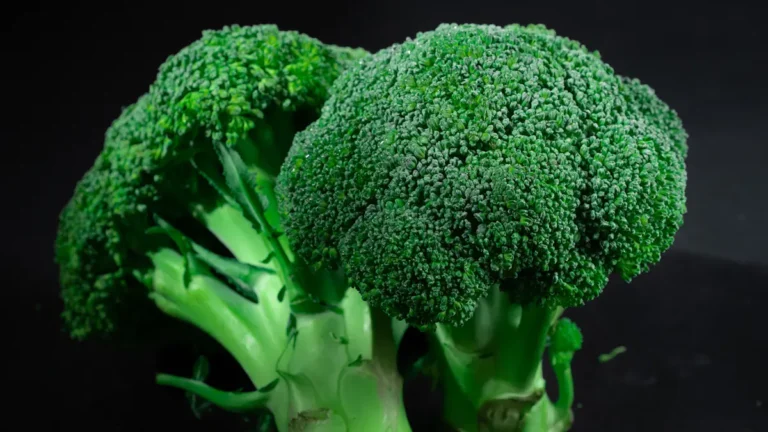
- Broccoli with dinner
These foods also support collagen, so your hair can feel stronger and look healthier.
Should you be building a routine with friends or family, this is an easy place to start. A few colorful bites each day can make your plate feel fuller and your hair care feel more complete, too.
Omega-3 Foods for Scalp Health
Your scalp often feels the effects of what you eat, and omega-3 fats can play a steady, calming role in that care.
Whenever you choose salmon, tuna, mackerel, walnuts, or avocado, you give your scalp support that can feel nourishing and familiar.
These foods could help you keep dryness and irritation in check, so your hair can look more comfortable and cared for.
You can also pair them with a gentle Scalp massage to help the oils feel part of your routine.
Should you avoid fish, Algae supplements can offer a simple plant-based option.
Together, these choices fit into your day without stress, and they might help you feel like you’re doing something kind for yourself and your hair.
Foods Rich in Zinc and Selenium
Zinc and selenium can give your hair the support it needs to stay strong, healthy, and less prone to shedding.
You’ll find zinc in oysters, pumpkin seeds, and oats, whereas Brazil nuts can help you get selenium for scalp health.
Whenever you add these foods to your meals, you’re giving your follicles the nutrients they need to work better every day.
Zinc-Rich Hair Foods
A few smart bites can make a real difference whenever you’re trying to support thicker, healthier hair, and zinc is one of the minerals that often gets overlooked.
You can build your plate with foods that help you feel part of a healthier routine.
- Oysters give you a strong zinc lift, and they fit well in simple Oyster recipes.
- Pumpkin seeds add crunch and steady mineral support.
- Oats bring zinc into breakfast, so your morning starts with purpose.
- Seafood like shrimp can round out dinner with more zinc.
If you want extra backup, zinc supplements might help whenever your diet falls short, but food should stay primary.
Whenever you eat these options often, you give your follicles the support they need, and that can feel reassuring.
Selenium for Scalp Health
Whenever you want to support scalp health from the inside out, selenium can play a quiet but significant role.
You help your body keep selenium balance whenever you eat Brazil nuts, seafood, eggs, and whole grains.
This mineral works with zinc to protect you from scalp oxidation, so your roots feel less stressed and your hair can stay stronger.
In case you’re already choosing zinc-rich foods, adding selenium feels like joining the same team, not starting over.
You don’t need a perfect menu, just steady choices that fit your life and taste.
A little every day can support comfort, shine, and a calmer scalp.
Whenever you feed your body well, you’re not alone in the process; you’re building with it, one meal at a time.
Leafy Greens for Hair Growth Support
Leafy greens can give your hair a real lift because they pack several nutrients your scalp depends on. You’re not just eating salad; you’re feeding the roots that help hair stay strong. Spinach and kale bring iron, vitamin A, and antioxidants, so they fit well whenever you want steady support. Their chlorophyll benefits might also help your body use plant nutrients well, and better iron bioavailability matters once follicles need oxygen.
- Toss spinach into wraps.
- Sauté kale with garlic.
- Blend greens into smoothies.
- Add broccoli beside lunch.
Whenever you build meals this way, you join a simple routine that supports growth from the inside. It’s a small habit, but your strands can notice.
Eggs and Dairy for Hair-Building Nutrients
After those greens, it makes sense to look at foods that build hair from a different angle, because your strands need more than iron and vitamins alone. Eggs give you protein and biotin, which help your body make keratin, the stuff your hair leans on every day. Egg yolks also bring extra nutrients that support steady growth. Dairy can help too, especially Greek yogurt, milk, and cheese, provided they suit you. In case you avoid them, dairy alternatives can still fit your routine.
| Food | Key nutrient | Hair benefit |
|---|---|---|
| Eggs | Protein | Builds hair structure |
| Egg yolks | Biotin | Supports keratin |
| Greek yogurt | Protein | Helps growth |
| Fortified dairy alternatives | Added nutrients | Fills gaps |
When you eat these foods often, you give your hair a stronger, kinder base.
Nuts and Seeds for Stronger Hair
Nuts and seeds can quietly level up your hair routine because they pack several hair-friendly nutrients into tiny bites. Whenever you snack with purpose, you give your strands steady support, and that can feel like being on the same team as your hair.
- Pumpkin seeds bring zinc, which helps keep follicles working well.
- Brazil nuts add selenium, a mineral your scalp appreciates.
- Walnuts give you plant fats that help hair look smoother.
- Roasted seeds make an easy crunchy topping for yogurt or salads, while nut butters spread that goodness onto toast.
You can mix a small handful into meals, so healthy habits fit your day without stress. That simple move helps you stay consistent, and consistency is where strong hair friendships grow.
Fatty Fish for Hair Growth Support
Fatty fish can give your hair a strong head start because they deliver nutrients that support the scalp from the inside out. Whenever you choose salmon, mackerel, or tuna, you get omega-3 fats and protein that help your strands stay soft and full.
These foods also bring zinc and vitamin D, which can support healthy follicles and steady growth. You can feel good about your plate whenever you look for sustainable sourcing, since that choice supports both your health and the sea.
It also helps to check mercury testing so you can enjoy fish with more confidence. Try baked fish with greens or rice for an easy meal. That way, you’re feeding your roots and joining a group that cares for stronger hair.
Diet Gaps That Can Slow Hair Growth
Even though you eat enough food, small diet gaps can still slow hair growth and leave your strands looking tired. You might feel fine, yet your follicles can still miss key nutrients whenever meals are low in iron, protein, or vitamin C. That’s during which hair can shed more and grow slower. Nutrient timing matters too, because long gaps between meals can leave your body short on steady fuel. Stress nutrition also counts, since stress can drain appetite and upset your intake.
- Skipping protein can weaken keratin support.
- Low iron can starve follicles.
- Missing zinc and biotin can dull strength.
- Low omega-3s can dry your scalp.
Whenever you notice these gaps, you’re not failing. You’re just giving your hair a better chance to belong and thrive with the right support.
How to Build a Hair-Healthy Meal Plan
To build a hair-healthy meal plan, start putting a strong nutrient at each meal, because your hair likes steady support more than random bursts of “good intentions.” You can aim for a mix of protein, iron, vitamin C, healthy fats, and key minerals across the day, so your follicles get what they need to grow well.
Begin with eggs or Greek yogurt in the morning, then add berries or citrus for vitamin C. At lunch, build around lentils, spinach, or poultry, and use meal timing to keep your energy steady. For dinner, choose salmon, kale, or sweet potatoes, then add walnuts or avocado for shine. Should you get bored, use flavor swaps like broccoli instead of peppers, or oats instead of cereal. Small, steady choices help you feel on track, and your hair gets that care too.
Frequently Asked Questions
Can Stress-Related Hair Shedding Improve With Dietary Changes?
Yes, hair shedding linked to stress can often improve when you combine lower stress levels with meals rich in iron, protein, and vitamins that support hair growth and hormone function.
How Long Before Hair Growth Changes Appear After Improving Diet?
Less shedding can show up within a few weeks, but new growth usually takes 2 to 4 months to become visible because hair follicles grow slowly. Keep eating nutrient rich foods, and you may give your hair a better chance to recover.
Are Hair Supplements Better Than Food Sources for Nutrients?
Not usually. Whole foods often work better because nutrients come packaged with protein, fiber, and fats that support absorption. Supplements can help in specific cases, but they do not always match the benefits of a varied diet. Choosing balanced meals first is usually the smarter approach.
Does Water Intake Affect Hair Growth and Scalp Health?
Yes, adequate water intake matters. It helps maintain hydration, supports a healthier scalp environment, and allows hair follicles to function properly. With good hydration, dryness, flaking, and breakage may become less noticeable.
Can Certain Diets Worsen Hair Thinning or Breakage?
Yes. Certain diets can worsen hair thinning or breakage. If you are in a severe calorie deficit or eating a high glycemic diet, your body may not get enough protein, iron, and vitamins, which can leave hair weaker, thinner, and more likely to break.