

Baking at home has a way of humbling anyone who skips the yeast aisle. Active dry yeast quietly decides whether your bread rises tall or sits like a brick, which is why the brand and format you stock in the pantry matters more than most home cooks realize. A small pack for one weekend pizza, a vacuum brick for weekly loaves, a specialty strain for winemaking: each of these picks serves a specific rhythm. This roundup sorts through ten options covering everything from gluten-free packets to wine-making cultures, so you can match the right leavening to your kitchen routine, skill level, and storage space.
A Snapshot Of The Selections
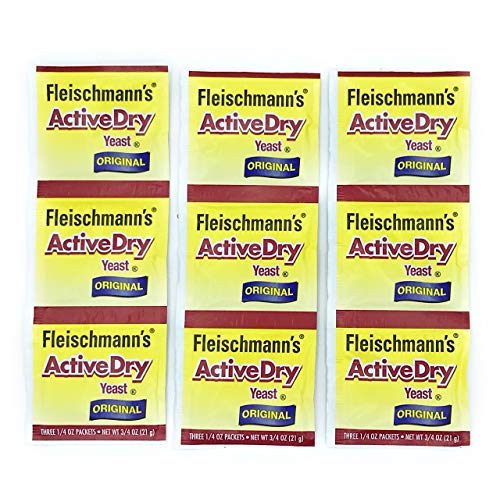
Fleischmann’s Active Dry Yeast 0.75-Ounce Packet (Pack of 9)

Fleischmann’s Active Dry Yeast 0.25 Ounce 9 Count

Anthony’s Active Dry Yeast Packets Gluten Free (42 Count)

Fleischmann’s Active Dry Yeast Strip 0.25 Ounce (9 Count)

Lalvin 71B Active Dry Wine Yeast Pack of 12

Bob’s Red Mill Active Dry Yeast 8 Ounce (Pack of 2)

Leaven Foods Instant Sourdough 0.25oz Packets 3-Pack
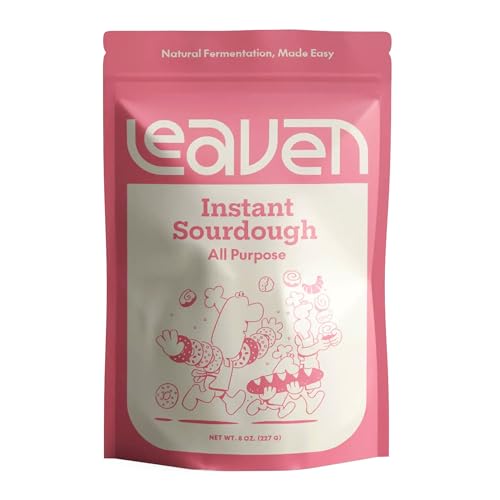
Leaven Foods Instant Sourdough 8oz Bag (100 Loaves)

Red Star Active Dry Yeast 16 oz (1 Pound)

Leaven Foods Instant Wild Yeast 0.25oz Packets 3-Pack
What Each Pick Brings To The Table
The standard three-quarter-ounce packet has anchored American pantries for generations, and the nine-pack format keeps a steady supply within reach. Each foil-sealed envelope holds enough dry yeast for roughly two loaves of standard sandwich bread, which lines up neatly with the way most casual bakers shop for flour. Active dry yeast (a dormant form that wakes up with warm water and a pinch of sugar) is the friendliest entry point for newcomers, since it tolerates minor temperature swings better than fast-rising instant strains.
Compared to the smaller single-use packets reviewed below, this format scales better for family-sized baking sessions and shared kitchens. Owners commonly report that the foil seal keeps the contents potent for months in a cool cupboard, though warmth and humidity shorten that window noticeably. Anyone who bakes two or three times a month will find the rhythm fits naturally, while strict gluten-free households should look elsewhere on this list.
Real-World Strengths
- Generous packet size handles two loaves or a batch of rolls without measuring.
- Foil-sealed packets retain activity across long storage windows in a cool pantry.
- Fleischmann’s heritage strain has decades of home-baking performance data behind it.
- Forgiving for beginners proofing dough for the first time.
Things To Consider
- Three-quarter-ounce packs may be more than needed for a single pizza night.
- Not labeled gluten-free, so cross-contamination concerns remain for sensitive households.
- Requires proofing in warm water before mixing, unlike instant strains.
Who It Suits Best
Home bakers running weekly loaves or roll batches who want a trusted, well-documented dry yeast in their pantry.
Consider Something Else When
Gluten-free households should consider Anthony’s Active Dry Yeast Packets instead, since that product is batch-tested gluten-free.
Quarter-ounce single-use packets remove the small but real friction of measuring yeast by the teaspoon. This nine-count format ships as three tear-strip cards, so you snap off a single packet without exposing the rest to kitchen humidity. Each envelope covers roughly one standard loaf or a pizza for two, which matches the rhythm of occasional weeknight baking rather than weekly bread marathons.
You trade the bulk savings of the larger pack for built-in portion control and reduced waste. For a baker who only fires up the oven twice a month, opened bulk yeast can lose punch before the jar empties, so this format quietly solves that problem. The catch shows up when you’re hosting a dinner party and need four loaves: you’ll be tearing through packets quickly.
Everyday Wins
- Pre-measured packets eliminate guesswork for new bakers.
- Tear-strip design keeps unopened packets sealed against moisture.
- Single-use size is great for compact kitchen storage.
Worth Noting
- Per-packet price runs higher than bulk formats, depending on the listing.
- Limited usefulness for high-volume bread bakers.
Made For
Casual bakers pulling off weekend pizza or a single loaf without committing to a bulk jar.
Look Elsewhere When
Weekly bakers feeding a family will find the Red Star 1-pound vacuum brick more economical for ongoing sessions.
Forty-two individually sealed packets solve the gluten-free baker’s biggest headache: cross-contamination in shared kitchens. Anthony’s batches each lot and verifies it as gluten-free, which provides real peace of mind for anyone managing celiac disease or wheat sensitivity. The 0.25-ounce size mirrors what most bread recipes call for, so no measuring or kitchen scale is required.
The bulk count signals this is built for someone who bakes often enough to use it, not for a one-time trial. Compared to the Bob’s Red Mill resealable bags reviewed later, this format sacrifices the open-and-scoop convenience in exchange for airtight single servings. You’ll want a dedicated kitchen drawer or a small bin, since loose packets tend to migrate across the pantry.
Reasons It Performs
- Batch-tested gluten-free status supports strict dietary needs.
- Large count keeps the pantry stocked for months of steady baking.
- Single-serve packets stay sealed until the moment of use.
Points To Note
- Storage requires planning, since 42 packets need a dedicated spot.
- Not a bulk open-jar option, so quick spooning is out.
Best Suited To
Gluten-free households that bake weekly and want individually portioned yeast without measuring each time.
Swap It Out When
Anyone baking multiple loaves in one session may prefer the Bob’s Red Mill Active Dry Yeast resealable bags for faster scooping.
Same trusted Fleischmann’s strain that runs through the heritage line, repackaged into a tear-away strip that lives on the fridge door or in a kitchen drawer. The strip format originated in the brand’s wartime pivot toward shelf-stable active dry yeast, designed so soldiers and home bakers alike could activate it quickly with warm water. That DNA still shows up in the modern design, which exposes only one packet at a time.
For a baker who pulls out yeast every week, the strip is faster than digging through loose envelopes. Against the single-use nine-count reviewed above, this version offers the same portion control in a connected chain that some find tidier. In a small galley kitchen, though, a single long strip can be harder to store than individual packets standing upright in a jar.
Noteworthy Benefits
- Tear-strip keeps the remaining packets sealed against humidity.
- Compact footprint suits tight pantry shelves and refrigerator doors.
- Each strip uses the same strain as the original three-quarter-ounce packets.
Trade Offs
- Strip can bend or tear awkwardly when stored in cramped spaces.
- Same per-packet pricing concerns as other single-use options apply.
Who Should Grab It
Weekly bakers who want quick access to a single packet without unsealing an entire jar or bag.
A Better Fit Elsewhere
Bulk bakers producing multiple loaves each session will find the Red Star Active Dry Yeast 1-pound brick more efficient for high-volume work.
Wine yeast is a different animal from baking yeast, even though the active dry format feels familiar. Lalvin 71B is engineered for fruit-forward fermentations, naturally taming harsh malic acid to leave a softer, rounder mouthfeel in young reds, rosé, and nouveau-style wines. Sold in a twelve-pack by North Mountain Supply, the 5-gram sachets cover typical small-batch carboy volumes of five to six gallons.
This strain is widely used in the home winemaking community for grape and country fruit wines alike. It performs consistently across a moderate temperature range, which simplifies fermentation management for first-timers working without temperature-controlled cellars. Outside the wine context, this product won’t help you bake a loaf, so it’s a specialty shelf item rather than a pantry staple.
Where It Delivers
- Designed specifically for fruit-forward and nouveau wine styles.
- Reduces malic acidity naturally, smoothing young wines.
- Performs reliably across a moderate home-fermentation temperature window.
Some Limits To Know
- Not interchangeable with baking yeast in bread or pizza dough.
- Strain-specific, so it suits a narrow set of winemaking goals.
Perfect Match For
Home winemakers pressing fruit wines or crafting lighter reds who want a forgiving, fruit-forward strain on hand.
Reach For A Different Pick When
Anyone baking bread should reach for Fleischmann’s Active Dry Yeast 0.75-Ounce Packet instead, since baking and wine yeasts are not interchangeable.
Two 8-ounce resealable stand-up bags offer the closest thing to a home mill’s bulk supply without committing to a vacuum brick. Bob’s Red Mill makes this yeast in a dedicated gluten-free facility and verifies each batch through R5-ELISA testing (a laboratory method used to detect gluten proteins at very low levels). The resealable zipper top keeps air and moisture out, which extends the practical life of the contents far past what an open jar would manage.
Compared to the individually sealed packets from Anthony’s, this format rewards bakers who measure by the teaspoon rather than the packet. You scoop what you need, seal the bag, and return it to the fridge. The trade-off is shelf space: two 8-ounce bags take up more room than a flat stack of envelopes, and a dedicated fridge shelf is helpful, since long-term storage calls for refrigeration.
A Favorable Mix
- Resealable stand-up bags keep yeast active between baking sessions.
- Manufactured in a dedicated gluten-free facility and R5-ELISA tested.
- Generous bulk size suits frequent bakers who measure by the spoon.
Room For Improvement
- Refrigeration is recommended for long-term storage, requiring dedicated shelf space.
- Bulk format is more than casual bakers will use before potency fades.
Built With In Mind
Gluten-free home bakers producing multiple loaves each month who want a single, verifiable bulk source in the fridge.
Skip It When
Occasional bakers may find Anthony’s Active Dry Yeast Packets a better fit, since the per-packet format reduces waste for light usage.
Sourdough without a starter jar is a real proposition here, designed for bakers who love the tang but not the daily flour-and-water ritual. Each 0.25-ounce packet bakes up to seven loaves depending on recipe and batch size, so the three-pack covers a generous window of pizza nights and weekend bakes. The brand positions this as a true starter replacement, so you can drop it into recipes that call for baker’s yeast and expect sourdough character to follow.
Compared to the long-cultivated wild yeast in the Leaven Foods Wild Yeast packet reviewed below, this is the simpler, more predictable cousin. The trade-off shows up in flavor depth: a packet-formulated replacement delivers the tang, but it won’t replicate the subtle complexity of a years-old starter. For someone testing sourdough for the first time, that simplification is a feature rather than a flaw.
The Helpful Details
- Each packet covers up to seven bakes, so three packets handle a busy month.
- No starter maintenance, feedings, or discard routines required.
- Gluten-free and non-GMO formulation broadens dietary compatibility.
Practical Considerations
- Flavor profile is milder than a long-cultivated wild starter.
- Three-pack format may be more than casual bakers need upfront.
Who Will Love This
Busy bakers who want sourdough flavor on weeknight pizza without the daily ritual of feeding a starter.
Consider Something Else When
Bakers chasing deeper artisan flavor should look at Leaven Foods Instant Wild Yeast packets, which are positioned for richer crust development.
The 8-ounce bag version of the same Leaven Foods instant sourdough scales the format up for serious production environments. The brand explicitly targets restaurants, pizza programs, and high-volume bakers, since a single bag covers up to 100 loaves at typical recipe ratios. All-natural, gluten-free, and non-GMO composition carries the same dietary compatibility as the smaller packet format.
For most home kitchens, this much sourdough replacement is more inventory than you’ll burn through in a typical month. The honest read is that the per-loaf cost drops significantly compared to the three-pack reviewed above, but only if you actually run the volume. Storage calls for a cool, dry spot with a tightly sealed bag, and you’ll want a dedicated dry-goods container or a clip system to keep air out between sessions.
Positive Takeaways
- Bulk bag brings per-loaf cost down for serious bakers and small operations.
- Same starter-free sourdough character as the smaller packet format.
- Gluten-free and non-GMO formulation fits restrictive diets.
Potential Drawbacks
- More volume than most home kitchens can rotate through before potency fades.
- Requires disciplined sealing after each use to keep contents active.
The Right Fit
High-volume bakers, pizzerias, and home cooks running weekly bread programs who need a steady supply without a starter culture.
Not Your Match When
Casual home bakers should reach for the Leaven Foods Instant Sourdough 0.25oz Packets 3-Pack instead, which matches lighter weekly use.
Red Star’s 1-pound vacuum-packed brick is the workhorse of small bakeries and serious home kitchens. The vacuum seal removes oxygen from the package, which dramatically slows the natural decline of yeast viability in storage. Many bakers prefer active dry yeast here because the brand delivers a flavor profile that reads slightly more traditional than fast-rising instant varieties, and the brick format keeps cost per bake exceptionally low.
You trade convenience for economy with a brick this size. There’s no resealable zipper, so once opened, the remaining yeast needs a sealed jar, an oxygen-absorbing packet, and ideally a refrigerator or freezer. Compared to the bulk bags from Bob’s Red Mill reviewed earlier, this format requires more hands-on storage discipline but rewards you with a longer practical life when handled correctly.
The Case For It
- Vacuum seal preserves activity across extended storage windows.
- Lower per-bake cost than any packet or strip format.
- Trusted strain widely used in professional bakery settings.
- Kosher certification broadens kitchen compatibility.
Factors To Consider
- Requires a separate airtight container after opening to maintain potency.
- More yeast than occasional bakers will rotate through in time.
Whose Shelf It Belongs On
Regular bread bakers who run weekly loaves and want the lowest per-bake cost with a vacuum-sealed starting point.
Where Another Pick Suits Better
Gluten-free households will find the Bob’s Red Mill Active Dry Yeast resealable bags a better fit, since this brick is not labeled gluten-free.
Wild yeast sits at the premium end of the Leaven Foods lineup, positioned for bakers who care about depth of flavor and a richer crust. The brand describes it as an unmodified wild yeast, which means it carries more of the complex fermentation character typically associated with long-cultivated starters. Each 0.25-ounce packet still bakes up to seven loaves at typical ratios, so the three-pack covers a similar window to the instant sourdough option reviewed earlier.
Against the instant sourdough packets, the wild yeast formulation trades a touch of predictability for a fuller, more balanced flavor profile. The honest read is that you may find the difference subtle on a basic white loaf, but more pronounced on enriched doughs and long-fermented breads. Like the other Leaven Foods picks, this one skips starter maintenance entirely, which keeps it accessible to bakers who haven’t built up a culture yet.
Notable Gains
- Wild yeast strain aimed at deeper, more artisan flavor.
- Each packet covers up to seven bakes at typical ratios.
- Gluten-free and non-GMO formulation fits restrictive diets.
- Replaces baker’s yeast in standard recipes without extra steps.
Worth Bearing In Mind
- Premium positioning carries a higher per-bake cost than the instant sourdough packet.
- Flavor gains are more pronounced on certain doughs than simple sandwich bread.
Right Fit For
Bakers focused on crust development and richer flavor who want wild-yeast character without maintaining a starter culture.
Where A Sibling Pick Shines
Anyone wanting a milder tang on weeknight pizza may find Leaven Foods Instant Sourdough packets a better everyday fit, since the wild version leans more artisan.
Choosing The Right Active Dry Yeast For Your Kitchen
The first real decision is format. Single-use packets suit occasional bakers who want zero measuring, while bulk bricks and resealable bags reward frequent bakers with lower per-bake cost and faster scooping. For high-volume work or commercial-style pizza programs, vacuum-packed bricks and large stand-up bags handle the volume without losing potency between sessions.
The next decision is dietary fit. Strict gluten-free households should look for batch-tested certifications and dedicated-facility manufacturing, which narrows the field to verified products like Anthony’s and Bob’s Red Mill. Active dry yeast is naturally vegan, but cross-contamination in shared facilities can still matter for sensitive households, so check the labeling carefully.
Storage habits shape the format that actually works in your kitchen. A cool, dry pantry favors vacuum bricks and sealed packets, while a refrigerator-friendly setup opens up resealable bags and longer-term bulk storage. Yeast viability drops with heat, humidity, and time, so the format you can actually keep sealed and cool between bakes will outperform a theoretically cheaper option that sits half-open on a warm shelf.
For winemakers, the calculus is entirely different. Lalvin 71B and similar strains are designed for fermentation chemistry, not bread, and substituting one for the other generally produces disappointing results. Match the strain to the project: bread yeast for dough, wine yeast for fermentations.
Pitfalls Shoppers Hit and Where The Extra Money Goes
Where Shoppers Go Wrong
A common slip is buying the largest brick or bag without a plan to rotate through it before potency fades. Open yeast loses punch over weeks, and tossing half a bag in the trash is the most expensive outcome per bake. Another trap is assuming all “active dry yeast” works the same; some strains are blended for specific doughs or flavor profiles, and the wrong choice can flatten a recipe.
When Paying More Pays Off
Premium pricing on this list shows up in two distinct places. Specialty strains like Lalvin 71B cost more because they’re cultivated for winemaking chemistry, not generic baking, and the manufacturing process is narrower. The Leaven Foods wild yeast option commands a higher price because it delivers starter-like flavor in a packet, eliminating the time and flour cost of maintaining a living culture. For bakers who value that flavor or those who don’t bake often enough to keep a starter alive, the upgrade makes sense. For everyone else, a standard brick or packet delivers the same rise at a fraction of the cost per bake.
Frequently Asked Questions
How long does active dry yeast stay good past the printed date?
Sealed vacuum-packed yeast typically retains strong activity for months past its printed date when stored cool and dry. Once opened, transferring the remaining contents to an airtight container and refrigerating extends that window further, though potency gradually declines either way.
Do I need to proof active dry yeast before using it?
Most recipes call for proofing, which means dissolving the yeast in warm water (around 105 to 110 degrees Fahrenheit) with a pinch of sugar and waiting five to ten minutes for a foamy layer to form. Skipping this step is risky, since a quiet surface means the yeast may already be inactive.
Can active dry yeast and instant yeast be swapped in recipes?
A one-to-one substitution generally works, though instant yeast rises slightly faster and may absorb differently in enriched doughs. Active dry yeast typically needs the warm-water proofing step that instant yeast skips.
Is active dry yeast gluten-free?
Most yeast strains are naturally gluten-free, but cross-contamination in shared facilities can introduce trace amounts. Bakers with celiac disease or strong gluten sensitivity should look for batch-tested certification and dedicated-facility manufacturing.
What’s the difference between active dry yeast and wine yeast?
Active dry baking yeast is bred for carbon dioxide production in dough, while wine yeast strains like Lalvin 71B are cultivated for alcohol tolerance, flavor chemistry, and acid management in fermenting fruit. The two are not interchangeable.
Wrap Up
The right active dry yeast depends less on brand loyalty and more on how often you bake, what you bake, and how much storage discipline you can keep up. Heavy weekly bakers gravitate toward vacuum bricks and resealable bags. Occasional bakers save money and reduce waste with single-use packets. Gluten-free households and winemakers each have their own narrow set of reliable choices, and the sourdough replacement options open a parallel path for flavor without the daily starter ritual. Pick the format that matches your actual rhythm, and your bread (or wine) will reward you.
