

A bag of good cacao powder earns its shelf space quickly. Bakers need it for brownies and cakes, smoothie fans rely on it for body and depth, and a growing crowd turns to high-flavanol cocoa for daily wellness rituals. The trouble is that “100 cacao” on a label can mean a dozen different things: Dutch-processed for mellow flavor, raw and non-alkalized for nutrient density, or fortified with targeted compounds for circulation and sleep.
This roundup covers ten options across those lanes. You’ll find a budget-friendly pantry staple for everyday baking, a Dutch-process favorite for classic desserts, two single-cacao supplement formats in capsule and powder form, a high-flavanol concentrate, and a magnesium-forward nightcap cocoa. Each pick below links straight to the listing so you can compare packaging, format, and intended use.
Your Options, Compared

Amgwhhoo 100% Pure USDA Organic Cocoa Powder 16oz

Rodelle Gourmet Baking Cocoa, 25 Ounce

HERSHEY’S SPECIAL DARK Dutched Cocoa Powder, 8 oz
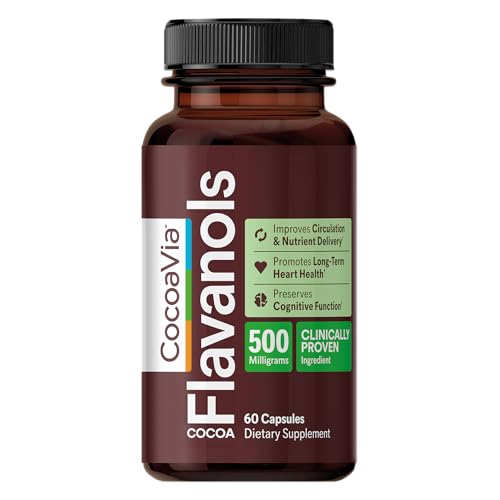
CocoaVia Cocoa Flavanols 500mg Capsules, 60 Count

HERSHEY BAKING COCOA, 3 Pack
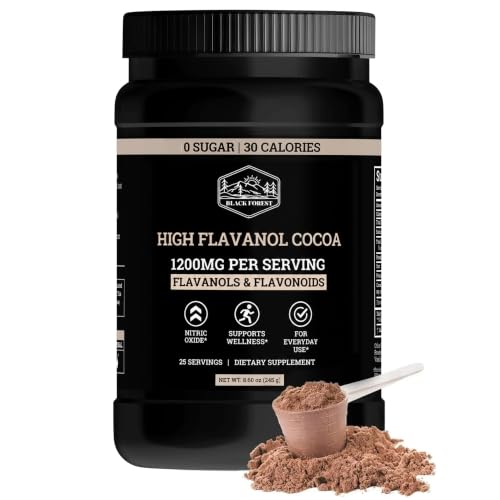
Black Forest High Flavanol Cocoa Powder 1200mg

CocoaVia Cocoa Flavanols 500mg Powder, 30-Day
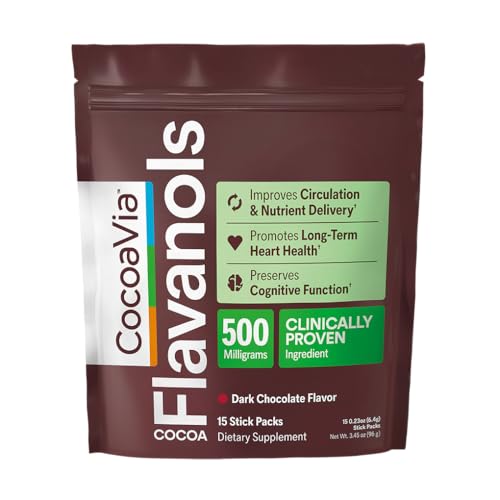
CocoaVia Cocoa Flavanols 500mg Single Serve Sticks

Black Forest Longevity Mix Liquid NAD+ Mocha, 30 Servings

Black Forest Sleepy Hot Cocoa Magnesium Sleep Powder, 22 Servings
The Picks, Examined More Closely
Amgwhhoo’s organic cocoa lands squarely in the “staple pantry” lane. It arrives as a fine, unsweetened powder meant to dissolve smoothly into hot milk, overnight oats, or a post-workout shake without leaving grit at the bottom of the glass.
Because it’s labeled non-alkalized, the powder skips the Dutch-process step (alkalization) that softens flavor but reduces some natural compounds. For most bakers this is the right call: the flavor stays assertive and a little bitter, which is exactly what a chocolate cookie or a mole-style chili benefits from. Anyone easing into cocoa powders for the first time may find the taste intensity noticeable, and adjusting sugar or pairing with milk helps a lot.
Benefits That Matter
- USDA-certified organic, so ingredient sourcing stays consistent
- Non-alkalized processing preserves the bold, slightly bitter cacao character
- Available in single 452 g and multi-pack options for varied households
- Unsweetened and non-GMO, leaving sweetener choices to the recipe
Things To Consider
- Flavor skews intense for users used to Dutch-process cocoa in cookies and cakes
- Powder texture, while fine, can clump in cold liquids if added dry; whisking with a splash of warm water first prevents that
Key Product Details
Who It Suits Best
Home bakers and smoothie drinkers who want a single bag that works for both baking and drink prep without artificial additives.
Consider Something Else When
If you primarily bake recipes that call for Dutch-process cocoa, the Rodelle Gourmet Baking Cocoa offers a mellower, darker profile that pairs more naturally with those formulas.
Rodelle’s 25-ounce tin sits in the “serious home baker” zone. The cocoa has been treated with alkali, which lowers acidity, deepens the color toward near-black, and rounds off the sharper edges you’d get from a non-alkalized powder.
That rounding matters most in classic American recipes: red velvet cake, whoopie pies, and dark chocolate frosting all assume a Dutch-process profile. The 25-ounce size is generous enough that you won’t run out mid-recipe, and the resealable container helps keep moisture out. For users who want a more raw, nutrient-forward cocoa, this isn’t the right lane; the alkalization step changes both taste and chemistry.
The Practical Payoff
- Generous 25 oz tin covers multiple batches of brownies, cakes, and frostings
- Alkali-treated profile delivers a deep, dark color in finished baked goods
- Resealable container helps preserve aroma between baking sessions
- Compatible with recipes that explicitly call for Dutch-process cocoa
Trade Offs
- Alkalization reduces some natural compounds that raw cacao retains
- The 25 oz size is heavier and bulkier than 8 oz pantry tins, so storage planning helps
Best Suited To
Frequent bakers working from recipes that call for Dutch-process cocoa and who prefer a single bulk purchase over reordering smaller cans.
Skip It When
If you want a non-alkalized powder for nutrient density or smoothie use, the Amgwhhoo 100% Pure USDA Organic Cocoa Powder keeps the bolder, less-processed profile.
Hershey’s Special Dark sits in that comfortable middle ground: a Dutch-process cocoa in a familiar 8 oz can, widely available, and easy to find at a moment’s notice. The flavor skews deep, slightly smoky, and a touch more intense than the standard Hershey’s unsweetened cocoa.
The resealable can is genuinely useful for casual cooks who don’t bake every week. The trade-off is that Specialty Dark isn’t formulated for high-flavanol wellness use; the alkalization and overall processing route it firmly toward desserts and hot cocoa. For anyone exploring a high-flavanol supplement path, the CocoaVia picks later in this list serve a different purpose entirely.
Where It Helps
- Familiar brand presence means easy to find in most grocery aisles and online
- Deep color produces a noticeable visual upgrade in cookies, cakes, and frostings
- Resealable 8 oz can keeps the powder fresh between baking sessions
Honest Caveats
- Alkalized profile means it won’t substitute cleanly for raw cacao in nutrient-focused recipes
- Smaller can size means frequent bakers will reorder more often than with bulk options
Feature Snapshot
Right Fit For
New bakers who want a recognizable, easy-to-find cocoa for hot drinks, frostings, and weeknight dessert projects.
Look Elsewhere When
You want a non-alkalized powder for smoothies and clean-label recipes; in that case, the Amgwhhoo organic cocoa keeps a more straightforward ingredient story.
CocoaVia takes a different route: instead of asking you to bake with cocoa, it distills cocoa flavanols (plant compounds linked in research to vascular function) into a 500 mg capsule you can take with water. Each bottle holds 60 capsules, which lines up with a two-month routine at one capsule per day.
The pitch here is consistency. Travelers, office workers, and anyone who doesn’t want to mix a powder every morning can fit a capsule into a multivitamin routine. Flavanol dose is the headline number, so this sits closer to a supplement than a baking ingredient. Anyone who loves the ritual of a warm drink will probably prefer the CocoaVia powder or the Black Forest flavored options below.
Notable Gains
- Pre-measured 500 mg cocoa flavanol dose in each capsule removes any guesswork
- 60-count bottle covers about two months of daily use
- Vegan and gluten-free formulation suits a range of dietary patterns
- No flavor or mixing required, which fits travel and busy mornings
Points To Keep In Mind
- Not a baking ingredient, so it can’t substitute for cocoa in a recipe
- Capsule size may feel large to people who dislike swallowing pills
Made For
Supplement-minded users who want a consistent daily flavanol dose without measuring powder or changing their morning routine.
A Better Fit Elsewhere
If you’d rather mix a flavanol boost into coffee or smoothies, the CocoaVia Cocoa Flavanols 500mg Powder is the same active ingredient in drinkable form.
This Hershey’s 3-pack delivers three 8-ounce resealable cans of the brand’s classic unsweetened, non-alkalized baking cocoa. The format is straightforward: stack the cans in a pantry and you have roughly 24 oz of cocoa ready to deploy across hot drinks, cookies, and chocolate cakes.
The non-alkalized processing keeps the flavor assertive and slightly bitter, which is helpful for chocolate-forward recipes that don’t want a Dutch-process softness. The multi-pack is also a quiet win for households that go through cocoa quickly or want to stash one can in a different location. The trade-off is that, like any baking cocoa, it doesn’t carry the concentrated flavanol dose you find in supplement-style products.
Points In Its Favor
- Three resealable 8 oz cans cover several months of regular baking
- Non-alkalized, unsweetened profile supports a wide range of recipes
- Gluten-free and kosher certification broadens dietary fit
Small Caveats
- Bulk format takes up more shelf space than a single 8 oz can
- Flavor intensity may be more than casual hot-cocoa drinkers expect without added sweetener
Whose Shelf It Belongs On
Active home bakers who keep cocoa on rotation and want to avoid reordering every few weeks.
Reach For A Different Pick When
If your recipes specifically call for a Dutch-process cocoa, the Hershey’s Special Dark delivers the deeper color and lower acidity those formulas need.
Black Forest’s high-flavanol cocoa sits in a different lane from the baking staples above. Each serving is designed to deliver 1200 mg of total bioactive compounds, with 600 mg of epicatechin (a specific flavanol linked to nitric oxide production, which supports blood flow and oxygen delivery during exercise).
The minimally processed, non-alkalized base keeps the natural flavor intact while concentrating the flavanols. For athletes, the use case is concrete: a scoop mixed into water or a pre-workout drink 30 to 60 minutes before training. The product also fits into smoothies and yogurt for people who don’t want to bake but still want a daily cocoa ritual. The honest read is that this is a supplement first and a cooking ingredient second.
Why It Works Well
- 1200 mg bioactive compounds per serving, including 600 mg epicatechin
- Non-GMO, vegan, and gluten-free ingredient list
- About 20 calories per serving, so it fits into calorie-tracked routines
- Manufactured in a GMP-certified facility with third-party testing noted on the label
Where It Is Less Suited
- Concentrated format isn’t a 1:1 swap for baking cocoa in most recipes
- Single serving size requires a kitchen scale or scoop to stay consistent
Spec Overview
Who Will Love This
Athletes and pre-workout users looking for a flavanol-forward cocoa to mix into a drink rather than a baking recipe.
Where Another Pick Suits Better
For everyday baking or smoothie variety, the Amgwhhoo organic cocoa offers a more versatile pantry format at a friendlier price per ounce.
CocoaVia’s 30-day powder delivers the same 500 mg flavanol dose as the capsule version, but in a mixable powder built around Cocoapro extract, a cocoa flavanol ingredient with a long research record. You stir it into coffee, smoothies, or hot water and it dissolves into a dark, slightly bitter drink.
The format suits people who want a morning ritual rather than a pill. Available in 3.4 oz and 6.8 oz sizes, the smaller tin covers a single month while the larger extends the routine. The vegan, gluten-free ingredient list keeps it compatible with most diets. Pricing per serving runs higher than a standard cocoa powder, so it’s a deliberate wellness purchase rather than a casual pantry item.
The Upside
- Mixable powder format fits naturally into coffee, smoothie, or hot water routines
- Built around Cocoapro extract, with a long cocoa flavanol research record
- Vegan and gluten-free formulation broadens dietary fit
- Available in 30-day and 60-day supply options
Practical Considerations
- Cost per serving is higher than standard grocery cocoa powders
- Flavor skews dark and unsweetened, so a splash of milk or sweetener helps palatability
Perfect Match For
Daily users who want a research-backed flavanol boost in drinkable form, especially those who already enjoy unsweetened cocoa or coffee.
Swap It Out When
If convenience is the priority, the CocoaVia capsule format removes the mixing step, and the single-serve sticks travel more easily in a gym bag or carry-on.
The single-serve stick format wraps the same 500 mg CocoaVia flavanol dose into 15 pre-measured packets. Each stick tears open and pours into a cup of hot water, a thermos, or a travel mug without any scooping or measuring.
That’s the whole pitch: routine without prep. Commuters, frequent travelers, and anyone whose morning happens in a hotel room or a rental car get a consistent dose without packing a tin. The travel-friendly format also keeps the powder fresh, since you only open one packet at a time. Bulk users will find the 15-stick box runs out faster than the larger 6.8 oz powder tin, so it works best as a travel companion rather than the primary at-home supply.
Key Advantages
- 15 individually wrapped sticks keep the powder fresh and easy to portion
- Pocketable format fits gym bags, carry-ons, and office drawers
- Same 500 mg flavanol dose as the larger powder and capsule formats
- Vegan and gluten-free ingredient list
Factors To Consider
- Per-stick cost is higher than buying the bulk powder tin
- Single-serve packets create more packaging waste than a reusable tin
Who Should Grab It
Frequent travelers, commuters, and gym-goers who want a no-prep flavanol boost anywhere with access to hot water or a shaker bottle.
Another Choice May Suit
For at-home daily use, the CocoaVia 30-day powder tin offers the same dose in a more economical bulk format.
The Longevity Mix blends a mocha-style cocoa base with a stack of supplemental ingredients: NMN (250 mg), glutathione (250 mg), TMG (250 mg), magnesium glycinate, and vitamins D3, K2, C, and B12. NAD+ is a coenzyme involved in cellular energy, and NMN is one of its precursors.
What you’re really getting is a multi-ingredient drink that aims to replace several separate capsules with a single cup. For people already familiar with longevity supplements, the consolidated format removes a small stack of pill bottles from the morning routine. The honest read is that this is a specialty product for an engaged wellness shopper, not a generalist cocoa, and the price tag reflects the broader ingredient list.
Positive Takeaways
- Combines NMN, glutathione, TMG, magnesium, and key vitamins in a single drink
- High-polyphenol cocoa base supports the antioxidant theme of the formula
- 30-serving container covers a full month of daily use
- Liquid format absorbs quickly and replaces several capsule bottles
Some Limits To Know
- Multi-ingredient formula costs more per serving than a single-ingredient cocoa or supplement
- Mocha flavor profile is specific; some users may find the taste too rich for daily use
Built With In Mind
Wellness enthusiasts already familiar with NMN and longevity stacks who want a single daily drink that consolidates multiple ingredients.
Not Your Match When
If you want a simple cocoa powder for baking or basic smoothie use, the Amgwhhoo organic cocoa is a more flexible and budget-friendly starting point.
The Sleepy Hot Cocoa is built around a magnesium bisglycinate base with micro-dosed melatonin (0.5 mg), L-theanine, glycine, and a blend of calming compounds including apigenin, taurine, and saffron extract. The cocoa format turns the routine into a warm drink rather than another pill bottle.
The micro-dose approach to melatonin is worth noting: 0.5 mg sits below the 3 to 10 mg doses common in single-ingredient sleep products, which some users find easier to layer into a nightly ritual without morning grogginess. Magnesium bisglycinate is one of the better-absorbed forms of magnesium, so it doubles as a daily mineral top-up. Anyone managing ongoing sleep issues with a clinician should still loop that provider in before adding any new supplement, including this one.
The Good Stuff
- Magnesium bisglycinate pairs with L-theanine and glycine for a multi-ingredient wind-down formula
- Micro-dosed 0.5 mg melatonin supports nightly use without morning fog, for most users
- Zero-sugar formula with about 45 calories per serving
- Hot cocoa format doubles as a relaxing bedtime ritual
Possible Compromises
- Not a baking cocoa, so it sits firmly in the supplement category
- 22-serving container runs out faster than monthly supply formats
Right Fit For
Adults building a calming evening routine who prefer a warm drink over capsules and want magnesium plus low-dose melatonin in one step.
Where A Sibling Pick Shines
For morning routines and daytime flavanol intake, the CocoaVia powder or stick formats align with energy and circulation goals rather than wind-down.
What Matters Most Before Choosing 100 Cacao Powders
Processing Style Changes the Recipe
The single biggest fork in the cocoa aisle is alkalization. Non-alkalized (sometimes labeled “natural”) cocoa keeps the original acidity and a sharper flavor, which works well in recipes built around baking soda, hot cocoa, and smoothies. Dutch-process cocoa has been treated with alkali to lower acidity, deepen the color, and round out the flavor, which is what classic red velvet and dark chocolate cookies assume. Substituting one for the other in a recipe that depends on a specific leavening reaction can change the rise and texture.
Flavanol Concentration Is a Separate Category
Baking cocoa and flavanol supplements are two different products even though they share a name. Supplement-style cocoa concentrates compounds like epicatechin into a measurable dose per serving, often 500 mg or more. A standard grocery cocoa delivers much less per scoop, and Dutch processing reduces what remains. Choose based on whether you want a baking ingredient or a targeted wellness dose.
Format Shapes the Daily Habit
Powder in a resealable can works for casual bakers. Capsules work for people who don’t want to mix anything. Single-serve sticks travel well. Magnesium-based bedtime cocoa slots into a wind-down ritual. The most expensive product isn’t always the best fit, because the format you actually use consistently tends to outperform the one that sits in the pantry.
Dietary Labels and Sourcing
If you track certifications (organic, non-GMO, gluten-free, kosher, vegan), those labels appear on most of the picks in this roundup. For baking staples, organic matters most when you use cocoa frequently or want a clean ingredient list. For supplement-style products, third-party testing and GMP-certified manufacturing are worth checking on the label.
Key Considerations Across These Picks
Common Shopping Slip Ups
Treating baking cocoa and flavanol supplements as interchangeable is the most common mistake. They aren’t. A bag of Hershey’s won’t deliver the same epicatechin dose as a Black Forest high-flavanol powder, and a supplement-style cocoa rarely behaves well in a cake recipe. Match the product to the goal.
Another trap is ignoring recipe leavening. Swapping Dutch-process for natural cocoa in a baking-soda recipe without adjusting can flatten the rise. When in doubt, follow the recipe’s specified type.
Where The Extra Money Goes
Premium pricing in this category tends to fund three things: flavanol concentration (testing, extraction, and standardization), dietary certifications, and packaging formats like single-serve sticks. When the upgrade is worth it depends on how much you value consistency, portability, and a specific dose. A casual baker rarely needs the supplement tier, while a daily wellness user often does.
