

Almond flour is one of those pantry swaps that quietly changes how your kitchen runs. Whether you’re baking low-carb bread on Sunday mornings, pulling together a weeknight batch of cookies, or simply want a wheat-free option that still behaves like flour, the right bag makes a real difference. The wrong grind turns a tender crumb into sand.
The hardest call usually isn’t whether to buy almond flour, but which one deserves a spot in your pantry. The list below breaks down ten widely available options by texture, sourcing, and baking behavior, so you can match a bag to the way you actually cook.
An Overview Of The Picks

Blue Diamond Almonds Almond Flour, Blanched, Finely Sifted, 48 oz

Anthony’s Blanched Almond Flour, 4 lb, Finely Ground

Wellbee’s Almond Flour, Extra Fine, Blanched, 2 lbs

Bob’s Red Mill Blanched Almond Flour, 32 oz

Anthony’s Organic Almond Flour, 1 lb, Blanched

Anthony’s Blanched Almond Flour, Culinary Grade, 5 lb

Nature’s Eats Blanched Almond Flour, 64 Ounce
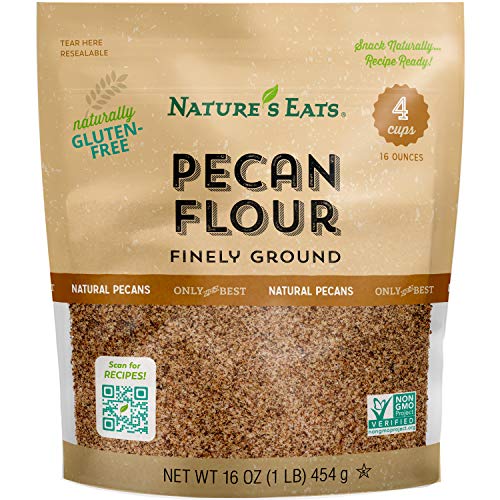
Nature’s Eats Pecan Flour, 16 oz, Finely Ground

Great River Milling Blanched Almond Flour, 4 lb

Nature’s Eats Cashew Flour, Finely Ground, 32 Ounce
The Strengths Of Each Pick
Blue Diamond’s 48-ounce bag is the closest thing to a default almond flour for a lot of home kitchens, and there’s a reason it shows up in so many pantries. The almonds are blanched, meaning the brown skins are removed before grinding, then sifted fine enough to disappear into batters without leaving gritty spots in a finished cake or pancake.
If you bake cookies every weekend or rotate through low-carb breads on a regular schedule, the bulk size means fewer reorders and a steadier texture batch to batch. Compared to the smaller 16-ounce format, this bag gives you the same flour with a noticeable reduction in packaging per ounce, which is useful for anyone baking two or more times a week.
Why It Works Well
- Finely sifted texture that blends cleanly into batters and doughs
- Large 48-ounce bag suits frequent bakers and reduces repackaging
- Blanched almonds keep baked goods looking light, not speckled
- Wide availability makes restocking straightforward
- Works in keto, paleo, and standard gluten-free recipes
Things To Consider
- Large bag means you should plan to use it within a few months of opening to keep flavor fresh
- Texture is fine but not as ultra-smooth as pastry-grade options, so macaron shells may be a touch grainy
Key Product Details
Best Suited To
Home bakers who work through almond flour steadily and want a reliable, widely stocked brand for everyday cookies, pancakes, and quick breads.
Look Elsewhere When
You lean toward pastry-grade texture and want the absolute smoothest grind, in which case Wellbee’s Almond Flour is a tighter fit for delicate work.
Anthony’s keeps the ingredient list short, and the bag advertises what matters: California almonds, batch-tested gluten-free status, and steam pasteurization, a heat treatment that reduces microbial risk without chemical agents. The result is a flour that reads as one ingredient rather than a science experiment.
For anyone running a low-carb or paleo kitchen, the certifications and clean sourcing make life easier. Compared to Blue Diamond’s larger 48-ounce bag above, this 4-pound format hits a middle ground that’s easier to finish before the oils in the almonds start to turn.
The Upside
- Single-ingredient sourcing from California almonds
- Steam pasteurized for a cleaner safety profile
- Batch tested and labeled gluten free
- Finely ground texture suited to batters and crusts
Worth Noting
- Once opened, the bag should be stored sealed and cool to slow natural oil oxidation
- Grind is fine but a step behind the ultra-smooth pastry-grade options if you want glassy macarons
Made For
Keto and paleo home cooks who care about ingredient transparency and want a versatile bag for cookies, breads, and coating proteins.
Skip It When
You bake macarons or other ultra-smooth pastry and want the finest possible grind, in which case Anthony’s Culinary Grade 5 lb is a tighter match.
Wellbee’s markets its grind as “super fine,” and the bag behaves accordingly. When you pinch it between your fingers, it feels closer to powdered sugar than to coarse meal, which is exactly what you want for shells, financiers, and other bakes that punish any grittiness.
If you’ve been frustrated by almond flour that leaves a sandy mouthfeel in cakes, the smaller particle size here tends to dissolve into batters more completely. Compared to Anthony’s 4-pound bag above, this 2-pound format is friendlier for occasional bakers who only reach for pastry-grade texture now and then.
Everyday Advantages
- Extra-fine grind helps deliver a smooth, less grainy crumb in delicate bakes
- Blanched almonds keep color clean and consistent
- Smaller 2-pound bag suits bakers who don’t burn through flour fast
Points To Note
- Premium texture comes in a smaller bag, so heavy bakers may run out quickly
- Extra-fine grind can clump if humid; sift before measuring for best results
Quick Facts
Whose Shelf It Belongs On
Pastry-focused bakers who want the smoothest texture for macarons, financiers, and tender almond cakes.
Reach For A Different Pick When
You mainly bake rustic cookies, breads, and pancakes, in which case Bob’s Red Mill Blanched Almond Flour is a more forgiving everyday fit.
Bob’s Red Mill is a name many home bakers already trust, and this 32-ounce bag leans into that familiarity. The flour is ground from whole blanched almonds and milled to a texture that handles a wide range of recipes without demanding special technique.
For beginners building out a gluten-free pantry, the brand recognition removes one variable from the learning curve. Compared to Wellbee’s ultra-fine grind above, this one is a touch more forgiving in rustic bakes, so your first loaf or batch of cookies is less likely to punish a small mistake.
A Few Highlights
- Trusted brand recognition helps new almond flour bakers feel confident
- Versatile grind performs in cookies, quick breads, and pancakes
- Whole blanched almonds give a clean, light color in batters
- Available in 16 oz and 32 oz formats for flexible stocking
Honest Caveats
- Texture is solid but not as fine as pastry-grade options, so very delicate shells may need extra sifting
Who It Suits Best
Beginners stocking a gluten-free pantry who want a forgiving, recognizable brand for everyday baking projects.
Swap It Out When
You start tackling macarons or other pastry projects demanding the smoothest possible grind, in which case Wellbee’s Almond Flour is a sharper match.
For shoppers who put organic sourcing at the top of the list, Anthony’s offers a 1-pound bag made from USDA-certified organic blanched almonds. The flour is steam pasteurized and batch tested, so you get the same clean handling as the brand’s larger conventional bag above, just in a smaller organic format.
The 1-pound size also makes it easier to use a bag up before the natural oils in the almonds start to taste stale. Compared to the 4-pound conventional bag from the same brand, this one trades volume for an organic label, which matters more for some kitchens than others.
Where It Excels
- USDA-certified organic almonds
- Smaller 1-pound bag reduces the chance of staleness in low-use kitchens
- Steam pasteurized and batch tested gluten free
- No preservatives or artificial ingredients in the bag
Soft Spots
- Smaller bag means a higher cost per ounce than larger conventional options
- Organic supply can occasionally be tight, so reorders may not always be immediate
Perfect Match For
Clean-label home cooks who prioritize organic ingredients and bake in modest weekly batches.
Consider Something Else When
You need a large, frequently replenished supply, in which case Anthony’s 4 lb Blanched Almond Flour is the more practical workhorse.
Anthony’s Culinary Grade is a 5-pound bag aimed at bakers who go through almond flour the way some households go through all-purpose. The grind is extra-fine, and the brand positions it as a fit for macaroons and other delicate pastry work where texture really shows.
Compared to the 4-pound bag earlier in this list, the 5-pound size adds another week or two of breathing room for heavy schedules. The catch, as with any large bag of nut flour, is that you need a cool, dry storage plan to keep the natural oils from going off before you finish it.
Positive Takeaways
- 5-pound format supports heavy weekly baking without constant reorders
- Extra-fine culinary grind aimed at macarons and delicate pastry
- Made from California almonds with a single-ingredient label
- Steam pasteurized for a cleaner safety profile
Practical Considerations
- Large bag requires airtight, cool storage to prevent the natural oils from turning
- Heavy users will get full value; light bakers may prefer the 1 lb or 2 lb alternatives
Feature Snapshot
Who Should Grab It
High-volume bakers running pastry programs, weekend cookie marathons, or weekly meal-prep baking.
Where Another Pick Suits Better
You only bake occasionally and want a smaller bag, in which case Anthony’s Organic 1 lb is a smarter, fresher-feeling option.
Nature’s Eats ships a 64-ounce bag of blanched almond flour, which lands on the higher-volume end of this list. The format is built for bakers who treat almond flour as a pantry staple rather than a specialty ingredient, and the brand keeps the product description simple.
If your kitchen goes through multiple pounds a month, the 64-ounce size helps keep trips to the retailer down. Compared to the Anthony’s 5-pound bag above, this one offers a different sourcing story, so the choice between them often comes down to brand preference and how you feel about a 4-pound-versus-5-pound step in size.
Useful Touches
- Large 64-ounce bag covers heavy monthly use in one purchase
- Blanched almonds for a clean color in baked goods
- Simple, nut-only ingredient focus
Factors To Consider
- Big bag needs cool, sealed storage to keep the oils from going stale
- Spec details are limited, so bakers chasing specific certifications may want a more documented option like Great River Milling
Right Fit For
Volume bakers who want a sizeable bag of plain blanched almond flour without paying a premium for organic or pastry-grade labels.
Not Your Match When
You want organic certification or a clearly labeled grind profile, in which case Anthony’s Organic 1 lb offers stronger documentation.
Switching gears from almond to pecan changes the whole flavor profile of a bake. Nature’s Eats ships a 16-ounce bag of finely ground pecan meal, marketed as a gluten-free and grain-free option for keto-friendly cooking. The fine grind keeps the texture light enough to blend into pancakes, muffins, cookies, and pie crusts without weighing them down.
For anyone who finds almond flour too neutral, pecan flour brings a toasty, buttery note to whatever it touches. Compared to the almond options above, this is a specialty tool rather than a daily driver, so it earns a place next to the almond bag rather than replacing it.
Points In Its Favor
- Pecan flavor adds richness to pies, muffins, and pancakes
- Fine grind blends smoothly into batters and crusts
- Gluten free, grain free, and vegan friendly
A Few Limitations
- Distinct pecan flavor can clash with recipes calling for a neutral flour base
- Smaller 16-ounce size and a stronger flavor make it a complement, not a substitute, for an almond bag
Core Details
Built With In Mind
Home bakers making pecan-forward recipes like pie crusts, muffins, and pancakes who want a richer nut flavor than almond flour delivers.
A Better Fit Elsewhere
You want a neutral, all-purpose flour for cookies and breads, in which case Blue Diamond Almonds Almond Flour is a more versatile workhorse.
Great River Milling positions this 4-pound bag as a fine-ground blanched almond flour built for cookies, cakes, muffins, macarons, pancakes, and breading, which is about as broad a list as any almond flour carries. The brand also stacks up the dietary labels shoppers tend to compare: non-GMO, kosher, gluten free, vegan, and glyphosate free.
For anyone trying to align multiple dietary needs in a single bag, the certification list is a strong point. Compared to Anthony’s 4 lb bag earlier, this one reaches a wider set of dietary preferences in a single product, though texture behavior is broadly similar for most home recipes.
What Stands Out
- Stack of dietary certifications including non-GMO, kosher, and glyphosate free
- Fine grind aimed at a wide range of recipes from macarons to breading
- 4-pound size suits regular bakers without being overwhelming
Possible Compromises
- Newer listing with less brand familiarity than legacy names on this list
- 4-pound bag still needs cool, sealed storage to keep oils fresh over time
Who Will Love This
All-purpose home bakers who want one bag of almond flour that covers cookies, cakes, pancakes, and protein breading across multiple dietary preferences.
Where A Sibling Pick Shines
You bake at very high volume and want a 5-pound bulk option, in which case Anthony’s Culinary Grade 5 lb is a slightly larger alternative.
Cashew flour rounds out the list with a different character than almond. Nature’s Eats ships a 32-ounce bag of finely ground cashew flour that’s non-GMO Project Verified, all natural, and designed for both sweet and savory uses. Cashews bring a naturally creamy, slightly sweet profile that works especially well in sauces, soups, and creamy baked goods.
If almond flour leans neutral, cashew flour leans mellow and rich. Compared to the almond options throughout this list, this one behaves more like a thickener for liquid dishes than a structural flour, so it earns a place as a complement rather than a swap.
Features That Help
- Creamy cashew flavor suited to sauces, soups, and creamy bakes
- Finely ground texture blends smoothly into liquids
- Non-GMO Project Verified
Things To Weigh
- Cashew flavor is distinct, so it’s not a neutral swap for almond flour in every recipe
- Like other nut flours, opened bags benefit from cool, sealed storage to keep the oils fresh
Feature Overview
Made For
Home cooks building creamy sauces, soups, and softer baked goods who want a mellower nut flour alongside their almond options.
Consider Something Else When
You need a structural flour for cookies and breads, in which case Bob’s Red Mill Blanched Almond Flour handles that role more reliably.
What To Weigh Before Choosing Almond Flours
Grind Size And How It Bakes
Grind size is the single biggest variable in how almond flour behaves. Fine grinds, like Wellbee’s or Anthony’s Culinary Grade, dissolve into batters cleanly and are better for pastry work where graininess shows. Coarser grinds are more forgiving in rustic cookies and quick breads, where a little texture actually helps the crumb.
The trade-off is that finer flours tend to clump in humid kitchens, so a quick sift before measuring is a habit worth building. Coarser grinds don’t clump as easily but can leave sandy spots in delicate bakes like financiers or macarons.
Blanched Versus Unblanched
Blanched almond flour has the brown skins removed before grinding, which gives a lighter color, milder flavor, and finer texture. Almost every bag in this list is blanched, and for most home baking that’s what you want, especially for pale cakes, white cookies, and frostings.
Unblanched almond flour keeps the skins, which means more fiber, a slightly more rustic flavor, and small brown flecks in the finished bake. It’s a valid choice for hearty breads and rustic cookies, but it’s a different product, not just a coarser version of the same thing.
Sourcing And Dietary Labels
Sourcing matters more in almond flour than in some other pantry staples because almonds vary in quality and growing region. Bags that call out California almonds, single-ingredient sourcing, and steam pasteurization (a heat treatment that reduces microbial risk) give you a clearer picture of what you’re buying.
Dietary labels, including organic, non-GMO, gluten-free, kosher, and glyphosate-free, are useful shortcuts when you need to match specific kitchen rules. The trade-off is that more certifications often come with a higher cost per ounce, so the right answer depends on which labels you actually need.
Bag Size And Storage Reality
Almond flour is high in natural oils, and those oils go stale faster than wheat flour does. A 48-ounce or 64-ounce bag is only a smart buy if you actually bake through it within a few months of opening, and if you can store it in a cool, sealed container.
Smaller bags, like the 1-pound and 2-pound options in this list, cost more per ounce but reduce the chance of waste. For occasional bakers, a smaller bag often ends up being the better value once you account for what gets thrown away.
Key Considerations Across These Picks
Common Shopping Slip Ups
A frequent mistake is grabbing a blanched almond flour for a recipe that actually wants an unblanched or almond meal, which is a coarser grind. The two behave very differently, and the result is a bake that looks and feels off.
Another trap is choosing the largest bag to save on cost per ounce, then watching it sit in the pantry long enough to lose its fresh flavor. Match the bag size to how fast you actually bake, not to the per-ounce math alone.
Where The Extra Money Goes
Premium pricing on almond flour usually reflects a finer grind, organic sourcing, or stacked dietary certifications. For delicate pastry work, the extra smoothness is genuinely worth the cost because the texture shows in every bite.
For everyday cookies, pancakes, and quick breads, a more standard grind handles the job just fine, so the upgrade is harder to justify. The honest read is that the higher tier earns its keep in projects where texture is the point, and matters less when the flour is acting as a background ingredient.
Frequently Asked Questions
How Long Does Almond Flour Stay Fresh?
Unopened almond flour typically stays at peak quality for several months past the production date. Once opened, plan to use it within a couple of months and store it sealed in a cool, dark place, or in the freezer for longer holds.
Can I Substitute Almond Flour One-For-One For Wheat Flour?
Not directly. Almond flour lacks gluten, the wheat protein that gives traditional baked goods their structure and chew, so a 1:1 swap usually produces a denser, more crumbly result. Recipes built for almond flour account for this with extra eggs, binders, or different ratios.
Is Almond Flour Good For Keto And Low-Carb Diets?
Yes, almond flour is naturally low in carbs and high in protein and fat, which is why it shows up in most keto and low-carb baking recipes. The texture is different from wheat flour, so expect a softer crumb and a more tender bite.
What Is Blanched Almond Flour?
Blanched almond flour is made from almonds that have had their brown skins removed before grinding, which produces a lighter color and finer texture. Most bags in this list are blanched, and that’s the right call for most home baking projects.
Should I Refrigerate Or Freeze Almond Flour?
Refrigeration is fine for short-term storage, but freezing is the safer long-term option because cold temperatures slow the natural oils in the almonds from going stale. Keep the bag well sealed so moisture and odors don’t transfer.
Final Verdict
The right almond flour depends less on brand loyalty and more on what you bake and how often. Heavy bakers will get the most out of bulk 4- and 5-pound bags from Anthony’s or Blue Diamond, while occasional bakers tend to be happier with smaller 1- and 2-pound formats from Wellbee’s or Anthony’s Organic.
For delicate pastry work, prioritize a fine grind like Wellbee’s or Anthony’s Culinary Grade. For everyday cookies, pancakes, and quick breads, a standard blanched bag from Blue Diamond or Bob’s Red Mill handles the job without drama. Pick the bag that matches your baking pace, store it sealed and cool, and your pantry will be ready for whatever recipe comes next.
