

A good cocoa powder quietly shapes everything from a simple mug of hot chocolate to a fudgy midnight brownie. The shelf holds dozens of bags and cans that look nearly identical, yet the difference between a flat, chalky bake and a deeply chocolatey one often comes down to the powder in the tin. Whether you bake on weekends with your kids or pull trays from the oven every Saturday, the right cocoa makes the work taste like more than the effort.
The shortlist below sorts the standouts from the basics. You’ll find Dutch-process workhorses for European-style cakes, a high-fat option for serious chocolate projects, a 25-ounce jug built for volume bakers, and an organic raw cacao for smoothies and clean-label baking. Each pick is matched to a specific kind of kitchen, so you can grab the one that fits how you actually bake.
How The Shortlist Stacks Up

Nestle Toll House Baking Cocoa 8 oz 2-Pack

Droste Dutch Style Cocoa Powder 8.8 oz 3-Pack
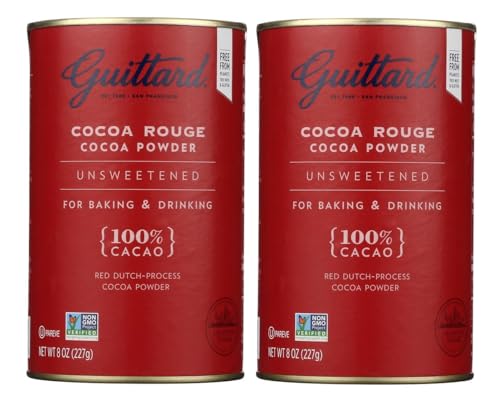
Guittard Rouge Red Dutch Process Cocoa 8 oz 2-Pack

Modern Mountain Dutch Process Cocoa Powder 1 lb

King Arthur Double Dark Cocoa Powder 14 oz

King Arthur Triple Cocoa Powder Blend 14 oz

Rodelle Gourmet Baking Cocoa 25 oz
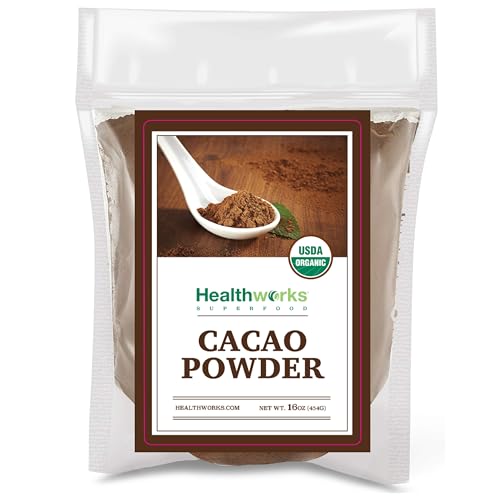
Healthworks Organic Cacao Powder 1 lb
A Deeper Look At The Lineup
This is the cocoa most American pantries grew up with, and the two-pack format extends that reliability across a few months of weekend baking. The texture is fine and the color is a balanced medium brown, which means it disappears into batters without leaving streaks or dusty pockets.
For a kitchen running on family recipes written in handwriting on index cards, this cocoa behaves the way those recipes expect. Cookies brown predictably, brownies set with that classic crackled top, and hot cocoa stirs into milk without clumping. The 8-ounce size is approachable for smaller households that don’t want a giant can aging on the shelf.
What It Does Well
- Two-pack format keeps a fresh backup sealed until you need it.
- Kosher-certified, which matters for households that follow those guidelines.
- Predictable performance in cookies, brownies, and quick breads where the recipe wasn’t written for Dutch-process cocoa.
- Familiar mild chocolate profile that kids tend to accept without complaint.
- Fine grind blends into cold milk for hot cocoa with no gritty bottom.
Things To Consider
- Labeled simply as “cocoa” rather than Dutch-process, so it leans more acidic and a touch sharper in European-style cakes.
- The 8-ounce size means heavy bakers run through it quickly and may find themselves reordering often.
Feature Snapshot
Right Fit For
Home bakers who rely on older family recipes and want a no-surprise cocoa that disappears cleanly into batters and frostings.
Look Elsewhere When
You’re baking European-style cakes with baking soda, in which case the Droste Dutch Style Cocoa Powder 8.8 oz 3-Pack will react more predictably with your leavening.
Droste is one of the older names in Dutch cocoa, and that heritage shows in the way this powder behaves. Dutch-process cocoa is treated with an alkali to neutralize the natural acidity, which produces a darker color, a rounder flavor, and a smoother finish in baked goods. This is the cocoa you reach for when a recipe specifically calls for European-style or Dutched cocoa.
The three-box format adds up to about 26 ounces of powder, which suits a household that bakes often and doesn’t want a single opened tin sitting around too long. The flavor leans toward dark chocolate rather than fruity or sharp, so it pairs well with bittersweet ganache, mirror glazes, and dense tortes where you want the cocoa to read clearly on the tongue.
What Helps Most
- Alkalized Dutch-process profile that pairs with baking soda and baking powder formulas.
- Deep brown color that holds its hue even after a long bake.
- Mellow, dark-chocolate flavor without the sharp edge of natural cocoa.
- Three-box format keeps fresh stock on hand for several months.
Worth Noting
- Recipes that depend on cocoa’s natural acidity for leavening (some older cake recipes calling for baking soda) may not rise the same way with this Dutch-process style.
- Three boxes take up more pantry space than a single canister, which matters in smaller kitchens.
Who It Suits Best
Bakers following European-style recipes, baking buttercreams, or making hot chocolate with a smooth, dark finish.
Consider Something Else When
You want a single-ingredient organic option for smoothies and clean-label baking, in which case the Healthworks Organic Cacao Powder 1 lb is a stronger match.
Guittard’s Rouge Red sits in a category of its own. This is a Dutch-process cocoa that is roasted and blended to bring out a distinctly reddish-brown hue, the kind you see in classic red velvet cakes and certain European drinking chocolates. Where standard Dutch cocoa leans neutral-dark, Rouge Red keeps a warm, almost berry-tinged cast.
The two-pack format and 8-ounce can size make it easy to store alongside your everyday cocoa without committing to a giant jug. If you’ve ever pulled a red velvet from the oven and found it brown instead of brick-red, swapping in Rouge Red is often the fix. It also works as a conversation-piece drinking chocolate for guests who notice flavor nuance.
A Strong Showing
- Distinctive red-mahogany color that carries through baking without fading.
- Complex flavor profile that reads as fruitier and less one-dimensionally bitter.
- 8-oz can keeps the powder protected from light and moisture between uses.
- Two-pack extends supply for repeat red velvet and specialty projects.
Trade Offs
- The specialty color is wasted in recipes where cocoa disappears into a dark batter like black cake or intense brownies.
- Smaller can size means you may reorder more often if you bake frequently.
Made For
Bakers chasing that classic red velvet hue and anyone exploring drinking chocolates with a more layered, less bitter cup.
Skip It When
Your priority is a high-fat, deeply fudgy brownie base, in which case the Modern Mountain Dutch Process Cocoa Powder 1 lb serves you better.
The standout detail on this Modern Mountain bag is fat content. At 22-24% cocoa butter, it sits noticeably above the typical 10-18% range of standard cocoa powders. More fat means a rounder mouthfeel, more body in hot chocolate, and a fudgier crumb in brownies and cakes. It is a Dutch-process powder, so the flavor skews mellow rather than sharp.
Coming in a one-pound pouch, this is built for projects where cocoa plays a starring role: chocolate ganache, dense flourless cakes, thick frostings, and ice cream bases. In most home kitchens, a pound goes a long way, and the pouch format is easy to scoop from. The non-GMO label is a useful marker for shoppers who track ingredient sourcing.
Real-World Strengths
- 22-24% fat content delivers noticeably riper chocolate flavor than standard cocoa.
- Dutch-process profile smooths out bitterness for crowd-friendly desserts.
- One-pound pouch offers strong value for frequent chocolate bakers.
- Non-GMO label aligns with cleaner ingredient lists.
Points To Keep In Mind
- A flexible pouch is harder to reseal perfectly than a rigid can, so transfer to an airtight container is a smart move for long-term storage.
- Higher fat content means the powder can clump more readily in humid kitchens.
Technical Sheet
Best Suited To
Bakers who treat chocolate as the headline ingredient and want fudgy brownies, glossy ganache, and rich frostings from a single bag.
Not Your Match When
You mostly bake quick family cookies and want a gentler, kid-friendly flavor, in which case the Nestle Toll House Baking Cocoa 8 oz 2-Pack is the easier everyday choice.
Double Dark is King Arthur’s answer to bakers who want a cocoa that pushes past ordinary Dutch-process into genuinely dramatic territory. It includes black cocoa, the same heavily alkalized powder used to color Oreo-style fillings and dark cookie crumbles. The result is a near-black powder that turns batters and doughs deep, dark, and almost ink-colored.
The 14-ounce bag is a comfortable middle size, enough to experiment with a batch of dark chocolate cookies and still have powder left for ganache or dusting. If you want that bakery-style contrast between a dark cookie and a pale marshmallow center, this blend gets you there without reaching for a separate bag of specialty black cocoa.
Strengths Worth Knowing
- Black cocoa inclusion produces dramatic color in cookies, cakes, and fillings.
- 14 oz resealable bag holds up across multiple baking sessions.
- Works as a one-bag solution for bakers who don’t want to blend two cocoas.
Honest Caveats
- The deep color can overwhelm recipes where you actually want a milkier, warmer brown finish.
- Flavor skews toward roasty-bitter, so sensitive palates may want to mix it with a milder cocoa.
Who Will Love This
Bakers chasing those dramatic dark cookies and fillings, and anyone building a layer cake with a high-contrast look.
Another Choice May Suit
You want a versatile, all-purpose cocoa that won’t darken everything it touches, in which case the King Arthur Triple Cocoa Powder Blend 14 oz is the gentler sibling on this list.
Where Double Dark goes bold, Triple Cocoa stays balanced. This is King Arthur’s everyday Dutch-process blend, designed to deliver reliable color and flavor across a wide range of recipes without pushing into extreme territory. Think of it as the cocoa you’d hand a new baker who wants a single bag to cover most jobs.
The 14-ounce resealable bag is the right size for a household that bakes a few times a month. It opens cleanly, closes flat, and the powder inside measures out smoothly with a spoon. The result is the kind of quietly competent baking ingredient that earns a permanent spot on the shelf rather than getting replaced every time a new product trends.
Notable Upsides
- Versatile all-purpose blend that suits cookies, cakes, frostings, and hot cocoa.
- Consistent Dutch-process flavor across batches.
- 14 oz resealable bag keeps the powder fresh between uses.
Points To Note
- Lacks the dramatic color of the Double Dark blend, so it won’t deliver those Oreo-style visuals.
- Doesn’t carry a single-origin or specialty claim for bakers who want that story on the label.
Perfect Match For
Anyone who wants one dependable bag of Dutch-process cocoa that handles the majority of standard chocolate recipes without surprises.
Where Another Pick Shines
You’re aiming for the darkest possible cookie or cake, in which case the King Arthur Double Dark Cocoa Powder 14 oz pushes further in the same product line.
Rodelle’s 25-ounce jug is built for volume. This is the bag you grab when you know you’ll be making big batches of hot cocoa for a holiday party, churning through a season of holiday cookies, or stocking a vacation-house kitchen for a long stretch of family baking. The Dutch-process style keeps the flavor rounded and dark, so the cocoa reads clearly in milk without needing extra sugar to compensate.
Coming in at over a pound and a half, the size pays off if you actually use it. The container is designed to keep the powder fresh once opened, which matters more for large formats than for small tins. For infrequent bakers, the size can outpace demand, so it’s worth gauging how quickly you’ll work through it before committing.
Where It Helps
- 25-ounce format is well-suited to entertaining and frequent baking.
- Dutch-process profile produces a rich, dark cup of hot cocoa.
- 100% cacao ingredient list keeps the label straightforward.
Less Ideal Details
- The large size can lose freshness if a low-volume household works through it slowly.
- Container footprint is larger than typical cocoa tins, which matters in tight pantries.
Who Should Grab It
Entertainers, large families, and anyone running through cocoa by the jar through the holiday baking season.
Reach For A Different Pick When
You bake occasionally and want a smaller, easier-to-finish package, in which case the Nestle Toll House Baking Cocoa 8 oz 2-Pack is a better volume match.
Healthworks’ cacao is the outlier on this list, and that’s the point. This is a raw, cold-pressed cacao powder rather than a Dutch-process or natural cocoa. It carries the deeper, slightly bitter edge of unroasted cacao, which is what makes it popular in smoothies, energy bites, chia puddings, and clean-label baking.
The 1-pound bag is a generous size, and the organic, vegan, non-GMO label set covers a lot of common dietary preferences at once. For households that blend cacao into morning drinks or use it sparingly in baking, the bag is steady value. Keep in mind that raw cacao behaves differently from Dutch cocoa in classic cake formulas, so it’s worth treating it as a separate pantry tool rather than a drop-in replacement.
Advantages To Know
- Organic, vegan, and non-GMO labels line up with clean-eating preferences.
- Raw cacao adds intensity to smoothies, overnight oats, and energy bites.
- One-pound bag offers strong value for everyday blended use.
Practical Considerations
- Raw cacao is more bitter than Dutch-process cocoa, so recipes written for Dutch cocoa may need sweetness adjustments.
- The flavor profile can feel too intense in delicate cakes where you want a softer chocolate note.
Feature Card
The Right Fit
Shoppers building smoothies, energy bites, and clean-label recipes who want a single organic ingredient to do the chocolate work.
Swap It Out When
Your main goal is a classic brownie or buttercream, in which case the Modern Mountain Dutch Process Cocoa Powder 1 lb is the smoother, sweeter-routed option.
What Matters Most When Choosing Baking Cocoas
Dutch-Process Versus Natural Cocoa
Dutch-process cocoa has been treated with an alkali to neutralize its natural acidity. The result is darker color, smoother flavor, and a more mellow cup of hot chocolate. Natural cocoa keeps that acidity, which is what some old recipes rely on to react with baking soda. Choosing between them often comes down to which recipes you actually bake. A household that follows European-style formulas benefits from a Dutch-process bag, while a kitchen running on American family recipes may do better with a standard natural cocoa.
Fat Content And Mouthfeel
Cocoa powder fat content, the cocoa butter left in after pressing, shapes the final texture. A 10-12% fat cocoa works fine for a basic cake, but a 22-24% fat cocoa gives brownies, ganache, and drinking chocolate a rounder, fuller body. Higher fat is also more sensitive to humidity, so airtight storage becomes more important as the fat percentage climbs.
Color And Visual Impact
Cocoa powders span a wide color range, from medium brown to near-black. A reddish Dutch-process cocoa is the right pick for red velvet batters, a dark black-cocoa blend delivers Oreo-style contrast, and a balanced brown powder is the safe default for everyday baking. If visual contrast matters, look for blends that specifically mention black cocoa or rouge-style roasting.
Format, Storage, And Pantry Habits
Bag, can, and multi-pack formats each have trade-offs. Cans reseal tightly and protect powder from moisture, but they take up fixed shelf space. Bags are more flexible to store, though transfer to an airtight container is wise for long-term freshness. Multi-packs help with freshness rotation, since you can keep one closed until the other is finished.
Key Considerations Across These Picks
Mistakes Worth Dodging
The most common slip in this category is treating cocoa and cacao as interchangeable. Raw cacao is more bitter and less sweet than Dutch-process cocoa, so dropping it into a recipe written for Dutch cocoa will land flat or sharp. Another frequent miss is ignoring the recipe’s leavening. If a recipe calls for baking soda and natural cocoa, swapping in Dutch-process cocoa can throw off the rise because Dutch-process is more neutral. Reading the label for processing style saves a lot of troubleshooting.
Where The Extra Money Goes
Higher-end cocoa tends to buy three things: more cocoa butter left in the powder, more careful sourcing, and a more specific flavor profile. A 22-24% fat cocoa makes richer brownies and more velvety hot chocolate than a standard 10% fat powder. Specialty blends like rouge-red or black-cocoa mixes are built for visual impact, which matters when contrast is part of the dessert’s appeal. For casual family baking, an everyday cocoa does the job. For chocolate-forward projects, the upgrade is usually worth the spend.
Frequently Asked Questions
What’s the difference between cocoa and cacao powder?
Cacao powder is usually made from unroasted, cold-pressed beans and tends to taste more bitter and intense. Cocoa powder is typically roasted and may be Dutch-process, giving it a rounder, mellower flavor suited to most baking recipes.
Is Dutch-process cocoa better for baking?
Not better in every case, but better for specific recipes. Dutch-process cocoa pairs with baking powder and is the right choice for European-style cakes, dark frostings, and recipes where a smooth chocolate flavor is the goal. Natural cocoa is the better match for recipes that depend on its acidity to react with baking soda.
How should I store cocoa powder to keep it fresh?
Keep it in a cool, dry spot, sealed away from moisture and strong odors. A rigid airtight can is the easiest defense against humidity, though a clipped bag inside a container works well too. Most cocoa stays at its best for a year or so once opened.
Can I substitute one cocoa powder for another in a recipe?
You can, but expect small differences. Swapping a Dutch-process cocoa into a recipe written for natural cocoa may produce a denser crumb and softer rise. Going from low-fat to high-fat cocoa will give you a fudgier, richer result, which is usually a plus in brownies and frostings.
Does fat content really change how brownies taste?
Yes, in a noticeable way. Higher fat cocoa carries more of cocoa butter’s round, mellow character, which gives brownies a fudgier bite and a deeper chocolate finish. Lower fat cocoa produces a leaner, more cake-like crumb, which some bakers prefer for certain textures.
The Takeaway
The right cocoa is the one that matches how you actually bake. A family kitchen running on handwritten recipes will feel at home with the Nestle Toll House two-pack, while a chocolate-focused baker will get more from the Modern Mountain high-fat pouch. Match the processing style, fat content, and format to the recipes you reach for most, and the rest takes care of itself.
