

A great cake starts with the right bag of flour, and the difference between a tender crumb and a dry, dense one often hides in that single pantry choice. Cake flour, all-purpose, nut-based blends, and gluten-free substitutes each bring something distinct to the mixing bowl, and matching the flour to the bake matters more than most home cooks realize. This roundup sorts through ten popular options covering classic layer cakes, gluten-free baking, and alternative flours for nut-forward desserts, so you can pick the one that suits your recipe, your diet, and your weekend plans.
The Leading Options At A Glance

Bob’s Red Mill Gluten Free 1-to-1 Baking Flour, 22oz (4 Pack)
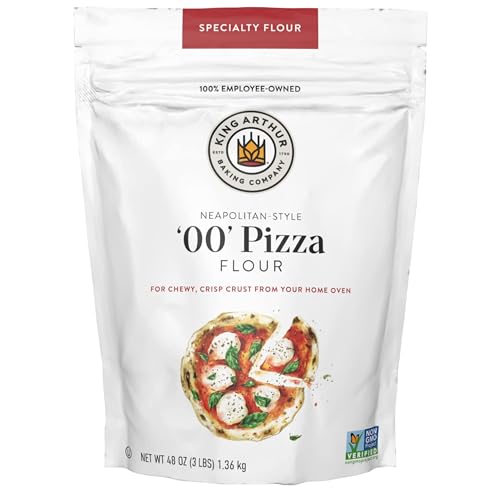
King Arthur 00 Pizza Flour, 3 lb Bag

Antimo Caputo Chef’s Flour 2.2 lb (Case of 10)

Bob’s Red Mill Cake Flour, 3lb
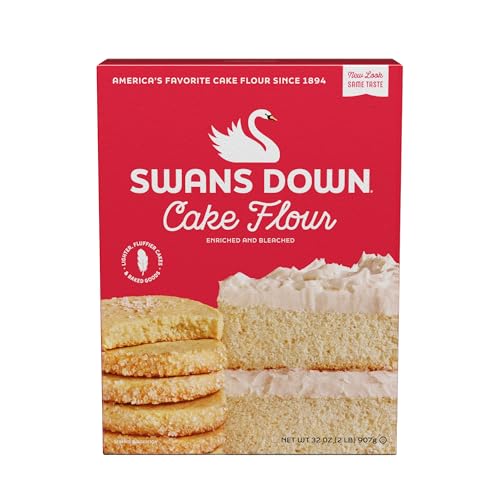
Swans Down Regular Cake Flour 32oz (Pack of 4)

Nature’s Eats Blanched Almond Flour, 64 Ounce

Bob’s Red Mill Self-Rising Flour, 3lb
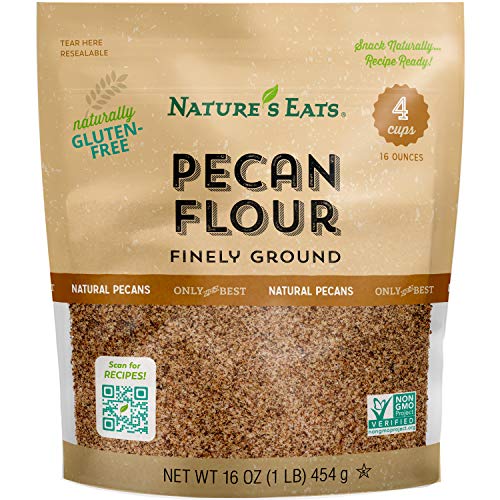
Nature’s Eats Pecan Flour 16 oz

Bob’s Red Mill All Purpose High Fiber Flour, 3lb

Nature’s Eats Cashew Flour Finely Ground, 32 Ounce
Why These Options Stand Out
Baking without wheat is no longer the headache it used to be, and this blend leans into that reality. The 1-to-1 ratio means you swap it cup-for-cup into recipes that were written with regular all-purpose flour, so a familiar chocolate layer cake or banana bread recipe translates without rebuilding the whole formula.
For anyone managing celiac disease or baking for a gluten-free household, that simplicity matters. The four-pack format also keeps the pantry stocked for several baking sessions, which most home bakers will appreciate when weekend cakes keep appearing on the calendar.
Where It Excels
- Drop-in replacement for standard wheat flour in most recipes, so existing cookbooks stay useful
- Built for tender cake batters, pancakes, muffins, and brownies without gritty texture
- Processed in a dedicated gluten-free facility, which reduces cross-contact worry for sensitive households
- Four-pack bulk format lowers the per-bag cost and keeps multiple bags sealed for freshness
Worth Noting
- Starch-heavy blends can produce a slightly softer crumb in cookies, so expect a different bite than wheat-based versions
- Storage in a cool, dry pantry is essential, since the four bags can lose freshness if one sits open too long
Right Fit For
Gluten-free home bakers who want a single flour that handles cakes, muffins, and pancakes with minimal recipe rework.
Where Another Pick Suits Better
Shoppers who bake classic wheat layer cakes and want the lightest possible crumb should reach for Bob’s Red Mill Cake Flour, which is milled specifically for that texture.
The 00 label refers to the grind, not the wheat, and that distinction shapes everything about how this flour behaves in the bowl. King Arthur mills it extra fine from American-grown wheat, producing a powder that absorbs liquid differently than standard all-purpose and gives batters a silkier pour.
Where most home bakers notice the difference is in delicate cakes and tender quick breads. The fine texture helps prevent tough crumb in pound cakes, and it gives financiers and madeleines a finer grain without extra sifting.
Everyday Perks
- Extra-fine milling produces smooth, lump-free batters even with minimal whisking
- Non-GMO Project Verified, which appeals to shoppers watching ingredient sourcing
- Works across both pizza doughs and delicate baked goods, so one bag covers two kitchen roles
- 3 lb bag fits neatly in a standard flour canister without overflow
Trade Offs
- Lower protein than bread flour, so it isn’t ideal for chewy sandwich loaves
- Some bakers find the fine grind requires slightly less liquid than recipes written for all-purpose
Who It Suits Best
Bakers who want a versatile, fine-textured flour for tender cakes and pastry work without stocking two separate bags.
Swap It Out When
Home cooks who primarily bake sandwich bread or rolls will get more from a higher-protein option, and the Swans Down cake flour in this roundup is purpose-built for classic American layer cakes.
Twenty-two pounds of flour is a serious commitment, but for the right baker it removes the constant restocking cycle. Antimo Caputo’s soft-wheat 00 grind, sold here as a case of ten 2.2 lb bags, has earned a quiet reputation among cooks who stretch it beyond pizza dough.
Because the grind is so fine and the wheat soft, the flour handles delicate batters in a way that translates well to certain cake and pastry recipes. A test batch of biscotti or a light sponge cake will reveal the difference in chew and color.
Noteworthy Benefits
- 10-bag case delivers a meaningful cost advantage per pound over smaller formats
- Soft-wheat profile supports long fermentations, which carries over into flavor in slow-risen bakes
- 00 grind gives exceptionally smooth batters, useful for thin cake layers and crisp cookies
- Sealed individual bags extend shelf life once the case is opened
Small Caveats
- Storage space is a real concern, since 22 lb fills an entire pantry shelf
- Lower protein makes it a poor fit for traditional bread loaves that need a strong rise
Key Specs
Made For
Frequent home bakers with pantry room to spare who bake in volume and want soft-wheat flour on hand for multiple sessions.
Reach For A Different Pick When
Bakers with a smaller household or limited storage should consider the Swans Down 32 oz cake flour, which handles the same delicate textures in a friendlier size.
Cake flour earns its name by milling the wheat softer and finer than all-purpose, then keeping protein content low so gluten strands stay short. Bob’s Red Mill leans fully into that idea with this super-fine grind, and the result shows up most clearly in cakes built to be airy.
Sponge, chiffon, and angel food cakes all rely on a delicate structure that tougher flours would weigh down. This bag keeps that promise for bakers chasing tall, tender layers without resorting to a homemade cake-flour substitute.
Real-World Strengths
- Super-fine milling produces silken batters that pour cleanly into pans
- Excellent for sponge, chiffon, and angel food cakes where volume and tenderness matter
- Even hydration across the batch, which helps avoid dense spots in finished layers
- 3 lb bag is a manageable size for occasional bakers who still want dedicated cake flour
Points To Keep In Mind
- Not interchangeable with all-purpose in every recipe, so substitutions need rethinking
- Once opened, the bag benefits from a sealed container to keep moisture out
Best Suited To
Bakers who regularly make airy cakes like chiffon or angel food and want a dedicated flour that handles those recipes without workarounds.
Look Elsewhere When
Shoppers who mostly bake cookies, brownies, or quick breads can stay with an all-purpose option, and the Bob’s Red Mill Gluten Free 1-to-1 covers that crowd when wheat is off the table.
Swans Down has spent decades in American kitchens, and its plain cake flour has built that reputation for a reason. The bag contains pure soft wheat flour without added leavening or salt, leaving the rise and seasoning in the baker’s hands.
For someone who bakes a birthday cake every couple of months, a four-pack removes the worry of running out mid-recipe. The soft wheat profile produces the tender, even crumb that defines a classic yellow or white layer cake.
Useful Highlights
- Plain soft-wheat formula gives bakers full control over leavening and salt
- Trusted for scratch layer cakes, cupcakes, and tender pound cakes
- Four-pack stretches a single purchase across several baking events
- Consistent grind that holds up well in recipes expecting traditional cake flour behavior
Possible Compromises
- No added leavening means recipes must be adjusted if swapping in for self-rising flour
- Storing four 32 oz bags takes dedicated pantry real estate
Who Will Love This
Scratch bakers who want a reliable, no-frills cake flour for traditional layer cakes, cupcakes, and pound cakes.
Where A Sibling Pick Shines
Bakers chasing ultra-fine, super-soft textures for sponge and chiffon cakes may prefer Bob’s Red Mill Cake Flour, which is milled even finer for that application.
Almond flour bakes a different cake than wheat flour ever will, and once you accept that, the rewards are real. Nature’s Eats takes blanched almonds, skins removed, and grinds them into a fine, pale flour that lends a tender, slightly nutty crumb to everything from financiers to lemon almond cake.
The 64 oz size suits anyone who already knows they like baking with almond flour and burns through it. Smaller bags work for testing the waters, but a bag this size makes more sense after the first few bakes.
Notable Gains
- Blanched almonds produce a pale, mild-tasting flour that doesn’t overpower delicate flavors
- Large 64 oz format lowers per-ounce cost for regular almond-flour bakers
- Naturally gluten-free and grain-free, fitting into a wider range of diets
- Adds protein and healthy fats to bakes compared to white wheat flour
Less Ideal Details
- Not a direct substitute for wheat flour, so recipes need reworking and added structure
- Higher fat content means shorter shelf life, and refrigeration helps extend it
Quick Facts
Perfect Match For
Home bakers committed to grain-free and gluten-free cakes who already know how to structure recipes around nut flours.
Skip It When
Shoppers wanting an easy wheat-flour substitute for classic layer cakes should stay with the Bob’s Red Mill Gluten Free 1-to-1, which is designed to swap in without reformulation.
Self-rising flour bundles the dry ingredients that quick breads depend on, with leavening and salt already mixed in. Bob’s Red Mill built this bag for the cook who wants to skip a step or two without sacrificing a tender result.
It shines most in biscuits, pancakes, muffins, and simpler cakes where the recipe doesn’t need fine control over the rise. Measuring out a single cup and adding wet ingredients keeps the path short.
What Makes Sense
- Built-in leavening and salt cut prep time on weekday bakes
- Consistent rise in biscuits, muffins, and pancakes when the recipe is matched to it
- Single 3 lb bag is enough for several baking sessions without bulk-buy fatigue
Some Limits To Know
- Not a substitute for cake flour in delicate cakes, where lower protein and finer grind matter more
- Leavening loses potency over time once the bag is opened, so older bags may underperform
Built With In Mind
Busy home bakers making biscuits, pancakes, and muffins who value speed over recipe-level control.
A Better Fit Elsewhere
Anyone baking layer cakes or chiffon sponges will do better with the Bob’s Red Mill Cake Flour, which gives finer control over crumb and rise.
Pecan flour pulls double duty: it adds a clear, buttery flavor to a cake and still behaves like a serious baking ingredient. Nature’s Eats mills it to a fine texture, so the pecan taste shows up in every bite without leaving gritty bits behind.
For bakers chasing a Southern-style pecan cake or a maple-pecan quick bread, this bag brings that flavor without requiring a bag of whole pecans and a separate grinder.
A Favorable Mix
- Strong, distinctive pecan flavor that holds up after baking
- Finely ground texture blends into batters without grittiness
- Gluten-free, grain-free, and keto-friendly for restricted diets
- 16 oz size is a sensible starting point for new nut-flour bakers
Where It Is Less Suited
- Distinct flavor won’t suit every recipe, especially delicate vanilla or floral cakes
- Like other nut flours, it has a shorter shelf life once opened and benefits from cold storage
Whose Shelf It Belongs On
Bakers making nut-forward cakes, muffins, or quick breads where pecan flavor is meant to be the headline.
Not Your Match When
Shoppers wanting a neutral-tasting nut flour for everyday baking will find Nature’s Eats Blanched Almond Flour a quieter base for most cake recipes.
For bakers trying to add fiber without giving up the texture of a familiar cake, a high-fiber all-purpose blend offers a workable middle ground. Bob’s Red Mill built this bag around resistant starch, a prebiotic fiber that feeds gut bacteria, and aims to keep the eating experience close to standard all-purpose flour.
That makes it a natural fit for everyday muffins, flatbreads, and quick loaf cakes, where most bakers don’t want a noticeable change in taste or texture.
What Earns Its Place
- Resistant starch adds fiber without a heavy whole-grain flavor
- Behaves like all-purpose flour in most standard recipes, so bakers can swap with little fuss
- Supports flatter breads, muffins, and quick loaf cakes without dense results
Worth Bearing In Mind
- Not designed for airy sponge or chiffon cakes, where delicate structure matters more than fiber
- Texture is closer to all-purpose than to whole-wheat, so don’t expect a rustic chew
Who Should Grab It
Bakers focused on everyday nutrition who want to boost fiber in muffins, flatbreads, and loaf cakes without changing the family recipe much.
Consider Something Else When
Bakers building tall, tender layer cakes should pick up Swans Down Cake Flour, which prioritizes softness and rise over fiber content.
Cashew flour brings a creamier mouthfeel than almond, with a milder flavor that doesn’t fight the rest of the recipe. Nature’s Eats mills it fine, so the flour disappears into batters rather than sitting as visible flecks in a finished cake.
It’s a natural choice for plant-based bakers, since the non-GMO verification and vegan profile match a wide range of dietary preferences. The 32 oz bag is roomy enough to test several recipes before committing to a larger format.
Well-Handled Touches
- Fine grind blends cleanly into batters and frostings without graininess
- Non-GMO Project Verified and vegan, fitting into restrictive diets
- Mild, slightly sweet flavor that supports both chocolate and vanilla cake bases
- 32 oz size strikes a balance between testing and committing to nut-flour baking
Factors To Consider
- Not a 1:1 wheat substitute, so recipes need extra binder or egg for structure
- Cashew flour spoils faster than wheat flours, and cold storage extends usable life
The Right Fit
Plant-based and dairy-free bakers making creamy-textured cakes, frostings, and quick breads where a neutral nut base helps.
Where Another Pick Suits Better
Home bakers who want bolder nut flavor and a more pronounced crunch should reach for the Nature’s Eats Pecan Flour, which leads with pecan character in every bite.
What To Look For When Choosing Cake Flour
Match The Flour To The Cake
Protein content drives crumb structure. Cake flour sits low on the protein scale, which is why it produces a tender bite in delicate sponges. All-purpose handles a wider recipe range, while nut flours require reworked ratios and extra structure. Picking the right flour starts with naming the recipe first, then matching the bag to it.
Understand Grind And Freshness
Finer milling means smoother batters and easier incorporation. Once opened, most flours lose peak performance over months, especially nut-based options. A sealed container in a cool, dry pantry extends shelf life, and a smell test before baking catches stale bags quickly.
Think About Dietary Needs Early
Gluten-free blends, nut flours, and high-fiber options each serve a different household. Buying a wheat flour when someone at home is celiac is a recipe for waste, and the reverse is just as true. Decide the diet constraint first, then narrow the bag from there.
Buy The Right Bag Size
Bulk cases save money per pound but only if the flour will be used before it goes stale. Occasional bakers do better with a 3 lb bag, while weekly bakers gain real value from 22 lb cases or 64 oz nut flour bags. The honest read is that storage space and baking frequency matter as much as price per ounce.
Smart Choices Before You Buy
Where Shoppers Go Wrong
The most common slip is assuming one bag handles every recipe. Swapping all-purpose into a chiffon cake often produces a denser result, and using cake flour for a rustic loaf robs the bread of needed structure. Match the bag to the recipe, not the other way around.
When Paying More Pays Off
Higher-tier flour tends to deliver tighter grind control, specialty wheat blends, and stronger sourcing claims like non-GMO or organic verification. For bakers who make the same cake monthly, that consistency pays back in fewer recipe failures and more predictable crumb, which is the real value behind premium flour pricing.
Frequently Asked Questions
What Is Cake Flour, And Why Use It?
Cake flour is a soft-wheat flour milled finer than all-purpose, with lower protein. The shorter protein strands form less gluten, producing a tender, fine crumb in delicate cakes.
Can I Substitute All-Purpose For Cake Flour?
You can approximate cake flour by replacing two tablespoons of all-purpose with cornstarch per cup. The result is closer to true cake flour, but it still won’t match the genuine grind for the lightest sponges.
How Long Does Flour Stay Fresh?
Wheat-based flours typically last 6 to 12 months sealed in a cool pantry, while nut flours keep for a few months and benefit from refrigeration. Always smell flour before baking to catch staleness.
Is Almond Flour Good For Cakes?
Almond flour produces a moist, slightly nutty crumb in recipes built for it. It needs more binder than wheat flour and doesn’t work as a direct swap, but it bakes excellent almond, citrus, and chocolate cakes.
Do I Need Sifted Cake Flour?
Sifting breaks up clumps and aerates the flour, which helps delicate batters hold more volume. For most home bakers, a quick sift before measuring is worth the extra minute.
Bottom Line
The flour you reach for shapes every cake that comes out of your oven, and the right pick depends less on brand loyalty than on the recipe in front of you. Stock a cake flour for soft, tender layers, keep an all-purpose or nut flour for everyday flexibility, and you’ll cover most of what home baking asks for. The best bag is the one that matches your next recipe, your diet, and how much space you have on the pantry shelf.
