

A batch of cupcakes on a Saturday afternoon can turn into a small science project the moment you crack open a bottle of blue dye. Some colors lean chalky, others bleed through fondant, and a few fade into a sad gray under buttercream. Picking the right bottle saves your afternoon and your batter. This roundup rounds up ten of the most useful blue food coloring dyes on the market right now, from concentrated pastes for sugar work to glittery dusts for finishing touches. Every entry is matched to a real decorating scenario, so you can scan to the one that fits your project and skip the guesswork.
A Fast Comparison Of The Options
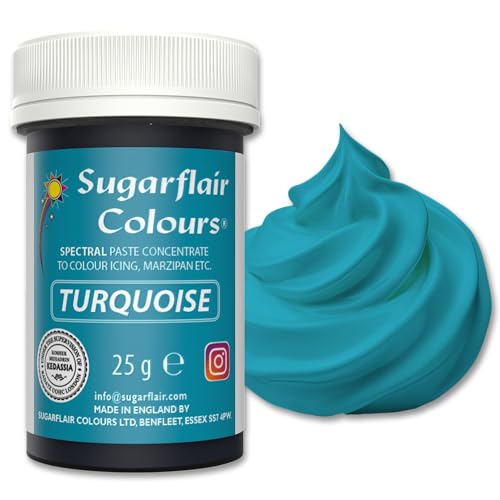
Sugarflair Spectral Paste Turquoise

AmeriColor Violet Soft Gel Paste 13.5 oz
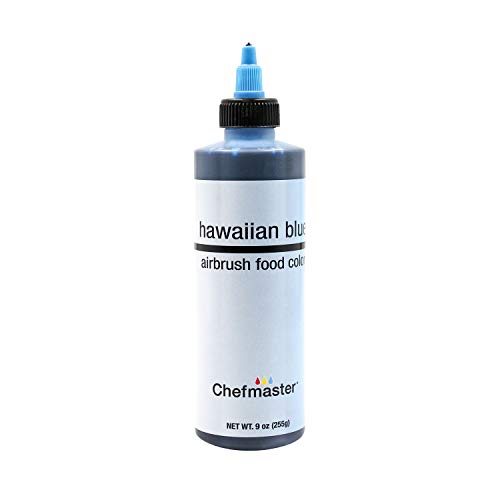
Chefmaster Hawaiian Blue Airbrush Color 9 oz


Chefmaster Avocado Liqua-Gel 10.5 oz


The Details Behind The Selections
Sugarflair Spectral Paste in Turquoise is the kind of dye that serious sugar artists keep in a dedicated tin. The gel-like paste is kneaded directly into sugar paste, flower and modeling paste, marzipan, buttercream, or royal icing, which means no water enters the mix and your fondant stays pliable. A pea-sized portion goes a long way, so the small tub tends to outlast bigger bottles of liquid color.
This entry leads the list because concentrated pastes give you unmatched control over hue depth. Pull a tiny amount for a whisper of teal, or build it up for a saturated peacock tone. Most home bakers working on a single-tier celebration cake will find one tub covers months of projects.
A Strong Showing
- Concentrated formula means a single tub can handle dozens of small batches
- Stays workable in sugar paste without stiffening or cracking the medium
- Layerable color depth: a touch gives pastel, more gives jewel tone
- Works across marzipan, royal icing, and buttercream, so one tub covers many recipes
Trade Offs To Consider
- Turquoise leans toward blue-green, which may not suit projects needing a true royal blue
- Small jar size may feel stingy for a baker running a busy weekend shop
Key Specs
Right Fit For
Sugar flower artists and cake decorators who want precise control over blue-green tones in fondant or modeling paste.
Reach For A Different Pick When
You need a spray-on cyan for covering large fondant panels, in which case the Chefmaster Hawaiian Blue Airbrush Color handles the job faster.
AmeriColor’s Soft Gel Paste sits in a category of its own when volume matters. The 13.5-ounce bottle is a workhorse size aimed at home bakers who color icing weekly or small bakeries running wedding orders back to back. The soft gel consistency drops cleanly from a toothpick, so you can dial in deep violet or whisper-soft lavender without second-guessing the measurement.
Where Sugarflair’s turquoise paste leans cool and oceanic, AmeriColor violet heads warm and floral, which makes it a smart secondary bottle to round out a blue-leaning palette. The bottle’s wide mouth makes it easy to scoop out a clean portion without contaminating the rest.
Notable Gains
- Oversized 13.5-ounce format suits frequent decorators and small shops
- Soft gel drops cleanly from a toothpick for color-by-color control
- Wide-mouth bottle reduces mess during repeated dips
Points To Note
- Violet skews purple rather than blue, so it works as a complement rather than a primary blue
- The large bottle is overkill for someone decorating only a few cupcakes a year
Whose Shelf It Belongs On
Busy home bakers and small bakery operators who need a reliable gel paste in volume without sacrificing color control.
A Better Fit Elsewhere
Bakers who want a true ocean-blue rather than violet should reach for the Chefmaster Navy Blue Liqua-Gel instead, which lands in deeper blue territory.
The Chefmaster Hawaiian Blue Airbrush Color is a liquid dye built for spray application. The 9-ounce bottle pours straight into most airbrush reservoirs and produces a wide range of cyan shades depending on how many passes you lay down. Unlike the pastes above, it spreads across large surfaces in seconds, making it the right tool for coating rolled fondant panels or flooding a sheet cake with sky-blue color.
The trade-off is that liquid color thins out icing consistency, so this bottle really earns its keep when paired with an airbrush or a fine misting bottle. Owners commonly report that the bottle lasts through many projects because each coat is so thin.
What Works In Its Favor
- Liquid format covers large fondant panels or full sheet cakes in minutes
- Compatible with any standard airbrush equipment, so brand lock-in is not an issue
- Layerable cyan: light coats read as sky blue, heavy coats read as ocean depth
- Works on cookies, cakes, fondant, gum paste, and chocolate, so one bottle handles many surfaces
Honest Caveats
- Liquid form can thin buttercream if mixed in directly, so it shines most in an airbrush setup
- Requires cleanup of the airbrush cup and nozzle after each session to avoid dried-color clogs
Feature Card
Built With In Mind
Dedicated airbrush decorators and cake studios that need a reliable cyan for sweeping color across large fondant or royal-icing surfaces.
Look Elsewhere When
You do not own an airbrush, since the Sugarflair paste or Chefmaster Liqua-Gel will give you richer color in icing without needing spray gear.
Chefmaster’s Navy Blue Liqua-Gel delivers the deep, saturated midnight tone that gel pastes are loved for. The 10.5-ounce squeeze bottle is a baker’s workhorse for icing, frosting, and fondant, and the gel consistency blends smoothly into buttercream without breaking the emulsion. This is the bottle you reach for when sky blue and turquoise will not read on a dark cake board.
Compared to the airbrush option above, this Liqua-Gel is meant for hand-mixing, not spraying. It can be used to deepen other blue tones drop by drop, which makes it a smart partner bottle for the AmeriColor violet or Chefmaster Black Diamond in a working palette.
Everyday Perks
- Rich navy that holds true-to-shade after drying, so swatches match the final cake
- Gel format blends into buttercream without thinning the icing
- 10.5-ounce bottle covers many sessions before running dry
Trade-Offs To Consider
- Deep navy can stain countertops and silicone mats, so a wipe-up routine helps
- Too concentrated for direct use on white chocolate; a lighter gel pairs better there
Key Attributes
Made For
Home bakers decorating tiered cakes, groom’s cakes, or nautical-themed designs where a saturated navy is the goal.
Not Your Match When
You need a bright sky-blue tone for a baby shower cake, in which case the Chefmaster Hawaiian Blue Airbrush Color will hit that palette faster.
The Avocado Liqua-Gel earns its spot on a blue-coloring list for one practical reason: it is the green that turns your blues into teals, seafoam, and mermaid tones. A drop of avocado added to sky blue shifts the hue leftward, so this is the bottle decorators pull out when they want to mix custom tones instead of buying a dozen specialty colors.
Its gel body behaves like the rest of the Chefmaster Liqua-Gel line, so it folds into buttercream and fondant without thinning the medium. If you have been chasing that elusive dusty teal or eucalyptus shade, this green-blue pair is a more reliable path than blending food-safe powders by eye.
Where It Excels
- Acts as a hue-shifter to convert sky blue into teal and seafoam
- Same gel format as the rest of the Chefmaster line, so it mixes predictably
- Large 10.5-ounce bottle supports dozens of small adjustments
Potential Sticking Points
- Direct use yields a soft green, not a blue, so it earns its place as a mix-in rather than a primary
Best Suited To
Decorators who like to mix custom blue-green tones rather than rely on off-the-shelf colors, especially for botanical and ocean themes.
Skip It When
You want a ready-to-use blue straight from the bottle, since the Chefmaster Navy Blue Liqua-Gel covers that brief without mixing.
Bakers Rose looks like an odd fit for a blue-coloring roundup, but it pulls double duty as the soft warm base that tints pastel blues into dusty, vintage-looking tones. A whisper of rose added to sky blue reads as denim or cornflower, and that effect is hard to fake with straight-from-the-bottle dyes.
The 10.5-ounce gel behaves like the other Chefmaster Liqua-Gels on this list, so it folds into icing and fondant without breaking texture. If you build a palette from scratch and want to chase subtle fashion-forward blues, this bottle earns its place next to the navy and airbrush options above.
What Makes Sense
- Soft warm base for tinting blues into denim, cornflower, and dusty shades
- Same gel format as the rest of the line, predictable in buttercream
- 10.5 ounces of working gel for a small studio or active home kitchen
Where It May Fall Short
- Not a primary blue, so it works best as a complement to a true blue bottle
- Can push a pale blue toward lavender if over-applied, so the dose needs watching
Who It Suits Best
Designers chasing muted, editorial-style blues for weddings, gender-reveal cakes, and floral compositions.
Consider Something Else When
You want a clean tropical blue without a vintage cast, in which case the Chefmaster Hawaiian Blue Airbrush Color delivers a brighter read.
Black Diamond is the darkening partner that elevates every other blue on this list. One drop at a time takes sky blue to royal, royal to midnight, and midnight to a near-black galaxy tone. It is the color you reach for when you want a true black-blue rather than a flat gray-blue that most off-the-shelf dyes produce.
The same gel format as the rest of the Liqua-Gel range means it mixes into buttercream and royal icing without thinning the medium. Most decorators keep it capped and on a high shelf, since a single drop too many is a common mishap worth avoiding.
Useful Strengths
- Pushes blues into deep, true black-blue tones that other dyes cannot reach
- Gel consistency blends cleanly into buttercream without breaking the emulsion
- Generous 10.5-ounce bottle that lasts a long time at one-drop doses
Some Limits To Know
- Over-application can quickly shift blue toward muddy gray, so it needs careful dosing
- Not a stand-alone blue; it earns its place as a complement in a working palette
Perfect Match For
Decorators who design galaxy, storm, or deep-sea themes and need true dark blue-blacks rather than washed-out grays.
Where Another Pick Suits Better
Bakers who want a single all-purpose blue bottle should start with the Chefmaster Navy Blue Liqua-Gel, which is ready to use without mixing.
Oh! Sweet Art’s Ice Dust shifts the conversation from base color to finish. The 3-gram jar holds a mica-based pearlescent powder that you dust onto fondant, gum paste, chocolate, or royal icing for a soft pink shimmer. The ingredients list combines mica pearlescent with dextrose and FDA-compliant lakes, so the dust adheres to a damp surface and reads as edible sparkle rather than loose glitter.
On a blue cake, the pink dust is the secret to a mermaid-tail or sunset-over-ocean finish. It looks extravagant but a little goes a long way, and the small jar tucks into a drawer without crowding your shelf.
Points In Its Favor
- Adds a soft pearlescent finish on top of any base color
- Vegan, gluten-free, nut-free, and lactose-free, so it fits common dietary restrictions
- Small 3-gram jar is generous for occasional finishing-dust use
Soft Spots
- Pink dust is not a base color, so it needs a blue underneath to read as part of a blue palette
- Loose powder can scatter during application, so a controlled brush or sift setup helps
Made For
Decorators finishing cakes, cupcakes, and cake pops with a subtle shimmer when a flat color feels too plain.
Swap It Out When
You need a base blue rather than a finish, since the Sugarflair Spectral Paste or Chefmaster Liqua-Gels do that work more directly.
The Gold variant of the Ice Dust brings warm metallic shine to a blue cake in a way that pink and rose bronze cannot. The mica pearlescent powder brushes onto fondant or chocolate for a gilded accent on cake borders, cupcake tops, or molded chocolate pieces. The ingredient list includes iron oxide alongside the standard lakes, which gives the gold its unmistakable warmth.
You can think of this as the royal-blue decorator’s secret weapon. A thin sweep of gold on dark navy fondant or royal icing turns an everyday cake into something that looks like a holiday or wedding centerpiece, with barely any extra effort.
The Practical Payoff
- Adds warm metallic shine that contrasts beautifully with deep blues
- Same dietary-friendly profile as the rest of the Ice Dust line
- 3-gram jar is sized for occasional decorative accents rather than full coverage
Worth Bearing In Mind
- Gold reads warm against blue, so it may clash on a strictly cool palette
- Best applied with a soft brush to avoid streaks on flat fondant
Who Should Grab It
Bakers finishing celebration cakes, cupcakes, or chocolate pieces with a gilded accent that pairs against navy or royal blue bases.
Another Choice May Suit
Cake designers working strictly in pastel pinks and blues will likely prefer the Oh! Sweet Art Ice Dust in Pink for tonal harmony.
Rose Bronze is the most fashion-forward of the three Ice Dust shades and the one that pulls a blue cake into editorial territory. The bronze leans copper-rose rather than yellow-gold, so it reads as jewelry against navy, midnight, or royal blue bases. Like the others, it is a mica-based pearlescent powder that brushes onto a lightly damp surface.
This is the bottle for finishing details on a celebration cake rather than coloring a full batch of icing. Most decorators keep it on a high shelf and pull it out for the final flourishes, since a small dusting on a single tier is all it takes to make the design feel intentional.
What Pays Off
- Metallic rose-bronze finish reads as jewelry against deep blues
- Same vegan, gluten-free, nut-free, lactose-free profile as the rest of the line
- Tucks into any drawer thanks to the small 3-gram jar
Honest Caveats
- Rose bronze is a finishing dust, not a base color, so it needs a blue layer beneath
- Can read too warm on strictly cool-toned designs, so it pairs best with navy and midnight bases
Right Fit For
Decorators finishing editorial-style cakes, chocolate bonbons, or cake pops where a metallic rose accent elevates the design.
Look Elsewhere When
You need a base blue for icing or fondant, since the Chefmaster Navy Blue Liqua-Gel covers that need with more pigment per drop.
Picking The Right Blue For Your Project
The blue color in a cake rarely comes from a single bottle. Most home bakers end up with two or three on the shelf: one for sky tones, one for navy, and one for shimmer or adjustment. Paste and gel formats hold color in buttercream, fondant, and royal icing without adding water, which keeps the texture intact and the pigment concentrated. Liquid airbrush colors are the right call only when you have spray gear, since they thin out icing if mixed in directly. The mica dusts on this list are finishers, not base colors, so they pair with one of the gel or paste options rather than replacing them.
If your project leans toward sugar flowers or modeling paste, a concentrated paste gives unmatched control. If you frost tiered cakes weekly, a gel in a 10-ounce bottle saves time and reduces refills. If you cover large fondant panels, only an airbrush color spreads fast enough. Most home decorators end up happiest with one gel base, one specialty mixer, and one shimmer dust on standby.
Format And Pigment Type
Gel pastes are water-based but thickened, so a small drop changes icing color without thinning the medium. True pastes like Sugarflair’s tub have an even thicker consistency and work best when kneaded into doughs and pastes rather than mixed into liquids. Airbrush liquids are thin by design and meant for spray equipment. Picking the right format is usually a more important decision than picking the exact hue, because the wrong format can ruin icing texture or take ten times longer to apply.
Hue And Depth
A bottle labeled “blue” can mean sky, royal, navy, or teal depending on the brand. Looking at the actual swatch on the bottle cap or product page saves the guesswork. Most decorators keep a navy bottle and a sky or turquoise bottle on hand, then use mixers like avocado green, baker’s rose, or black diamond to nudge the color toward the exact target. That small set covers most cake, cupcake, and cookie projects for the year.
Volume And Storage
Gel bottles in the 10- to 13-ounce range suit anyone who decorates monthly or more. Smaller jars of paste or dust work fine for occasional projects, since a little goes a long way. Storing bottles upright in a cool, dry cupboard keeps the gel from separating, and wiping the nozzle after each use prevents the dried-color crust that can clog a bottle mid-project.
Things To Watch Before You Buy
Common Shopping Slip Ups
The most common mistake is buying a “blue” bottle and expecting it to match the swatch on a computer screen. Most food dyes lean slightly different from monitor colors, and a buttercream base shifts the final hue further. Pulling a small test portion of icing, coloring it, and letting it sit for ten minutes gives a much more accurate read than a swatch on paper.
A second pitfall is over-buying specialty colors. A single navy gel, a turquoise or sky bottle, and one mixer like black diamond covers the bulk of blue projects. Specialty mints, lavenders, and periwinkles can be mixed from those three instead of stored as separate bottles, which saves both shelf space and money.
What The Higher Tier Buys
A larger gel bottle costs more up front, but the price per drop drops sharply with the 10- to 13-ounce formats. Decorators who use a bottle every few weeks recover the higher cost quickly, since a single 10-ounce bottle can color dozens of small batches. Higher-tier options also tend to use fade-resistant blends, which means a navy tier on a wedding cake will look the same at the end of the event as it did at delivery. That reliability is what the extra money buys, beyond just volume.
Frequently Asked Questions
What is the difference between gel paste and liquid food coloring?
Gel paste is a thick, water-based dye designed to color icing, fondant, and dough without changing their texture. Liquid coloring is thin and works well for drinks or airbrush equipment, but can water down icing if mixed in directly. Most decorators prefer gel or paste for cake work and reach for liquid only when spraying.
Can blue food coloring bleed into white icing or fondant?
Yes, deep blues like navy and royal can bleed or “weep” into lighter neighboring colors, especially under humidity. Using a gel paste rather than a liquid and applying the color closer to serving time both help. A thin coat of clear glaze or a final dusting of Ice Dust over the blue can seal the surface.
Are these dyes safe for people with common allergies?
The Oh! Sweet Art Ice Dusts are labeled vegan, gluten-free, nut-free, and lactose-free, and they use FDA-compliant colors. The gel and paste options from Sugarflair and Chefmaster do not always carry the same dietary labels, so anyone with restrictions should read the individual bottle before use.
How long does an opened bottle of gel color last?
Most gel pastes stay usable for one to two years when stored upright in a cool, dry cupboard, away from direct sunlight. A dried crust around the nozzle or a noticeable change in scent are signs the bottle has aged out. Wiping the nozzle after each session extends the working life of a bottle considerably.
Can I mix blue gel colors to get new shades?
Mixing is one of the most useful tricks in a blue palette. A drop of black diamond turns sky blue into navy, a touch of avocado green shifts blue toward teal, and baker’s rose softens blue into dusty cornflower. Always mix in a small bowl first to test the ratio, since gels are concentrated and a single drop can shift the result.
The Takeaway
A reliable blue palette starts with one gel or paste base in the shade you use most, then grows with a mixer or two and a finishing dust. Match the format to the project: paste for sugar work, gel for icing and fondant, liquid for airbrush, dust for shimmer. With those basics on the shelf, almost any blue cake, cupcake, or cookie color is within reach without a last-minute store run.
