

Sourdough baking depends almost entirely on the flour you feed your starter. Protein content, milling freshness, and wheat variety all shape how a dough hydrates, how long it ferments, and how the final crumb looks once it cools. Choosing the wrong bag can leave you with a dense, gummy loaf that fights every stretch and fold.
The picks below cover dedicated bread flours, heritage blends, pizza-style 00s, and vital wheat gluten additives for bakers who want to fine-tune protein levels. Most home bakers benefit from a baseline of 11–13% protein for open-crumb sourdough, while rye, whole wheat, and specialty grains bring deeper flavor at the cost of a tighter structure. Pair your flour with a healthy starter, steady temperatures, and enough patience for long fermentations, and the crumb will follow.
An Overview Of The Picks

Sunrise Flour Mill Heritage Organic Bread Flour Blend (5 lbs)

Sunrise Flour Mill Heritage Organic White Flour (80 oz)

Sunrise Flour Mill Heritage Organic Whole Wheat Flour (5 lbs)

Wheat Montana Natural White All-Purpose Flour, 5 lb (Pack of 8)

Anthony’s Vital Wheat Gluten, 4 lb
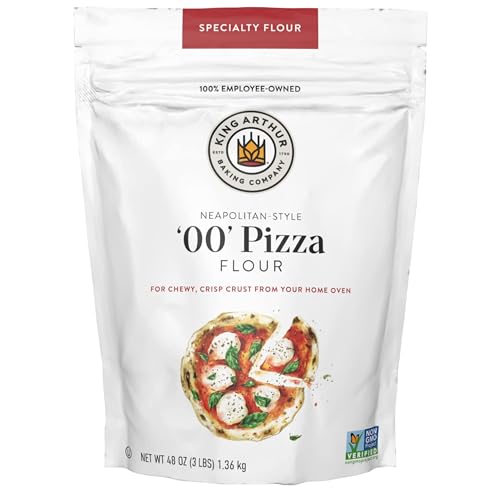
King Arthur 00 Pizza Flour, 3 lb Bag
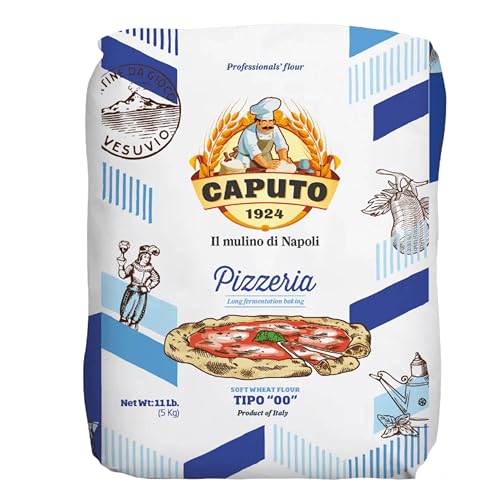
Antimo Caputo Pizzeria Flour Blue, 11 lb Bag

King Arthur Bread Flour, Unbleached, 5 lb

Bob’s Red Mill Vital Wheat Gluten Flour, 20 oz (4 Pack)

Gold Medal All Purpose Flour, 3 lb Resealable Bag
More Details On Our Top Picks
This blend leans on pre-1950s heritage wheat, which sits apart from modern commodity flours. The result is a cream-tinted flour that bakes into a soft, open crumb with a faintly nutty, almost sweet aroma. For bakers whose stomachs react to standard bread flour, heritage varieties are often easier to tolerate, though results vary by individual.
The blend arrives in a manageable 5-pound bag, which is helpful for home bakers who bake weekly rather than monthly. Compared to the high-protein, all-American King Arthur Bread Flour on this list, this one’s character leans more toward flavor and digestibility than sheer structural power.
Why It Works Well
- Heritage wheat brings a smooth, nutty flavor that modern flours rarely match
- Organic, unbleached, and milled for digestibility, with no additives
- 5-pound bag suits regular bakers who want fresh flour without waste
- Higher protein content helps loaves develop a strong, springy crumb
- Works in sourdough, yeasted loaves, and enriched doughs alike
Worth Noting
- Heritage wheat typically needs longer fermentation to develop its flavor fully
- Less widely available than commodity bread flours, so re-stocking may take planning
Quick Facts
Built With In Mind
Bakers chasing nutty, complex flavor in sourdough and who want a heritage option over commodity white flour will appreciate this blend most.
Swap It Out When
Beginners wanting maximum structural reliability and easy availability should reach for King Arthur Bread Flour instead.
Think of this as the everyday cousin to the heritage bread blend above. It uses the same pre-1950s wheat base but aims at all-purpose versatility, making it a good fit for kitchens that split time between sourdough, cookies, and quick breads. The 80-ounce bag keeps a small household in flour for a couple of months.
Unlike the Sunbeam-style bread flours engineered for pure gluten strength, this one trades a little of that structural intensity for color, aroma, and gentler digestion. It hydrates well, holds shape during long bulk ferments, and bakes into a creamy crumb that smells closer to a bakery than a factory.
Strengths Worth Knowing
- Versatile all-purpose grind covers sourdough, cookies, and quick breads
- Organic and grown without glyphosate, with a non-GMO profile
- Kosher certification broadens household usability
- Heritage wheat offers easier digestibility than standard white flour
Trade Offs
- All-purpose grind means slightly less gluten power than a dedicated bread flour
- 80-ounce bag is bulkier to store than a 5-pound option in a small pantry
- Best flavor emerges with longer, slower fermentations
Who It Suits Best
Bakers who want one bag of organic heritage flour to cover both sourdough loaves and everyday baking will find a comfortable middle ground here.
Look Elsewhere When
You want maximum gluten structure for an open-crumb boule, in which case Sunrise Flour Mill Heritage Organic Bread Flour Blend is the better fit.
Whole wheat sourdough carries a reputation for dense loaves, and the milling process is often the culprit. Sunrise’s approach uses red hard wheat ground to a superfine texture, so the bran integrates smoothly into the dough rather than cutting into gluten strands. The result is a loaf that tastes deeply grainy without the sawdust feel some whole wheat breads show.
The brand highlights a 10-day milling window, which matters because whole wheat flour oxidizes and loses aroma faster than white. Compared to the white heritage flour above, this one trades a lighter crumb for richer color, deeper flavor, and a more rustic crust.
Strong Points
- Superfine grind improves bran integration for softer crumb texture
- Heritage red hard wheat adds deeper, more complex flavor than commodity whole wheat
- Milled within 10 days of shipping for better aroma and nutrition
- Organic and unbleached, with no chemical processing
Honest Caveats
- Whole grain loaves need higher hydration and longer autolyse to feel soft
- Strong whole wheat flavor may be too assertive for bakers used to white sourdough
Feature Snapshot
Made For
Whole-grain bakers who want a softer crumb and richer flavor than commodity whole wheat typically delivers.
Where Another Pick Suits Better
Anthony’s Vital Wheat Gluten is a smarter add-on when mixing whole wheat into leaner flours for extra lift.
Wheat Montana’s farm-to-table reputation comes through in this 40-pound total pack of unbleached, unbromated all-purpose flour. The 5-pound individual bags are resealable, which makes a bulk order manageable for serious bakers who run multiple loaves a week. The brand emphasizes identity-preserved grains with no preservatives or additives.
The tradeoff is real: this is a working flour, not a specialty one. Compared to the heritage options on this list, it offers a cleaner, more neutral taste that lets the starter and fermentation shine, without the deeper character of an heirloom wheat. For sourdough bakers with high weekly output, that neutrality becomes an asset.
The Helpful Details
- Bulk eight-pack stretches further for high-volume bakers
- Unbleached, unbromated, and free of preservatives
- Kosher certification broadens household usability
- Resealable 5-pound bags keep flour fresh between uses
Less-Strong Areas
- Neutral flavor profile lacks the complexity of heritage flours
- 40 pounds of total flour demands serious storage space
- All-purpose grind, so it can fall short of true bread-flour protein in lean doughs
Right Fit For
Households baking multiple sourdough loaves weekly who want a steady, preservative-free supply without reordering constantly.
Not Your Match When
Small-space bakers should look at Gold Medal All Purpose Flour for a manageable, lower-commitment bag.
Vital wheat gluten is technically not a flour at all. It’s the isolated protein extracted from wheat, and it acts as a dough booster when added to lower-protein flours. For sourdough bakers mixing rye, whole wheat, or spelt into their loaves, even a tablespoon or two per cup can dramatically tighten the gluten network. Anthony’s ships it in a 4-pound bag that lasts through months of weekly baking.
It’s also a useful tool for bakers transitioning from a softer all-purpose to a stiffer, more open-crumb style. The honest read is that vital wheat gluten is an ingredient, not a standalone bake, so it sits alongside your main flour rather than replacing it.
What Earns Its Place
- Boosts protein content in whole-grain or low-gluten blends
- Vegan, non-GMO, and works in keto baking as well
- 4-pound bag offers strong value for frequent bakers
- Versatile for seitan, breads, and pizza dough
Things To Consider
- Not a standalone flour, so it pairs with another base in every recipe
- Overuse can make dough rubbery and tough rather than soft and chewy
Feature Card
Best Suited To
Sourdough bakers blending whole wheat or rye who need to add structure without switching to a higher-protein base flour.
Consider Something Else When
Bakers looking for a true bread flour with built-in strength should grab King Arthur Bread Flour for a one-bag solution.
00 flour is an Italian grading system that refers to how finely the wheat is milled rather than a specific protein level. King Arthur’s version uses a blend of American hard and soft wheats ground to that fine standard, and it produces a silky, supple dough that stretches thin without tearing. For pizza bakers, it delivers those trademark leopard-spotted crusts in a home oven.
The same texture profile gives sourdough loaves a tighter crumb and a more delicate chew, depending on hydration. Bakers who split time between sourdough and pizza get two reliable results from one bag, though dedicated bread bakers may want more open crumb than this 00 delivers.
Where It Helps
- Fine milling gives a smooth, elastic dough that stretches beautifully
- American-grown wheat avoids overseas shipping delays
- Non-GMO Project verified for ingredient transparency
- Works well for hybrid sourdough-pizza recipes
Factors To Consider
- Lower protein than true bread flour, so open-crumb sourdough may be limited
- 3-pound bag runs out quickly for frequent bakers
Perfect Match For
Bakers making both pizza and sourdough who want a single bag that handles Neapolitan-style dough reliably.
Skip It When
Sourdough bakers chasing tall, open-crumb boules should choose King Arthur Bread Flour for stronger gluten development.
Caputo’s blue-bag 00 has built a reputation in Neapolitan pizzerias around the world, and the 11-pound package suits bakers who stretch dough frequently. It’s a low-extraction, soft-wheat flour designed to produce a tender, chewy crust with crisp bubbles along the cornicione. In sourdough contexts, the dough tends toward a finer, more delicate crumb than American bread flours.
Note that Caputo’s protein content sits lower than the King Arthur Bread Flour on this list, which means bakers chasing tall rise may need to blend in vital wheat gluten or pair it with a stronger flour. Used as intended, it’s a reliable workhorse for pizza and lighter breads.
Everyday Wins
- Authentic Italian import trusted by Neapolitan pizzerias
- Fine 00 grind gives a stretchy, easy-to-shape dough
- 11-pound bag suits regular pizza bakers
Worth Bearing In Mind
- Lower protein can limit rise in pure sourdough loaves
- Imported flour may arrive closer to its best-by date than domestic options
- 5 kg bag demands solid storage space in a small kitchen
Whose Shelf It Belongs On
Dedicated home pizza bakers who also dabble in lighter sourdough breads will find a reliable partner in this bag.
Another Choice May Suit
Anthony’s Vital Wheat Gluten is the right companion when mixing Caputo with whole grain flours to lift the structure.
King Arthur’s bread flour has become a quiet default for American sourdough bakers, and for good reason. The brand positions its unbleached flour as a point higher in protein than many national competitors, which translates to stronger gluten development and more open crumb. For beginners, that consistency removes a major variable from the learning curve.
Unlike the heritage options on this list, this flour is built for predictability rather than character. The honest read is that a King Arthur loaf won’t taste as distinctive as one baked with Sunrise’s heritage blend, but it will rise reliably batch after batch, which is exactly what many home bakers want while they perfect their starter.
Practical Advantages
- Higher-than-average protein supports consistent, lofty rises
- Unbleached with no chemical whiteners
- Widely available and re-stockable
- Forgiving for beginners learning sourdough timing
Points To Note
- Clean, neutral flavor lacks the depth of heritage wheat
- Mass-market flour may feel less special than smaller-milled alternatives
Spec Overview
Who Should Grab It
First-time sourdough bakers who want reliable lift and consistent results while they dial in their technique.
Reach For A Different Pick When
Bakers chasing deeper, more nuanced flavor will enjoy Sunrise Flour Mill Heritage Organic Bread Flour Blend more.
Bob’s Red Mill is a familiar name in whole-grain baking circles, and this vital wheat gluten brings their consistency to the dough-booster category. The four-pack format means a baker who blends whole wheat, rye, or spelt into sourdough won’t run out quickly. Just a couple of tablespoons per cup of flour can lift the crumb from tight and dense to airy and well-structured.
Like Anthony’s option, this isn’t a standalone bake. The honest read is that Bob’s tends to be slightly pricier per ounce, but the four-pack brings the cost down and adds a buffer for bakers who experiment frequently.
Notable Upsides
- Improves dough elasticity and rise in whole-grain loaves
- Multi-pack stretches further for experimental bakers
- Trusted brand with consistent quality control
Possible Compromises
- Higher per-ounce cost than bulk alternatives like Anthony’s
- Still not a standalone flour, so it requires pairing with a base
Built With In Mind
Bakers who regularly blend whole grains into sourdough and want a steady, branded supply of gluten booster.
A Better Fit Elsewhere
Budget-focused bakers buying in larger volumes will save more with Anthony’s Vital Wheat Gluten in a 4-pound bag.
Gold Medal is a name most American kitchens already know, and this all-purpose flour covers the basics for bakers who want a single bag for cookies, cakes, and casual sourdough loaves. The resealable 3-pound pouch keeps things fresh in a small pantry, and the brand’s broad availability makes restocking painless.
For dedicated sourdough bakers, all-purpose flour usually benefits from a protein boost. Compare that to King Arthur Bread Flour’s higher protein, which gives more structural lift in long-fermented doughs. Gold Medal works best as a flexible backup rather than a primary sourdough choice.
Where It Delivers
- Versatile across cookies, cakes, and casual breads
- Resealable bag keeps flour fresh in a small kitchen
- Widely available and easy to restock
Things To Weigh
- Lower protein than dedicated bread flour, so open-crumb sourdough is limited
- Neutral flavor profile doesn’t add complexity to a loaf
Who Will Love This
Beginner bakers and casual home cooks who want one bag of flour that handles most baking without specialized storage.
Where A Sibling Pick Shines
King Arthur Bread Flour is the better sourdough partner when protein structure and consistent rise matter more than versatility.
What Matters Most Before Choosing Bread Flours For Sourdough
Protein Content And Crumb Structure
Protein is the engine behind a sourdough’s open crumb. Bread flours typically run 11–13% protein, and that range gives the gluten network enough strength to trap fermentation gases. All-purpose flours sit closer to 9–11%, which makes for a tighter, more uniform crumb. Sourdough bakers chasing a tall, holey interior should anchor their blend in a higher-protein bread flour and use vital wheat gluten to lift lower-protein additions.
Wheat Variety And Flavor
Modern commodity wheat is bred for yield and shelf life, not flavor. Heritage, pre-1950s wheats tend to bake into loaves with deeper aroma, creamier color, and a more digestible feel. The honest read is that heritage flours cost more and require longer fermentation to reach their full character, but the flavor difference is real. Bakers who bake mostly for taste often reach for heritage blends first.
Whole Grains And Texture
Whole wheat, rye, spelt, and other ancient grains bring fiber, minerality, and a more rustic feel. The tradeoff is a tighter crumb and more assertive flavor, which can dominate a loaf if used in high percentages. A common sourdough approach mixes 20–30% whole grain into a base of bread flour, then adjusts hydration upward to compensate for the bran absorbing water.
Milling Freshness And Storage
Flour oxidizes over time, and the loss is most noticeable in whole grain and heritage varieties. Millers that ship within days of grinding deliver noticeably more aromatic flour than bags that have sat in a warehouse for months. Home bakers should store flour in airtight containers, ideally in a cool spot, and aim to use opened bags within a few months for the best results.
Key Considerations Across These Picks
Pitfalls Shoppers Hit
Sourdough bakers often pick flour based on brand recognition rather than protein content, then wonder why their loaves stay dense. Another common misstep is buying all-purpose for a recipe that needs bread flour’s gluten strength, or grabbing heritage wheat expecting it to behave like commodity flour. Before buying, check the protein percentage, the wheat variety, and how recently it was milled.
Where The Extra Money Goes
Higher-tier flours cost more for specific reasons: heritage wheat is grown in smaller volumes, specialty mills batch-produce in limited runs, and fresh milling cuts shelf life. The upgrade is worth it for bakers who care about flavor complexity, digestibility, or organic sourcing. Casual bakers who bake once a month will see less return on the premium and may prefer commodity bread flour instead.
Frequently Asked Questions
What Protein Percentage Works Best For Sourdough?
A target of 11–13% protein gives most sourdough bakers a strong gluten network and an open crumb. Lower-protein flours work, but you may need to add vital wheat gluten to maintain structure.
Can All-Purpose Flour Work For Sourdough?
Yes, all-purpose flour can produce fine sourdough loaves, especially for beginners learning timing and shaping. Expect a slightly tighter crumb than bread flour delivers.
Is Heritage Wheat Easier To Digest?
Many bakers with mild gluten sensitivity report better tolerance with heritage wheat, though individual responses vary. Heritage varieties contain different protein structures than modern wheat, which can affect how they feel.
How Long Does Flour Stay Fresh?
Unopened flour typically stays good for several months, but aroma and nutrition fade over time. Once opened, store it in an airtight container in a cool spot, and try to use it within two to three months for best results.
Should I Add Vital Wheat Gluten To My Sourdough?
Adding vital wheat gluten helps when blending whole grains, rye, or lower-protein flours into your dough. A tablespoon or two per cup of base flour can noticeably improve rise and chew.
Closing Remarks
Sourdough rewards patience, and the flour you choose sets the ceiling for what your loaves can become. A reliable bread flour like King Arthur gives beginners a steady foundation, while heritage and specialty options open up deeper flavor once your technique is locked in. Match the flour to your weekly baking rhythm, your storage space, and the flavors you want on the table, and the rest of the process tends to fall into place.
