

Pulling a great bake together starts with the bag you reach for, and the right flour depends heavily on what your oven is doing tonight. Home bakers working through a stack of cookies, a Sunday sourdough, a Neapolitan pie, or a tray of keto muffins all need something different on hand. The lineup below covers traditional wheat, Italian-style 00, vital wheat gluten, nut-based options, and a few dedicated gluten-free blends that have earned a loyal following for specific tasks. A 5-lb wheat bag goes fast when you bake weekly, while a 64-oz almond sack can be a lifesaver for a household that avoids wheat entirely. Each pick below is matched to a real baking scenario, so you can zero in on what your kitchen actually needs.
The Choices Worth Comparing

Wheat Montana Natural White Flour 2-Pack 5lb Bags

Mulino Caputo 00 Pizzeria Flour 1-Kilo (Pack of 4)

Anthony’s Vital Wheat Gluten 4 lb

Nature’s Eats Blanched Almond Flour 64 oz

King Arthur Gluten Free Pizza Flour 32 oz

King Arthur Measure for Measure GF Flour 3 lb
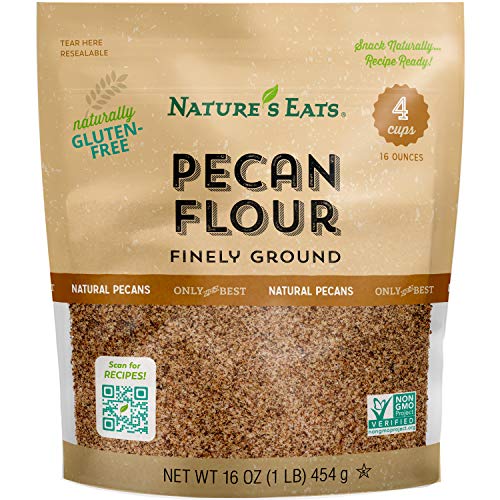
Nature’s Eats Pecan Flour 16 oz

King Arthur Gluten-Free All-Purpose Flour 24 oz

Nature’s Eats Cashew Flour 32 oz

King Arthur Gluten-Free Bread and Pizza Mix 18.25 oz
What Each Pick Brings To The Table
A 10-lb twin pack of unbleached, unbromated all-purpose flour fits right into a busy kitchen where cookies, pancakes, and quick breads happen on rotation. The resealable bags keep the second sack protected between bake days, which matters more than it sounds once you have used a few cups and the rest sits in the pantry for a month.
Wheat Montana positions itself as a farm-to-table milling outfit, and the ingredient list stays short, with no preservatives, no additives, and identity-preserved non-GMO grain. For anyone baking in a standard home oven, this is a sensible workhorse, and it pairs well with the high-gluten Item 3 later in the list when you want a stronger crumb.
The Helpful Details
- Two 5-lb bags give you roughly 35 loaves of sandwich bread or several hundred cookies before you need a restock.
- Unbleached and unbromated processing keeps the natural pale color without chemical whitening agents.
- Identity-preserved non-GMO wheat is traceable from the field, which is reassuring for households that watch what goes into pantry staples.
- Kosher certified, so it slides into a wider range of kitchens and recipe traditions without friction.
Worth Noting
- This is a true all-purpose grind, so it does not deliver the extra protein punch that dedicated bread flour offers.
- Two bags mean a heavier pantry footprint than a single-sack option, and you may want a sealed bin to keep pests out long-term.
Key Product Details
Whose Shelf It Belongs On
Steady home bakers who run a weekly rotation of pancakes, biscuits, and cookies and want a single dependable all-purpose sack they can open again and again.
Look Elsewhere When
Pizza makers chasing a chewy, bubbly Neapolitan-style crust will want the dedicated Italian-milled Mulino Caputo 00 Pizzeria Flour instead.
Italian 00 flour is ground finer than standard American all-purpose, and Caputo’s Pizzeria blend has been a default choice in Neapolitan pizzerias for decades. The four-kilo pack gives you enough dough for a stretch of weekend pizza nights without reordering mid-month, and the protein level here pulls a softer, more elastic crumb than the Wheat Montana bag in the first slot.
For anyone running a home pizza setup, this is the flour that consistently delivers the airy cornicione and tender base that define a true Neapolitan-style pie. Compared to the gluten-free alternatives later in the roundup, this bag assumes a wheat-tolerant kitchen and rewards you with a stretchy, easy-to-shape dough that handles long cold ferments.
A Strong Showing
- Fine 00 grind pulls a smooth, elastic dough that stretches thin without tearing on a pizza peel.
- The 4-kilo total keeps a steady pizza household in flour for several baking sessions.
- Strong enough for long cold ferments in the fridge, so you can build flavor across 24 to 48 hours.
Trade Offs
- Specialized toward pizza, so it is not a versatile everyday bag for cookies or cake.
- Wheat-based, which means it does not serve anyone eating strictly gluten-free.
Right Fit For
Home pizzaiolos with a pizza stone or steel who want an authentic Neapolitan-style result and bake often enough to use four kilos before the flour ages.
Skip It When
Bake-free households with gluten sensitivities should turn to the King Arthur Gluten Free Pizza Flour further down the list instead.
Vital wheat gluten is the protein extracted from wheat, sold as a fine powder that boosts elasticity and chew when stirred into lower-protein dough. A 4-lb tub is a serious quantity, geared toward regular seitan cooks, low-carb bakers, and anyone adding strength to a low-protein flour blend. You will not use it by the cup the way you would an all-purpose, but a tablespoon at a time goes a long way.
Anthony’s leans into plant-based baking and vegan cooking, and this bag fits kitchens that want to build seitan, stretch a crumb, or firm up a high-hydration dough. Stack it next to the Wheat Montana all-purpose in slot 1, and you can blend your own higher-protein flour without buying a separate bread bag.
Useful Highlights
- Concentrated protein content turns softer flours into stretchy, bread-friendly doughs.
- Vegan and vegetarian kitchens use it to build seitan and other plant-based meat alternatives.
- The 4-lb size suits frequent bakers who want a long-lasting supply on the shelf.
Points To Note
- This is a specialty ingredient rather than a standalone flour, so first-time users may need to follow a recipe for proper ratios.
- It contains wheat, which means it is off the table for anyone eating strictly gluten-free.
Feature Snapshot
Best Suited To
Seitan makers, low-carb bakers, and home cooks who want to boost the protein of softer flours without buying a separate bread flour.
Consider Something Else When
Anyone avoiding wheat entirely should pick up the Nature’s Eats Blanched Almond Flour in slot 4 for a true wheat-free alternative.
Blanched almond flour is made from almonds with the skins removed, which gives a paler, finer crumb that blends into batter without dark specks. The 64-oz (4-lb) format here is built for households that bake with almond flour week after week, and a single bag covers a long stretch of macarons, financiers, and quick breads.
Because almond flour is naturally gluten-free, grain-free, and rich in protein and fat, it has become a default for low-carb and paleo kitchens. Compared to the wheat-based picks above, this bag trades the chewy stretch of gluten for a denser, moister crumb, which works beautifully in tender cakes and soft cookies.
Standout Benefits
- Skinless blanched grind keeps batters pale and free of bitter flecks.
- The 4-lb size means fewer restocks for active low-carb and paleo households.
- Natural source of protein and healthy fats, so it pairs well with keto macros.
Points To Keep In Mind
- Almond flour behaves very differently from wheat flour, so direct recipe swaps usually need adjusted liquids and binders.
- Not suitable for anyone with a tree nut allergy, which is a hard dietary line.
Made For
Paleo, keto, and gluten-free bakers who want a generous 4-lb supply of blanched almond flour for cookies, cakes, and quick breads.
Reach For A Different Pick When
Nut-free households should choose the King Arthur Measure for Measure Gluten-Free Flour later in the list, which avoids tree nuts entirely.
King Arthur’s gluten-free pizza blend is built around sorghum flour, gluten-free wheat starch, and xanthan gum, which together aim for a Neapolitan-style crust that holds its shape without the wheat protein. The 32-oz box is a manageable size for a household that does a few pizza nights a month, and the box itself stacks tidily in a pantry.
For gluten-free cooks who have struggled with crumbly or gummy pizza dough, this blend is one of the more forgiving options on the market. The xanthan gum does the structural heavy lifting that gluten would normally handle, which is what gives the crust its chewy interior and crisp bottom after a hot oven.
Reasons It Performs
- Sorghum-based blend produces a chewy, crispy crust that feels closer to a traditional wheat pie.
- Pre-mixed formula removes the guesswork of combining starches and gums at home.
- Cell-safe for celiac households, so the whole family can share the same pizza night.
A Few Limitations
- Specialized for pizza, so it is not a versatile everyday gluten-free bag for cakes or cookies.
- Depends on xanthan gum for structure, so anyone with a sensitivity to gums may need to look at the wheat-starch-free King Arthur All-Purpose in slot 8 instead.
Key Product Details
Who Should Grab It
Celiac or gluten-sensitive home cooks who want a dedicated flour for a Neapolitan-style pizza night without mixing their own starch blend.
Another Choice May Suit
Bakers who want one gluten-free bag to handle both pizza and everyday cakes should consider the King Arthur Gluten-Free All-Purpose Flour in slot 8 instead.
Measure for Measure is engineered as a 1:1 swap for wheat flour in non-yeasted recipes, which means you can use the same cup measurement called for in a standard cookie or pancake recipe. The 3-lb bag covers a long stretch of casual gluten-free baking without taking over the pantry, and the fortified nutrient profile keeps the finished goods closer to wheat’s mineral content.
Where the gluten-free pizza blend in slot 5 targets a specific dish, this bag aims to replace wheat flour across a wide range of treats, from cookies to quick breads. It is enriched with iron, calcium, and B vitamins, which is a quiet but real benefit for households that lean heavily on gluten-free staples.
The Case For It
- 1:1 measurement substitution keeps your existing recipe cards working with minimal math.
- Enriched with iron, calcium, and B vitamins, which helps bridge the nutritional gap of a gluten-free diet.
- Non-GMO and certified kosher, so it covers a wider range of dietary needs.
Where It Is Less Suited
- Not recommended for yeasted breads or pizza dough, where a stronger structural blend performs better.
- Some bakers find a faint aftertaste in delicate recipes, so a small test bake is wise before committing to a full batch.
Right Fit For
Gluten-free home bakers who want a versatile 1:1 swap for cookies, pancakes, muffins, and quick breads without juggling multiple specialty flours.
Where A Sibling Pick Shines
Bread bakers will get a better rise and slice from the King Arthur Gluten-Free Bread and Pizza Mix in slot 10.
Pecan flour brings a naturally sweet, buttery flavor to baked goods without any added sugar, and the finely ground texture here blends into batter without leaving gritty pockets. The 16-oz (1-lb) bag is a sensible starting size for a curious baker who wants to test pecan flour in pancakes, muffins, or a pie crust without committing to a larger sack.
Gluten-free, grain-free, and keto-friendly by nature, this flour slides into the same low-carb role as the almond flour in slot 4, with a slightly more pronounced nutty character. For some bakers, the flavor is exactly what their pancakes and quick breads have been missing.
The Upside
- Fine grind mixes into batter smoothly, so finished baked goods hold an even crumb.
- Natural sweetness lets you trim a little added sugar from recipes without losing flavor.
- Gluten-free, grain-free, non-GMO, and vegan, which covers several dietary preferences in one bag.
Some Limits To Know
- Not a 1:1 swap for wheat flour, so most recipes need tweaked ratios and added binders.
- Tree nut allergen concerns make this bag off-limits for anyone with pecan or tree nut sensitivities.
Who Will Love This
Keto bakers and pancake lovers who want a mildly sweet, nutty flour for small batches of low-carb baked goods.
Swap It Out When
Tree-nut-free households should pick the King Arthur Gluten-Free All-Purpose Flour in slot 8 for an allergen-friendly option that still handles a wide recipe range.
King Arthur’s all-purpose gluten-free blend pulls together white rice flour, whole-grain brown rice flours, tapioca starch, and potato starch, with no xanthan gum in the mix. The 24-oz bag is a smaller commitment than some competitors, which is useful for a first-time gluten-free shopper who is still learning how these blends behave in their own oven.
Because there is no xanthan gum in the bag, you add your own based on the recipe, which is a real plus for bakers who want control over texture. Compare that to the Measure for Measure in slot 6, which already has binders built in. This blend shines for scratch bakers who like dialing in their own ratios.
What Earns Its Place
- Rice-and-starch blend aims for a clean flavor with no grittiness or aftertaste.
- Xanthan-free formula lets you add the binder your recipe actually needs, instead of a built-in default.
- Non-GMO and certified kosher, which keeps it flexible for varied dietary needs.
Honest Caveats
- Without xanthan in the bag, beginners may need to research binder amounts before they see reliable results.
- Not ideal for yeasted breads as a standalone, where a specialized mix handles structure better.
Quick Technical Notes
Perfect Match For
Scratch gluten-free bakers who want to control their own binders and prefer a multi-grain base over a single-flavor profile.
A Better Fit Elsewhere
First-time gluten-free bakers who want a simpler 1:1 swap will find the King Arthur Measure for Measure in slot 6 easier to work with on day one.
Cashew flour is the most neutral of the nut flours in this roundup, with a creamy, slightly sweet profile that does not lean too strongly in any one direction. The finely ground texture here helps the flour melt into sauces, smoothies, and batters, and the 32-oz (2-lb) bag covers both sweet and savory uses without running out mid-recipe.
Keto-friendly and gluten-free by nature, cashew flour is a versatile alternative to almond or wheat flours. Where the almond bag in slot 4 brings a distinct almond note, this one is more of a quiet base that lets chocolate, spices, or other mix-ins lead the flavor profile.
What Pays Off
- Finely ground texture blends invisibly into creamy sauces and thick batters.
- Mild flavor profile lets spices, chocolate, or fruit take the lead.
- Non-GMO Project Verified and keto-friendly, which suits a range of low-carb kitchens.
Where It May Fall Short
- Tree nut allergen restrictions make this bag unsafe for anyone with a cashew sensitivity.
- Higher fat content means a shorter storage life once opened, so airtight storage matters.
Built With In Mind
Keto bakers and home cooks who want a neutral nut flour for sauces, smoothies, cookies, and creamy baked goods that benefit from a soft crumb.
Not Your Match When
Tree-nut-free pantries are better served by the King Arthur Measure for Measure in slot 6, which is nut-free and still handles a wide range of recipes.
Pre-mixed bread and pizza blends take the hard part out of gluten-free baking, and this King Arthur box handles both jobs from a single bag. The 18.25-oz size is built for one loaf or a couple of pizzas, which fits households that want fresh bread on a weekend without storing a large specialty sack.
The mix is fortified with iron, calcium, and B vitamins, and it aims for a sliceable loaf rather than a crumbly brick. For a first-time gluten-free bread baker, that convenience factor is often the difference between giving up and actually baking again next weekend.
What It Does Well
- Pre-mixed formula removes the multi-flour math that intimidates first-time gluten-free bakers.
- Fortified with iron, calcium, and B vitamins, so each loaf or pie adds real nutrition.
- Cuts for both bread and pizza, so a single box serves two of the most common kitchen tasks.
Practical Considerations
- The smaller 18.25-oz box means a higher per-loaf cost than buying a full bag of flour and adding your own ingredients.
- As a mix, it is less flexible than a standalone flour, so creative bakers may outgrow the formula quickly.
Core Details
Who It Suits Best
First-time gluten-free bread bakers and busy households who want a reliable pre-mixed shortcut for a weekend loaf or a casual pizza night.
Where Another Pick Suits Better
Confident scratch bakers will get more control and a lower per-loaf cost from the King Arthur Gluten-Free All-Purpose Flour in slot 8.
Choosing Flour That Matches Your Kitchen
Protein And Gluten Content
Flour behaves very differently based on its protein level, which is what determines gluten development once water hits the bowl. All-purpose wheat flour sits in the middle of the road and works for most cookies, cakes, and quick breads. Bread flour runs higher in protein and gives stronger structure for chewy loaves, while pastry flour drops lower for tender, crumbly textures. Gluten-free flours use starches and gums like xanthan to stand in for that protein, which is why a 1:1 swap rarely works for every recipe type.
Grain Versus Nut Versus Specialty
Traditional wheat flours, including the all-purpose and 00 picks in slots 1 and 2, anchor most home baking. Nut flours such as almond, pecan, and cashew serve wheat-free and keto kitchens, and they bring natural fats and flavor along with different moisture needs. Specialty items like vital wheat gluten act as boosters rather than stand-alone flours, helping you tune the protein content of an existing blend. A balanced pantry often includes one or two of each category.
Storage And Shelf Life
Whole-grain and nut flours go rancid faster than refined wheat flour because of their natural oils, so airtight storage in a cool, dark spot matters. Most refined wheat flours keep well in a sealed bag for a year or more, while almond and cashew flours tend to stay fresh for several months in the fridge or freezer. Buying in bulk only pays off if you actually use the flour before it ages, which is why a 10-lb twin pack suits steady bakers and a 16-oz bag is a smarter pick for occasional cooks.
Recipe Intent Matters
Before choosing a flour, think about the dish you bake most often. A Neapolitan-style pizza night points to a 00 flour, while a stack of pancakes for a wheat-free family calls for a nut or dedicated gluten-free blend. For a generalist kitchen, an unbleached all-purpose wheat plus a gluten-free 1:1 blend covers most of the year, with a nut flour added for low-carb treats.
Smart Picks And Pitfalls Across The Category
Mistakes Worth Dodging
Buying a 10-lb twin pack of all-purpose flour sounds economical, but it goes stale in a low-traffic kitchen, so match bag size to how often you actually bake. Substituting a gluten-free 1:1 blend into a yeasted bread recipe is another common misstep, since yeasted doughs need stronger structure than most GF blends provide without extra binders. Finally, do not assume a “gluten-free” label also means “nut-free” or “grain-free”; some nut flours are both gluten-free and grain-free, but a wheat-starch GF blend is neither.
When Paying More Pays Off
The premium price of an Italian-milled 00 flour reflects how finely it is ground and how consistent its protein content is, which directly shapes the crust on a high-heat pizza. A dedicated gluten-free bread mix costs more per loaf than a bag of all-purpose flour with added xanthan gum, but it spares beginners from the trial-and-error that often sends people back to the store in frustration. The upgrade is worth it when the recipe is finicky enough that a reliable result saves time and ingredients, and that is exactly where the specialty picks in slots 2, 5, and 10 earn their place.
Frequently Asked Questions
What flour works best for cookies and cakes?
An unbleached all-purpose wheat flour like the Wheat Montana bag in slot 1 gives a balanced crumb for most cookies and cakes, with a moderate protein level that keeps treats tender. For gluten-free households, the King Arthur Measure for Measure in slot 6 swaps in at a 1:1 ratio and covers most cookie and muffin recipes without major changes.
Can I swap almond flour 1:1 for wheat flour?
Almond flour absorbs liquids differently and lacks gluten, so a direct 1:1 cup swap usually leaves a batter too wet or too oily. Most recipes call for fewer cups of almond flour plus extra eggs or a binder to hold the crumb together. A few recipe-specific GF blends are designed to behave more like wheat, but pure almond flour is not one of them.
Is 00 flour only for pizza?
While 00 flour is most associated with Italian pizza and pasta, its fine grind also works well for delicate breads, flatbreads, and some pastries where a soft texture is welcome. That said, it is not a high-protein bread flour, so yeasted sandwich loaves do better with a stronger wheat option. The Caputo Pizzeria in slot 2 is at its best on a hot pizza stone.
How do I store nut flours so they stay fresh?
Nut flours should go in an airtight container, ideally in the fridge or freezer, because their natural oils turn rancid faster than refined wheat flour. A sealed bag inside a cool cabinet works for a few weeks, but a refrigerated or frozen bag holds its flavor for several months. Always let the bag warm up a bit before measuring, since cold flour can clump and throw off your ratios.
Do I need a separate flour for gluten-free baking?
A dedicated gluten-free 1:1 blend is the closest substitute for wheat flour across cookies, muffins, pancakes, and quick breads, which is why slot 6 is such a popular starting point. For yeasted breads and pizza, a specialized GF bread mix or pizza blend like the ones in slots 5 and 10 handles the structural gaps that a 1:1 blend cannot.
Final Verdict
The right flour comes down to what you bake most and who sits at your table. Steady wheat bakers will lean on the Wheat Montana 2-pack, while pizza-night regulars will get the most from the Caputo 00. Gluten-free households have a real ladder here, from the Measure for Measure 1:1 swap to a dedicated pizza blend and a bread mix, and keto cooks can mix and match almond, pecan, and cashew to suit each recipe. Pick the bag that fits the dish you bake most often, and add a second option once you find the gaps.
