

Croissant dough rewards patience and the right flour. The flaky, honeycomb interior you want comes from a flour with enough protein to hold laminated butter through long proofing without tearing, plus a fine enough grind to build tender layers. Home bakers in standard kitchens see the biggest difference when they pick a flour matched to their hydration, mixing method, and climate. This roundup walks through the wheat and gluten-free options worth keeping on your counter, whether you bake once a month or every weekend.
A Snapshot Of The Selections
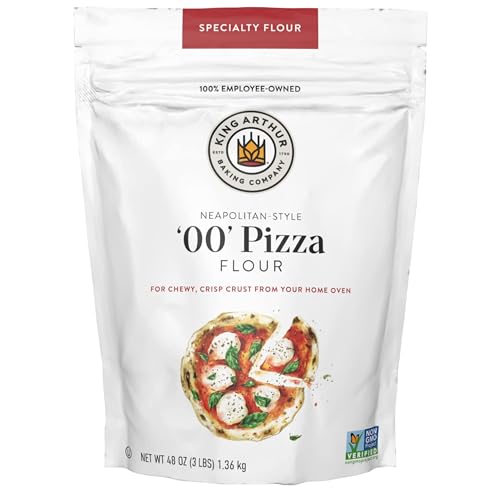
King Arthur 00 Pizza Flour, 3 lb Bag

Antimo Caputo Chef’s Flour 2.2 LB (Case of 10)
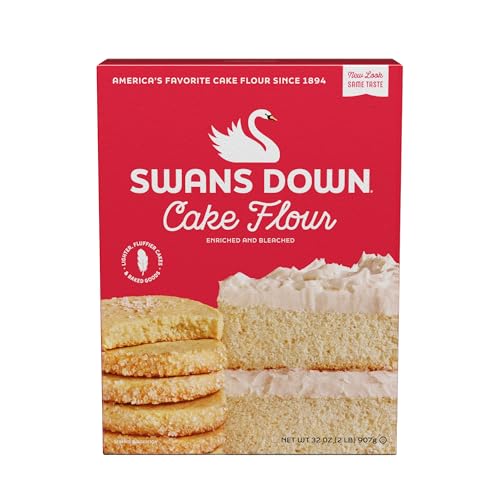
Swans Down Regular Cake Flour 32oz

King Arthur Bread Flour, Unbleached, 5 lb

Gold Medal All Purpose Flour, 3 lb

King Arthur Measure for Measure Flour, 3 lb

King Arthur Gluten Free Pizza Flour, 32 oz

King Arthur Gluten-Free Bread Flour, 2 lb

King Arthur Gluten-Free All-Purpose Flour, 24 oz

King Arthur Gluten-Free Bread and Pizza Mix, 18.25 oz
Inside Each Recommended Option
Milled extra fine from American-grown wheat, this 00 flour lands in that interesting middle ground for croissant work. The grind is finer than bread flour, so your dough rolls out without dragging, yet the protein blend still gives laminated layers something to grip. Bakers chasing the airy interior of a Parisian-style croissant often reach for a 00 alongside, or instead of, a higher-protein option, especially when the dough runs on the wetter side.
For home kitchens without a pro dough sheeter, the texture helps. Lamination gets noticeably easier when the dough relaxes quickly between folds, and a fine 00 tends to cooperate. If you split your baking time between Neapolitan-style pizza and laminated pastries, this bag pulls double duty without losing its identity.
Notable Upsides
- Exceptionally fine grind, so sheets roll thinner with less springback
- Milled from 100% American-grown wheat, with non-GMO verification
- Mid-range protein supports solid oven spring during lamination proofing
- Works well for pizza, focaccia, and laminated dough from the same bag
- 3 lb size suits a once-or-twice-a-month bake schedule without going stale
Some Limits To Know
- Not the highest protein option here, so very enriched doughs may need a blend
- Stored flour can attract pantry moths, so airtight containers are wise
Key Specs
Best Suited To
Home bakers dabbling in 00 flour for both laminated pastries and pizza who want a domestic supply in a manageable size.
Look Elsewhere When
King Arthur Bread Flour (Pick 4) suits you better if you want maximum gluten development for very enriched, butter-heavy croissant doughs.
A case of ten 2.2 lb bags is a serious commitment, and that is the point. Caputo’s Chef’s Flour is a soft-wheat 00 designed in Naples for pizza, but it has earned a long following among pastry bakers who like the gentle, extensible dough it produces. For a home baker who already knows the rhythm of croissants and runs through flour quickly, the bulk format trims the cost per pound noticeably.
Where this flour shines in laminated work is the long-fermentation path. Cold doughs that rest 24 to 48 hours in the fridge behave well, with a soft but manageable tack. Bakers in humid climates often find Caputo easier to handle than a higher-protein bread flour because it absorbs slightly less ambient moisture.
Positive Points
- Soft-wheat 00 grind that stretches cleanly during lamination folds
- Bulk case cuts cost per pound for steady bakers
- Long respected in pizzeria settings since 1924
- Performs well under extended cold fermentation
Practical Considerations
- 22 lb of flour demands real storage space and pest-proof containers
- Lower protein than bread flour, so enriched doughs may rise less aggressively
Who It Suits Best
Frequent home bakers baking weekly or running a small pizza-night routine who want soft-wheat 00 in volume.
Consider Something Else When
Gold Medal All Purpose Flour (Pick 5) makes more sense for casual bakers who only run through a few pounds a month.
Cake flour does not belong in a straight croissant dough, and that is worth saying upfront. Where it earns a spot on this list is as a blending flour. Pulling a small percentage of Swans Down into a bread-flour base softens the crumb, shortens the gluten strands a touch, and produces a more tender, pastry-shop style flake in the finished croissant.
Most home bakers will treat it as a secondary bag, kept on hand to adjust texture. If your laminated dough comes out chewy rather than pillowy, a 10 to 15 percent swap toward cake flour usually fixes it without wrecking the rise.
What Stands Out
- Milled from soft American winter wheat for low-protein tenderness
- No added baking powder or salt, so recipes stay in your control
- Two-pound bag fits a standard pantry shelf
Honest Caveats
- Standalone use produces a dough too weak for proper lamination
- Best treated as a blending component, not the main flour
Right Fit For
Bakers who already keep a bread flour on hand and want a softer, more pastry-shop crumb in their finished croissant.
A Better Fit Elsewhere
King Arthur Bread Flour (Pick 4) is the right call for anyone baking croissants straight from one bag with no blending required.
If you keep only one flour on the counter for laminated dough, this is the one. King Arthur’s unbleached bread flour runs a full point higher in protein than most national brands, which means the gluten network holds up through the multiple turns of butter and dough that define a croissant. Layers stay defined, and the final bake has the loft bakers chase.
It also behaves predictably across climates. The unbleached profile gives dough a slightly tan cast before bake, and the higher absorption means your typical hydration percentage may want a small bump. Bakers moving from all-purpose to this flour often find laminated doughs stop tearing at the edges during the third turn.
A Few Strong Suits
- Higher protein supports a strong gluten network during lamination
- Unbleached, with no added enzymes to mess with timing
- Works for bread, rolls, pizza, and croissants from one bag
- 5 lb size keeps you stocked through several bake sessions
Trade Offs
- Stronger gluten can make a very chewy crumb if hydration is low
- 5 lb bag is heavier and benefits from a sealed storage bin once opened
Key Specs
Made For
Bakers who want a single, reliable bag for croissants, brioche, and any yeasted laminated dough without blending.
Skip It When
King Arthur 00 Pizza Flour (Pick 1) is a better match if you prefer an Italian-style, finely milled dough for thinner layered pastries.
Gold Medal’s all-purpose flour lands in a comfortable middle for the casual croissant baker. Protein lands somewhere between cake and bread flour, so the dough stays manageable for newer bakers who have not yet developed a feel for hydration. The resealable bag is a small but real perk for anyone who has wrestled with a paper-tied sack and a chip clip.
Croissants made from all-purpose flour will not rise as dramatically as a high-protein bread flour build, but they tend to be more forgiving. The final crumb skews tender rather than chewy, which a lot of home bakers actually prefer. For a first attempt at lamination, the lower protein means less risk of a tough, overworked dough.
The Upside
- Mid-range protein suits a forgiving first lamination
- Resealable bag keeps flour fresh between bakes
- One bag covers cookies, cakes, and laminated dough
Points To Note
- Lower rise ceiling than a dedicated bread flour
- May need a higher butter percentage to push layers further
Perfect Match For
First-time croissant bakers and casual weekend cooks who want a single pantry staple that handles multiple recipes.
Another Choice May Suit
King Arthur Bread Flour (Pick 4) is worth the swap once you want a higher, more bakery-style rise from your lamination.
Measure for Measure is the gluten-free flour that swaps into wheat recipes without a math problem. Cup-for-cup, gram-for-gram, it stands in for all-purpose flour in non-yeast bakes, which makes it a strong fit for cookies, quick breads, muffins, and pancakes. For croissants, it sits on the edge of what it can do, and you will want to set expectations honestly.
Because the blend includes xanthan gum, a baked good built with it gains structure without gluten. The catch shows up in laminated work, where layers depend on long, elastic strands of gluten to trap steam. Forcing this flour into a classic croissant recipe usually produces something closer to a soft, enriched roll than a flaky pastry. Where it shines is the danish-style or enriched-brioche cousin.
Bright Spots
- 1:1 swap into standard wheat recipes, no ratio math
- Fortified with iron, calcium, and vitamin B
- Non-GMO and kosher certified
Where It Is Less Suited
- Laminated croissant work without recipe adjustment usually disappoints
- Contains xanthan gum, which some scratch bakers prefer to control themselves
Who Will Love This
Gluten-free bakers making cookies, cakes, and quick breads who want one pantry bag that handles almost any wheat recipe.
Not Your Match When
King Arthur Gluten-Free Bread Flour (Pick 8) is the smarter grab for yeasted, structured gluten-free baking.
Built for gluten-free pizza, this blend uses sorghum flour, gluten-free wheat starch, and xanthan gum to mimic the chew and rise of a wheat dough. The result is a sturdier dough than a generic GF all-purpose, which is exactly the texture a celiac-friendly pizza night calls for. It is not, however, a laminated-dough flour in the traditional sense.
Like Measure for Measure, the xanthan gum does the structural heavy lifting. In laminated work, that means layers hold together but do not flake the way wheat-gluten does. Bakers who have moved past accepting that limitation tend to repurpose this bag for pan pizzas, flatbreads, and focaccia-style bakes where the same chew is welcome.
Key Advantages
- Engineered for chewy, well-risen gluten-free pizza
- Blend includes sorghum for flavor and xanthan for structure
- Celiac-friendly formulation, handled in a dedicated facility
Things To Weigh
- Not built for traditional flaky croissants
- Best results need a recipe written for this specific blend
Whose Shelf It Belongs On
Gluten-free home bakers focused on pizza, flatbreads, and yeasted savory bakes rather than laminated pastry.
Reach For A Different Pick When
King Arthur Gluten-Free Bread Flour (Pick 8) fits better for yeasted baking that demands more open crumb and structure.
Among gluten-free options, this is the bag aimed at serious yeasted work. King Arthur’s gluten-free bread flour uses gluten-free wheat starch alongside sorghum flour and xanthan gum to build a dough that actually traps gas and rises like a wheat version. Bagels, burger buns, cinnamon rolls, and small artisan loaves all fall inside its wheelhouse.
For laminated work, the same caveat applies as with other GF blends: the layers will never quite behave like wheat. But for bakers who want the closest texture to a traditional enriched dough in a gluten-free format, this is the one most likely to deliver. In a typical home kitchen, the 2 lb bag is enough for several projects.
Points In Its Favor
- Designed as a 1:1 swap in yeasted wheat recipes
- Gluten-free wheat starch improves rise and chew
- Smaller 2 lb bag helps keep blend fresh
Points To Keep In Mind
- Croissant lamination will still need recipe adjustments
- Shorter shelf life than wheat flours once opened, plan usage accordingly
Feature Snapshot
The Right Fit
Gluten-free bakers tackling bagels, buns, and enriched yeasted doughs who want the most bread-like result available.
Swap It Out When
King Arthur Gluten-Free Bread and Pizza Mix (Pick 10) is the easier grab if you want a pre-formulated mix instead of a from-scratch blend.
For scratch gluten-free bakers who prefer to control the binder, this is the bag that skips the xanthan. King Arthur blends white rice flour, whole-grain brown rice flour, tapioca starch, and potato starch into a base that lets you decide whether to add xanthan or psyllium yourself. The result is more open-ended than a 1:1 swap, but that flexibility is the draw.
Croissant work without any binder is a hard climb, so most bakers pair this flour with a separate xanthan addition. Pancakes, quick breads, cookies, and pie crusts are where it truly shines. If your kitchen runs on recipes you have written yourself, this is a more honest building block than a pre-blended 1:1 product.
Useful Strengths
- Free of xanthan gum, giving bakers control over texture
- Built from rice, tapioca, and potato starch for neutral flavor
- Non-GMO and kosher certified
Where It May Fall Short
- No binder means recipes need a separate addition for yeasted baking
- Smaller 24 oz bag suits bakers who bake often rather than in bulk
Built With In Mind
Gluten-free scratch bakers who like to choose their own binders and write their own recipes from the ground up.
Where A Sibling Pick Shines
King Arthur Measure for Measure Flour (Pick 6) suits bakers who want a pre-blended 1:1 swap and no separate xanthan step.
A pre-formulated mix takes the recipe-tinkering out of gluten-free baking, and that is exactly why it earns the final slot. King Arthur’s gluten-free bread and pizza mix is fortified with iron, calcium, and vitamin B, and is engineered to slice and hold together like a traditional wheat loaf. You add yeast, water, oil, and eggs, then follow a straightforward schedule.
The honest read is that a mix trades flexibility for consistency. Bakers who want full control over hydration or binder choice will feel hemmed in, while beginners tend to love the predictable outcomes. For a quick gluten-free pizza night or a sandwich loaf without a side trip to the bulk-bin store, it pulls its weight in a busy kitchen.
Strengths Worth Knowing
- Pre-mixed, fortified blend simplifies the bake
- Slices like a traditional wheat loaf, no grittiness reported
- Non-GMO and kosher certified
Smaller Limitations
- Less flexibility than a from-scratch flour blend
- 18.25 oz box runs through faster for frequent bakers
Who Should Grab It
Gluten-free bakers who want a one-box, no-math approach to loaves and pizza without a long ingredient list.
Where Another Pick Suits Better
King Arthur Gluten-Free Bread Flour (Pick 8) is the upgrade for bakers ready to dial in their own hydration and binder choices.
Choosing A Flour That Actually Suits Your Croissant
Match Protein To Your Lamination Style
The single most important attribute for croissants is protein content. Higher protein flours, in the 12 to 14 percent range, develop the gluten network that traps steam during the bake, which is what creates those airy pockets. Lower protein flours produce a more tender, pastry-shop style crumb, but with less loft. Bakers using a long, cold fermentation typically want a higher protein flour because the dough will be handled and shaped repeatedly, and that handling punishes a weak structure. Bakers prioritizing tenderness over height can blend a portion of cake or 00 flour into a bread flour base for a softer bite.
Know What 00 Really Means
“00” is an Italian milling grade that refers to grind fineness, not protein content. A 00 flour can be high protein, low protein, or anywhere between. For croissant work, a fine grind helps the dough roll out thinner without springing back, which is helpful when you are laminating by hand without a pro sheeter. Some bakers use 00 alongside a higher-protein flour, treating it as a textural tool rather than the structural backbone.
Gluten-Free Means Accepting Trade Offs
Gluten-free flour blends cannot replicate the elastic gluten network that defines a laminated dough. The xanthan gum or psyllium in these blends substitutes for some of that structure, but the flake pattern will always differ. If celiac-friendly baking is a hard requirement, leaning into enriched, yeasted bakes (brioche-style, danish-style) typically produces better results than chasing a classic croissant. Pre-formulated mixes also remove the recipe-tinkering that turns off a lot of newcomers.
Storage And Freshness Matter
Flour, especially the finely milled and starch-based gluten-free blends, goes stale faster than most people expect. Storing opened bags in airtight containers, away from heat and sunlight, and using them within a few months of opening keeps the dough behaving predictably. Pantry moths and weevils are real risks for any flour kept in a paper bag, so a sealed bin is the single most useful upgrade a home baker can make.
Key Considerations Across These Picks
Common Shopping Slip Ups
The most frequent mistake is grabbing an all-purpose flour for a laminated bake and wondering why the rise feels flat. All-purpose works in a pinch, but its protein content rarely climbs high enough to support multi-turn lamination. A second common slip is buying a 00 flour and assuming it carries high protein, when 00 only describes grind fineness. A third is opening a bag and storing it loosely in the pantry, where humidity and pests quietly degrade the flour before the next bake.
Where The Extra Money Goes
Premium flours cost more for reasons that genuinely matter in laminated work. Tighter protein specifications, dedicated milling lines (especially for gluten-free products), and lower-volume runs all add to the bag price. The upgrade usually pays off in fewer failed bakes, more consistent hydration behavior, and a longer usable shelf once opened. For casual bakers, a mid-tier all-purpose still gets the job done, but the dedicated bread and 00 flours quickly earn their keep once lamination becomes a regular habit.
Frequently Asked Questions
What protein percentage is best for croissants?
Most bakers target 12 to 14 percent protein for laminated dough. Lower protein produces a tender, less lofty bake, while higher protein supports bigger rise and more defined layers.
Can I use 00 flour for croissants?
Yes, with the right expectations. 00 refers to grind fineness, not protein, so check the bag’s protein content. A mid-protein 00 can work well, often blended with a higher-protein flour for structure.
How long should I proof croissant dough?
A long, cold proof in the refrigerator, typically 8 to 24 hours after shaping, develops flavor and relaxes the gluten. Room-temperature proofing is faster but gives less flavor depth.
Do I need a special flour for gluten-free croissants?
Gluten-free croissants require a blend with a binder like xanthan gum or psyllium husk. Pre-formulated mixes are the easiest path, while from-scratch blends give more control over texture.
How do I store flour so it stays fresh?
Keep opened flour in an airtight container, away from heat and sunlight, and use it within a few months. A sealed bin also keeps pantry pests out of the bag.
Final Verdict
Croissant flour choices come down to protein, grind, and how much hands-on tinkering you enjoy. Bakers who want a single dependable bag for laminated dough land on a high-protein bread flour, while those who like to blend textures reach for a 00 or a cake flour alongside. Gluten-free bakers do best when they accept that the flake pattern will differ and lean into enriched, yeasted bakes that play to what the blends can do. Pick the bag that matches your kitchen rhythm, and let the rest of the recipe follow.
