

Pastry is unforgiving. A buttery croissant, a delicate tart shell, or a chewy pizza base lives or dies by what goes into the mixing bowl, and the flour you reach for quietly steers everything from crumb to color. Picking the right bag used to mean a deep dive into protein percentages and milling styles, so the roundup below sorts the shortlist for you. Every option here solves a real kitchen problem, whether you’re baking a Sunday cake, stretching cold-fermented pizza dough, or keeping a gluten-free household well fed.
The Shortlist At A Glance

Mulino Caputo 00 Pizzeria Flour 1-kg (Pack of 4)

Bob’s Red Mill Gluten Free 1-to-1 Baking Flour 22 oz
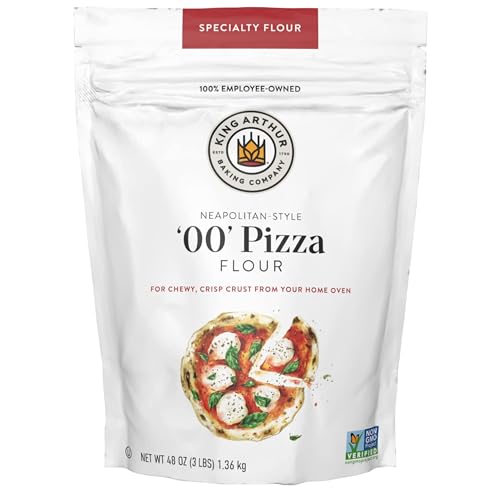
King Arthur 00 Pizza Flour 3 lb Bag

Antimo Caputo Chef’s Flour 2.2 lb Case of 10
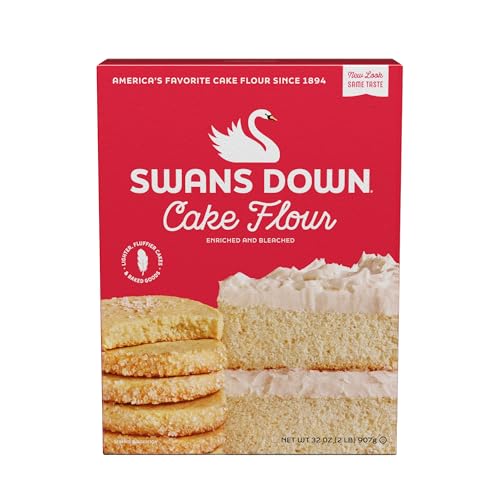
Swans Down Regular Cake Flour 32 oz

King Arthur Bread Flour Unbleached 5 lb

Gold Medal All Purpose Flour 3 lb Resealable

King Arthur Semolina Flour Coarse 3 lb

King Arthur Cake Flour Unbleached 2 lb
Antimo Caputo Chefs Flour 00 2.2 lb (Pack of 10)
What Each Pick Brings To The Table
Start here if your kitchen leans toward Neapolitan-style pizza. The “00” label refers to the fineness of the grind, and this bag comes from a Naples mill that has been quietly setting the standard for pizzeria flour for generations. Four one-kilo bags mean you won’t run out mid-stretch on a Friday night.
Compared with the all-purpose options later in this list, this is a much softer, more finely milled wheat. The trade-off is lower protein, which keeps dough extensible rather than chewy. Home pizzaiolos who care about leopard-spotted crust and a tender cornicello will appreciate that balance. In most home ovens running at the upper end of their range, it produces a pliable dough that puffs rather than toughens.
Features That Help
- True 00 grind, the classic pizzeria standard for fine-milled soft wheat
- Four-bag pack keeps a serious home pizzaiolo stocked for a few months of weekend pies
- Lower protein than bread flour, which encourages a soft, open crumb instead of a tight chew
- Trusted Naples heritage brand with wide recipe support online
Trade-Offs Worth Knowing
- Not ideal for tall, structured yeasted loaves where chew matters more than tenderness
- Multiple bags need dry, airtight storage to keep the flour fresh over time
Built For
Home pizzaiolos chasing authentic Neapolitan texture with a long, cool ferment in the fridge.
Swap It Out For
Choose Gold Medal All Purpose Flour 3 lb Resealable for casual weeknight bakes that need more flexibility than specialty flour.
If wheat is off the table, this bag makes the swap painless. The blend mixes rice flour, starches, and xanthan gum (a powder that steps in for gluten’s binding role) so the bag is meant to be used cup-for-cup in standard recipes. Cookies, muffins, brownies, and pancakes tend to behave much closer to a wheat bake than most single-flour alternatives.
For households managing celiac or a wheat sensitivity, the win is predictability. The blend arrives pre-balanced, removing the usual dance of weighing three or four flours. That said, you may find enriched doughs like brioche still need a touch of extra binder, and the 22-ounce bag moves quickly once opened, so plan your recipes within a few weeks.
Positive Takeaways
- One-to-one replacement for wheat flour in most standard recipes
- Built-in xanthan gum removes guesswork from gluten-free baking
- Wide recipe compatibility from cookies to quick breads
Honest Caveats
- Yeast-raised breads and laminated doughs remain tricky without gluten structure
- Opened bags have a shorter usable window than a sealed wheat bag
Quick Specs
Whose Pantry It Belongs In
Gluten-free households baking cookies, muffins, pancakes, and quick breads for family and friends.
Another Choice May Suit
Pick King Arthur Bread Flour Unbleached 5 lb if gluten isn’t a concern and you want tall, chewy loaves instead.
The Italian-imported flours on this list have real pedigree, but King Arthur’s domestic alternative speaks to bakers who would rather source closer to home. The bag is milled to that same 00 fineness, blending American hard and soft wheats for a refined texture that suits thin-crust pies.
Where Mulino Caputo leans Neapolitan, this bag strikes a more middle path. It still has enough structure to hold toppings without sagging, yet it isn’t the chewy, bread-flour bite you would expect from a higher-protein bag. For American home ovens that don’t reach true 900-degree pizzeria temps, the slightly more forgiving grind is a quiet plus.
Good Reasons To Consider
- 00 grind from 100% American-grown wheat, simpler to track for sourcing preferences
- Non-GMO Project Verified status printed on the bag
- Balanced enough for both thin-crust pizza and flatbread-style bakes
Points To Note
- Not the right pick for chewy, open-crumb pan pizza where bread-flour strength helps
- Texture profile sits between authentic Italian 00 and a higher-protein flour, so recipes may need a quick test bake
Made For
Domestic-sourcing bakers who want Italian-style fineness in a home-oven-friendly package.
Reach For A Different Pick When
Swans Down Regular Cake Flour 32 oz is the better call for tender cakes and cupcakes that need soft-wheat behavior.
Twenty-two pounds of soft-wheat 00 flour arrives in a case of ten 2.2-pound bags. For serious home pizzaiolos, weekend bread projects, or anyone running a small wood-fired setup, that scale turns into genuine convenience. One trip covers months of mixing bowls.
The flour itself is the same Chef’s formulation that has anchored Neapolitan home baking for years. Soft wheat, slow-fermentation friendly, and tolerant of long fridge rises. You’ll want somewhere cool and dry to stash unopened bags, since soft-wheat flour loses its magic faster than a hard-wheat bag once exposed to humidity.
Bright Spots
- Ten individually sealed bags keep the rest of the case fresh while one is in use
- Soft-wheat 00 ideal for slow, cold-ferment pizza and focaccia
- Same trusted Caputo formulation long used in Neapolitan pizzerias
Things To Consider
- Twenty-two pounds is a lot of flour, overkill for casual weeknight bakers
- Soft-wheat flour has a shorter shelf life than hard-wheat alternatives once opened
Quick Specs
The Right Fit
Frequent home pizzaiolos and bread bakers who want a serious backup supply without monthly reorders.
Consider Something Else When
Pick Mulino Caputo 00 Pizzeria Flour 1-kg (Pack of 4) if you’d rather not commit to a full 22-pound case yet.
Swans Down has been sitting on American pantry shelves for generations, and the reason is simple: it does what cake flour should do. Milled from soft winter wheat and intentionally lower in protein, the result is a fine, almost powdery flour that absorbs butter and sugar into a tender, even crumb.
The 32-ounce bag suits a household that bakes layer cakes, cupcakes, and the occasional shortbread without committing to a bulk case. Since this is a no-leavening-added flour (meaning it doesn’t include baking powder, so recipes control their own rise), you can lean on it for shortbread, biscuits, and pastry cream just as easily.
A Few Strong Suits
- Soft winter wheat base for a genuinely tender cake crumb
- No baking powder or salt added, so recipes control the rise and seasoning
- Works for cakes, cupcakes, shortbread, and delicate pastry
Small Caveats
- Too soft for structured yeasted breads or chewy pizza dough
Quick Specs
Best Suited To
Home bakers focused on layer cakes, cupcakes, and shortbread where a soft, even crumb is the goal.
A Better Fit Elsewhere When
King Arthur Bread Flour Unbleached 5 lb is the stronger choice for tall, chewy yeasted loaves.
When the recipe calls for a tall, chewy, well-structured bake, you reach for bread flour. King Arthur’s version is milled from higher-protein wheat, and the brand publishes its protein content rather than hiding it, so you know what you’re getting into before the first rise.
Five pounds covers a busy month of sandwich loaves, dinner rolls, and pan pizzas. The unbleached milling leaves a slightly creamier color than the bright-white alternatives. For sourdough bakers, that higher protein content also feeds a more aggressive starter, which can be a quiet advantage in cooler kitchens.
Everyday Wins
- Higher protein content supports tall, chewy loaves and rolls
- Unbleached milling keeps a natural cream tint in the crumb
- Five-pound bag suits a household baking several loaves a month
Where It May Fall Short
- Too much structure for delicate cakes, pastry cream, or tender shortbread
- Heavier bag than casual bakers need for a single weekend project
Quick Specs
Perfect Match For
Sourdough starters, sandwich loaves, and dinner rolls from home bakers who value a strong rise.
Look Elsewhere When
Swans Down Regular Cake Flour 32 oz is the smarter pick for tender, low-protein bakes.
The bag most American pantries know best, and for good reason. Gold Medal’s all-purpose flour is moderate in protein, milled to a fine consistency, and packaged in a resealable bag that helps the contents stay usable for months. Cookies, quick breads, roux-based sauces, and a respectable pizza dough all fit comfortably inside its range.
For everyday cooking, this is the workhorse. The protein level won’t give you the same tall rise as a dedicated bread flour, and it won’t give you the silken crumb of a cake flour, but it will rarely let you down when a recipe just says “flour”. The three-pound bag fits standard pantry shelves and refills without drama.
What Pays Off
- Versatile protein level handles cookies, quick breads, and casual pizza dough
- Resealable bag helps keep flour fresh between uses
- Three-pound size fits standard pantry shelves without overflow
Practical Considerations
- Not optimized for either tall yeasted loaves or delicate sponge cakes
Quick Specs
Who Will Love This
Casual home cooks who want one bag that covers cookies, biscuits, sauces, and impromptu pizza.
Skip It When
King Arthur Semolina Flour Coarse 3 lb is the right swap for fresh pasta and rustic semolina breads.
Semolina is its own animal: coarse-ground durum wheat (a hard, golden variety used for pasta), high in protein, and tinted a soft, buttery yellow. King Arthur mills the bag in the United States from American-grown durum, then packages it in a resealable pouch for kitchen convenience.
The obvious home is fresh pasta, where the texture gives sheet and extruded dough a satisfying bite. It also enriches pizza doughs and rustic semolina breads with a nutty flavor and a touch of color. Pastry chefs sometimes dust the work surface with semolina when rolling out sticky doughs, since the coarse grain keeps things from welding to the counter.
Practical Advantages
- Coarse durum grind for fresh pasta with a satisfying bite
- Nutty, slightly sweet flavor that lifts pizza doughs and rustic breads
- American-grown wheat in a resealable three-pound bag
Points To Keep In Mind
- Coarse texture is wrong for fine sponges, tender cakes, and pastry cream
- Yellow tint will shift the color of pale baked goods if used in place of regular flour
Right Fit For
Home pasta makers and rustic bread bakers who want a nutty flavor and a sturdy, chewy crumb.
Not Your Match When
Choose King Arthur Cake Flour Unbleached 2 lb for delicate sponges and tender layer cakes.
Where Swans Down leans heritage and bright-white, King Arthur’s cake flour goes the other way: unbleached, unenriched, and free from any added preservatives. The result is a softer, creamier-tinted flour with about 10% protein that still turns out reliably tender layers and cupcakes.
The two-pound bag suits a household that bakes cake on special occasions rather than weekly. The shorter size also helps the flour stay fresh between uses, since cake flour loses its fine texture faster than heartier bread flours once exposed to air.
Points In Its Favor
- No bleach, no bromate (a dough-strengthening additive), no preservatives added
- Non-GMO Project Verified ingredient sourcing
- Soft, low-protein grind for tender cake and cupcake crumb
Trade-Offs To Consider
- Two-pound bag is small for households baking several cakes a month
- Won’t help with chewy pizza, structured loaves, or laminated doughs
Quick Specs
Who Should Grab It
Clean-label home bakers focused on tender cakes, cupcakes, and delicate pastry work.
Where Another Pick Suits Better
Swans Down Regular Cake Flour 32 oz is the more economical pick for high-volume cake baking.
Caputo’s Chef’s flour sits in the same Neapolitan tradition as the Pizzeria blend earlier in this list, but with a slightly more forgiving profile. The grind is still 00, but the protein is tuned for long, cool ferments. Think cold-rise pizza dough, slow focaccia, and soft Italian breads rather than the quick Neapolitan snap.
Pack-of-ten sizing means this is the bag for committed weekend bakers with a real storage plan. Each 2.2-pound bag stays sealed until you need it, which helps soft-wheat flour keep its character longer than a single opened bag on a shelf. The honest read is that casual bakers will be swimming in flour for months, but regulars will appreciate the headroom.
Notable Upsides
- Soft-wheat 00 formulated for long, cool fermentations
- Ten-bag pack keeps unopened bags fresh while one is in use
- Italian heritage milling, well-supported by online pizza and bread recipes
Worth Bearing In Mind
- Twenty-two pounds of soft-wheat flour is far more than casual bakers need
- Not the right grind for yeasted sandwich loaves that need a tougher gluten network
Built With In Mind
Slow-ferment pizza and focaccia bakers who run a regular weekend dough schedule.
Where A Sibling Pick Shines
Antimo Caputo Chef’s Flour 2.2 lb Case of 10 is a closely related bulk option if you want the same soft-wheat profile at case scale.
Factors To Weigh When Choosing Flours For Pastry
Protein content is the single biggest lever. Lower-protein flours (around 8 to 10 percent) keep cakes tender, while higher-protein flours (12 percent and up) build gluten strands that trap gas and rise tall in yeasted breads. Picking the wrong direction is the most common reason a recipe “doesn’t work” when the rest of the ingredients were right.
Match The Flour To The Bake
Pizza styles split into at least two camps. Neapolitan-style pies reward soft 00 flour with a tender, leopard-spotted crust, while New York-style pan pizzas want the chew of a higher-protein bread flour. Laminated doughs like croissants fall somewhere between, often leaning on a stronger flour for layer structure. Knowing your target texture before you buy keeps the pantry honest.
Think About Storage And Freshness
Soft-wheat flours lose their edge faster than hard-wheat ones once opened, especially in humid kitchens. Smaller bags that get used up in a few weeks, or case packs with individually sealed bags, tend to keep the flour closer to its milled character. A cool, dry pantry and an airtight container are the two cheapest insurance policies you can buy.
Account For Dietary Needs Up Front
Gluten-free baking doesn’t behave like wheat baking even with the best blends on the market. Some recipes, especially yeasted and laminated doughs, need additional binders or longer proofs. If wheat allergies or celiac disease are part of your household, plan for a separate test bake before committing a recipe to a holiday table.
Smart Habits Before You Stock Up
Pitfalls Shoppers Hit
The most common trap is treating “00” and “all-purpose” as interchangeable. The two flours sit at opposite ends of the protein spectrum, and recipes written for one will disappoint you in the other. A second pitfall is ignoring protein percentages on the bag. If a recipe calls for a specific rise or crumb, the number on the label matters more than the marketing name.
Where The Extra Money Goes
Premium Italian-milled flours cost more for several real reasons. They are often imported, milled on slower settings for a finer texture, and produced in smaller batches. For a special-occasion pizza or a meaningful bread project, the upgrade pays off in flavor and workability. For a weeknight pancake or a casual cookie, the difference is harder to taste, and an all-purpose bag is the pragmatic pick.
Frequently Asked Questions
What is the difference between 00 flour and all-purpose flour?
00 flour is milled finer than all-purpose flour and usually has lower protein, which gives pizza and certain breads a tender, less chewy texture. All-purpose flour has a mid-range protein content and a coarser grind, making it a flexible choice across many recipes.
Can I substitute bread flour for all-purpose flour in cakes?
You can, but expect a tougher, less tender crumb because bread flour has more protein and develops more gluten when mixed. For delicate cakes, a dedicated cake flour gives a noticeably softer result.
Is semolina flour the same as regular flour?
No, semolina is milled from durum wheat and has a coarser grind, a golden-yellow color, and a nuttier flavor. It works well for fresh pasta and rustic breads but changes the texture of delicate baked goods.
How long does an opened bag of flour stay fresh?
Most opened wheat flour stays usable for six months to a year when stored in a cool, dry, airtight container. Soft-wheat flours and gluten-free blends may lose their edge sooner, so smaller bags are often the safer bet.
Do I need a special flour for pizza at home?
A soft 00 flour like the ones in this list produces a more traditional Neapolitan-style crust, but a higher-protein bread flour yields a chewier, more structured slice. The right choice depends on the pizza style you prefer and the temperature your home oven can reach.
Closing Remarks
The flour you reach for quietly shapes every bake that leaves your kitchen, from the snap of a pizza crust to the silken crumb of a layer cake. Match the protein to the project, keep soft flours sealed and dry, and don’t be afraid to keep two or three bags on hand so the right one is always within reach. A thoughtful shortlist beats a one-bag-fits-all approach every time.
