

Cycling between a half-dozen rice flours and starches gets old fast when your bread machine just sits there. Most home bakers chasing a soft, sliceable sandwich loaf without wheat quickly learn that the wrong blend turns out dense, crumbly bricks no matter how perfect the cycle.
The picks below are a mix of dedicated gluten-free all-purpose blends, a couple of yeasted-bread specialists, and a few “nice to have on the shelf” options for pizza nights and weekend cakes. Read the whole list or jump to the loaf shape you actually bake most.
The Main Contenders

Bob’s Red Mill Gluten Free 1-to-1 Baking Flour, 22oz (4 Pack)
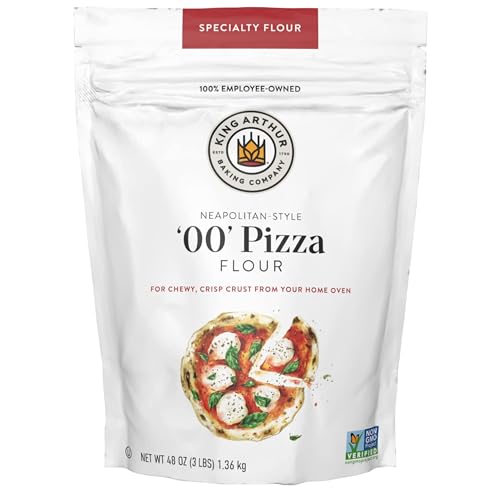
King Arthur 00 Pizza Flour, 3 lb Bag

King Arthur Bread Flour, Unbleached, 5 lb

King Arthur Gluten Free Chocolate Cake Mix, 22 oz

King Arthur Measure for Measure GF Flour, 3 lb

King Arthur Gluten-Free Bread Flour, 2 lb

King Arthur Gluten Free Pizza Flour, 32 oz

King Arthur Gluten-Free Fudge Brownie Mix, 17 oz

King Arthur Gluten-Free All-Purpose Flour, 24 oz

King Arthur Gluten-Free Bread and Pizza Mix, 18.25 oz
The Strengths Of Each Pick
If your bread machine has a “gluten free” cycle, this blend is the closest thing to a default setting. Bob’s Red Mill built the mix around a balance of rice flours, starches, and xanthan gum, which is the binder that gives gluten-free dough its elasticity and structure. The 1-to-1 ratio means you can usually swap it into standard recipes without re-balancing liquids.
For anyone baking a couple of loaves a week, the four-pack format keeps a steady supply on the shelf without running out mid-cycle. Compared to the single-box specialty flours later in this list, the value per ounce tends to land favorably.
The Good Stuff
- Xanthan gum already built into the blend, so most recipes need no extra binder
- 1-to-1 cup-for-cup swap keeps recipe conversions simple in a standard machine
- Four-bag pack reduces the risk of running out mid-bake
- Widely compatible with non-yeast bakes like muffins, pancakes, and cookies
Things To Consider
- Owners commonly report that very long, tall sandwich loaves can still come out denser than wheat-based bread
- Storage in a cool, dry pantry matters once opened, since rice-based flours are sensitive to moisture
Who It Suits Best
Home bakers who run their machine on a “set it and forget it” gluten-free cycle a few times a month.
Consider Something Else When
You mostly want classic wheat loaves with strong oven spring, in which case King Arthur Bread Flour, Unbleached, 5 lb is the better fit.
This is the only wheat-based pick on the list, and it earns its slot by being unusually versatile. The “00” label refers to a very fine Italian-style grind, traditionally used for pizza dough, but it also produces silky, chewy sandwich rolls and focaccia from the same bread machine dough cycle.
King Arthur mills this from a blend of hard and soft American-grown wheat varieties, which gives it a balanced protein profile. If you bake for a household that does not require gluten-free, this flour stretches far beyond pizza night.
Positive Points
- Ultra-fine grind creates smooth, elastic dough in a bread machine without a separate kneading step
- Strong enough for Neapolitan-style crust with characteristic chew
- Clean ingredient list with no additives required for structure
Worth Noting
- Contains wheat, so this is not an option for celiac or gluten-sensitive households
- Pizza-specific grind may feel over-specialized if you only bake sandwich bread
Made For
Home pizzaiolos chasing an authentic chewy crust on a dedicated dough cycle.
Look Elsewhere When
You need a strict gluten-free bake, where Bob’s Red Mill Gluten Free 1-to-1 Baking Flour, 22oz (4 Pack) is the smarter pantry default.
For the highest-rising, chewiest wheat loaf a home machine can produce, higher protein is the lever. King Arthur’s unbleached bread flour sits a full point above many national brands, which translates into stronger gluten development during the knead cycle and a taller final loaf.
The 5 lb bag is a working-kitchen size that suits a household baking a loaf a week. Coming in after the all-purpose Bob’s Red Mill blend, this one handles a totally different job, and many bakers keep both on hand.
Bright Spots
- High protein content supports tall sandwich loaves and chewy bagel-style rolls
- Unbleached, so no chemical whitening alters flavor
- 5 lb size suits regular weekly bakers without constant repurchasing
Trade Offs
- Wheat-based, so not suitable for gluten-free or celiac households
- Overkill for cookies, cakes, or tender quick breads that need lower protein
Right Fit For
Bakers chasing a tall, chewy wheat sandwich loaf with maximum oven spring.
Not Your Match When
Your household requires gluten-free baking, where King Arthur Gluten-Free Bread Flour, 2 lb is purpose-built for that exact cycle.
Not every cycle on a bread machine is a loaf. The cake setting on most machines handles batters just fine, and a good mix lets you skip the measuring cups entirely. King Arthur’s gluten-free chocolate cake mix is a pre-blended shortcut that yields two 8-inch rounds, a 9 by 13 sheet, or 24 cupcakes per box.
For birthdays, school events, and last-minute dinner parties, the trade-off is consistency over creativity. You trade the freedom of from-scratch baking for a reliable result every time.
What Stands Out
- Pre-portioned for predictable pan sizes, no flour math required
- Non-GMO, kosher, and non-dairy formulation broadens guest coverage
- Holds up to frosting, layering, and decoration without crumbling
Room For Improvement
- Mix-based format means you cannot adjust the flour base for dietary tweaks
- Larger box sizes can clump if stored in a humid pantry, so a sealed container helps
Best Suited To
Hosts running a gluten-free celebration who want a reliable chocolate cake without measuring flours by hand.
Skip It When
You want a one-bag base for all your baking, in which case King Arthur Measure for Measure Gluten-Free Flour, 3 lb is a more flexible long-term buy.
Measure for Measure is designed to behave like wheat flour in a measuring cup, which is a quietly useful feature. The blend already includes the binders and starches needed for cookies, cakes, muffins, and pancakes, so recipe conversions are mostly mechanical.
Where it differs from Bob’s Red Mill 1-to-1 is the enrichment profile. King Arthur adds iron, calcium, and B vitamins to compensate for what wheat flour naturally provides, which matters more for households that bake gluten-free daily.
Positive Takeaways
- 1:1 swap for wheat flour reduces recipe rewriting in standard cookbooks
- Fortified with iron, calcium, and B vitamins for everyday nutrition
- Kosher-certified, expanding its fit for observant households
Some Limits To Know
- Works best in non-yeast bakes, so yeasted loaves need a specialist blend like King Arthur Gluten-Free Bread Flour, 2 lb
- Once opened, transfer to an airtight container to keep the rice components from going stale
Who Should Grab It
Bakers who want a single bag of flour to rotate through cookies, muffins, and quick breads without juggling two blends.
Swap It Out When
You mainly bake yeasted loaves in the machine, where King Arthur Gluten-Free Bread Flour, 2 lb is engineered for the rise.
This is the only pick on the list engineered specifically for yeasted recipes in a bread machine. King Arthur’s gluten-free bread flour combines wheat starch that is certified gluten-free, sorghum flour, and xanthan gum to mimic the structure gluten normally provides.
For sandwich loaves, hamburger buns, and cinnamon rolls that need to hold their shape after slicing, this is the blend most likely to deliver. The 2 lb bag is a deliberate size, since you tend to use more flour per loaf than with cookies or muffins.
Real-World Strengths
- Built for the rise, with xanthan gum already balanced for yeasted doughs
- Cuts cleanly once cooled, so sandwich slices do not crumble mid-bite
- Works for bagels, buns, and rolls in addition to a standard loaf
Possible Compromises
- Smaller 2 lb bag means more frequent repurchasing for heavy bakers
- Not ideal for tender quick breads that benefit from a softer all-purpose blend
Perfect Match For
Anyone baking gluten-free sandwich loaves weekly and tired of dense, crumbly results from all-purpose blends.
Reach For A Different Pick When
You mostly bake cookies and cakes, where King Arthur Measure for Measure Gluten-Free Flour, 3 lb is the friendlier everyday option.
Bread machines with a dough cycle double as pizza-dough mixers, and a gluten-free pizza blend tends to be quite different from a sandwich-loaf blend. King Arthur’s GF pizza flour uses sorghum, certified gluten-free wheat starch, and xanthan gum, and is tuned to produce a crispy, airy Neapolitan-style crust.
If Friday night is pizza night and you have tried to make a passable GF crust with all-purpose blends, the difference is noticeable here.
Useful Strengths
- Crisp finish with a chewy interior, even at high oven temperatures
- Celiac-friendly formulation, produced in a dedicated facility
- Versatile enough for flatbreads, focaccia, and calzones
Where It May Fall Short
- Specialized grind is overkill if pizza is a once-a-month treat
- Not engineered for tall, yeasted sandwich loaves, where the dedicated bread flour performs better
Whose Shelf It Belongs On
Gluten-free households that treat pizza as a regular meal and want a crust that holds up to toppings.
A Better Fit Elsewhere
For everyday sandwich loaves, King Arthur Gluten-Free Bread Flour, 2 lb is built to rise where this one is built to crisp.
For the dessert setting on a bread machine or a quick oven tray, a brownie mix is one of the few things faster than a recipe. This King Arthur blend yields sixteen 2-inch squares, which covers a school-night dessert with leftovers.
It is one of the more accessible “starter” GF products for someone just rebuilding a gluten-free pantry. The preparation is unusually forgiving, with simple add-ins like eggs, melted butter, and water.
Standout Benefits
- Mix-and-pour simplicity, no flour measuring required
- Non-GMO and kosher-certified for broader guest coverage
- Consistent fudgy texture batch after batch
Small Caveats
- Single-use format means the bag is empty after one bake
- Less room to customize flour base for low-sugar or alternative-fat recipes
Who Will Love This
Busy households wanting a one-bowl gluten-free dessert without a special trip to the store.
Another Choice May Suit
If you would rather keep a single bag of flour for everything, King Arthur Measure for Measure Gluten-Free Flour, 3 lb stretches further across your recipe rotation.
This is King Arthur’s classic GF all-purpose blend, and it behaves a little differently from Measure for Measure. The base is white rice flour, whole-grain brown rice flour, tapioca starch, and potato starch, which gives it a clean flavor with no grittiness and no xanthan gum in the bag.
That last point matters for scratch bakers who prefer to control their own binders. For a bread machine cycle, you would typically add xanthan gum separately, so this works best for cookies, cakes, and quick breads that already include it in the recipe.
Everyday Wins
- Clean rice-and-starch base, with no xanthan gum, gives scratch bakers full control
- Smooth crumb with no grittiness or aftertaste, even in delicate cakes
- Non-GMO and kosher-certified
Areas To Watch
- No xanthan gum in the bag, so yeasted loaves need a separate binder added to the pan
- Smaller 24 oz size than the 3 lb Measure for Measure bag, so heavy bakers repurchase often
The Right Fit
Scratch bakers who want to control their own binders and ingredient list rather than use a pre-blended option.
Where Another Pick Suits Better
For a set-it-and-forget-it bread machine loaf, King Arthur Gluten-Free Bread Flour, 2 lb includes the binder and is more convenient.
For someone baking their first gluten-free loaf, the recipe can feel like a chemistry experiment. This King Arthur mix strips that down to water, yeast, and the bag. The finished loaf slices and behaves like a wheat-based sandwich bread, which is the goal most beginners start with.
The same bag works for pizza dough, which makes it a low-fuss way to cover two meals with one pantry item. It is a strong fit for anyone who is still learning how a bread machine’s gluten-free cycle behaves.
What It Does Well
- Add-water-and-yeast simplicity, no measuring multiple flours
- Loaf slices cleanly without crumbling, a common beginner pain point
- Same bag covers bread and pizza, cutting the number of pantry items
Honest Caveats
- Mix format limits flour-base tweaks for advanced bakers
- Smaller 18.25 oz bag, so heavy use means frequent repurchasing
Built With In Mind
Newcomers to gluten-free bread machine baking who want a forgiving first attempt at a sandwich loaf.
Not Your Match When
You want a versatile all-purpose bag for many recipes, where Bob’s Red Mill Gluten Free 1-to-1 Baking Flour, 22oz (4 Pack) gives you more value per ounce.
What Matters When Choosing Gluten Free Flours For Bread Machine
Yeast-Forward vs Quick-Bake Blends
A bread machine will run two very different cycles, and the flour that works in one often disappoints in the other. Quick-bake and cake blends, like the chocolate cake and brownie mixes, are designed around chemical leavening, so they tolerate a softer flour base. Yeasted loaves need a blend with a binder like xanthan gum that creates structure during the long rise. Mixing those two jobs usually means a flat, gummy loaf or a cake that sinks in the middle.
Protein, Starch, and Binder Balance
Wheat flour’s magic comes from gluten, the protein network that traps gas during a rise. In a gluten-free bag, that work shifts to a combination of proteins, starches, and gums, typically rice flour for body, tapioca or potato starch for lightness, and xanthan or guar gum for elasticity. Reading the ingredient list is the fastest way to predict how a loaf will behave. Heavy starch ratios tend to crumble; heavy rice ratios can feel gritty; missing gum means you need to add your own.
Pan Compatibility and Cycle Settings
Most modern bread machines offer a dedicated gluten-free cycle that adjusts knead time, rise time, and sometimes paddle direction. Some blenders, like a brown-rice-heavy bag, can also leave a gritty residue on the paddle that requires a careful hand wash after each bake. Worth checking your machine’s manual for cycle length and paddle removal before committing to a flour you might use twice a week.
Storage and Shelf Stability
Gluten-free flours based on rice and starches are more sensitive to humidity and oxidation than wheat flour, so an opened bag typically benefits from an airtight container in a cool pantry. A multi-pack like the Bob’s Red Mill 4-pack can outlast its best-by date if the bags sit in a humid kitchen, so plan rotation accordingly. Most bakers find that a 2 to 3 lb bag goes through comfortably within two months of opening.
Quick Notes Before You Stock The Pantry
Traps First Timers Fall Into
A common misstep is buying the cheapest gluten-free all-purpose bag and assuming it covers every cycle. The same bag that produces an excellent banana muffin often produces a flat, dense sandwich loaf because it lacks the binders needed for a long yeast rise. Another pitfall is treating xanthan gum and guar gum as interchangeable, since they hydrate at different rates and can throw off a recipe’s liquid balance. Reading a few recipe reviews before a new blend can save a wasted loaf.
The Case For Spending Up
The premium tier in this category usually means a more carefully milled base, dedicated gluten-free production lines, and fortification with iron, calcium, and B vitamins. For a household baking gluten-free daily, those details add up over months of use, especially for children and older adults who depend on flour-based foods for a meaningful share of their calories. For occasional bakers, a value pick like the Bob’s Red Mill 4-pack typically delivers enough performance without the premium.
Frequently Asked Questions
Can I use regular all-purpose gluten-free flour in a bread machine?
Yes, most modern machines have a dedicated gluten-free cycle that handles the longer rise. For best results, choose a blend that includes xanthan or guar gum, since a base without a binder typically needs a separate addition.
Do I need to add xanthan gum if my flour already includes it?
No, skip it when the bag lists xanthan or guar gum in the ingredients. Adding more can make the loaf dense or gummy rather than helping it rise.
Why does my gluten-free loaf come out dense?
The most common causes are an underdeveloped rise, too much flour, or insufficient liquid. A dedicated gluten-free cycle, accurate measuring, and a blend engineered for yeasted loaves usually fix this.
Can I use these flours for pizza dough in the same machine?
Most bread machines have a dough-only cycle that handles pizza and flatbreads well. A dedicated pizza blend like the King Arthur GF Pizza Flour produces a crispier crust than an all-purpose bag.
How should I store an opened bag of gluten-free flour?
Transfer the contents to an airtight container and keep it in a cool, dry pantry. Most opened bags stay fresh for about two months before flavor and texture begin to drift.
Bottom Line
A dedicated gluten-free bread flour, like the King Arthur Gluten-Free Bread Flour, 2 lb, is the most reliable starting point for a tall, sliceable sandwich loaf. For households that bake a wider range of recipes, the Bob’s Red Mill Gluten Free 1-to-1 Baking Flour, 22oz (4 Pack) covers muffins, cookies, and loaves from a single bag. Pick based on what your machine actually does most weeks, and your bread machine will finally earn its counter space.
