

Cakes without gluten used to taste like a compromise. Dense crumbs, chalky finishes, and that telltale graininess around the edges. Today’s blends have caught up, and the gap between a traditional wheat cake and a well-made gluten-free one has narrowed dramatically. If you’ve been hesitant to bake a birthday cake for a celiac cousin, or simply want to mix up your weeknight muffins, this list covers the flours and mixes that make it easier. Every pick below earns its place for a specific reason, from straightforward one-to-one swaps to dedicated cake mixes that rescue last-minute dinner parties.
A Closer Look At The Lineup

Bob’s Red Mill Gluten Free 1 to 1 Baking Flour (4-Pack)

Antimo Caputo Chef’s Flour 2.2 LB (Case of 10)
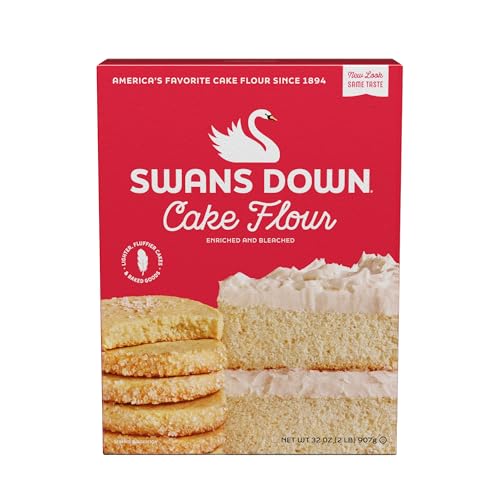
Swans Down Regular Cake Flour 32oz (Pack of 1)

King Arthur Gluten Free Chocolate Cake Mix 22 oz

King Arthur Measure for Measure Gluten-Free Flour 3 lb

King Arthur Gluten-Free Bread Flour 2 lb

King Arthur Gluten Free Pizza Flour 32 oz

King Arthur Gluten-Free Fudge Brownie Mix 17 oz

King Arthur Gluten-Free All-Purpose Flour 24 oz

King Arthur Gluten-Free Bread and Pizza Mix 18.25 oz
A Breakdown Of The Leading Choices
The bag that comes up most often in gluten-free kitchens, and for good reason. Bob’s Red Mill 1 to 1 blend is designed to swap cup-for-cup with wheat flour in non-yeasted recipes, which means your go-to chocolate cake, banana bread, or cookie recipe can be converted without spreadsheet math. The four-pack format here is a sensible choice for anyone who bakes weekly, since a single 22 oz bag tends to disappear fast in a busy kitchen.
For everyday cakes and quick breads, the blend’s inclusion of xanthan gum (a natural thickener that mimics the binding power of gluten) keeps crumb structure intact without leaving you to add binders separately. Compared with the more specialized single-starch options later in this list, this one trades a touch of flavor neutrality for versatility. The honest read is that you may detect a mild bean flour note in delicate vanilla cakes, but in anything chocolate, spiced, or fruit-loaded, it fades into the background.
A Few Highlights
- Cup-for-cup swap removes guesswork from recipe conversion
- Xanthan gum is already built in, so no extra binders to track
- Four-pack format keeps a steady supply for frequent bakers
- Works across cookies, muffins, pancakes, and quick bread beyond just cakes
Worth Noting
- Delicate vanilla or white cake recipes may pick up a faint bean-flavor aftertaste
- Not formulated for yeasted recipes like sandwich bread or dinner rolls
Who It Suits Best
Home bakers who want one reliable bag for a wide range of non-yeasted cakes, cookies, and quick breads without measuring binders every time.
Look Elsewhere When
You primarily bake yeasted loaves and rolls, where the King Arthur Gluten-Free Bread Flour 2 lb is a noticeably better fit.
A serious flour for serious cooks, and the only traditional wheat flour on this list. Caputo’s Chef’s 00 is ground finer than standard all-purpose, which makes it the go-to for Neapolitan-style pizza dough where you want a chewy, well-developed crust. The case-of-ten format, totaling 22 pounds, suits a pizzaiolo-at-home who cranks out pies every weekend, a small café, or a family that treats Friday like its own wood-fired tradition.
The flour is made from soft Italian wheat and is built for long, cold fermentation, so flavor actually develops over a 24 to 72 hour cold rise. It is worth flagging clearly: this is not a gluten-free flour. Anyone managing celiac disease or gluten sensitivity should skip ahead. For everyone else chasing authentic Italian bakery texture, it is the standard against which other 00 flours get measured.
Noteworthy Benefits
- Fine 00 grind creates a silky, elastic dough for thin-crust pizza
- Long-fermentation friendly, so flavor deepens with a cold rise
- Bulk case format suits frequent bakers and small commercial kitchens
Trade Offs
- Contains wheat and is not safe for gluten-free diets
- Overkill for occasional bakers who only make pizza a few times a year
- Storage needs grow quickly at 22 pounds total
Feature Snapshot
Made For
Anyone who treats pizza night as a ritual, with the cold-fermentation patience to bring out the flour’s best character.
Swap It Out When
You actually need a gluten-free option, because the King Arthur Gluten Free Pizza Flour 32 oz is purpose-built for celiac-friendly pies.
Swans Down has been the cake flour standard in American pantries for generations, and this 32 oz bag stays in the same lane. It is milled from soft winter wheat, which produces an exceptionally fine, low-protein flour that gives layer cakes their signature tender crumb. The bag does not include baking powder or salt, so it behaves like a true single-ingredient flour, leaving leavening entirely in your control.
This is a wheat-based flour, so it lands on this list as a reference point for what tender cakes can feel like. For traditional pound cakes, sponge cakes, and angel food-style bakes where the crumb needs to be featherlight, the soft wheat profile here is hard to match with whole-grain alternatives. If you bake for a household that does not require gluten-free, having a bag on hand for special-occasion cakes is a reasonable addition to a varied pantry.
The Upside
- Soft winter wheat gives cakes a notably tender, fine crumb
- No added leavening, so the baker controls rise and salt levels
- Trusted heritage brand with a long track record in home baking
Honest Caveats
- Contains wheat and is unsuitable for anyone avoiding gluten
- Not versatile beyond cakes, pastries, and tender baked goods
Right Fit For
Traditional bakers who want the lightest possible crumb in layer cakes, pound cakes, and tender tea cakes without any gluten-free requirements.
Skip It When
You need a true gluten-free option, where the King Arthur Measure for Measure Gluten-Free Flour 3 lb is a far more suitable pantry staple.
For birthdays, anniversaries, and those moments when you simply cannot afford a cake fail, this mix earns its slot. The 22 oz box is engineered to produce a generous cake, two 8-inch or 9-inch round layers, a 9 by 13 sheet cake, or 24 cupcakes, which covers most home entertaining scenarios without forcing you to double a recipe. The non-dairy formulation also helps in households with multiple dietary restrictions at the table.
You will add the usual wet ingredients, eggs, oil, water, and the box handles the rest. That convenience does come at a small cost in customization, since you cannot tweak the sugar-to-flour ratio the way you would with a scratch blend. For most home bakers, though, the trade is well worth it on a busy weeknight, and the chocolate flavor comes through in a way that genuinely holds its own next to traditional wheat-based mixes.
Standout Benefits
- One-box yield covers two round layers, a sheet cake, or 24 cupcakes
- Non-dairy formula broadens the table it can serve
- Just-add-wet-ingredients format removes the chance of a flour mis-measure
Points To Note
- Less flexibility than a scratch flour if you want to adjust sweetness or cocoa intensity
- Single-flavor option means stocking multiple boxes for variety
Key Specs
Best Suited To
Hosts pulling off a celebration on a tight schedule who still want a cake that looks and tastes like effort went into it.
Where Another Pick Suits Better
Scratch bakers who want full control over ingredients should reach for the King Arthur Measure for Measure Gluten-Free Flour 3 lb instead.
Measure for Measure is the bag you reach for when you want one flour to do most of the work. The 3-pound size makes sense for a household that bakes frequently, since the larger bag means fewer reorders. The blend is fortified with iron, calcium, and vitamin B, which addresses a common concern with gluten-free baking: that the flours used as substitutes can fall short nutritionally compared with enriched wheat flour.
Like Bob’s Red Mill earlier in this list, it is designed as a 1:1 wheat-flour substitute in non-yeasted recipes, so the swap is a simple one. It performs reliably in cookies, muffins, pancakes, and quick breads beyond just cakes. The texture comes out slightly more neutral than some alternatives, which in our view is a quiet strength for cakes where you do not want the flour competing with the filling or frosting.
Strengths Worth Knowing
- Fortified with iron, calcium, and B vitamins to round out nutrition
- Neutral flavor profile lets cake add-ins shine through
- Larger 3 lb bag suits households baking multiple times a week
Practical Considerations
- Not formulated for yeasted recipes, so bread doughs need a different option
- Bigger bag means a shorter shelf life once opened if your baking pace slows
Feature Card
Perfect Match For
Frequent gluten-free bakers who want one versatile flour that handles cookies, muffins, pancakes, and cakes without swapping bags mid-recipe.
Not Your Match When
You mainly bake yeasted breads, where the King Arthur Gluten-Free Bread Flour 2 lb is the better-targeted choice.
Yeasted gluten-free baking is its own beast, and most all-purpose blends are not up to the task. This 2-pound bag of bread flour is the dedicated alternative, with a combination of gluten-free wheat starch, sorghum flour, and xanthan gum that gives yeast doughs the structure they need to rise and hold their shape. Artisan boules, bagels, cinnamon rolls, and burger buns all fall within its wheelhouse, which makes it a useful single bag for an ambitious home baker.
The 1:1 swap with wheat bread flour keeps recipe conversion simple, though the hydration of the dough often benefits from a few minutes of hands-on feel. The honest read is that you may need a couple of bakes to dial in your own rhythm with gluten-free yeasted doughs, since they behave differently from wheat. Once you find that rhythm, the results slice and toast much closer to a traditional loaf than earlier-generation GF breads ever managed.
Positive Points
- Built for yeasted recipes where standard GF blends fall short
- Sorghum and xanthan gum create real chew in bagels and buns
- 1:1 swap keeps existing bread recipes easy to convert
Possible Compromises
- Not the right choice for tender cakes, where softer blends work better
- Hydration behavior differs from wheat, so a learning curve is realistic
Whose Shelf It Belongs On
Bakers committed to gluten-free yeasted work, from weekend bagels to homemade burger buns, who want a flour designed for that specific challenge.
Reach For A Different Pick When
Your focus is layer cakes and quick breads, where the King Arthur Measure for Measure Gluten-Free Flour 3 lb is the more useful daily driver.
The pizza night problem is real for celiac households, and this 32 oz box of gluten-free pizza flour is designed to fix it. The blend leans on sorghum flour, gluten-free wheat starch, and xanthan gum to deliver a crust that aims for that airy, chewy Neapolitan bite rather than the dense cracker style that used to define gluten-free pizza. For a Friday night tradition that everyone at the table can finally share, it earns its place.
Like the bread flour above, this is a specialized bag rather than an everyday all-purpose. If pizza is a once-a-year treat in your kitchen, a multipurpose blend will stretch your dollar further. But for households where pizza night happens weekly, having a flour engineered specifically for the job saves a lot of recipe troubleshooting, and it removes the need to add binders by hand.
What Works In Its Favor
- Targeted blend for chewy, well-risen GF pizza crusts
- Larger 32 oz box covers multiple pizza nights
- Built-in binders remove guesswork from the dough
Small Caveats
- Specialized to pizza, so it does not pull double duty across the pantry
- Requires higher oven temperatures for the crispiest crust
Quick Facts
Who Should Grab It
Families and home pizzaiolos managing celiac or gluten sensitivity who refuse to give up pizza night as a tradition.
A Better Fit Elsewhere
For everyday cake and quick-bread baking, the King Arthur Gluten-Free All-Purpose Flour 24 oz covers a wider range of recipes.
If the chocolate cake mix earlier felt like a celebration cake, this brownie box is its everyday cousin. The 17 oz box yields sixteen 2-inch squares of dense, fudgy brownies with very little effort: eggs, melted butter or oil, and water are the only additions. For a new gluten-free baker testing the waters, that low effort ceiling is a meaningful feature, because the difference between gluten-free and traditional baking can feel intimidating until you build a little confidence.
The box also opens up nice flexibility, since you can stir in chocolate chips, nuts, or swirls of peanut butter without disrupting the base. It is worth noting that this is a brownie mix, not a flour, so it does not replace a pantry bag for other recipes. Treat it as a companion to one of the all-purpose blends on this list rather than a substitute for them.
What Earns Its Place
- Minimal ingredient list keeps first-time GF bakers confident
- Sixteen 2-inch squares cover a family dessert or a small gathering
- Customizable base accepts mix-ins without breaking the batter
Trade-Offs To Consider
- Single-use mix rather than a versatile flour
- Lighter yield than the cake mix, so frequent bakers may go through it quickly
Built With In Mind
Gluten-free beginners who want a low-stakes win before committing to scratch baking with a full flour bag.
Where A Sibling Pick Shines
For the same brand in a more flexible format, the King Arthur Gluten-Free Chocolate Cake Mix 22 oz is the natural next step up.
For scratch bakers who want to control every ingredient, this 24 oz bag of King Arthur Gluten-Free All-Purpose Flour is a thoughtful everyday choice. The blend uses white rice flour, whole grain brown rice flours, tapioca starch, and potato starch, which together sidestep the grittiness that older GF blends were known for. The 24 oz size is friendly for households that bake a few times a month without committing to a larger bag.
Unlike Measure for Measure earlier in this list, this blend does not contain xanthan gum, which means you add your own binder based on the recipe. That sounds like a step backward, but for experienced bakers, it actually opens up more control. The non-dairy and non-GMO profile suits households with layered dietary needs, and the clean taste lets delicate vanilla or citrus cakes come through without flour competing for attention.
Notable Upsides
- Blend designed to avoid the gritty texture of older GF flours
- No xanthan gum, so the baker chooses their own binder for each recipe
- Non-dairy and non-GMO fit common dietary restrictions
Points To Keep In Mind
- Recipe adjustments are usually needed to add the right amount of binder
- Not a 1:1 swap, so conversions take a bit more work than Measure for Measure
The Right Fit
Confident scratch bakers who prefer to dial in their own binders and want a clean, neutral flour base across many recipe types.
Consider Something Else When
You want a true 1:1 swap without binder math, where the King Arthur Measure for Measure Gluten-Free Flour 3 lb saves time.
Closing out the list is a hybrid that pulls double duty. The 18.25 oz box can be made into a sandwich loaf that slices cleanly, and a portion of the same mix can be redirected toward pizza dough. For households that want one bag to cover two distinct uses, that flexibility is genuinely useful, especially when pantry space is tight. The fortification with iron, calcium, and vitamin B mirrors the brand’s other GF products, which keeps the nutrition profile consistent across your baking rotation.
The trade-off is that a dual-purpose mix rarely outperforms a single-purpose one. The bread slices well, and the pizza dough holds together, but neither quite reaches the texture of a flour engineered for just one job. Think of this as the convenient, space-saving option for occasional use rather than a daily workhorse.
The Good Stuff
- One box covers both bread and pizza dough formats
- Fortified blend keeps nutrition consistent with other King Arthur GF products
- Compact 18.25 oz size is easy to store in smaller pantries
Less Ideal Details
- Neither bread nor pizza quite matches a dedicated single-purpose flour in performance
- Smaller box means more frequent reorders for heavy bakers
Built With In Mind
Small-pantry households and occasional bakers who want one reliable box to cover two common needs without stocking two specialty flours.
Where Another Pick Suits Better
For dedicated weekly pizza night, the King Arthur Gluten Free Pizza Flour 32 oz is the more focused tool for the job.
What Matters Most When Choosing A Gluten Free Flour For Cakes
Protein content and starch composition quietly drive most of the texture you will experience in a finished cake. Higher-protein flours, like those built for bread, develop more chew and structure, which is exactly what you do not want in a tender cake. Blends designed for cakes and pastries lean on softer starches to produce a finer, more delicate crumb. For most home bakers, an all-purpose 1:1 blend strikes the right balance of forgiveness and performance, which is why several picks on this list center on that style.
Binders are the next decision worth thinking about. Xanthan gum and guar gum are the two most common binders in gluten-free baking, and they stand in for the elastic network that gluten normally provides. Some blends include binders in the bag, which removes a step but limits your control. Others leave it out, so you can tune the texture to the recipe. For a beginner, a built-in binder bag like Bob’s Red Mill or King Arthur Measure for Measure is the easier on-ramp. Experienced bakers often prefer an unblended base because they want full control over mouthfeel.
Recipe compatibility shapes the choice in a practical sense. A blend that is a true 1:1 swap for wheat flour saves you from recalculating every recipe in your collection. Measure for Measure and Bob’s Red Mill 1 to 1 both deliver that convenience, while more specialized bags like the bread flour or pizza flour are aimed at narrower goals. If you mostly bake non-yeasted cakes, cookies, and muffins, an all-purpose blend covers the bulk of your week. If yeasted baking is on the menu, a separate bag is the better investment.
Finally, dietary considerations and certifications narrow the field quickly. Non-dairy, non-GMO, kosher, and certified gluten-free labels all matter depending on your household or the guests you cook for. Picking a bag that already aligns with the restrictions at your table saves a lot of label-reading later.
Key Considerations Across These Picks
Common Shopping Slip Ups
The most common mistake is buying a wheat-based flour by accident, since traditional cake flours and 00 pizza flours look almost identical on a shelf to their gluten-free counterparts. Always scan for the certified gluten-free label or the gluten-free callout on the front of the bag, especially if the listing is one you have not purchased before. A second slip is assuming any 1:1 blend will handle yeasted recipes, which it usually will not. Keep a dedicated bread or pizza flour on hand for those tasks.
When Paying More Pays Off
The premium tier earns its place when you want nut-free, non-GMO, or fortification you can verify, and when you bake often enough to use a 3-pound bag before it loses freshness. Smaller bags at lower per-ounce cost are not always a better deal, because opened gluten-free flour has a limited shelf life and stale flour shows up as flat, off-flavor cakes. Paying a bit more per ounce for a fresher, smaller bag from a brand you trust often produces better-tasting results, especially for celebration cakes where you do not want a subtle staleness to fight the rest of the dessert.
Frequently Asked Questions
Can I substitute a gluten-free flour cup-for-cup in any cake recipe? Only with blends specifically labeled as 1:1 substitutes, like Bob’s Red Mill 1 to 1 or King Arthur Measure for Measure. Other blends usually need recipe adjustments and added binders.
Do I need to add xanthan gum if it is not in the flour? Most non-yeasted cake recipes need some form of binder, and xanthan gum is the most common. Typical amounts range from a quarter to a half teaspoon per cup of flour, depending on the recipe.
How should I store gluten-free flour once opened? An airtight container in a cool, dry pantry or the refrigerator extends shelf life. For longer storage, the freezer works well, and you can measure straight from frozen without thawing.
Why does my gluten-free cake turn out gummy in the middle? Underbaking is the usual cause, since gluten-free batters hold more moisture. An internal temperature of around 205°F in the center confirms a fully baked cake, regardless of how the surface looks.
Are gluten-free cake mixes a good place to start? Yes, especially for households new to gluten-free baking. A box like King Arthur’s chocolate cake mix or brownie mix lets you learn how these batters behave without committing to a full bag of specialty flour.
Closing Remarks
Gluten-free baking has matured into a category with real options, and the picks above cover the angles most home bakers run into. Start with an all-purpose 1:1 blend for the weeknight rotation, keep a celebration mix on the shelf for birthdays, and add a specialized bag only when a recipe type earns it. The right flour for your kitchen is the one that matches how you actually bake.
