

Gluten free baking can feel like a different sport when you’re chasing a real loaf. A sandwich slice with a soft interior, a focaccia that holds its shape, a pancake that tears instead of shattering; none of it happens by accident. The flour you choose sets the entire structure, and protein sources, starch ratios, and binders all quietly shape the final crumb. This roundup walks through ten options worth knowing, from sturdy nut meals to balanced 1:1 blends. Pick the one that matches your kitchen, your diet, and the kind of bread you actually want on the counter.
Your Options, Compared

Anthony’s Vital Wheat Gluten, 4 lb

Bob’s Red Mill Gluten Free 1 to 1 Baking Flour, 22 oz (4 Pack)

King Arthur Gluten Free Chocolate Cake Mix, 22 oz

Nature’s Eats Blanched Almond Flour, 64 oz

King Arthur Gluten-Free Fudge Brownie Mix, 17 oz

King Arthur Confetti Cake Mix, Gluten Free, 18 oz

King Arthur Gluten-Free Cookie Mix, 16 oz
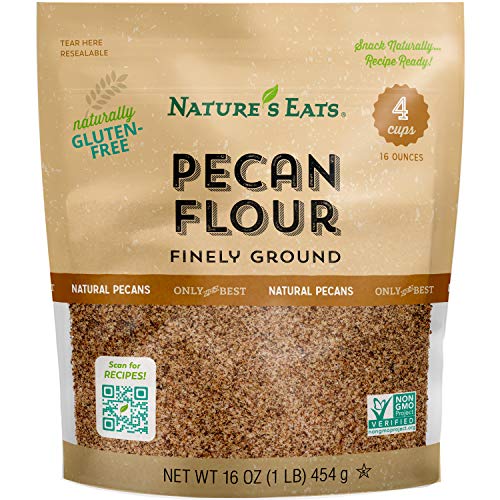
Nature’s Eats Pecan Flour, 16 oz

King Arthur Gluten-Free Yellow Cake Mix, 22 oz

Nature’s Eats Cashew Flour, 32 oz
More Details On Our Top Picks
Anthony’s Vital Wheat Gluten isn’t a true gluten free flour on its own, but in a dedicated gluten free kitchen it earns its place as a dough strengthener. The 4 lb bag gives you a long-running supply of pure wheat protein (essentially flour with the starch washed out) that adds chew and structure when folded into low-protein blends. Home bakers working with rice or sorghum flour often stir in a tablespoon or two per cup to coax out a more bread-like rise.
If you follow a strict medical gluten free diet for celiac disease or wheat allergy, this isn’t your finished flour. The honest read is that it shines as a behind-the-scenes booster rather than a stand-alone product. Bakers who want to stretch their existing GF blend toward a more traditional crumb find it especially useful, and the size means fewer reorders for frequent users.
Key Advantages
- High-protein concentration that strengthens weak flour blends
- Large 4 lb bag suits bakers who tweak recipes often
- Improves elasticity and rise in dense, crumbly doughs
- Works as a protein boost in homemade seitan and meat alternatives
- Stores well in a cool, dry pantry for extended use
Honest Caveats
- Not safe for strict celiac or wheat-allergy households, since it is pure wheat protein
- Must be cross-contamination-managed if mixed into other gluten free ingredients
Who Should Grab It
Recipe tinkerers who already bake with naturally gluten free flours and want a reliable protein booster for chewier, taller loaves.
Look Elsewhere When
You need a ready-to-use stand-alone flour, in which case Bob’s Red Mill Gluten Free 1 to 1 Baking Flour is the easier plug-and-play option.
Bob’s Red Mill has spent years dialing in its gluten free 1-to-1 blend, and this 22 oz four-pack reflects the brand’s well-known approach. The mix already includes xanthan gum, a binder that mimics some of the elasticity gluten provides, so recipes written for traditional wheat flour can usually convert cup-for-cup. For households cooking through pancakes on a Saturday morning or a quick loaf in the afternoon, that swap-friendly behavior saves real time.
The multi-pack format also makes sense for the way gluten free pantries actually work. Owners commonly find that flour disappears faster than expected once you start baking seriously, and buying in fours keeps the cupboard stocked without a last-minute run. The blend is processed in a dedicated gluten free facility, which adds a layer of confidence for anyone with celiac concerns.
What Helps Most
- Cup-for-cup swap design for many standard recipes
- Built-in xanthan gum reduces extra ingredient steps
- Processed in a dedicated gluten free facility for cross-contamination peace of mind
- Four-bag pack covers several weeks of regular baking
Trade Offs
- Generic 1-to-1 blends rarely match specialty flours in rustic, high-hydration loaves
- Storage in original bags can let moisture creep in; an airtight container helps
- Heavier than stand-alone flours, so the multi-pack takes real pantry space
Quick Facts
The Right Fit
Busy home bakers who want one dependable bag that handles cookies, muffins, and quick breads without a calculator.
Where Another Pick Suits Better
You bake rustic sourdough-style loaves with long fermentations, where Nature’s Eats Blanched Almond Flour brings a different crumb character.
King Arthur’s gluten free chocolate cake mix is the kind of shortcut that earns its place in a celebratory kitchen. A single 22 oz box turns out two 8-inch or 9-inch round layers, a 9×13 sheet cake, or 24 cupcakes, which is enough dessert to anchor a birthday table. You add the usual wet ingredients, pour, and bake, no flour blending or xanthan calculations required.
Where it pulls ahead of typical boxed mixes is the chocolate depth. The cocoa profile reads rich rather than sugary, so the finished cake pairs comfortably with ganache, whipped cream, or a simple dusting of sugar. For parents hosting mixed-diet parties, it sidesteps the awkward moment when half the guests can’t eat dessert.
Everyday Wins
- Yields enough batter for a full party-sized cake or 24 cupcakes
- Rich cocoa flavor that holds up under frosting
- Simple preparation with pantry-staple add-ins
- Dependable results for less experienced bakers
Worth Noting
- Single-format dessert mix, not a versatile flour for everyday loaves
- Box packaging can dent in transit; transferring to a sealed container preserves freshness
Feature Snapshot
Right Fit For
Hosts who need a reliable, crowd-pleasing gluten free dessert without a shopping list of specialty flours.
Consider Something Else When
You want a single bag to cover both cake and cookies, where King Arthur Gluten-Free Cookie Mix stretches a grocery run further.
Nature’s Eats Blanched Almond Flour is a workhorse for low-carb and grain-free kitchens, and at 64 oz it lands in the bulk-bag category that’s easy to underestimate until you start baking with it. The blanching (skins removed) keeps the texture fine and the color pale, which means lighter crumb in cakes and more neutral flavor in savory quick breads. Almond flour also brings natural protein and fat, so recipes tend to stay moist longer than rice-based alternatives.
The honest trade-off is that almond flour behaves differently from wheat flour and doesn’t rise the same way. Breads built entirely on almond need eggs or extra binders for structure, and they bake more like a dense tea cake than a sandwich loaf. For people who already know that rhythm, this bag is a steady supply at a friendly per-ounce value.
Noteworthy Benefits
- Generous 64 oz size reduces reordering for frequent bakers
- Fine, pale texture that blends smoothly into batter
- Adds protein and healthy fats to finished baked goods
- Works in both sweet and savory gluten free recipes
Less Ideal Details
- Not a 1:1 wheat-flour swap, so recipes need adjustment
- Tree-nut allergen concerns for sensitive households
- Higher fat content can shorten shelf life; refrigeration extends freshness
Whose Shelf It Belongs On
Grain-free bakers, keto households, and anyone who runs through almond flour faster than smaller bags can keep up with.
Skip It When
You want a single flour that handles both cake and sandwich bread, where Bob’s Red Mill Gluten Free 1 to 1 Baking Flour covers more ground.
Brownies are usually the gateway bake for any new flour, and King Arthur’s gluten free fudge brownie mix is a confident starting point. The 17 oz box produces sixteen 2-inch squares, which is plenty for a weeknight family dessert and a few lunchbox extras. The mix calls for eggs, melted butter or oil, and water, so the bowl-and-spoon approach stays simple even on a busy evening.
For mixed-diet households, the certifications carry weight: certified gluten free, non-GMO verified, and kosher. That cluster of labels makes the box easier to serve to guests with multiple restrictions, which is often the real friction in family baking. The fudge-style result lands on the dense, fudgy end of the spectrum, with the kind of crackly top that signals a good brownie.
Standout Benefits
- Generous yield of sixteen 2-inch squares per box
- Multiple certifications (gluten free, non-GMO, kosher) for mixed-diet guests
- Simple wet-ingredient add-ins keep weeknight prep short
- Fudgy texture profile that satisfies traditional brownie expectations
Where It May Fall Short
- Single-use mix, not a versatile flour for other bakes
- Prepared batter benefits from resting briefly for cleaner slices
Key Product Details
Best Suited To
Parents and home bakers who want a fast, kid-approved dessert that fits a gluten free household without special flour shopping.
Not Your Match When
You want a flexible base for cookies and bars, where King Arthur Gluten-Free Cookie Mix offers more mix-in room.
Confetti cake is a birthday-table classic, and the gluten free version from King Arthur is the rare mix that doesn’t feel like a compromise. The 18 oz box bakes into two 8 or 9-inch rounds, a 9×13 sheet, or 24 cupcakes, so the same bag covers small family dinners and bigger parties. The sprinkles are already folded into the dry mix, which means one less step when you’re juggling candles and frosting.
What makes this box stand out in a gluten free lineup is the certification. It’s certified gluten free by the GFCO (Gluten-Free Certification Organization), which goes beyond a printed label and signals third-party testing. For families navigating celiac disease, that extra layer of verification can change the whole baking experience.
What Pays Off
- Built-in sprinkles streamline birthday prep
- Versatile yield (layers, sheet, or cupcakes) from a single box
- GFCO gluten free certification adds third-party credibility
- Vanilla base pairs with most frosting flavors
Things To Consider
- Sprinkles are pre-mixed, so no custom color control
- Higher sugar content typical of confetti-style cakes
Who Will Love This
Party hosts and parents who want a festive, certified gluten free cake without juggling multiple specialty ingredients.
Swap It Out When
You prefer chocolate over vanilla for celebrations, where King Arthur Gluten Free Chocolate Cake Mix delivers a richer base.
King Arthur’s gluten free cookie mix is built around a buttery brown sugar base, which gives you a soft, chewy foundation before you add anything else. The updated recipe uses gluten free oat flour, a small but meaningful detail that improves both flavor and texture. Once the dough comes together, you can stir in chocolate chips, raisins, dried fruit, or nuts to make each batch feel like a new cookie.
The box also travels well across dietary needs. It’s non-GMO verified, certified gluten free, certified kosher, and includes instructions to make the mix non-dairy with simple swaps. For households juggling multiple restrictions in one kitchen, that flexibility is a real day-to-day win.
Real-World Strengths
- Mix-in friendly base that invites batch-to-batch variety
- Gluten free oat flour adds a softer, more traditional cookie crumb
- Non-dairy adaptation instructions included on box
- Multiple certifications cover mixed-diet households
Small Caveats
- Base sweetness is brown-sugar forward, which may dominate subtle add-ins
- Cookie texture varies with chosen mix-ins; chips and nuts behave differently than dried fruit
Feature Card
Perfect Match For
Cookie bakers who want one base to riff on for the holidays, lunchboxes, and spontaneous weekend projects.
Reach For A Different Pick When
You want a richer chocolate dessert, where King Arthur Gluten-Free Fudge Brownie Mix is a closer match.
Pecan flour is the most distinctive nut flour in this roundup, and Nature’s Eats mills it finely enough to behave like a soft wheat alternative in many recipes. The grind is consistent, so it folds into pancake batter, muffin mixes, and pie crusts without leaving gritty streaks. The natural sweetness of pecans carries into the bake, so you can often pull back a touch on added sugar.
Where pecan flour really shines is in recipes where flavor matters more than rise. Pancakes get a richer, almost browned-butter note, and quick breads pick up a soft, cake-like interior. The 16 oz size is enough to experiment with across several recipes before committing to a larger bag.
Benefits That Matter
- Fine, even grind that blends cleanly into batter
- Natural sweetness lets you trim added sugar in some recipes
- Gluten free and grain free, friendly to keto bakers
- Distinctive flavor that holds its own in simple recipes
Possible Compromises
- Strong pecan flavor can overpower delicate bakes like vanilla cake
- Tree-nut allergen; not suitable for nut-allergic households
- Higher fat content means shorter shelf life than grain flours
Made For
Pancake, muffin, and pie-crust bakers who want a keto-friendly flour with a built-in flavor upgrade.
A Better Fit Elsewhere
You want a milder, all-purpose nut flour for a wider range of bakes, where Nature’s Eats Cashew Flour gives a more neutral base.
Yellow cake is the dependable canvas of gluten free baking, and King Arthur’s mix leans into the classic profile. A 22 oz box produces a tender, golden layer cake or a batch of moist, finely-crumbed cupcakes, depending on the pan you reach for. The base flavor is buttery-vanilla, which means you can dress it up with frosting, fruit, or sprinkles without the cake getting in the way.
The mix is non-GMO verified, certified gluten free, certified kosher, and ships with non-dairy instructions. For home bakers who rotate between dairy and non-dairy households, that flexibility trims a step off the recipe. King Arthur’s test-kitchen iteration is visible in the texture; the crumb stays even and the layers slice cleanly when fully cooled.
What Makes Sense
- Buttery golden-vanilla base suits most frosting and filling choices
- Versatile yield for layer cakes or 24 cupcakes
- Non-dairy adaptation instructions widen the household reach
- Trusted brand with test-kitchen recipe development
Points To Note
- Yellow cake profile is mild, so flavor relies heavily on frosting or add-ins
- Layer cake benefits from a brief cooling period to firm up before frosting
Built With In Mind
Home bakers who want a versatile gluten free cake base for birthdays, potlucks, and weekend layer projects.
Where A Sibling Pick Shines
You bake chocolate-forward desserts more often than vanilla, where King Arthur Gluten Free Chocolate Cake Mix is a better fit.
Cashew flour is the smoothest of the nut flours in this roundup, and Nature’s Eats mills it finely enough to disappear into batters and sauces. The 32 oz bag gives you room to work through a few recipes without rationing. Cashew flour carries a subtle natural sweetness and a creamy mouthfeel that works especially well in quick breads, pancakes, and even creamy soups where you want body without dairy.
Like other nut flours, it’s not a 1:1 wheat replacement, so recipes typically call for added eggs or a binder for structure. The non-GMO project verification is a small but useful signal in a market where nut flours vary widely in sourcing. For cooks who already use cashew cream, this bag feels like a natural extension of the pantry.
Everyday Advantages
- Fine grind blends smoothly into batters, sauces, and creams
- Subtle sweetness rounds out savory and sweet applications
- 32 oz size supports regular, multi-recipe use
- Non-GMO project verification on sourcing
Some Limits To Know
- Not a stand-alone flour for sandwich bread; needs binders for structure
- Tree-nut allergen restricts household use
- Refrigeration after opening helps preserve the natural oils
Who It Suits Best
Cooks who want a versatile nut flour for both sweet quick breads and savory creamy dishes.
Another Choice May Suit
You prefer a more pronounced nut flavor in your bakes, where Nature’s Eats Pecan Flour brings a bolder taste.
What Matters Most Before Choosing Gluten Free Flours For Bread Making
Matching Flour To Recipe, Not The Other Way Around
Gluten free baking rewards recipe-specific flour choices. A 1:1 blend like Bob’s Red Mill’s option handles cookies and muffins without fuss, while almond or cashew flour shines in tender quick breads where a soft crumb matters more than structure. Pick the flour that fits the recipe on the counter, not the bag that’s already open.
Protein, Starch, And Binder Ratios
Wheat flour’s gluten is what gives traditional bread its chew. Gluten free flours replace that protein with rice flour, sorghum, or nut meals, and most blends add a binder like xanthan gum (a powdered thickener that mimics elasticity) or psyllium husk (a soluble fiber that traps gas and adds spring) to restore structure. The ratio between starch and protein drives whether the final loaf is tender or sturdy.
Certifications And Cross-Contamination
For households managing celiac disease, third-party certifications (like GFCO) and dedicated facility processing carry real weight. King Arthur’s gluten free mixes carry those certifications, and the brand’s testing program is a frequent reference point for shoppers comparing labels.
Flavor, Color, And Allergens
Nut flours add their own flavor and color, which is wonderful in some recipes and distracting in others. Almond flour bakes pale and neutral, pecan flour brings a richer note, and cashew flour leans creamy. Allergen load matters too, since nut flours exclude entire households at once.
Key Considerations Across These Picks
Where Shoppers Go Wrong
Treating gluten free flour as a 1:1 swap for wheat flour is the most common stumble, and it usually shows up as a flat, gummy, or gritty loaf. Different flours hydrate at different rates, so a recipe that works with almond flour often needs a binder plus extra liquid for rice flour. Skipping a binder like xanthan gum is another shortcut that ends in a crumbly bake. Reading the recipe’s flour-and-binder pairing closely saves a lot of trial and error.
Where The Extra Money Goes
Premium picks like the larger Bob’s Red Mill 4-pack and King Arthur’s certified mixes cost more because of dedicated gluten free facilities, third-party testing, and consistent milling. The upgrade matters most for anyone baking for celiac disease, where cross-contamination isn’t a preference problem but a health one. For households with looser needs, bulk nut flours like Nature’s Eats’ 64 oz almond bag bring savings without sacrificing basic quality.
Frequently Asked Questions
What is the easiest gluten free flour for beginners?
A 1:1 baking blend like Bob’s Red Mill Gluten Free 1 to 1 Baking Flour is usually the easiest starting point, because it includes xanthan gum and substitutes cup-for-cup in many standard recipes. Beginners benefit from a flour that forgives small measurement variations.
Can I bake bread with almond or cashew flour alone?
Almond and cashew flours work well in quick breads, muffins, and pancakes, but they don’t form the kind of structure sandwich bread needs. Adding eggs, psyllium husk, or a starch blend helps them rise and hold a slice.
Why do gluten free flours include xanthan gum?
Xanthan gum replaces the elasticity that gluten provides, helping dough trap gas and hold its shape during baking. Most 1:1 blends include it already, which saves a step in the recipe.
Are gluten free flours safe for celiac disease?
Flours processed in dedicated gluten free facilities and certified by organizations like the GFCO (look for it on King Arthur’s packaging) offer the strongest cross-contamination protection. Always check the certification language on the specific product.
How should I store gluten free flours?
Most gluten free flours keep best in airtight containers in a cool, dry pantry, while nut flours like almond and cashew benefit from refrigeration to protect their natural oils. Heat and moisture are the two main enemies of shelf life.
Wrap Up
Ten different bags, ten different personalities, and one shared goal: a gluten free loaf that actually tastes worth the effort. Start with the recipe you most want to nail, then match the flour to that goal, whether that’s a 1:1 blend for everyday baking, a nut flour for tender quick breads, or a certified mix for celebrations. A small amount of intentional pairing upfront saves a lot of wasted batches later. The right pantry setup is less about having everything and more about having the right bag within reach when the craving hits.
