

Yeast baking without gluten is a small chemistry problem hiding inside every loaf, roll, and pizza. The wrong flour and your dough collapses into a dense brick; the right flour and you get the lofty rise and tender crumb you remember. This list walks through the flours and mixes built for that exact job, so you can pick a bag that matches your kitchen, your recipes, and your tolerance for fuss.
The Leading Options At A Glance

Anthony’s Vital Wheat Gluten 4 lb

Bob’s Red Mill Gluten Free 1-to-1 Flour 4-Pack

King Arthur Unbleached Bread Flour 5 lb

King Arthur Measure for Measure GF Flour 3 lb

King Arthur GF Bread Flour 2 lb

King Arthur GF Pizza Flour 32 oz

King Arthur GF Fudge Brownie Mix 17 oz
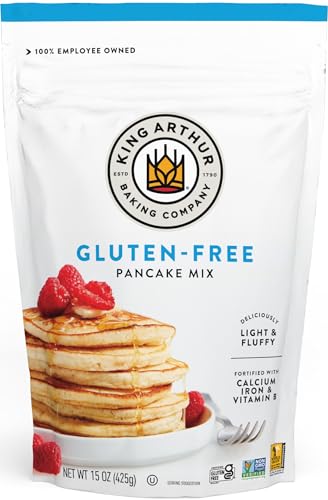
King Arthur GF Pancake Mix 15 oz

King Arthur GF All-Purpose Flour 24 oz

King Arthur GF Bread and Pizza Mix 18.25 oz
The Details Behind The Selections
Vital wheat gluten is a powder concentrated from the protein in wheat, and a small spoonful transforms slack gluten-free dough into something with real chew. Anthony’s ships it in a 4-pound bag aimed at home bakers who mix their own blends rather than reach for a finished flour.
For most home kitchens, a teaspoon or two per cup of GF flour is the entry point, and you can dial up from there based on how your dough feels. In our view, this bag is less a stand-alone flour and more a kitchen tool that lives next to your main GF bag.
Standout Benefits
- Large 4-pound bag keeps you stocked through many bake sessions
- Adds the elasticity gluten-free doughs usually lack
- Vegetable-based and works in vegan and vegetarian recipes
- Low in net carbs for high-protein baking experiments
Things To Weigh
- Not a finished flour on its own, so it takes recipe testing
- Contains wheat, so it is not safe for anyone with celiac disease or wheat allergy
- Owners commonly report clumping if the bag sits in a humid pantry
Quick Facts
Who Will Love This
DIY bakers who build their own gluten-free blends and want more control over crumb and chew.
Skip It When
The Bob’s Red Mill Gluten Free 1 to 1 Baking Flour is a better fit for anyone with celiac disease who needs a ready-to-use, wheat-free option.
Bob’s Red Mill built this blend to behave like wheat flour in standard recipes, swapping in cup-for-cup without major math. The 4-pack of 22-ounce pouches is a sensible format for households that bake weekly, and the four-bag split keeps each pouch fresh until you need it.
Compare that to Anthony’s vital wheat gluten, which is a booster rather than a finished flour. This one is meant to be the main flour in your pantry, especially for cookies, pancakes, muffins, and quick breads where the yeast factor is light.
Noteworthy Benefits
- Cup-for-cup swap for wheat flour in most recipes
- Multi-pack format stretches across many bakes
- Manufactured in a facility dedicated to gluten-free production
- Pre-blended with xanthan gum, so you skip that step
Honest Caveats
- Performance on long-fermented yeasted loaves can be hit or miss
- Four bags need cool, dry storage space to stay fresh
Right Fit For
New gluten-free bakers who want a forgiving, multi-purpose flour for everyday sweet bakes.
A Better Fit Elsewhere
Reach for the King Arthur Gluten-Free Bread Flour 2 lb instead when your project is a tall sandwich loaf or chewy bagels that need a stronger rise.
This is the wheat-based workhorse in a list of gluten-free options, and that is worth saying out loud. King Arthur’s unbleached bread flour is milled from hard wheat with a high protein content, which is exactly what yeast needs to build structure and trap gas during a long rise.
The honest read is that this is not a gluten-free product, and the protein level is what sets it apart. The 5-pound bag suits a household that bakes weekly, and a single bag replaces several smaller ones on the shelf.
A Favorable Mix
- High protein content supports a tall, even rise
- Unbleached, with no chemical whitening agents added
- Generous 5-pound bag suits regular bakers
- Pairs well with stand mixers for kneaded doughs
Worth Noting
- Contains wheat and is not suitable for gluten-free diets
- Heavier bag is awkward for small-batch bakers
Made For
Traditional bakers focused on sandwich loaves, dinner rolls, and pizza who do not need to avoid gluten.
Where Another Pick Suits Better
Switch to the King Arthur Gluten-Free Bread Flour 2 lb when celiac-safe baking is the priority.
Measure for Measure is the gluten-free flour that lets you keep your favorite cookie and muffin recipes intact. The blend is fortified with iron, calcium, and vitamin B, which is meaningful for anyone eating gluten-free long-term, where those nutrients can slip through the cracks.
Same story with the Bob’s Red Mill 1-to-1 flour, but with a different balance of starches and a slightly different mouthfeel. The 3-pound bag is the everyday size for a family kitchen and reseals to keep things fresh between bakes.
The Case For It
- Substitutes for wheat flour at a 1:1 ratio in most recipes
- Enriched with iron, calcium, and vitamin B
- Kosher certified and non-GMO
- Reliable across cookies, cakes, and quick breads
Points To Keep In Mind
- Not built for high-hydration yeasted loaves on its own
- Owners commonly note a slightly different crumb than wheat recipes
Feature Snapshot
Best Suited To
Bakers who rotate between cookies, cakes, and muffins and want one gluten-free flour that handles most of them.
Look Elsewhere When
The King Arthur Gluten-Free Bread Flour 2 lb is a better match for tall yeasted loaves where structure is the make-or-break factor.
This is the flour built for the work the rest of the list only hints at. The blend pulls together gluten-free wheat starch, sorghum flour, and xanthan gum to give yeast doughs a backbone that mimics the chew of wheat bread. A 1:1 swap for wheat flour in yeasted recipes is the pitch, and the result is a bag specifically aimed at bagels, buns, and boules.
The 2-pound bag is smaller than the Measure for Measure option, which makes sense for a flour that is doing heavier lifting per bake. Most home bakers will get multiple loaves from a single bag before the package runs dry.
Strong Points
- Built specifically for yeasted breads and rolls
- Xanthan gum is already in the blend, so the dough comes together cleanly
- Sorghum flour adds a mild, sweet flavor base
- Performs well on long, slow rises
Trade-Offs To Consider
- Smaller 2 lb bag means repurchasing more often for heavy bakers
- Contains wheat starch, so it is not suitable for a strict wheat-free diet
Whose Shelf It Belongs On
Home bakers who want a single flour for bagels, burger buns, and artisan loaves without blending from scratch.
Swap It Out When
The King Arthur Gluten Free Pizza Flour is a better fit for pizza nights where a crispy, Neapolitan-style crust is the goal.
Pizza is its own engineering problem, and King Arthur tackled it with a blend tuned for high-heat ovens and stretchy dough. The mix combines sorghum flour, gluten-free wheat starch, and xanthan gum to give the crust airiness in the middle and snap around the edge.
Unlike the gluten-free bread flour above, this one targets a single recipe type and aims to do it well. The 32-ounce box suits households that treat Friday as pizza night on a regular basis.
Bright Spots
- Crusts bake up crisp on the outside and airy in the middle
- Mix includes xanthan gum for easier stretch and shape
- Made for celiac-friendly baking
Possible Compromises
- Single-purpose flour that does not work for cookies or cakes
- Contains wheat starch, so it is not for strict wheat-free diets
Who Should Grab It
Home cooks who treat pizza night as a ritual and want a mix that delivers a Neapolitan-style crust without scratch blending.
Reach For A Different Pick When
The King Arthur Gluten-Free Bread Flour 2 lb is a better match when the same bag also needs to handle bagels and sandwich loaves.
Brownie mixes earn their place by disappearing into a hot pan with minimal effort, and this one keeps the brief simple. You add eggs, melted butter or oil, and water, then bake to a fudgy finish in a standard 8 or 9-inch pan. A 17-ounce box produces roughly sixteen 2-inch squares, which is right for a family dessert or a small gathering.
The honest read is that this is a dessert mix, not a yeast-baking flour, so it lives in a different mental category than the other picks. The trade-off shows up when you realize the box does one job, and does it with almost zero decisions on your part.
The Good Stuff
- Minimal add-ins make this a fast weeknight dessert
- Certified gluten-free, non-GMO, and kosher
- Generous yield for a standard pan size
Small Limitations
- Single use, so the box does not pull double duty
- Lacks the flexibility of a flour you can measure yourself
Perfect Match For
Anyone craving a quick gluten-free dessert without pulling out a scale or shopping for multiple flours.
Another Choice May Suit
The King Arthur Gluten-Free All-Purpose Flour 24 oz is a better fit for scratch bakers who want one flour that handles many recipes.
Pancake mix earns the breakfast slot for households that want a hot stack on the table without hauling out four separate flours. The box is certified gluten-free, non-GMO, and kosher, and the batter comes together with a few wet ingredients you likely already have on hand.
It is worth noting this is a quick-bread mix, not a yeast-baking flour, so the comparison to the bread flours on this list is loose. The 15-ounce box is sized for several family breakfasts, and reseals to keep things fresh between weekends.
Useful Touches
- Fast batter with minimal add-ins
- Certified gluten-free, non-GMO, and kosher
- Family-friendly yield per box
Where It Is Less Suited
- Not a yeast-raising flour, so the use is narrow
- Limited flexibility outside of pancake and waffle recipes
Built With In Mind
Busy households that want a dependable, no-fuss weekend pancake without juggling multiple flours.
Where A Sibling Pick Shines
The King Arthur Measure for Measure GF Flour 3 lb is a better fit when the same bag needs to stretch across cookies and quick breads too.
This all-purpose blend is built for scratch bakers who like to control the binders themselves. The mix pulls in white rice flour, whole-grain brown rice flours, tapioca starch, and potato starch, and notably leaves out xanthan gum so you can dose it per recipe. The 24-ounce bag is the family size that covers a few bakes without overcommitting.
Compare that to the Measure for Measure flour, which has the gum pre-mixed for convenience. This bag trades that convenience for flexibility, which is the right call for confident bakers who already know how their doughs behave.
What Works In Its Favor
- Multi-flour blend designed without grittiness or aftertaste
- No xanthan gum in the bag, so you set the dose
- Non-GMO and kosher certified
- Useful across cookies, pancakes, and many breads
A Few Limitations
- Needs added xanthan gum or psyllium for yeasted loaves
- Smaller bag than some all-purpose competitors
Feature Rundown
The Right Fit
Scratch bakers who want a versatile base flour and are comfortable adding their own binders.
Not Your Match When
The King Arthur Gluten-Free Bread Flour 2 lb is a better pick for anyone who wants a yeast-ready blend with binders already mixed in.
This two-in-one mix is a smart entry point for anyone new to gluten-free baking. The 18.25-ounce box covers a sandwich loaf and a pizza with a single purchase, so you can learn the feel of GF dough without buying two specialty products. The fortification with iron, calcium, and vitamin B is a quiet bonus on top of the convenience.
The honest read is that a mix is a starting point, not a final destination. Most bakers eventually graduate to a dedicated flour like the gluten-free bread flour or the pizza flour once they know what they like.
The Helpful Details
- One box handles both bread and pizza dough
- Fortified with iron, calcium, and vitamin B
- Non-GMO and kosher certified
- Forgiving for first-time gluten-free bakers
Potential Sticking Points
- Jack-of-both-trades results rarely match a single-purpose flour
- Owners commonly report denser loaves than expected without a long proof
Feature Snapshot
Who It Suits Best
First-time gluten-free bakers who want to test a recipe style before committing to specialty flours.
Consider Something Else When
The King Arthur Gluten-Free Bread Flour 2 lb is a better choice for anyone baking yeasted loaves on a regular schedule.
Choosing The Right GF Flour For Your Yeast Bakes
Start With The Recipe, Not The Bag
Most gluten-free baking frustration traces back to picking a flour and then hunting for a recipe that fits it. A bag built for cookies and cakes will never give a yeasted loaf the structure it needs, and a yeast-ready blend tends to weigh down a tender muffin. Match the flour to the recipe first, and save yourself the trial-and-error of fighting a mismatched blend.
For long-proof sandwich loaves, bagels, and burger buns, a flour with built-in binders like xanthan gum or psyllium husk is a smart starting point. A psyllium husk is a plant-based fiber that absorbs water and gels, mimicking some of the structure gluten normally provides. For cookies, quick breads, and pancakes, a general-purpose 1:1 blend is usually enough.
Read The Label For Starch, Gum, And Protein Content
A few numbers on the back of the bag will tell you more than the front-of-package claims ever will. A blend with a high percentage of rice flour plus a starch like tapioca or potato tends to give a soft, light crumb. A blend that already includes xanthan gum saves you a step but locks you into a fixed ratio.
Protein matters more in wheat-based flours than in gluten-free blends, where the structure comes from starches and added gums. If you are blending your own, a small scoop of vital wheat gluten, like the Anthony’s bag above, can lift the chew of an otherwise flat dough.
Match Bag Size To Your Bake Cadence
Bigger bags save trips to the store, but only if you bake through the flour before it loses freshness. Most gluten-free flours have a shelf life of several months in a cool, dry pantry, after which the starches can drift toward rancid. Smaller bags are the right call for occasional bakers; bigger bags fit weekly routines.
Plan For Storage From Day One
Gluten-free flours are more sensitive to moisture and heat than wheat flour, and a humid kitchen will shorten shelf life noticeably. Reseal the bag tightly after every use, and consider a sealed container for long-term storage. For mixes that include perishable flavorings, the freezer is a sensible holding spot between bake days.
Key Considerations Across These Picks
Where Shoppers Go Wrong
The most common slip-up is reaching for a general-purpose gluten-free flour when the recipe is a yeasted loaf, then blaming the recipe when the dough collapses. A 1:1 blend is engineered for cookies, muffins, and pancakes, not for a tall rise. The other misstep is skipping the binder: a gluten-free dough that does not include xanthan gum, psyllium, or a similar fiber will spread sideways in the oven rather than climb. Build the binder into your plan before the first mix hits the bowl.
When Paying More Pays Off
Premium gluten-free flours cost more because they lean on specialty grains, fortified starches, and dedicated production lines that prevent cross-contamination. For households with celiac disease or severe gluten sensitivity, that dedicated line is not a luxury but a baseline. For everyone else, the upgrade shows up in the crumb: a better blend gives a lighter, more even texture and a milder flavor that does not read as bean-y or gritty. Paying up makes sense for the recipes that already feel hard, and saving makes sense for the easy bakes you already trust.
