

Fresh egg pasta and pillowy pizza dough start long before the sauce hits the pan. The right bag of flour shapes everything from chew to color, and the wrong one can flatten hours of work. If you’ve stood in the baking aisle squinting at “00,” “semola,” and “rimacinata,” this lineup cuts through the noise. Below, nine Italian-style flours worth stocking in your pantry, broken down by what each one actually does in your kitchen and which home cook or pizzaiolo it suits best.
A Quick View Of The Lineup

Mulino Caputo 00 Pizzeria Flour 1kg (Pack of 4)

POLSELLI Semola Rimacinata Flour 5kg
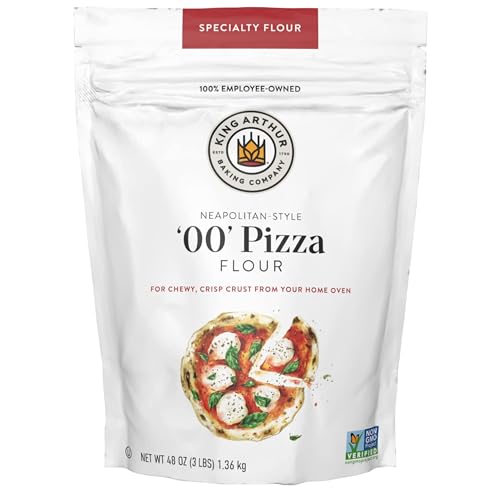
King Arthur 00 Pizza Flour 3 lb Bag

Antimo Caputo Chef’s Flour Case of 10

King Arthur Premium Semolina Flour 3 lb (Pack of 2)
Antimo Caputo Chefs Flour 2.2 lb (Pack of 10)

Bob’s Red Mill Semolina Pasta Flour 24oz

POLSELLI Organic Tipo 00 Flour 5kg
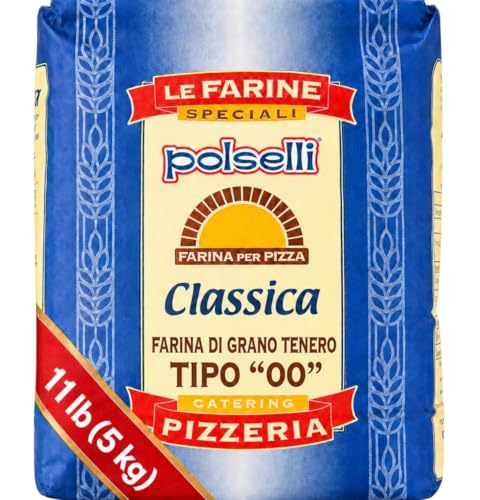
POLSELLI Classica Tipo 00 Flour 11 lb
The Picks, Examined More Closely
Tipo 00 (“zero zero” in Italian) refers to the finest grind on a traditional mill scale, and the Pizzeria blend from Mulino Caputo is the version most home pizzaiolos reach for first. Four 1-kilo bags give you a comfortable runway for weekly pizza nights without committing to a giant sack.
The protein balance is dialed for Neapolitan-style crust, meaning a soft, extensible dough that puffs dramatically in a hot oven. If you’re new to 00 and want the benchmark, start here.
Strengths Worth Knowing
- Soft wheat grind produces the airy, leopard-spotted cornicione that defines Neapolitan pizza.
- Four-bag pack keeps flour fresher across many sessions, since each bag is opened only as needed.
- Long-fermentation friendly, holding up to 24-hour cold rises without breaking down.
- Versatile enough to pull double duty on soft rolls and flatbreads.
Worth Noting
- Optimized for pizza, so it’s not the right call for extruded semolina pasta.
- Smaller bags mean repurchase cycles repeat more often.
Built With In Mind
Home pizzaiolos running a standard home oven on weeknight Margheritas or longer-fermented weekend projects will get the most out of this blend.
Look Elsewhere When
The POLSELLI Semola Rimacinata 5kg is a better fit for someone who primarily rolls out fresh egg pasta rather than pizza dough.
Semola rimacinata is durum wheat (a hard, high-protein wheat variety traditionally used in pasta) re-ground to a softer, finer texture than coarse semolina. POLSELLI’s version carries the signature yellow tint and elastic gluten that holds shape through even the tiniest pasta die.
Where the earlier Mulino Caputo 00 is a pizza specialist, this bag swings toward extruded and hand-rolled pasta. The 5kg size is generous, so it earns its keep for cooks who make pasta more than once a month.
Positive Points
- Resilient gluten structure keeps spaghetti, rigatoni, and orecchiette from crumbling during drying.
- Double-milled texture absorbs water evenly, which translates to smoother extrusion through hand-crank machines.
- A small percentage blended into bread dough adds a crisp, deeply flavored crust, depending on the recipe.
Honest Caveats
- Color and nutty flavor feel assertive in delicate sauces like a plain butter-and-cheese preparation.
- Bulk 5kg sack calls for cool, dry storage to keep it from going stale before you finish it.
The Right Fit
Home pasta makers working with a hand-crank extruder or rolling pin, especially those who shape orecchiette and trofie by hand.
Skip It When
The King Arthur 00 Pizza Flour suits you better if most of your cooking leans toward pizza crust rather than extruded pasta.
King Arthur’s 00 Pizza Flour offers the fine grind without the Italian import. Milled in the US from 100% American-grown wheat and Non-GMO Project Verified, it sidesteps concerns some home cooks have about overseas supply chains while delivering that pillowy pizza chew.
The 3 lb bag hits a middle ground between the small Mulino Caputo 1kg packs and a 22-lb chef case. For most home bakers, that means a comfortable balance of freshness and value.
Benefits That Matter
- Non-GMO verification and traceable US sourcing.
- Fine 00 grind produces a smooth, elastic pizza dough with consistent hydration.
- 3 lb size finishes well before any staleness concerns kick in.
Trade Offs
- Domestic wheat variety performs slightly differently than the Italian originals, so hydration needs a small adjustment on first try.
- Not built for extruded pasta the way POLSELLI’s semolina is.
Whose Shelf It Belongs On
Home cooks who want the 00 texture but prefer North American sourcing, and anyone who bakes pizza two to four times a month.
Another Choice May Suit
The Bob’s Red Mill Semolina Pasta Flour suits you better for pasta night; this one stays dedicated to doughs and flatbreads.
Antimo Caputo’s Chef’s Flour is the versatile cousin to the iconic Pizzeria blend. Soft wheat and the 00 grind make it a multi-tasker: pizza, bread, and fresh pasta all sit comfortably in its wheelhouse.
The case-of-10 format delivers 22 lb total, which makes sense for serious home bakers, small pizzerias, or shared-space kitchens. If you bake weekly, this stretches further than you’d expect.
Why It Works Well
- Soft wheat 00 handles long fermentations cleanly, which is handy for cold-rise doughs.
- Bulk 22 lb total reduces repurchase frequency dramatically.
- Italian-milled, so the flavor profile matches traditional expectations.
Points To Keep In Mind
- 22 lb demands airtight storage; the bag performs best kept sealed and away from heat.
- Not the right grind for extruded semolina pasta projects.
Best Suited To
Frequent home bakers, families running pizza nights weekly, and small professional kitchens serving Italian-style menus.
Swap It Out When
The POLSELLI Organic Tipo 00 suits you better if certified-organic ingredients are central to how you shop.
Where the POLSELLI semola is fine and re-milled, King Arthur’s semolina holds onto the coarse texture that gives pasta dough its traditional sandy bite. The high-protein durum wheat grind is also excellent as a dusting flour for shaping pizza and bread.
Two 3 lb bags keep rotation simple, and a resealable closure (as the manufacturer notes) helps in everyday kitchens where the bag might sit open mid-recipe.
A Favorable Mix
- Coarse grind ideal for dusting surfaces to prevent sticky dough.
- High-protein durum supports pasta with strong structure.
- Kosher and USA-grown, so ingredient sourcing is straightforward.
Practical Considerations
- Coarser texture means it doesn’t blend as smoothly into thin cake-style batters.
- Some pasta machines prefer the finer rimacinata grind, so check your manual first.
Who Should Grab It
Bakers and pasta makers who split their time between bread and pasta and want one bag that pulls weight on both fronts.
Where A Sibling Pick Shines
The POLSELLI Semola Rimacinata is a smoother grind for finicky extruders, while this King Arthur semolina leans toward texture and dusting.
This listing is the same Chef’s Flour recipe as pick 4, just sold as another 10-pack configuration of 2.2 lb bags. The smaller per-bag size is a quiet advantage for kitchens that want to keep every bag sealed until the moment it’s needed.
Across weekly pizza nights and weekend bread bakes, 22 lb of total product absorbs quickly. Having ten sealed units on the shelf is a small but real freshness hedge.
Useful Highlights
- Each 2.2 lb bag reseals easily for portioned use.
- Soft wheat 00 works across pizza, bread, and simple pasta sheets.
- Italian milling heritage backs the consistent grind.
Things To Weigh Up
- Ten bags take up more pantry space than a single 22 lb sack.
Perfect Match For
Weeknight cooks who rotate between pizza, focaccia, and small-batch bread and prefer portioned storage over bulk sacks.
Reach For A Different Pick When
Mulino Caputo’s Pizzeria 00 makes more sense for a serious pizza specialist, since it leans more aggressively into Neapolitan dough behavior.
Bob’s Red Mill leans approachable, and this 24oz bag makes a low-risk entry into semolina pasta flour. Milled from high-protein durum wheat, it carries that golden color and coarse feel that homemade pasta demands.
For first-timers who aren’t sure whether pasta-making will stick, a smaller bag keeps things from going stale while you experiment.
Everyday Wins
- Smaller 24oz bag fits comfortably in a standard pantry and finishes in a reasonable time frame.
- High-protein durum supports a confident chew in hand-rolled pasta.
- Brand recognition eases the first-time purchase decision.
Less Ideal Details
- Coarser grind may need extra blending time for smooth, thin sheets.
- Not ideal for those seeking the finer rimacinata texture.
Who Will Love This
First-time pasta makers who want a small bag to learn hydration, kneading, and shaping without committing to a 5kg sack.
Consider Something Else When
The POLSELLI Semola Rimacinata fits a more advanced pasta maker with a hand-crank extruder, since the finer texture flows more easily through dies.
POLSELLI’s organic Tipo 00 is the cleaner-ingredient option on this list. The manufacturer states the flour is USDA Organic certified and free from additives, bleaching agents, and bromates, which appeals to shoppers who want traceability.
At 11 lb, the sack sits between the small bag and the bulk 22-lb case, with enough to last through a busy season of pizza and pasta.
What Earns Its Place
- USDA Organic certification supports clean-ingredient cooking.
- Unbleached finish preserves the natural color and wheat flavor.
- Versatile across pizza, bread, and fresh pasta.
Potential Drawbacks
- Organic sourcing tends to come at a higher per-pound cost than conventional 00 options.
Made For
Shoppers who prioritize organic ingredients and want a single flour that handles most of their Italian baking.
A Better Fit Elsewhere
The Mulino Caputo 00 Pizzeria suits a value-focused shopper who isn’t specifically seeking an organic certification.
POLSELLI’s Classica rounds out the lineup with a soft wheat 00 in an 11 lb sack. The extra-fine grind is calibrated for a soft, flavorful crust reminiscent of Neapolitan pizzerias.
It’s a steady middle path: more flour than a 1 kg or 24 oz bag, less than a chef case, with the soft-wheat feel of the brand’s other Tipo 00 offerings.
The Good Stuff
- Soft wheat formulation yields a tender crumb in pizza and flatbreads.
- 11 lb sack is a workable size for a household of regular bakers.
- Imported Italian grind holds the traditional texture profile.
Where It Is Less Suited
- Not the right texture for extruded pasta, which needs durum semolina.
Right Fit For
Neapolitan-style pizza bakers who want a single Italian-milled 00 at a comfortable mid-size pack.
Where Another Pick Suits Better
The King Arthur 00 Pizza Flour is a better fit for cooks who prefer American-grown sourcing over imported Italian.
What Matters Most Before Choosing Italian Pasta Flours
Tipo 00 Versus Semola
“Tipo 00” describes a very fine grind, not a specific wheat. It’s most often made from soft wheat for pizza and bread, where chew and airiness matter. Semola, by contrast, is a coarse or re-milled durum wheat flour built for pasta structure. Choose 00 for pizza and bread, and reach for semola when extruding or rolling pasta.
Protein, Gluten Strength, And Hydration
Higher protein means stronger gluten (the network of proteins that gives dough its stretch and trap air). Strong gluten supports long fermentations and the dramatic oven spring of Neapolitan pizza. Softer, lower-protein flours suit cakes and pastries but can feel underpowered in pizza dough. Check the label, and adjust your water (hydration) gradually.
Bag Size And Storage
Flour oxidizes and stales once opened, so size matters. A 1 to 3 lb bag stays fresh through moderate use; 5 to 11 lb sacks suit frequent bakers with airtight storage; 22 lb cases assume serious turnover. Cool, dry, sealed conditions extend the life of any bag.
Organic, Sourcing, And Certification
For cooks who prioritize ingredient transparency, USDA Organic certification and Non-GMO verification are the headline labels. Italian-milled flours emphasize traditional grinding heritage, while domestically milled options appeal to those who prefer shorter supply chains.
Key Considerations Across These Picks
Wrong Turns To Avoid
Reaching for 00 flour when you really need semola is the most common mistake. The fine grind that makes pizza dough silky makes pasta sheets fragile, and the resulting noodles tear or clump. Another trap is buying a 22 lb bulk bag without airtight storage; flour that goes stale before you finish it offers poor value. Match grind, protein, and bag size to your actual cooking rhythm, not your ambitions.
When Paying More Pays Off
Premium 00 and semola flours often justify their cost through tighter protein tolerances, careful wheat selection, and traceable sourcing. If you bake pizza weekly or pasta twice a month, the difference in texture and consistency is meaningful. Casual hobbyists can happily start with mid-tier options like King Arthur’s 00 and step up later as their technique sharpens.
Frequently Asked Questions
What does “00” mean on Italian flour?
It’s the finest grind on a traditional Italian mill scale, where “0” and “1” are coarser. The grind affects texture, not necessarily nutrition, and 00 can be made from soft or hard wheat depending on the recipe.
Can I use 00 flour for pasta?
You can, but the results vary. For extruded shapes like spaghetti and rigatoni, semola rimacinata gives a more resilient, traditional chew than soft-wheat 00.
Is semolina the same as semola rimacinata?
They’re both durum wheat flours, but coarse semolina has a sandy texture while rimacinata is re-ground finer and softer. Pick rimacinata for smoother doughs and coarse semolina for dusting and rustic pasta.
How should I store Italian flour long term?
Keep it in a sealed container in a cool, dry spot away from sunlight. Once opened, most 00 and semola flours stay fresh for several months under those conditions, though smaller bags keep best overall.
Do I need a special recipe for 00 flour?
Yes, hydration often needs a small adjustment. 00 absorbs water differently from all-purpose flour, so start with a slightly lower water ratio and add gradually until the dough feels right.
Wrap Up
Your best pick depends less on brand loyalty and more on what you’re actually cooking: semola for pasta, soft-wheat 00 for pizza and bread. Start with a smaller bag to learn how your kitchen responds, then scale up once you find your rhythm. Either way, the right flour is the one that disappears into a good dough without thinking too hard about it.
