

A great matcha baking run starts with the right tin, and a wrong pick leaves you with bitter, dull, or sandy results. The category splits cleanly between ceremonial grades built for whisking and culinary grades engineered to survive heat, sugar, and butter. This list sorts through both, calling out which powders lift cookies, custards, and cakes, and which ones to save for your morning cup.
Your Options, Compared

SOKYO Ceremonial Matcha Series (Shizuoka S)

Akira Matcha 30g Organic Ceremonial

Aiya Sweetened Matcha To-Go Sticks

DoMatcha Summer Harvest Green Tea

Dona First Flush Ceremonial Matcha Tin

FKRO Organic Okumidori Ceremonial Matcha

Jade Leaf Organic Culinary Matcha 100g
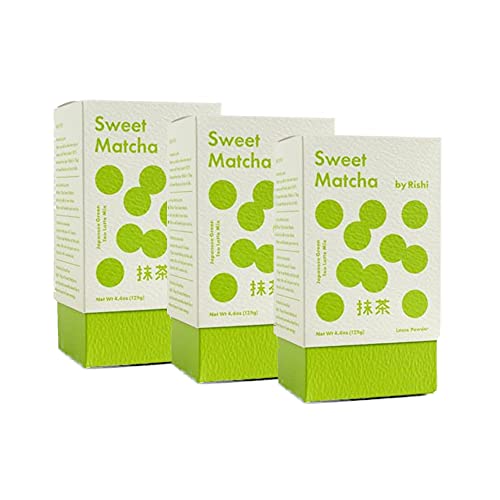
Rishi Sweet Matcha Latte Powder 3-Pack

FKRO Organic Matcha Latte Blend Uji

FKRO Organic Hojicha Powder 100g
A Closer Look At Each Pick
The SOKYO Shizuoka Ceremonial S sits at the delicate end of the list, and that’s the point. Grown in one of Japan’s most respected tea regions, it carries the deep umami (a savory, brothy taste note) that comes from proper shade cultivation, where tea plants are covered before harvest to boost chlorophyll and amino acids. For bakers, that translates into flavor that holds its own against sugar, butter, and white chocolate rather than disappearing into them.
Stone-grinding keeps the particle size fine enough to dissolve cleanly into custards and cake batters. You may find the small 30g tin runs out fast in a busy kitchen, which is the main thing to weigh before committing.
What Works In Its Favor
- Shaded cultivation produces genuine umami depth that survives baking temperatures.
- Stone-ground texture whisks into batters without gritty pockets.
- Shizuoka origin signals consistent regional quality, useful when scaling recipes.
- Clean floral aroma carries through into panna cotta and panna-style fillings.
Points To Keep In Mind
- Ceremonial grade is a premium investment for everyday cookies, so it shines most in small-batch work.
- The 30g tin can deplete quickly during a baking marathon, depending on recipe intensity.
Made For
Pastry cooks building high-impact, low-quantity desserts where matcha flavor needs to land clearly.
Consider Something Else When
You mostly bake in large weekly batches and want a tin that lasts, in which case the Jade Leaf Organic Culinary Matcha 100g fits your rhythm better.
Akira Matcha arrives from Uji in Kyoto, the region most home bakers picture when they think of Japanese green tea. The leaves are first-harvest and shade-grown for at least three weeks, two details that show up in the cup as a softer sweetness and a brighter color. Baked into financiers, shortbread, or a simple matcha cream, that color stays vivid rather than turning muddy brown.
The brand is Matcha Konomi, and the powder is a 30g ceremonial grade, which keeps the tin small and the flavor profile refined. For organic-cert shoppers, this is a clean, single-origin option that pulls its weight in delicate desserts.
Features That Help
- First-harvest leaves give a sweeter, less bitter profile that flatters custards.
- Shade-grown for three weeks lifts chlorophyll, which keeps baked color green.
- Single-origin Uji sourcing helps when a recipe calls for a specific terroir.
- Organic certification fits clean-label baking projects.
Less Ideal Details
- Ceremonial pricing makes it a stretch for everyday butter-and-sugar recipes.
- Smaller tin volume means refilling sooner in a busy home bakery.
- Not sweetened, so sugar amounts in recipes need full control from the baker.
Feature Snapshot
Perfect Match For
Organic-focused home bakers making small-batch sweets where flavor clarity matters more than volume.
Reach For A Different Pick When
You need a big-format bag for school bake sales and family cookies, in which case the Jade Leaf Organic Culinary Matcha 100g is the better call.
Aiya’s sweetened sticks flip the usual matcha baking problem on its head. Instead of dosing sugar yourself, each single-serve packet carries its own balanced sweetness, which is a quiet gift when stirring matcha into pancake batter or spooning it over yogurt. The 8-stick format keeps things tidy in a small kitchen, and the individually sealed sachets protect freshness between uses.
The brand behind it, AIYA, has been making tea since 1888, and that long view shows in the steady quality. These sticks are vegan, non-GMO, and gluten-free, so they slot into a wide range of dietary baking without a second thought.
A Strong Showing
- Pre-portioned sticks remove one variable from quick weekday baking.
- Built-in sweetness is calibrated for drinks, so dessert recipes need less added sugar.
- Vegan and gluten-free labeling supports allergy-aware households.
- Individual sachets lock in aroma and color until the moment you open one.
Some Limits To Know
- Pre-sweetened formula rules out low-sugar or keto-style baking projects.
- Single-serving format costs more per gram than bulk tins, depending on frequency of use.
Right Fit For
Busy home cooks building quick desserts, breakfast bakes, and matcha-flavored drinks without measuring sugar.
A Better Fit Elsewhere
Bakers who want full control over sweetness levels should pick the Rishi Sweet Matcha Latte Powder 3-Pack, which lets you dial sugar to taste.
DoMatcha’s Summer Harvest is a different animal from the spring-picked options above. Late-harvest leaves bring more astringency (a dry, mouth-puckering sensation) and a slightly bolder body, which actually helps in baking, where ceremonial-grade subtlety can get buried under sugar and fat. A 2.82-ounce tin offers around 75 servings, so the math works out for households that bake weekly.
The brand is also Kosher certified, which broadens the audience in mixed-diet kitchens. For straightforward muffins, loaf cakes, and smoothie bowls, this lands as a reliable workhorse that doesn’t need babysitting.
Bright Spots
- Late-harvest astringency stands up to heavy buttercream and chocolate pairings.
- 2.82-ounce tin covers steady weekly baking without constant reordering.
- Kosher certification fits a wider set of dietary households.
- Works smoothly in both warm batters and cold blended drinks.
Practical Considerations
- Higher astringency may taste sharp in delicate whipped-cream frostings.
- Color is less vivid than first-harvest options, which matters for visual-driven bakes.
Quick Facts
Who Should Grab It
Regular home bakers who want a generous, steady tin of matcha that handles rich recipes without fading away.
Look Elsewhere When
You need the brightest, greenest color for showpiece desserts, in which case the Dona First Flush Ceremonial Matcha Tin delivers more visual punch.
Dona’s First Flush leans into a more rounded cup profile. The leaves come from small family farms in Wazuka, in the north of Kyoto, plus Kagoshima and Shizuoka, and the clay-rich soil is part of the story, lending a depth that holds up well in baked custards and layer cakes. The high-temperature firing process brings toasty, nutty notes that pair naturally with brown butter, almond flour, and white chocolate.
The airtight tin helps preserve color and aroma once opened, and the 1.1-ounce format is a sensible middle ground for occasional bakers who still want ceremonial quality.
Where It Helps
- Toasty, nutty notes complement brown butter, almond, and oat flour recipes.
- Multi-region sourcing smooths out year-to-year flavor variation.
- Stone-milled powder dissolves cleanly into warm dairy without grit.
- Vegan, gluten-free, and zero-sugar profile leaves room for recipe-led sweetening.
Trade-Offs
- The 1.1-ounce tin runs out faster than bulk options, depending on baking cadence.
- Ceremonial pricing adds up when scaling up to multi-batch bakes.
Who It Suits Best
Bakers working on nutty, toasty desserts like financiers, pistachio loaves, or brown-butter matcha cookies.
Swap It Out When
You want a roasted, caramel-flavored profile instead of a grassy one, in which case the FKRO Organic Hojicha Powder 100g is the clear alternative.
FKRO’s Okumidori is a single-cultivar matcha, meaning it comes from one specific tea plant variety, Okumidori, grown in the mountain highlands of Kagoshima. Late-maturing Okumidori is famous for a velvety body, savory umami, and soft natural sweetness, so it stays mellow in any direction you take it. For bakers, that means no sharp edges poking through buttercream or panna cotta.
The family farm has cultivated organically since 1954, and the powder is certified organic in both the United States and Japan. The 30g pouch holds about 15 servings, and the monthly air-freight schedule keeps the tin from sitting on shelves for months.
The Good Stuff
- Okumidori cultivar gives a soft, sweet profile that flatters gentle baking recipes.
- USDA and JAS organic certification covers both American and Japanese standards.
- Monthly air-freight rotation shortens the time from farm to kitchen.
- Stone-ground in small batches, which helps preserve aromatic compounds.
Soft Spots
- Single-cultivar pricing puts it above blended ceremonial options.
- 30g pouch depletes fast in active baking households.
- Pouch format (not tin) means careful storage to limit light exposure.
Best Suited To
Bakers who want traceable, single-origin flavor and don’t mind paying ceremonial prices for the privilege.
Not Your Match When
You want barista-style versatility with milk and sugar, in which case the FKRO Organic Matcha Latte Blend Uji covers more everyday uses.
Jade Leaf’s 100g culinary tin is the heavyweight of the list, and that’s by design. Culinary-grade matcha (a slightly bolder category built for mixing rather than whisking plain) is grown and milled for cooking, not for sipping, and the 3.53-ounce format covers months of cookie batches, loaf cakes, and ice cream bases without breaking a sweat. For bakers who reach for matcha weekly, this is the dependable bag.
Compared to the ceremonial options earlier, the flavor here is earthier and more robust, which is exactly why it survives butter, eggs, and high oven heat. It’s also organic, and the brand offers multiple tin sizes if 100g is more than your kitchen can use.
Everyday Perks
- 100g bulk format keeps heavy bakers stocked across multiple recipes.
- Culinary grade is milled to hold flavor under high oven temperatures.
- Organic certification supports clean-label baking.
- Available in multiple sizes (1.06oz, 3.53oz, 16oz) to match your volume.
Honest Caveats
- Culinary grade lacks the sweet, grassy nuance of ceremonial matcha.
- Color skews more olive than jade, which matters for visual-centric desserts.
Key Product Details
Right Fit For
Frequent bakers making cookies, brownies, ice cream, and matcha lattes at a steady weekly pace.
Skip It When
You’re building a celebration cake that needs ceremonial-grade flavor depth, in which case the SOKYO Ceremonial Matcha Series (Shizuoka S) is a better match.
Rishi’s Sweet Matcha skips the measuring spoon. It’s a powdered blend of Japanese green tea and cane sugar, so the sweetness is already in the mix, and the formula is built to dissolve in both hot and cold liquids. For bakers, that’s a quick path to matcha glaze, frosting, and no-bake dessert bases without juggling separate sugar and tea quantities.
The 3-pack format with 4.4-ounce pouches totals a generous supply, and the powder is certified Kosher and non-GMO. The honest read is that this works best as a baking-and-drinks hybrid, not as a strictly savory or unsweetened ingredient.
The Value In It
- Pre-blended sugar cuts down on measuring during quick recipes.
- Dissolves easily in both hot and cold preparations.
- Kosher and non-GMO labeling fits a wide range of households.
- 3-pack format keeps the pantry stocked for casual bakers.
Potential Compromises
- Built-in sugar rules out any recipe where you want full sweetness control.
- Smaller tins of blended powder can clump if exposed to moisture over time.
- Not a single-ingredient matcha, which matters for clean-label baking.
Who It Suits Best
Bakers making sweet glazes, frostings, and no-bake desserts who want fewer ingredients on the counter.
Look Elsewhere When
You need unsweetened, single-ingredient matcha for savory or low-sugar recipes, in which case the Jade Leaf Organic Culinary Matcha 100g is the better path.
FKRO’s barista blend marries three cultivars, Yabukita, Meiryoku, and Sayama Kaori, from the Tanaka family farm in Uji. Each cultivar adds a different note, and the result is a smooth, balanced powder designed to play nicely with milk. For bakers, that balance means it carries through matcha lattes, ice cream bases, and batters without disappearing or turning sharp.
First-harvest leaves are stone-ground in small batches and air-flown monthly, and the powder is USDA certified organic. The 60g pouch lands between the ceremonial 30g options and the 100g bulk, which makes it a versatile middle-ground for most kitchens.
Why It Works Well
- Three-cultivar blend rounds out flavor for milk-heavy recipes.
- First-harvest leaves bring sweetness without extra sugar.
- USDA organic certification meets clean-label standards.
- Monthly air-freight rotation shortens shelf time before the tin opens.
What To Weigh
- Barista profile may mute the bright, grassy notes in delicate ceremonial-style desserts.
- Pouch format calls for cool, dry storage away from light.
The Details
Made For
Bakers who split their time between lattes, smoothies, and oven recipes and want one powder that handles all three.
Not Your Match When
You want pure single-cultivar character in your dessert, in which case the FKRO Organic Okumidori Ceremonial Matcha is the more focused choice.
Hojicha isn’t matcha in the strictest sense, but it earns a spot on a baking roundup because it solves a different problem. It’s a roasted green tea, so the color is warm brown rather than jade, and the flavor is nutty with caramel undertones. Roasted by a fourth-generation tea master, this powder is grown in the mountains of Tenryū, Shizuoka, without pesticides, and stone-milled to a soft texture.
For bakers building ice cream, shortbread, or affogato-style desserts, hojicha plays the role of a tea-flavored cocoa alternative. The 100g pouch covers steady use, and it dissolves easily into both warm and cold dairy.
Practical Pluses
- Roasted profile brings natural caramel notes without added sugar.
- Brown color works in chocolate-toned desserts without visual clash.
- Stone-milled texture dissolves cleanly into ice cream bases and batters.
- Single-origin Yabukita cultivar keeps flavor consistent batch to batch.
Factors To Consider
- Roasted flavor isn’t a substitute for grassy ceremonial matcha in green-hued desserts.
- Lacks the bright green color that defines classic matcha presentation.
- Pairs best with specific recipes, so it may sit unused in some pantries.
Who Will Love This
Bakers building roasted, nutty desserts like hojicha cookies, affogato, and brown-butter tea cakes.
Consider Something Else When
You want a vivid green color for showpiece matcha work, in which case the Dona First Flush Ceremonial Matcha Tin is the stronger pick.
Choosing The Right Matcha Powders For Baking
Grade Matters More Than Marketing
Ceremonial matcha uses the youngest, most tender leaves, picked in spring and shade-grown to build sweetness. Culinary grade comes from later harvests or slightly tougher leaves, milled for mixing rather than sipping. For most baking projects, culinary grade is the practical choice because the flavor is built to survive heat, sugar, and fat, while ceremonial grade shines in no-bake or low-heat applications like panna cotta, whipped cream, or glaze.
Origin, Cultivar, and Shade Time
Where the tea grows shapes what ends up in the tin. Uji in Kyoto, Shizuoka, and Kagoshima are well-known regions with consistent quality. Single-cultivar matchas (like Okumidori) give a more focused flavor, while blends (like Yabukita, Meiryoku, and Sayama Kaori together) build a rounder, more forgiving profile. Shade time, the weeks before harvest when plants are covered, drives umami and color, and longer shade generally means deeper green and more savory depth.
Sweetened vs Unsweetened
Pre-sweetened sticks and latte blends cut down on measuring but lock you out of any recipe that needs sugar control. Plain matcha gives you full reign over sweetener type and amount, which matters for low-sugar baking, keto recipes, or savory applications. Matcha baking rarely wants a one-size-fits-all sweetness level, so lean unsweetened unless convenience matters more than flexibility.
Format, Storage, and Freshness
Tin packaging blocks light and slows oxidation better than foil pouches, which matters once you crack the seal. Matcha degrades quickly when exposed to air, moisture, and sunlight, so resealable packaging plus cool, dark storage extends usable life. Bulk sizes (100g) save money per gram but only make sense if your kitchen goes through matcha steadily enough to use it before flavor fades.
What To Know Before You Add To Cart
Common Shopping Slip Ups
One frequent trap is buying ceremonial-grade matcha for everyday cookies. The delicate flavor gets buried under butter and sugar, and the premium pricing adds up fast. Another miss is ignoring the ingredient list on sweetened blends, where cane sugar or milk powders can sneak into recipes that don’t expect them. Storage is the third slip: leaving matcha near the stove or in a sunny cabinet shortens usable life far more than people expect.
When Paying More Pays Off
Higher-tier matchas earn their keep in no-bake or low-heat recipes where flavor clarity is the whole point. A ceremonial-grade single-cultivar tin makes sense for whipped ganache, soft panna cotta, or matcha sugar finishing on top of frosted cookies, where the powder lands directly on the tongue. For dense cakes, brownies, and bulk ice cream, a culinary-grade bag is the smarter spend, since the difference shows up on the receipt, not the palate.
