

Africa grows some of the most expressive coffee in the world, yet the category often gets boiled down to “Ethiopian” alone. In reality, you have citrus-bright washed beans from Yirgacheffe, syrupy Indonesian-leaning Sumatras, and even Caribbean-tinged blends that nod to African roasting traditions. Choosing well means matching roast level, format, and flavor to your daily routine.
This roundup covers ground coffee, whole bean, and single-serve pods, so you can find the right fit whether you brew a French press for two or fire up a Keurig on a rushed morning. Each pick below is judged on attribute fit, real-world use, and honest trade-offs.
How The Shortlist Stacks Up

Yaucono Ground Coffee Arabica Medium Roast 14 Ounce

Lavazza Espresso Whole Bean 100% Arabica 2.2 lb

Starbucks Fall Blend Medium Roast 17 Oz

Fresh Roasted Coffee Jamaican Me Crazy 2 lb

Fresh Roasted Coffee Coconut K-Cups 24 Count
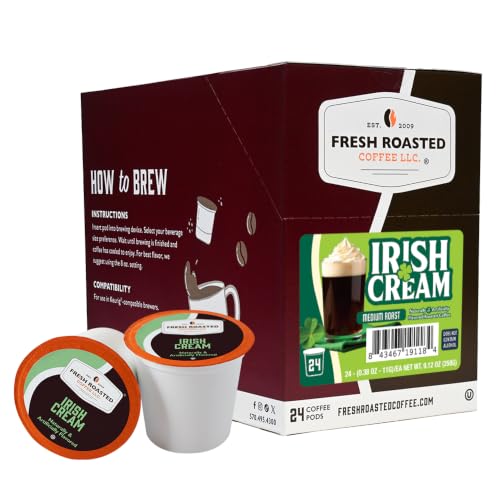
Fresh Roasted Coffee Irish Cream K-Cups 24 Count
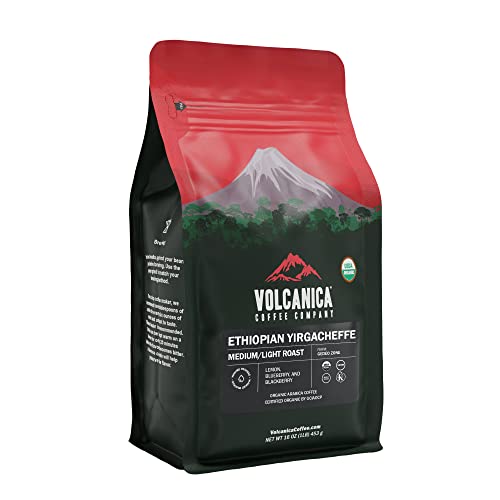
Volcanica Ethiopian Yirgacheffe Organic 16 oz
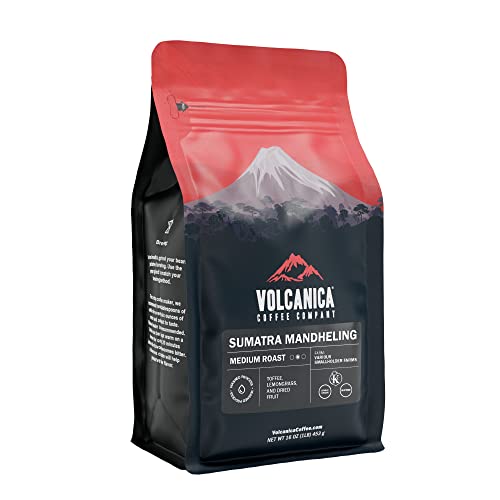
Volcanica Sumatra Mandheling Organic 16 oz

Volcanica Tanzania Peaberry Kilimanjaro 16 oz
The Strengths Of Each Pick
Yaucono’s ground coffee arrives pre-ground to a fine consistency, which removes one step from a busy morning. The 14-ounce bag hits a sweet spot for two-cup households that drain a bag in roughly two weeks before staleness creeps in.
Coming from a brand with deep Puerto Rican roots, this medium roast leans toward a smooth, balanced profile rather than the bright, fruit-forward notes you get from African single origins later in the list. It works well as a gateway into the broader category.
What Works In Its Favor
- Pre-ground format saves morning time for drip and pour-over brewers
- 14-ounce size stays fresh through roughly two weeks of daily use
- Medium roast profile forgives slightly off measurements
- Available in bulk pack sizes for households that brew heavily
Worth Noting
- Fine grind may clog coarser brew methods like French press or cold brew
- Once opened, transfer to an airtight container to slow staling
Whose Shelf It Belongs On
This lands well for traditional drip and pour-over drinkers who want a dependable medium roast without fuss.
Swap It Out When
Shoppers chasing genuine single-origin African character should reach for Volcanica Ethiopian Yirgacheffe instead.
Lavazza’s whole-bean espresso blend pulls from both South American and African growing regions, blending them into a 5/10 intensity medium roast. Floral and fruit notes come through cleanly when the beans are ground fresh, which matters most with espresso machines.
The pack-of-three 2.2 lb bags give you roughly 6.6 pounds total, which suits heavy espresso households or small offices. Compared with Yaucono’s pre-ground approach in the first pick, this one assumes you own a grinder and want to dial in shot quality.
Bright Spots
- Whole-bean format preserves aromatic compounds until grind time
- Floral and fruit notes add complexity to milk drinks
- Multi-bag pack keeps serious espresso drinkers stocked for months
- Compatible with both espresso and drip methods
Trade Offs
- Requires a burr grinder to unlock the full flavor profile
- Beans can go stale if the bag sits open longer than a few weeks
Made For
Home espresso enthusiasts who already grind fresh and want African-sourced complexity in a balanced blend.
Not Your Match When
Drip-only households without a grinder will get more from Fresh Roasted Coffee Jamaican Me Crazy instead.
This Starbucks Fall Blend leans on 100% Arabica beans and a medium roast that weaves spice with a touch of citrus. The 17-ounce bag gives you a few more mornings than the Yaucono bag, and the limited-edition framing means it shows up only during the cooler months.
The ground format is ready to drop into a drip machine, so it sits between convenience and the seasonal ritual that drives some shoppers to wait all year for this release.
Everyday Perks
- Spice and citrus notes pair well with autumn baked goods
- 17-ounce bag covers roughly three weeks of daily brewing
- Ground format works in drip, pour-over, and press
Honest Caveats
- Limited-edition release means it disappears once the season ends
- Lighter citrus edge may disappoint drinkers who want deep chocolate
Who It Suits Best
Seasonal flavor seekers who want a limited-release cup that feels different from their year-round roast.
Consider Something Else When
Drinkers chasing year-round chocolate depth should grab Volcanica Sumatra Mandheling instead.
Jamaican Me Crazy layers caramel, vanilla bean, and a coffee liqueur note into a 2-pound bag of drip-ready grounds. The medium roast base keeps the added flavors from tasting syrupy, and the kosher certification widens who can pull it into their kitchen.
Where the Lavazza and Volcanica picks aim for origin clarity, this one is built around indulgence. It slots in nicely for households that want dessert-leaning cups without firing up a syrup.
Practical Advantages
- Caramel and vanilla notes create an instant dessert cup
- 2-pound bulk bag lowers the per-cup cost for heavy drinkers
- Medium roast base keeps added flavors from going cloying
Things To Consider
- Flavored profile may overshadow single-origin character
- Ground format limits freshness once the bag is opened
Right Fit For
Flavored coffee fans who treat their morning cup as a small treat rather than a pure origin experience.
Look Elsewhere When
Pure origin drinkers should pivot to Volcanica Tanzania Peaberry for an unsweet, concentrated cup.
These K-Cup pods deliver a coconut-forward medium roast in a format that drops into any Keurig brewer. The 24-count box covers about a month of solo morning use, and the kosher certification mirrors what you’ll find in the Fresh Roasted Coffee bagged lineup.
Pods trade the freshness of whole bean for speed, so the appeal here is convenience rather than origin depth. Coconut flavoring makes it more of a treat cup than a daily workhorse.
The Good Stuff
- Single-serve format eliminates measuring and cleanup
- Tropical coconut note works well as an afternoon pick-me-up
- Compatible with most Keurig home brewers
Smaller Caveats
- Pods generate more packaging waste than bagged coffee
- Flavor fades faster than whole bean once the pod is opened
Best Suited To
Keurig households that want a flavored pod without committing to a flavored syrup.
A Better Fit Elsewhere
Whole-bean brewers who want tropical character should explore Volcanica’s whole-bean single origins instead.
The Irish Cream pods follow the same single-serve format as the coconut option, swapping in a cream-and-liqueur flavor profile. At 24 pods per box, the count matches a typical month of weekday breakfasts, and the medium roast keeps the cup from turning into a sugar bomb.
Where the coconut pod leans tropical, this one skews evening-dessert. That positioning matters if you’re choosing between the two for the same Keurig station.
Benefits That Matter
- Creamy profile works as a stand-in for an after-dinner treat
- Pod format cuts brew time to under a minute
- Boxed packaging keeps pods organized in a pantry
Practical Considerations
- Flavor can read artificial to drinkers used to unflavored beans
- Only useful if you own a Keurig or compatible brewer
Perfect Match For
After-dinner coffee drinkers who want a flavored pod without mixing syrups or liqueurs themselves.
Skip It When
Strict origin purists will get more from Volcanica Ethiopian Yirgacheffe whole bean.
This is the heart of the African single-origin category. Yirgacheffe beans, roasted by Volcanica, deliver lemon, blueberry, and blackberry notes with a thick body and bright acidity. The 16-ounce whole-bean bag ships fresh, and the USDA Organic and Kosher certifications cover most dietary preferences.
Compared with the flavored Fresh Roasted picks above, this one’s whole-bean format requires a burr grinder and rewards careful brewing. For pour-over drinkers, the payoff is genuine.
Well-Handled Touches
- Bright lemon and berry notes define classic African washed coffee
- USDA Organic and Kosher certifications broaden kitchen use
- Whole-bean format preserves aromatic oils until grind time
- Single-region sourcing makes origin character easy to taste
Less Ideal Details
- Bright acidity may feel sharp to drinkers used to darker roasts
- Whole-bean format requires a grinder you already own
Built With In Mind
Pour-over purists and single-origin fans who want authentic Yirgacheffe character in their cup.
Another Choice May Suit
Drinkers who prefer chocolate-leaning, low-acid cups will appreciate Volcanica Sumatra Mandheling more.
Sumatra Mandheling is a different beast from the bright Yirgacheffe. The cup leans chocolatey with earthy undertones, and the medium roast keeps the body heavy without sliding into ash. Volcanica roasts it fresh to order, so the 16-ounce bag arrives close to peak flavor.
This one’s an organic, whole-bean option that pulls double duty in a French press or drip setup, and the smoother profile makes it a smart rotation partner for the Yirgacheffe.
Noteworthy Benefits
- Chocolate and earth notes suit drinkers avoiding bright acidity
- Heavy body stands up well to milk and cream additions
- USDA Organic certification aligns with clean-label kitchens
Trade-Offs To Consider
- Whole-bean format demands consistent grinder discipline
- Flavor profile can read muted next to brighter African origins
Who Will Love This
French press fans and low-acid drinkers who want organic, single-origin depth in a heavy cup.
Reach For A Different Pick When
Shoppers craving fruit-forward brightness should stay with Volcanica Ethiopian Yirgacheffe.
A peaberry is a natural mutation where the coffee fruit forms a single rounded seed instead of two flat ones, and the result is a more concentrated flavor. Volcanica sources these from Mount Kilimanjaro slopes, giving you acidity, rich body, and a fragrant aroma in a 16-ounce whole-bean bag.
It rounds out the Volcanica trio here, sitting between Yirgacheffe’s brightness and Sumatra’s earthiness. The tradeoff for that complexity is the same one every whole-bean pick shares: you need a grinder to taste the difference.
The Value In It
- Peaberry mutation concentrates flavor into a single seed
- Kilimanjaro origin gives bright acidity with full body
- Fresh-roasted release captures peak aromatic window
Possible Compromises
- Peaberry scarcity often shows up in price-per-ounce
- Whole-bean format assumes you already own a burr grinder
Who Should Grab It
Adventurous whole-bean brewers who want to taste what makes peaberry a sought-after mutation.
Where A Sibling Pick Shines
Drinkers who want a calmer, low-acid experience will prefer Volcanica Sumatra Mandheling.
What Matters Most When Choosing African Coffees
Start with roast level. Medium roasts across this list keep the origin character visible while staying approachable for daily drinking. If you find lighter cups sharp, the Sumatra Mandheling offers a heavier body without pushing into charcoal territory.
Brew method shapes the next decision. Whole-bean picks reward a burr grinder and pour-over or French press setups, while pre-ground options from Yaucono and Starbucks work straight from the bag in a standard drip machine. Pods make sense for Keurig households that prioritize speed over freshness.
Flavor profile is where African coffees set themselves apart. Yirgacheffe leads with citrus and berry, Tanzanian peaberry brings a concentrated bright cup, and Sumatra leans chocolatey and earthy. Blends like Lavazza mix African beans with South American sources for a more balanced everyday espresso.
Certification and dietary fit round out the choice. USDA Organic and Kosher certifications appear on the Volcanica single origins and Fresh Roasted Coffee pods, which matters for shoppers with specific kitchen standards or gifting needs.
Key Considerations Across These Picks
Pitfalls Shoppers Hit
Treating all African coffees as interchangeable leads to disappointment. A bright, acidic Yirgacheffe tastes nothing like a chocolatey Sumatra, so buying in bulk without sampling a smaller size first often ends in wasted beans. Storage also catches first-timers off guard: pre-ground coffee stales faster than whole bean, and pod flavor fades within weeks of opening the box.
Where The Extra Money Goes
Premium single origins cost more because peaberries and washed Yirgacheffe beans require careful sorting, low-defect processing, and fresher roast-to-order shipping. That overhead shows up in the cup as clearer origin notes, brighter acidity, and heavier body. For daily drinkers, the upgrade pays off when you actually taste the difference; for occasional brewers, a dependable medium roast from the first few picks delivers more value.
Frequently Asked Questions
What makes African coffees different from Latin American beans?
African coffees typically show brighter acidity and more fruit-forward notes, with Yirgacheffe leading in citrus and berry tones. Latin American beans tend to lean chocolatey, nutty, and balanced with a heavier body, so the two regions complement each other in blends.
Is whole bean really better than pre-ground coffee?
Whole bean keeps aromatic oils sealed inside the seed until you grind, which preserves flavor longer. Pre-ground coffee starts losing those aromatics the moment the bag opens, though it saves time on rushed mornings.
What is a peaberry coffee bean?
A peaberry forms when a coffee cherry produces one round seed instead of two flat halves. That single seed absorbs all the nutrients, so peaberries often taste more concentrated and slightly brighter than regular beans from the same harvest.
How should I store African coffee to keep it fresh?
An airtight container stored in a cool, dark place protects both whole bean and ground coffee from moisture and light. Avoid the fridge, since temperature swings and food odors can creep into the beans and muddy the cup.
Are Keurig pods a good way to explore African flavors?
Pods are a convenient entry point, especially for flavored options like coconut or Irish cream. Single-origin African character comes through more clearly in freshly ground whole bean, so pods work best as a supplement to, not a replacement for, a real grinder setup.
The Takeaway
Your best pick comes down to brew format, flavor lean, and how much ritual you want in your morning. Whole-bean single origins like Yirgacheffe and Tanzania Peaberry reward the time you invest, while ground and pod options from Yaucono, Starbucks, and Fresh Roasted Coffee keep things simple on the busiest weekdays. Mix and match a few across the list and your kitchen covers everything from a quick Monday cup to a slow Sunday pour-over.
