

Scanning the juice aisle for something that won’t spike a kid’s lunchbox with hidden sweetness feels harder than it should be. Plenty of bottles whisper “natural” while packing just as much sugar as soda, which makes the no-added-sugar promise more about marketing than nutrition. Parents, label-readers, and anyone cutting back on sweetener intake all want the same thing: real fruit, real flavor, and a sensible pour. These nine options keep added sugar off the ingredient list and let the fruit do the talking.
The Lineup, Simplified

Honest Kids Super Fruit Punch Organic Juice Boxes, 6 fl oz, 40 Count
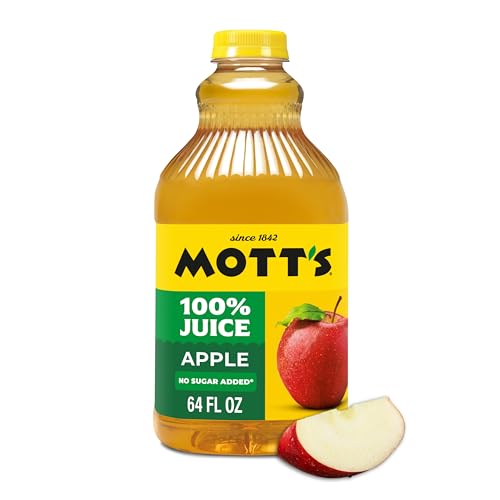
Mott’s 100% Original Apple Juice, 64 fl oz Bottle

Mott’s 100% Apple Juice, 8 fl oz Bottles, 24 Count
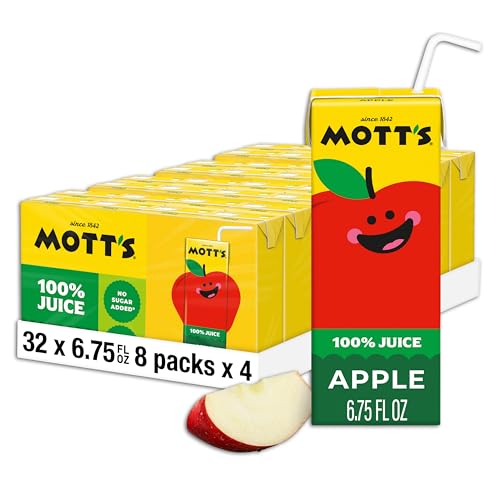
Mott’s 100% Apple Juice Boxes, 6.75 fl oz, 32 Count

Ocean Spray Cran-Apple Juice Drink, 64 oz

Martinelli’s Organic Apple Juice, 64 oz

Martinelli’s Apple Juice, 10 fl oz Bottle

Honest Kids Appley Ever After Organic Juice Boxes, 6 fl oz, 40 Count

Honest Kids Strawberry Peachy Keen Cartons, 6 fl oz, 40 Count
Inside Each Recommended Option
Built for the morning rush, this 40-pack of 6-ounce boxes slots into standard lunch pouches and survives the inevitable backpack toss. The punch version uses a blend of organic fruit juices, so parents get sweetness from the source rather than a syrupy additive. For most families packing lunches five days a week, a case like this covers several weeks of breakfast and snack rotations.
Compared to the larger Mott’s 64-ounce jug coming up next, this format trades volume for grab-and-go convenience, and the smaller pour helps control how much a kid actually drinks in one sitting. The cartons are also recyclable, which is a small but real win for households trying to keep juice packaging out of the trash stream.
Everyday Wins
- USDA Organic, with sweetness drawn from fruit juice only
- No high-fructose corn syrup or added sugar
- Single-serve 6-ounce size matches common hydration needs for younger kids
- Good source of vitamin C to round out a lunch
- 40-count format means fewer restock runs for big families
Things To Consider
- Even with no added sugar, the natural fruit juice concentration still carries meaningful natural sugar per serving
- Bulk box storage requires pantry space; flat-packed cartons stack reasonably but still need a dedicated shelf
Who It Suits Best
Parents packing school lunches or after-school snacks who want organic ingredients and a kid-friendly flavor blend without pouring a 64-ounce jug each morning.
Consider Something Else When
For households chasing a single-flavor pure apple experience, the Honest Kids Appley Ever After 40-count (Item 8) keeps the same lunchbox format with a simpler apple-only taste.
A 64-ounce jug is the kind of purchase that quietly anchors a household fridge for a week or more. This Mott’s option sticks to a simple promise: 100% apple juice with no added sugar, just pressed fruit and whatever vitamin C comes along for the ride. It pours easily into glasses, water bottles, and the small cups kids tend to fish out of the cabinet themselves.
For shoppers who want a single container over the multi-pack options earlier and later in this list, this format keeps the ingredient list short and the fridge uncluttered. The tradeoff shows up in freshness, since once opened, the countdown to finishing the jug begins.
A Favorable Mix
- 100% fruit juice with no added sugar listed on the label
- Provides about two servings of fruit per 8 fl oz cup, handy for parents tracking daily intake
- Good source of vitamin C from the fruit itself
- Large jug format lowers per-ounce cost for heavy households
Worth Noting
- Refrigeration after opening is essential, and once a jug is open, plan to use it within roughly a week for the best flavor
- 64 ounces can feel like a lot for a single-person household, with some juice inevitably going to waste
- Natural fruit sugar is still present, so portion control matters for anyone watching sugar closely
Made For
Families pouring glasses at breakfast or packing reusable bottles daily who want a no-fuss, recognizable apple juice in a single fridge-friendly container.
Where Another Pick Suits Better
Solo drinkers and small households may prefer the Martinelli’s 10-ounce glass bottle (Item 7), which finishes in a single sitting with no leftovers to track.
Single-serve 8-ounce bottles solve the “how much did they actually drink” question that parents ask at every after-school pickup. This 24-count Mott’s option arrives as four 6-packs, so it splits nicely between pantry shelves, the car, and a sport-bag stash. The serving size aligns with standard juice nutritional guidelines, which keeps portions honest without extra measuring.
Where the Honest Kids boxes lean toward kid-flavored blends, this Mott’s pick stays classic apple and skips the artificial colors, sweeteners, and caffeine, plus it carries kosher certification for households that look for that on labels. It’s a middle ground between the 64-ounce jug (Item 2) and the smaller 6.75-ounce boxes coming up next.
What Earns Its Place
- 100% apple juice with no added sugar, gluten-free, caffeine-free, and kosher verified
- No artificial colors or sweeteners, keeping the ingredient line short
- Two servings of fruit per bottle make lunchtime packing a little easier
- Portioned 8-ounce format helps limit over-pouring at snacks
Points To Note
- Plastic bottles add to recycling duty compared to the recyclable carton format earlier in the list
- 24-count bulk assumes a real rotation, otherwise some bottles may sit past peak freshness
Best Suited To
Active families who want a grabbable drinkable for sports bags, road trips, and lunchboxes without measuring cups at the kitchen counter.
Skip It When
For carton-only preferences, the Mott’s 6.75-ounce boxes (Item 4) keep the same ingredient simplicity in a straw-friendly format.
The 6.75-ounce juice box is a Lunchables-era standard for a reason: it fits a standard ice pack sleeve, doesn’t leak when a straw is properly inserted, and contains enough liquid to satisfy without flooding a small kid’s stomach before recess. This 32-count Mott’s option lands in four 8-packs, so parents can stage some at home, some at grandma’s, and some in the car without lugging the whole case around.
Compared to the Honest Kids boxes earlier, this Mott’s variant focuses on pure apple rather than a punch blend, and skips artificial colors, sweeteners, and caffeine. The label also carries kosher and gluten-free certifications for shoppers who scan for those markers.
Practical Advantages
- 100% fruit juice with no added sugar, made from pressed apples and concentrate
- Two servings of fruit per box, lining up with common nutrition guidance
- Gluten-free, caffeine-free, kosher, and free of artificial colors and sweeteners
- Compact 6.75-ounce box fits standard insulated lunch sleeves
Honest Caveats
- Straws can occasionally be hard for little hands to insert on the first try, leading to a small juicebox wrestling routine
- Cardboard carton storage in a deep pantry can mean the back boxes expire before the front ones get used
Who Should Grab It
Households packing daily lunches or weekly day-care snacks who want a pure apple option in the most recognized lunchbox format.
A Better Fit Elsewhere
For shoppers leaning toward organic certification, the Honest Kids Appley Ever After 40-count (Item 8) offers a similar box format with USDA Organic on the label.
The cranberry-apple mashup is a useful tool when plain apple juice starts feeling predictable. Ocean Spray leans into the tart side, with the apple softening the cranberry’s pucker and the resulting drink landing somewhere between a breakfast pour and a cocktail mixer. A 64-ounce bottle covers a weekend’s worth of mocktails, spritzers, or Tuesday morning pancakes.
Unlike the pure apple entries earlier in this list, this one is labeled a juice drink and contains added sugar. That detail matters for anyone specifically hunting no-added-sugar options. Cran-Apple earns its slot here for the cranberry-apple flavor seekers, but shoppers prioritizing minimum sugar should look at the pure apple picks instead.
Everyday Perks
- Bold cranberry-apple flavor for drinkers tired of straight apple
- Real juice from concentrate, with no high-fructose corn syrup
- Provides 100% of the daily value for vitamin C per serving
- Large 64-ounce bottle fits weekly hosting and family use
Trade Offs
- Contains added sugar, which removes it from the strict no-added-sugar shortlist for label-conscious shoppers
- Tart-forward flavor can be a tough sell with kids used to sweeter juice blends
Perfect Match For
Home mixologists and brunch hosts who want a versatile cranberry-apple base for mocktails, holiday punches, and casual weekday spritzers.
Look Elsewhere When
For pure apple with no added sugar in the same large format, the Mott’s 64-ounce Original Apple Juice (Item 2) keeps the ingredient line cleaner.
Martinelli’s is the name most folks associate with the iconic glass-bottle holiday pour, but this 64-ounce plastic jug version is built for everyday use. The plastic handles a fridge door without the shatter worry of glass, and the simple ingredient promise is the draw: organic apple juice with no additives of any kind. For shoppers who treat the label like a homework assignment, that’s a clean read.
Compared to the Mott’s jug (Item 2) with the same capacity, this one swaps conventional sourcing for organic certification and a stripped-down ingredient line. The catch shows up at the cash register and in the wider pantry footprint of a 64-ounce jug.
What It Does Well
- USDA-style organic apple juice with no additives of any kind
- Plastic jug is easy to hold, pour, and store in a refrigerator door
- Large 64-ounce size supports heavy household consumption without frequent restocking
- Neutral apple profile works in baking, cooking, and straight sipping
Points To Keep In Mind
- Plastic jug, while shatter-resistant, is not as visually elegant as the glass-bottle alternative
- Organic sourcing often carries a higher per-ounce cost than conventional options earlier in this list
Whose Shelf It Belongs On
Clean-label households and home bakers who want organic, additive-free apple juice for both drinking and recipe use in a fridge-friendly jug.
Reach For A Different Pick When
For a smaller single-serve organic option, the Honest Kids Appley Ever After boxes (Item 8) carry the same organic framing in lunchbox-friendly portions.
Single-serve glass bottles tend to feel a little ceremonial, which is half the charm of a Martinelli’s pour. This 10-ounce format finishes in one sitting, so there’s no half-finished bottle haunting the fridge. For allergen-aware households, the “does not contain any of the 8 major allergens” claim is a meaningful marker when packing snacks for kids with shared-classroom restrictions.
Compare that to the plastic jug earlier (Item 6), which trades single-serve elegance for capacity. The smaller bottle also means less commitment if a kid decides mid-pour that apple juice isn’t the move today, and the rest of the bottle stash stays untouched.
Practical Pluses
- Free of the eight major allergens, helpful for school and shared-space policies
- Low cholesterol and low saturated fat from a clean apple base
- 10-ounce glass bottle finishes in one sitting, no leftover storage
- Familiar Martinelli’s apple flavor profile for fans of the brand
Minor Gripes
- Glass bottles add weight to a lunchbox and require more careful packing than the carton options earlier in the list
- Per-ounce cost runs higher than the 64-ounce jug (Item 6) from the same brand
Who Will Love This
Allergen-conscious parents and anyone who likes the idea of a single-serve glass bottle of apple juice at lunch or as an afternoon treat.
Swap It Out When
For a more pack-and-go format with similar allergen awareness, the Mott’s 8-ounce bottles (Item 3) skip the glass weight for plastic convenience.
The Honest Kids punch blend (Item 1) covers kids who like mixed-fruit flavors, but for apple purists, the Appley Ever After version is the cleaner fit. It’s still USDA Organic, still sweetened only with organic fruit juice, and still skips the high-fructose corn syrup and added sugar crowd. The 6-ounce carton size matches the same school-day rhythm as the punch, just with a single-flavor focus.
In homes where siblings disagree on whether juice should taste like fruit punch or just like apples, splitting between Item 1 and Item 8 keeps the peace without doubling the pantry footprint. The recyclable carton format also keeps the end-of-week cleanup short.
Where It Helps
- USDA Organic apple juice sweetened only with organic fruit juice
- No high-fructose corn syrup and no added sugar on the label
- Single-flavor apple taste appeals to kids who turn up their nose at mixed blends
- Recyclable cartons cut down on the lunchbox packaging pile
A Few Limitations
- 40-count case storage still needs a dedicated pantry shelf or two
- Single apple flavor may feel repetitive for households rotating through the Honest Kids lineup
Built With In Mind
Parents of picky eaters who want a recognizable apple taste in a lunchbox format with organic certification front and center.
Not Your Match When
For variety-driven snackers, the Honest Kids Super Fruit Punch 40-count (Item 1) offers more flavor options in the same carton format.
This Honest Kids set shifts the format to a five-set, eight-pack bundle, which adds up to 40 total cartons of the strawberry-peach blend. It’s a smart stash for teachers, after-school program leaders, or large families who go through juice the way other households go through milk. The strawberry-peach flavor is a kid-pleaser that doesn’t need convincing.
Compared to the Appley Ever After boxes (Item 8), this option trades pure apple for a fruitier, sweeter-tasting blend, though the underlying sweetener is still organic fruit juice. The carton format stays consistent across the Honest Kids lineup, so the lunchbox routine doesn’t change, just the flavor rotation.
The Case For It
- USDA Organic, sweetened only with organic fruit juice
- No high-fructose corn syrup, no added sugar
- Good source of vitamin C, similar to the rest of the Honest Kids range
- Bulk five-set format spreads easily across multiple households or classrooms
Where It May Fall Short
- Bulk count requires consistent use to avoid cartons aging past peak freshness on the shelf
- Strawberry-peach flavor is broader-tasting than a simple apple juice, which may not match every household’s flavor preference
The Right Fit
Large families, group childcare providers, and anyone running a snack rotation that benefits from buying in volume without sacrificing organic certification.
Where A Sibling Pick Shines
For a smaller-volume organic apple option, the Honest Kids Appley Ever After 40-count (Item 8) keeps the same brand standards in a single-flavor format.
What Matters Most When Buying Apple Juices With Less Sugar
Start with the ingredient line. A short label that names apples, vitamin C, and little else usually means the sweetness is coming from the fruit itself, which is the goal of any “less sugar” promise. “No added sugar” claims only address sugar that wasn’t already in the fruit, so a juice that’s 100% apple will still contain natural fruit sugar, just no syrup on top. Shoppers managing total daily sugar intake should treat that distinction as the starting point, not the finish line.
Container format shapes how the juice actually fits into a routine. Single-serve boxes and bottles solve grab-and-go days, while a 64-ounce jug wins on per-ounce cost for daily family pouring. Glass bottles feel like an event but add weight and breakability to a lunchbox, and plastic jugs balance capacity with safe fridge storage.
Certifications and dietary flags matter more in some households than others. USDA Organic seals indicate how the apples were grown, while kosher, gluten-free, and allergen-free labels speak to specific dietary needs. For shared spaces like classrooms or after-school programs, those markers often decide which juice makes the snack list.
Flavor blends versus single-fruit options is a personal call. A cranberry-apple drink introduces tart notes and a broader taste range, but it often carries added sugar. Pure apple options tend to be the most consistent picks for shoppers committed to minimum sugar, while blended fruit juices work better for variety-seekers who accept the trade-off.
Key Considerations Across These Picks
Where Shoppers Go Wrong
The most common slip-up is treating “no added sugar” as a license to pour freely. A 6-ounce juice box of pure apple juice still delivers natural fruit sugar, and two or three cartons a day adds up faster than expected. Another trap is ignoring the juice drink versus 100% juice distinction: blends like Cran-Apple (Item 5) are labeled juice drinks for a reason, and shoppers hunting strict no-added-sugar options should look past them. Reading the actual nutrition panel, not just the front-of-box claim, keeps that mistake off the shopping list.
What Separates Premium From Basic
The jump from a conventional 64-ounce jug (Item 2) to an organic 64-ounce jug (Item 6) reflects ingredient sourcing, primarily the farming practices behind the apples, and a stripped-down additive list. A single-serve glass bottle (Item 7) costs more per ounce partly because glass and small-batch packaging are inherently pricier than plastic jugs. For households that value organic certification and short ingredient lines, that premium is a fair trade. For shoppers focused on per-ounce value for everyday pouring, the conventional large-format picks still earn their place.
Frequently Asked Questions
What does “no added sugar” actually mean on an apple juice label?
It means the sweetness in the bottle comes only from the fruit itself, with no cane sugar, syrup, or other sweetener added during processing. The natural fruit sugar is still present, which is why the nutrition panel matters alongside the front label.
Are organic apple juices lower in sugar than conventional ones?
Not necessarily. Organic certification speaks to how the apples were grown, not to the sugar content of the finished juice. The sugar per serving in an organic and a conventional 100% apple juice is usually similar.
Is 100% apple juice a good choice for kids?
In moderation, 100% apple juice can fit into a balanced diet, especially when portioned into 4 to 6 ounce servings. For regular hydration, water and whole fruit remain the stronger daily defaults, with juice reserved for occasional treat moments.
How long does apple juice last once opened?
Most opened apple juices hold quality for about 7 to 10 days when refrigerated and tightly resealed. Unopened cartons and bottles last until the date printed on the package, so plan purchasing volume around realistic household consumption.
Why do some apple juice labels say “juice drink” instead of “juice”?
A “juice drink” usually contains added sugar, water, or both, while “100% juice” is made solely from the named fruit. The distinction is regulatory, and it is one of the first label markers worth checking when sugar content is a priority.
Closing Remarks
Picking an apple juice with less sugar comes down to reading the label, matching the format to the household rhythm, and accepting that natural fruit sugar is part of the package no matter what. The right bottle or box is the one that fits the fridge, the lunchbox, and the snack routine without forcing trade-offs that won’t stick. Choose based on how you actually drink juice, and the rest tends to fall into place.
