

A good tea ritual can steady a hectic morning, anchor a long afternoon, or close out a heavy evening. The hard part is sorting real loose-leaf depth from a cupboard of one-note bagged blends. This roundup pulls together eight strong options across the tea spectrum, from roasted Wuyi oolong to delicate silver needle, plus a few Western black tea staples for daily drinkers. Each pick is matched to a clear use case, so the right choice depends less on hype and more on how, and when, you actually brew.
The Leading Options At A Glance

Da Hong Pao Oolong Loose Leaf (3 oz)

Yorkshire Tea Red Black Tea Bags 160ct

Twinings Lady Grey Black Citrus Tea Bags 20 ct

MagJo Wild Harvest Dried Elderberries 1 lb
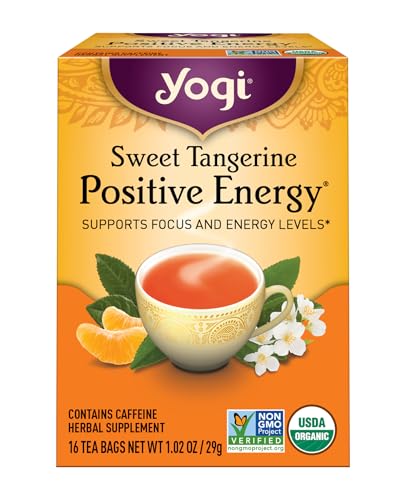
Yogi Sweet Tangerine Positive Energy 16 Bags

Celestial Seasonings Mandarin Orange Spice 120 ct

Milk Oolong Loose Leaf 1 lb Tin
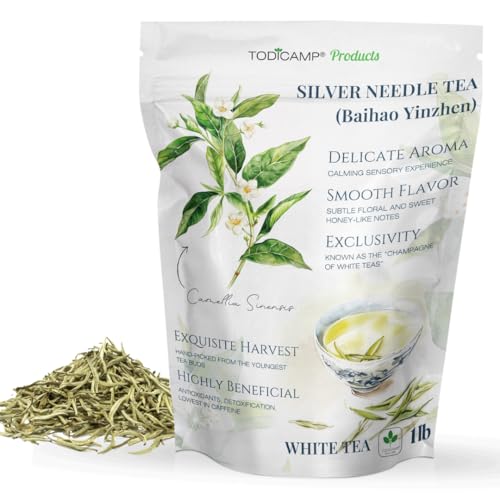
TODICAMP Silver Needle White Tea 1 lb
Taking A Closer Look At The Options
Da Hong Pao carries the deepest color and weight in this lineup. The leaf comes from the mineral cliffs of Mount Wuyi, where the rocky soil gives the cup its signature “yan yun” or rock charm, the layered, mineral-thick finish traditional oolong drinkers chase. For anyone moving past bagged basics, this is a textbook entry into serious Chinese tea.
You brew it gongfu style, meaning short steeps in a small clay or porcelain pot with high leaf-to-water ratios. Expect a roasted aroma up front, deeper cocoa and caramel in the middle, and a long mineral finish. Where bagged oolong fades fast, this leaf stands up to five or six reinfusions, so a small tin goes a long way in a household that drinks tea every day.
A Few Highlights
- Rock-terroir character that most grocery-shelf oolongs cannot match.
- Reinfuses cleanly across multiple short steepings, lowering cost per cup.
- Charcoal-roasting profile gives natural depth without added flavorings.
- Loose-leaf format works in simple strainers, no specialty gear required.
Worth Noting
- The roast can read as smoky or charcoal-heavy to drinkers used to green-style oolong.
- Storage matters; keep the tin sealed away from spices, or the leaf picks up off-aromas fast.
Right Fit For
Curious drinkers stepping into traditional Chinese tea who already own a small pot and want a benchmark roasted oolong.
Look Elsewhere When
You want a softer, creamier oolong with no roast, in which case the TODICAMP Milk Oolong later in this list is the better shelf mate.
Yorkshire Tea is a workhorse, not a showpiece. The Red blend is a straightforward, full-bodied black tea built for the British breakfast table, where it gets drowned in milk and still holds its shape. For households running through several mugs a day, the 160-bag pack of six covers months of ordinary drinking without ceremony.
Compared with the loose-leaf oolongs above, this is a different job. You are buying reliability, speed, and a familiar malty profile that does not need sugar to taste complete. Drop a bag, boil, wait four to five minutes, and you have a strong cup that pairs with toast, eggs, or a stack of paperwork.
Bright Spots
- Stays bold and malty even with a generous splash of milk.
- Individually foil-wrapped boxes keep the bags fresh across long storage.
- Large multi-pack format suits shared offices and family kitchens.
Points To Keep In Mind
- Single-origin character is mild; connoisseurs chasing terroir should look at the oolong options.
- Box count is large, so a single-person household may not finish the supply before staleness creeps in.
Best Suited To
Heavy daily black-tea drinkers who want a sturdy breakfast cup and already take milk.
A Better Fit Elsewhere
Drinkers chasing citrus and brightness should skip ahead to Twinings Lady Grey instead of working around this blend.
Lady Grey is Earl Grey’s quieter sibling. Twinings drops in dried orange and lemon peel alongside a touch of bergamot, the floral citrus oil that defines the classic version, then keeps the body light. The result is a black tea that flatters afternoon settings, lunch with friends, or a slow weekend cup where you actually taste the cup.
Compared with the punchier Yorkshire Red above, this is a softer, more aromatic pour. It plays well without milk and steeps quickly enough to serve guests without fuss. Boxed and individually wrapped, it stores easily in a pantry or desk drawer and does not feel out of place in a glass teapot on the table.
Where It Delivers
- Citrus lift keeps the cup bright even when brewed slightly strong.
- Tastes balanced with no sugar, which suits calorie-conscious drinkers.
- Small box format is friendly for apartment storage and travel kettles.
- Pairs with light pastries and fruit-based desserts without overpowering.
Some Limits To Know
- The bergamot note is mild, so Earl Grey loyalists may want a stronger pour.
- Not a breakfast-grade workhorse, so it is best reserved for slower cups.
Whose Shelf It Belongs On
Tea drinkers who want a polite, fragrant black tea for hosting and a no-milk everyday option.
Swap It Out When
You want a deeply malty breakfast cup with milk, in which case Yorkshire Tea Red serves you better.
MagJo’s dried elderberries are not a finished tea but a raw material. Wild-harvested across northern Albania and Montenegro, then dried and packed in a foil-lined resealable bag, the berries give home brewers a base for syrups, cordials, and tea blends that bottled products cannot replicate. If you like tinkering in the kitchen, this is a flexible pantry staple.
The honest read: this item earns its place only if you plan to cook with it. Elderberries must always be heated before consumption, so the workflow is simmer-and-strain rather than steep-and-drink. Once you accept that step, a 1 lb bag fuels many small batches and costs far less per ounce than pre-made elderberry teas on the same listing.
Practical Advantages
- Wild-harvested sourcing with no irradiation, so the fruit arrives whole and intact.
- Foil-lined resealable bag helps the berries stay usable across months of storage.
- Bulk format drops the per-ounce cost well below bottled tea blends.
Trade Offs
- Raw berries must be cooked, never eaten straight from the bag.
- Not a ready-to-brew tea; plan time for simmering, straining, and clean-up.
Who Will Love This
Home cooks and wellness tinkerers who already make syrups, kombucha, or custom tea blends and want a real fruit base.
Consider Something Else When
You want a ready-to-brew bag with zero prep, where Celestial Seasonings Mandarin Orange Spice is the simpler pick.
Sweet Tangerine Positive Energy sits in the herbal, caffeine-free corner of the lineup. The blend leans on citrus peel and warming spices to build a sweet, fragrant cup that works in the late afternoon or after dinner, when black or oolong would push sleep further away. The branding leans wellness-forward, but the cup is genuinely enjoyable on its own terms.
Compared with the multi-pack Celestial Seasonings below, this is a smaller, more flavored box. You buy it when you want one specific cup in rotation, not a daily grocery supply. For households that already keep a strong breakfast tea and want a contrasting evening option, it earns the small box it takes up on the shelf.
Where It Excels
- Caffeine-free profile suits evening drinkers and pregnancy-safe routines.
- Citrus-and-spice balance tastes dessert-adjacent without added sugar.
- Pre-portioned bags keep brewing consistent across cups and days.
Smaller Caveats
- Single-flavor box limits variety; rotate with Celestial Seasonings if you want range.
- Packaging may vary between orders, so visual consistency is not guaranteed for office displays.
Perfect Match For
Anyone cutting caffeine later in the day who still wants a sweet, aromatic cup to close the evening.
Another Choice May Suit
Stocking a shared kitchen for many drinkers, where the larger Celestial Seasonings Mandarin Orange Spice pack stretches further.
Celestial Seasonings Mandarin Orange Spice is the kind of tea that quietly lives in office kitchens, shared breakrooms, and family pantries. The blend layers orange peel with clove and coriander, giving a spiced herbal cup that steeps cleanly in hot water without caffeine or gluten. Six boxes of 20 give a serious cushion against running out midweek.
It does not pretend to be a connoisseur tea. Where the loose-leaf oolongs on this list demand attention, this one works as background comfort: a cup you can leave on the desk, reheat, and finish without ceremony. The flavor lands in a sweet-spicy register that drinks well year-round, especially as a winter evening pour.
What Pays Off
- Bulk six-box format keeps shared kitchens stocked for months.
- No artificial flavors, colors, or preservatives, which matters to label-reading shoppers.
- Caffeine-free profile makes it safe for late-night cups in shared spaces.
- Spice-and-citrus blend reads as a small treat without added sweetener.
Honest Caveats
- Herbal base means no real tea polyphenols; you are buying flavor, not a tea “lift”.
- Spice intensity can overpower more delicate foods, so it does not pair with every meal.
Made For
Office managers, large households, and anyone stocking a shared kitchen with a crowd-friendly herbal option.
Skip It When
You want a true Chinese-style loose-leaf session; the TODICAMP Silver Needle ahead is the proper upgrade for that.
Quick Facts
Milk Oolong is the friendly face of Chinese oolong. The leaf, sourced from high-mountain gardens in China, carries a creamy, almost buttered aroma that surprises people expecting grassiness from a partly oxidized tea. The 1 lb tin format makes it the most generous loose-leaf offering on this list, suited to households that brew several pots a week.
Where the Da Hong Pao above is bold and roasted, this oolong is gentle and milky. You brew it the same gongfu way, short steeps in a small pot, but the cup reads more like a dessert tea than a serious morning pour. The trade-off is balance: it drinks easy, but it does not push the same mineral depth as a rock oolong.
What Works In Its Favor
- Creamy aroma needs no milk or sweetener, which suits dairy-free drinkers.
- Reinfuses across multiple short steepings, lowering cost per cup.
- 1 lb tin format keeps the leaf fresh and serves heavy daily drinkers well.
Points To Note
- The milky note is subtle; drinkers expecting an obvious dairy flavor may need to recalibrate.
- Bulk tin is overkill for casual drinkers; a 3 oz bag is a more sensible start.
Who Should Grab It
Loose-leaf fans who brew most afternoons and want a soft, easy-drinking oolong in regular rotation.
Reach For A Different Pick When
You want a roasted, more traditional oolong experience; the Da Hong Pao earlier in this list fits that mood better.
Feature Snapshot
Silver Needle sits at the lightest end of the tea spectrum. Made from unopened buds that are barely fermented and air-dried, it produces a pale, almost colorless cup with a soft, sweet, and slightly vegetal finish. Of the eight picks here, it asks the most of your water quality and your patience.
It is also the most rewarding when treated right. Compared with the robust oolongs above, Silver Needle punishes boiling water with bitterness, so it needs a lower temperature and a longer, gentler steep. In exchange, you get a layered, almost floral cup that pairs with quiet mornings, slow weekends, or a focused work session where the tea is part of the routine.
Noteworthy Benefits
- Minimal processing preserves a naturally high antioxidant load.
- Delicate sweetness needs no sugar, which suits low-sugar routines.
- 1 lb format gives a long supply for slow, ritualistic brewing.
Practical Considerations
- Demands lower-temperature water and longer steeps, which adds steps to the ritual.
- Light cup can feel thin to drinkers used to bold black or roasted oolong.
- Leaf is fragile, so airtight storage away from light and moisture is essential.
Built With In Mind
Slow-brew enthusiasts who already own a temperature-controlled kettle and want a connoisseur-grade white tea at home.
Where Another Pick Suits Better
You want an everyday cup with minimal fuss, in which case Yorkshire Tea Red or Celestial Seasonings Mandarin Orange Spice is a more forgiving choice.
Key Attributes
What Matters Most Before Choosing Asian Teas
Oxidation And Roast Level
Oxidation, the controlled browning of the leaf after picking, sets the baseline flavor of any tea. Green and white teas stay light and vegetal because oxidation is stopped early. Oolong sits in the middle, partly oxidized, and produces everything from floral and creamy to roasted and mineral depending on the leaf. Black teas are fully oxidized and trade delicacy for body and caffeine tolerance. Roast is a separate axis: a heavily roasted Da Hong Pao reads nothing like a green-style Milk Oolong, even within the same category. Match the oxidation and roast level to the time of day you plan to drink the tea, and you will avoid most mismatched cups.
Bagged Versus Loose Leaf
Bagged blends trade nuance for speed. They suit shared kitchens, offices, and households that burn through several mugs a day. Loose-leaf tea costs more per ounce up front but reuses the same leaves across multiple infusions, especially with oolong and white tea, which lowers the per-cup cost and exposes far more flavor. For a small daily ritual, loose leaf pays back fast. For a family supply, bags stay practical.
Caffeine, Sweetness, And Additions
A basic check on caffeine content shapes the day. Black and most oolongs carry moderate caffeine. Green and white teas are lower. Herbal infusions like Celestial Seasonings Mandarin Orange Spice and Yogi Sweet Tangerine have no tea at all, only dried fruit, peel, and spice, so they work late at night. Sweetness, real or implied, matters too. Cane sugar, dried fruit, and citrus peel change the cup’s character, so check the ingredient list if you watch sugar intake or follow a specific diet.
Storage And Freshness
Loose-leaf teas lose aroma fast when exposed to air, light, moisture, and pantry odors. A sealed tin, a dedicated canister, or the original foil-lined bag kept in a dark cupboard extends usable life. Bagged teas last longer simply because each bag is a small sealed chamber, but once opened, a box of 20 or 160 goes stale on the same timeline. Plan your purchase size to your drinking pace.
Key Considerations Across These Picks
Where Shoppers Go Wrong
The most common mistake is buying a fancy loose-leaf tea without the gear to brew it well. Silver Needle and Da Hong Pao both punish boiling water and short steeps, so drinkers end up with a bitter cup and blame the leaf. A second slip is buying a giant multi-pack of bagged tea for a single-person household, which costs storage space and ends up stale before the box is half-finished. Match the format, the caffeine level, and the brew method to your routine before adding anything to the cart.
When Paying More Pays Off
Higher-tier picks in this category cost more because the leaf is less processed, more carefully handled, and often single-origin. The Da Hong Pao, Milk Oolong, and Silver Needle all deliver reinfusions, so a 3 oz to 1 lb tin stretches across dozens of cups, not dozens of single brews. The upgrade is worth it for drinkers who treat tea as a daily ritual, but it is wasted on someone who wants a fast mug of milk-and-sugar with breakfast. Pay more when the ritual matters; save when convenience is the point.
Frequently Asked Questions
How Should I Store Loose-Leaf Tea At Home?
Keep loose-leaf tea in an airtight tin or its original foil-lined bag, away from sunlight, heat, and strong-smelling pantry items like coffee or spices. For a typical household drinking a few cups a week, a 1 lb tin stored in a dark cupboard stays fresh for several months.
How Many Times Can I Reuse Oolong Or White Tea Leaves?
Most oolongs, including the Da Hong Pao and Milk Oolong, give clean reinfusions across four to six short steeps when brewed gongfu style. Silver Needle typically gives two to four gentler steeps at lower temperatures. The cup changes character across infusions, so drinkers often enjoy that progression as part of the ritual.
Are Herbal Blends Like Yogi Or Celestial Seasonings Real Tea?
No, they are herbal infusions, technically tisanes, made from dried flowers, fruit peel, spices, or berries rather than the Camellia sinensis plant. They contain no caffeine from tea, though some blends include other naturally occurring compounds. They sit alongside true teas as a separate category for evening or caffeine-sensitive drinkers.
Is Yorkshire Tea The Same As English Breakfast?
Yorkshire Tea is a specific blend sold by Taylors of Harrogate, while English Breakfast is a broader style of strong black tea blended by many brands. Yorkshire Red sits in that breakfast-style family with a malty, full-bodied profile that takes milk well, but it is a named blend rather than a generic category.
Why Is Silver Needle More Expensive Than Other White Teas?
Silver Needle uses only the unopened buds of the tea plant, hand-picked before they open, and the harvest window is short. Lower yield, more delicate handling, and careful drying all raise the per-ounce cost. The light, slightly sweet cup justifies the price for drinkers who brew it properly, but it is overkill if you want a quick everyday mug.
Closing Thoughts
The right tea depends less on prestige and more on the cup you actually drink. Pick the format that matches your routine, the caffeine level that fits your day, and the leaf quality your taste buds notice. With those three filters, every option on this list earns its place somewhere on a real shelf, and the next steep is rarely disappointing.
