

A good matcha tin can change your morning. The right powder gives you vivid green color, a clean umami lift, and the kind of slow caffeine release that actually gets you through a stack of emails. The wrong one tastes grassy, looks dull, and disappears from your routine by week two.
This list covers a real spread: single-origin ceremonial options for traditional whisking, sweetened latte powders for quick café-style drinks at home, and a few organic middle-ground picks for daily use. Every entry below was chosen for what it actually delivers in the cup, not for how loud the marketing sounds.
The Shortlist At A Glance

SOKYO Ceremonial Matcha Series (Shizuoka S)

TAZO Organic Matcha Latte Powder, 3.5 oz

Naoki Matcha Superior Blend, 40g

Naoki Matcha Organic First Spring Blend, 40g
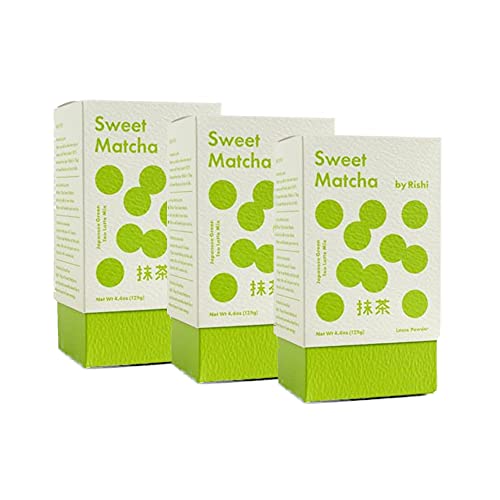
Rishi Tea Sweet Matcha, 3-Pack

Naoki Matcha Chiran Harvest Master’s Collection
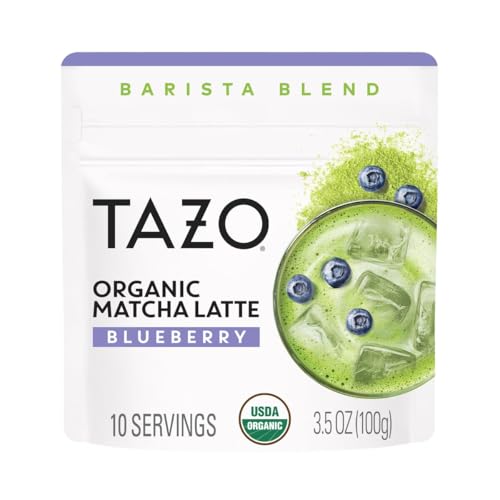
TAZO Organic Blueberry Matcha Latte, 3.5 oz

TAZO Blueberry Matcha Barista Blend, 9-Pack

TAZO Organic Vanilla Matcha Latte, 3.5 oz

TAZO Vanilla Matcha Barista Blend, 9-Pack
Inside Each Recommended Option
SOKYO’s Shizuoka Ceremonial S is a single-region powder aimed at traditional preparation, where you whisk the leaves into a small bowl of hot water and drink the foam, not the sugar. Sourced from Shizuoka, one of Japan’s better-known tea prefectures, the leaves go through shaded cultivation that builds theanine (the amino acid behind matcha’s savory depth) before stone-grinding.
For newcomers, ceremonial grade can feel like a lot. The flavor is grassier, more savory, and the sweetness comes from the leaf itself rather than added sugar. You may find that your first cup tastes more like a fresh garden than a latte, which is exactly the point once you get used to it.
Features That Help
- Single-origin Shizuoka leaves give you a traceable, region-specific cup.
- Ceremonial grade supports both thin usucha and thick koicha preparation styles.
- Vivid green color signals proper shading and fresh milling, which usually tracks with better flavor.
- Shaded cultivation lifts theanine, the amino acid that gives matcha its mellow umami character.
- Stone-ground texture dissolves smoothly when you use a proper bamboo whisk.
Things To Consider
- The 1.05 oz tin goes faster than you’d think, since ceremonial grade is typically enjoyed in smaller, more concentrated servings.
- Once opened, the tin needs cool, dark storage, and many owners report keeping it in the fridge to protect color and aroma.
Who It Suits Best
Traditional drinkers who already own a chasen (bamboo whisk) and want a single-origin Shizuoka cup with real umami weight.
Where Another Pick Suits Better
Daily latte drinkers should reach for TAZO Organic Matcha Latte Powder instead, since it is pre-sweetened and built for milk-based drinks.
TAZO’s Classic Matcha Latte mix is the opposite end of the spectrum from SOKYO. It is a sweetened, ready-to-mix blend built for speed, using organic matcha combined with organic sugar so you can skip the chasen entirely. The pouch format and pre-portioned servings work well for office drawers, dorm rooms, and anyone whose morning routine barely has room for a kettle.
Compared to the ceremonial Shizuoka pick above, this is a completely different drink. You give up the layered umami for a smooth, sweet, café-style latte. That trade is the whole reason this format exists, and it works.
Where It Delivers
- Pre-sweetened format removes the need to balance sugar, milk, and matcha separately.
- Organic matcha base keeps the powder aligned with cleaner ingredient expectations.
- Mixes easily with hot water and milk, no whisk or sifter required.
Worth Noting
- Sweetness is fixed, so anyone reducing added sugar will need to look elsewhere or split the dose.
- The latte powder is built for milk drinks, not for traditional whisked preparation, so flavor depth is more limited than ceremonial grades.
Right Fit For
Busy professionals who want a quick organic latte without any extra equipment or measuring.
Skip It When
People who want authentic whisked tea should consider the Naoki Matcha Superior Blend for a more traditional, unsweetened profile.
The Naoki Superior Blend sits in the middle of the pack, and that is precisely its appeal. Sourced from Uji in Kyoto, Japan’s most famous matcha region, the tencha (the steamed, dried tea leaf that becomes matcha) is stone-ground shortly before shipping. That timing is a real flavor advantage, since matcha loses its bright aroma faster than almost any other tea once exposed to air.
The 40g tin offers a versatile profile that works both ways: whisked traditionally for a focused cup, or blended into lattes and smoothies. Naoki’s shade-grown first-harvest leaves give you a smoother, less bitter cup than entry-level culinary matcha, without pushing into the higher ceremonial-tier cost.
Where It Excels
- Uji, Kyoto origin, the most recognized matcha terroir in Japan.
- Shade-grown first-harvest leaves deliver a smoother, less bitter cup.
- 40g tin size is generous enough for daily drinkers without going stale.
- Works equally well whisked traditionally or stirred into milk.
Trade Offs
- Not labeled organic, which matters for shoppers filtering by certification.
- Once opened, the tin needs cool, dry storage and is typically used within a few weeks for best flavor.
Best Suited To
Daily drinkers who split their time between traditional usucha and milk-based matcha drinks and want Uji-region quality.
Not Your Match When
Strictly organic shoppers should consider Naoki Matcha Organic First Spring Blend, which carries organic certification.
If the Superior Blend is the balanced middle, the Organic First Spring Blend is the gentle entry ramp. Naoki built this one with newcomers in mind: organic-certified leaves, a mellow flavor profile, and almost no bitterness. The result is a powder that plays nicely with milk, oats, and sweeteners without disappearing into them.
Compared to the SOKYO Shizuoka pick, this is more forgiving. You can whisk it a little loosely, mix it into a latte, or even stir it into oatmeal, and the cup still tastes clean. For first-timers who want a real ceremonial-grade experience without committing to a single-origin terroir, the trade-off is character for approachability.
What Works In Its Favor
- Organic certification appeals to shoppers filtering on ingredient sourcing.
- Mellow flavor profile handles sweeteners and milk without going flat.
- Same shade-grown first-harvest quality as Naoki’s higher-tier blends.
- Generous 40g tin gives new drinkers room to experiment.
Points To Note
- The mellow profile means less of the punchy umami that single-region ceremonial grades offer.
- Tin should be sealed tightly between uses, since flavor can flatten if the lid is left loose.
Who Will Love This
First-time matcha drinkers who want a forgiving, organic powder that still qualifies as ceremonial grade.
Look Elsewhere When
Traditionalists chasing layered regional flavor should pick the Naoki Matcha Chiran Harvest Master’s Collection for more pronounced character.
Rishi’s Sweet Matcha takes a different angle from the powders above: it is a Japanese matcha blended with cane sugar, built to dissolve easily into a range of drinks. The 3-pack of 4.4 oz pouches is genuinely useful for households where multiple people drink matcha, or for anyone who wants to keep a pouch at home, at work, and in a gym bag.
The blend works in three preparations: hot latte, iced latte, and a matcha lemonade that uses lemon and honey. That kind of format flexibility is rare in matcha, and it makes this pick a real option for people who get bored drinking the same cup every day.
A Few Strong Suits
- Three-pouch format suits households, offices, and travel routines.
- Dissolves smoothly in cold liquids, useful for iced and lemonade recipes.
- Certified Kosher and non-GMO, with no chemical pesticides reported in growing.
- Pre-sweetened with cane sugar, so you skip a separate sugar step.
Honest Caveats
- The cane sugar sweetness is built in, and dialing it back means splitting the dose with unsweetened matcha.
- The flavor profile skews sweet, so it will not satisfy drinkers who want a clean, traditional cup.
Perfect Match For
Multi-drink routines, think iced lattes, lemonades, and hot cups across different parts of the day.
Another Choice May Suit
Traditional drinkers should reach for Naoki Matcha Superior Blend, which gives you an unsweetened, region-specific cup instead.
The Chiran Harvest Master’s Collection is the most terroir-driven option in the Naoki lineup. Chiran, in Kagoshima Prefecture, has built a reputation for slightly sweeter, fuller-bodied matcha, and this single-harvest tin leans into that profile. The Master’s Collection framing positions it as a tasting-grade powder, the kind of tin you open slowly rather than scoop freely.
For anyone moving beyond everyday matcha, the Chiran Harvest is a useful step. It works particularly well as a thick koicha, where you use more powder and less water to make a syrupy, almost broth-like cup. The catch is that this format rewards a slower, more deliberate ritual.
The Upside
- Single-harvest Chiran leaves offer a fuller, sweeter cup than average Uji powders.
- Strong performance as koicha, where richer matcha really shines.
- Same 40g tin format as other Naoki picks, easy to store and reseal.
A Few Limitations
- Premium positioning means the cost-per-gram is higher than Naoki’s everyday blends.
- Best enjoyed traditionally, so it is less practical for everyday milk-and-ice routines.
Built With In Mind
Experienced matcha drinkers who enjoy slow, traditional preparation and want to explore regional flavor differences.
A Better Fit Elsewhere
Casual daily drinkers may find the Naoki Matcha Superior Blend a more practical everyday alternative at a friendlier cost.
TAZO’s Blueberry Matcha takes the sweetened latte concept from pick 2 and adds a bright fruit note. It is a single 3.5 oz pouch built around organic matcha and blueberry flavor, and it is aimed squarely at iced drinks, where the fruit reads more clearly. For hot preparations, the blueberry tends to soften into something closer to a generic berry sweetness.
This is the kind of pick that lives or dies on personal taste. Drinkers who want their matcha to taste like matcha will not love it. Drinkers who want a flavored afternoon drink that still contains real tea leaves will probably keep it in rotation, especially over ice with oat milk.
What It Does Well
- Blueberry flavor reads clearly in iced preparations, which is where most people actually use it.
- Organic matcha base keeps the leaf content real, not just flavoring.
- Single pouch format is low-commitment for curious shoppers.
Less-Strong Areas
- Blueberry flavor mutes significantly in hot preparations.
- Pre-sweetened, so it does not pair with additional sweeteners well.
Whose Shelf It Belongs On
Iced-drink fans who want a flavored afternoon option and prefer fruit-forward matcha over traditional savory profiles.
Reach For A Different Pick When
Traditional drinkers should consider the Naoki Matcha Chiran Harvest Master’s Collection, which keeps the focus on the leaf itself.
The 9-pack version of TAZO’s Blueberry Matcha is essentially the single-pouch pick above, scaled up for daily drinkers. Nine 3.5 oz pouches give you roughly 90 servings, enough for several weeks of regular iced matcha. The Barista Blend framing positions it as a café-style drink mix, and it works that way: shake with water and milk, pour over ice, done.
Compared to the single pouch, the bulk pack only makes sense if you actually finish the supply before flavor fatigue sets in. For most households, that means an office fridge, a partner who drinks it too, or a routine where iced blueberry matcha replaces a daily coffee.
Reasons It Performs
- Bulk 9-pack format suits regular iced matcha drinkers.
- Barista Blend positioning means smoother texture in milk-based drinks.
- Organic matcha base stays consistent with the single-pouch version.
Practical Considerations
- The bulk pack needs a real storage plan, since nine pouches take up pantry space.
- Flavor fatigue is a real risk if you drink the same flavored latte every day for weeks.
Made For
Regular iced-matcha drinkers and shared kitchens where one flavored pouch rarely lasts the week.
Where A Sibling Pick Shines
Anyone preferring vanilla over fruit should pick TAZO Vanilla Matcha Barista Blend, 9-Pack, which trades the fruit for warm vanilla notes.
TAZO’s Vanilla Matcha rounds out the flavored lineup with a warmer, more dessert-leaning profile. It pairs organic matcha with vanilla flavor and organic sugar, designed for cozy evening lattes and weekend breakfasts rather than a sharp morning wake-up. The single pouch format is a low-commitment way to test the flavor before scaling up to the 9-pack below.
Like the blueberry version, this works best when you accept it as a flavored drink, not a traditional matcha. Vanilla covers the grassy edge that some drinkers find off-putting, which is a real win for newcomers.
Good Reasons To Consider
- Vanilla flavor smooths out the grassy edge of matcha for newcomers.
- Works well hot or iced, giving you year-round versatility.
- Organic matcha base keeps the leaf content real.
Some Limits To Know
- Pre-sweetened, so sugar control is limited unless you split the dose.
- Vanilla-forward flavor can feel heavy after several cups in a row.
Who Should Grab It
Newcomers and dessert-leaning latte drinkers who want a smooth, low-bitterness entry into the matcha world.
Swap It Out When
Traditional drinkers should consider Naoki Matcha Organic First Spring Blend, which keeps the focus on the tea itself.
The 9-pack Vanilla Matcha closes the list the way the bulk Blueberry pack closed its section: by giving frequent drinkers a way to commit to a flavor. Nine pouches, roughly 90 servings, and the same Barista Blend positioning that gives you a smoother, milkier cup than a standard stir-and-go mix.
For families and shared kitchens, this is genuinely useful. One pouch per week, with some buffer, keeps the routine going without weekly restocking. The catch is the same as the bulk blueberry pack: flavor fatigue is real, and vanilla-on-vanilla can lose its appeal before the ninth pouch is finished.
Standout Benefits
- Bulk supply suits families and office kitchens with multiple drinkers.
- Vanilla flavor profile works year-round, hot or iced.
- Organic matcha and organic sugar keep the ingredient list simple.
Worth Bearing In Mind
- Bulk pouches require pantry space and a consumption plan to avoid staleness.
- Fixed sweetness means low flexibility for drinkers managing sugar intake.
The Right Fit
Families, shared kitchens, and frequent iced-drink drinkers who want a steady vanilla matcha supply.
Consider Something Else When
Single drinkers or flavor explorers may find the bulk TAZO Blueberry Matcha Barista Blend, 9-Pack a more interesting rotation.
What To Weigh Before Picking Your Matcha
Grade matters more than most shoppers expect. Ceremonial grade uses younger, hand-picked leaves from the first harvest (ichibancha) and is meant to be whisked into water on its own. Culinary grade is more astringent and is built for baking, smoothies, and heavy milk drinks. If you only drink lattes, culinary grade can save you money. If you want to taste the tea itself, ceremonial is the only path that delivers.
Origin tells you about flavor personality before you ever open the tin. Uji in Kyoto is the most established matcha region, with a balanced umami and sweetness profile. Shizuoka tends toward greener, grassier notes. Chiran in Kagoshima skews sweeter and fuller. Single-origin tins give you a more distinctive cup, while blends smooth out regional quirks.
Freshness is the single biggest quality variable. Matcha begins to lose its bright aroma within weeks of opening, so smaller tins are usually better than large ones for solo drinkers. Look for powders that were ground close to the packing date, and plan to use a 40g tin within roughly six to eight weeks of opening for the best cup.
Sweetened latte mixes are a different category, not a better or worse one. They are pre-blended with sugar, often flavored, and built for milk drinks. They shine on busy mornings and for newcomers who are still getting used to plain matcha. They do not replace traditional grades for traditional preparation.
Smart Shopping Notes for Matcha Shoppers
Common Shopping Slip Ups
The most common mistake is buying a large tin of ceremonial matcha to save money, then letting it sit half-used for two months. Matcha oxidizes fast once opened, and a 100g ceremonial tin can go flat before you finish it. Smaller tins matched to your actual drinking pace almost always taste better.
Another slip is reaching for the cheapest green powder and expecting it to behave like authentic matcha. Lower-grade products can be bitter, dull in color, and rough in texture, none of which is fixed by adding more sugar. Spending slightly more on a real ceremonial or first-harvest blend usually pays off in flavor per cup.
Where The Extra Money Goes
The price gap between entry-level and premium matcha comes from a few specific things: first-harvest versus later harvests, hand-picked versus machine-picked leaves, stone-ground versus industrial milling, and single-origin versus blended sourcing. Each step tends to improve aroma, color, and smoothness in the cup.
For drinkers who only enjoy matcha once in a while, the upgrade rarely pays off. For daily drinkers and traditional preparation, the difference between a mid-tier blend and a single-harvest ceremonial tin is noticeable from the first sip, and the higher cost amortizes over many more enjoyable cups.
Frequently Asked Questions
What is the difference between ceremonial and culinary grade matcha?
Ceremonial grade uses younger first-harvest leaves and is meant to be whisked with water alone. Culinary grade uses older leaves, tastes more astringent, and is built for baking, smoothies, and milk drinks. The grades are not about quality tiers, they are about intended use.
How should matcha be stored once opened?
Keep the tin sealed tightly, stored in a cool, dark place, and ideally in the refrigerator to slow oxidation. Avoid sunlight and humidity, both of which fade the color and flatten the aroma faster than anything else.
Is sweetened matcha powder still real matcha?
Yes, sweetened latte mixes contain real matcha combined with sugar and often flavoring. The leaf content is real, though the cup will taste different from whisked ceremonial tea. For a traditional cup, unsweetened ceremonial or first-harvest blends are the right category.
Can matcha be used in recipes beyond drinks?
Absolutely. Culinary-grade matcha works well in baked goods, ice cream, overnight oats, and savory sauces. Ceremonial-grade matcha is usually reserved for drinking, since heating it aggressively in baking can mute its more delicate aromatics.
How much matcha should you use per cup?
For traditional usucha, roughly 1 to 2 grams (about half a teaspoon) per 70 to 80 ml of hot water around 175°F. For koicha, double the powder and use less water. For sweetened latte mixes, follow the pouch instructions, which are already balanced for milk drinks.
Closing Remarks
The honest read is that there is no single best matcha, just the right one for how you actually drink it. Traditional preparation rewards a single-origin ceremonial tin, busy mornings lean toward sweetened latte mixes, and shared kitchens benefit from bulk packs that keep the whole household in steady supply. Match your routine to the powder, and the cup takes care of itself.
