

Walking into home brewing for the first time feels equal parts exciting and baffling. You want a kit that explains itself, fits your kitchen, and produces something worth pouring into a glass at the end. The ten picks below cover beer, kombucha, mead, and cider, and each one trades a different set of compromises for a different kind of newcomer. The goal here is to help you match the kit to the drink you’re actually curious about, not the one with the flashiest box.
An Overview Of The Picks

Brewer’s Best German Oktoberfest Home Brewing Kit
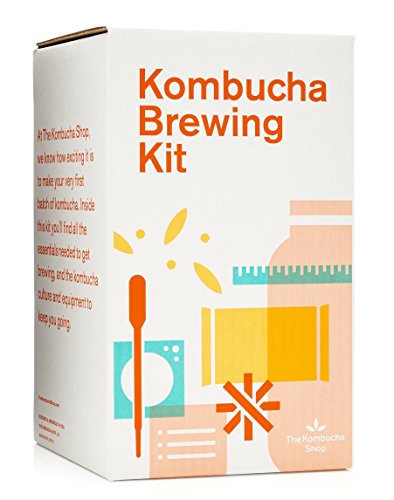
The Kombucha Shop Organic Kombucha Starter Kit (1 Gallon)

Brewer’s Best Scottish Ale Home Brew Kit (5 Gallon)

Robust Porter Homebrew Beer Ingredient Kit

Brewer’s Best English Pale Ale Home Brew Kit (5 Gallon)

Craft A Brew Mead Making Kit (1 Gallon)
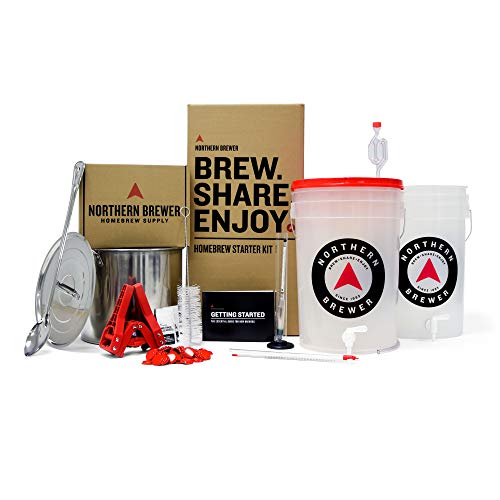
Northern Brewer Starter Kit w/Equipment, Chinook IPA (5 Gal)
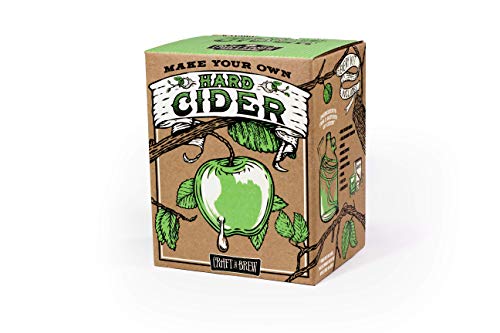
Craft A Brew Hard Cider Kit (1 Gallon)

Home Brew Ohio Imperial Pale Ale Ingredient Kit

Craft A Brew American Pale Ale Kit (1 Gallon)
Why These Options Stand Out
The Brewer’s Best German Oktoberfest kit leans into malt, building a copper-colored, medium-bodied beer with Munich and amber extracts doing most of the flavor work. It’s a recipe-only package, so the trade-off is that you bring your own kettle, fermenter, and bottles. The included lager yeast is forgiving at ale temperatures, which matters for newcomers who don’t yet have a dedicated fermentation fridge.
For people curious about lagers without the lager headache, this kit opens that door with a familiar fall-season flavor profile. Compared to the ingredient-only kits that follow, you get a more traditional European ale experience with a touch more complexity in the grain bill.
Standout Benefits
- Munich and amber malts create a richer backbone than most beginner pale ale kits
- Included yeast tolerates warmer fermentation, useful for kitchens without temperature control
- Classic seasonal style makes it a natural gift or batch-day project
- Step-by-step instructions are written with first-time brewers in mind
Things To Consider
- No equipment is included, so you need a full starter setup on hand
- Amber malty flavor can read as too sweet for drinkers who prefer crisp lagers
- Style demands longer conditioning time than lighter ales
Best Suited To
Home brewers with their own equipment who want a malty, lager-inspired amber ale for fall or winter batches.
Consider Something Else When
The Northern Brewer Homebrewing Starter Kit with Chinook IPA is a better match when you still need a full equipment bundle alongside a recipe.
The Kombucha Shop kit lands squarely in “everything in the box” territory: a one-gallon American glass brew jar, organic starter culture, pH strips, a temperature gauge, and instructions written for first-ferment newcomers. Kombucha is its own world, and this kit treats it that way rather than treating tea-brewing as an afterthought. SCOBY is a symbiotic culture of bacteria and yeast that turns sweet tea into kombucha, and it’s included here so you skip the sourcing step entirely.
The honest read is that kombucha brewing runs on consistency and patience, and the included pH strips plus temperature gauge help you track both without buying extras. Among this list, only this kit and the Craft A Brew mead and cider options ship with full equipment, making it a smart entry point if you want to ferment without investing in a kettle and bottling gear.
Key Advantages
- Thick American glass brew jar resists thermal shock during temperature swings
- Organic starter culture and SCOBY arrive ready to pitch, no separate purchase needed
- Built-in pH and temperature monitoring tools remove the most common guesswork for first-timers
- Instructions are written for first-time brewers, not experienced fermenters
Points To Note
- One-gallon batches take 7 to 14 days for first ferment, longer than most beer kits
- Glass jar needs careful storage away from vibrations and direct sunlight
- Doesn’t include bottles for second-ferment carbonation
Key Specs
Who It Suits Best
First-time kombucha brewers who want every essential in one box and don’t mind waiting a couple of weeks for the first batch to mature.
Where Another Pick Suits Better
The Craft A Brew Hard Cider Kit is a stronger fit for someone who wants similar all-in-one equipment but prefers a faster, fruit-based ferment.
Scottish ale is a forgiving style for a first all-grain attempt, and the Brewer’s Best recipe leans into caramel, chocolate, roasted barley, and a whisper of smoked malt to round it out. The result is a full-bodied amber-brown ale with low bitterness, easy drinking, and a profile that hides minor technique mistakes. Like the Oktoberfest kit, this is recipe-only, so it’s a fit for people who already have a kettle and fermenter ready.
Compared to the lighter English Pale Ale recipe, this one delivers a more layered malt experience without requiring a huge jump in effort. For most beginners, the caramel sweetness is what makes the style feel friendly.
Noteworthy Benefits
- Caramel and chocolate malts build depth that forgives minor temperature swings
- Low bitterness range suits drinkers new to craft ale
- Five-gallon batch yields roughly two cases of bottled beer
- Smoked malt accent adds a subtle signature without overpowering the glass
Less Ideal Details
- Requires ownership of basic brewing equipment before brewing day
- Dark malt profile can cloud lighter-colored glassware and equipment over time
- Smoked note may be unfamiliar to drinkers used to mainstream lagers
Made For
First-time all-grain brewers who already own a starter setup and want a malty, low-bitterness ale that hides beginner mistakes well.
Skip It When
The Brewer’s Best German Oktoberfest Home Brewing Kit is a better match when you want a lighter, more seasonal amber profile instead of a roasted brown ale.
The Robust Porter recipe from Brewer’s Best plays the dark-ale end of the spectrum, layering chocolate and de-bittered black grains over a noticeable hoppy bite. The result is a roasty, full-bodied pour that lands closer to a traditional porter than a sweet stout. Beginners with a working setup and a taste for darker beers get the most out of this one.
Among the Brewer’s Best lineup in this roundup, this kit is the most assertive in flavor. Where the Scottish Ale and English Pale Ale recipes aim for balance, the porter goes for character, and that means drinkers expecting a sessionable everyday ale may find it heavier than expected.
What It Does Well
- Chocolate and de-bittered black malts deliver a smooth roast without harsh bitterness
- Noticeable hop character balances the malt body for a more traditional porter feel
- Recipe pairs well with cooler fermentation temperatures, common in basement setups
- Bottle-conditioning suits a kit that’s likely to sit a few weeks before opening
Possible Compromises
- Dark grain can leave residue in kettles and fermenters that needs extra cleaning
- Hop-forward character may feel strong for drinkers used to lighter commercial beer
- Recipe-only format means no bottles, caps, or fermenter included
Quick Facts
Whose Shelf It Belongs On
Porter and stout drinkers who already have a fermenter and want a dark, hop-balanced recipe for cool-weather brewing.
Another Choice May Suit
The Brewer’s Best English Pale Ale Home Brew Kit is a better match for someone chasing an easy-drinking everyday ale rather than a roasty porter.
The English Pale Ale recipe is a textbook Special Bitter: caramel malt body, medium-high bitterness, and a heavy bittering hop addition that gives the glass a clear, drinkable character. The ingredient bundle includes specialty grains, hops, fermentables, priming sugar, yeast, bottle caps, and a grain bag, so the only thing missing from the box is hardware. It conforms to AHA style guidelines, which is a quiet reassurance that the numbers in the recipe have been sanity-checked.
Compared to the Scottish Ale and Robust Porter kits, this one trades depth for drinkability. You may find it more sessionable, which makes it useful for home bars where friends tend to pour themselves a second glass.
Where It Delivers
- Caramel malt foundation gives the ale a recognizable English body
- Full ingredient bundle includes priming sugar and bottle caps, a small but real cost saver
- AHA style guidelines help with recipe consistency across rebrews
- Medium-high bitterness range sits comfortably for IPA-curious drinkers
Some Limits To Know
- Still requires a fermenter, kettle, and bottles to complete the batch
- Bittering hop load is heavier than the Scottish Ale recipe, which can taste sharp to some palates
- Recipe doesn’t include specialty finings, so clarity can vary
Feature Snapshot
The Right Fit
Beginners with a working setup who want a sessionable bitter ale that drinks well across multiple glasses.
Look Elsewhere When
The Northern Brewer Homebrewing Starter Kit w/Equipment, Chinook IPA is a stronger match when you still need a full equipment package rather than just ingredients.
Mead is honey wine, and the Craft A Brew kit is built for people who’d rather ferment something older than beer without a steep learning curve. The reusable equipment is a real draw here: a one-gallon glass carboy, funnel, racking cane, rubber stopper, transfer tubing, tubing clamp, airlock, sanitizer, and a recipe built around honey, water, and yeast. Nothing more.
Among the Craft A Brew kits in this roundup, the mead recipe is the simplest ingredient list, which is part of the appeal. The catch is that mead typically demands longer aging than beer, so this is the right pick for someone who’s happy to wait.
The Upside
- Reusable equipment pays for itself across future honey, fruit, or spice mead batches
- Simple three-ingredient recipe removes the intimidation factor for first fermenters
- One-gallon size suits a kitchen counter or small pantry shelf
- Glass carboy holds up to repeated cleaning cycles without absorbing flavors
Worth Bearing In Mind
- Mead aging typically runs several months before flavors smooth out
- Glass carboy requires careful handling to avoid breakage in tight spaces
- Recipe is honey-forward, which can read as sweet to drinkers used to dry wine
Feature Card
Perfect Match For
Curious fermenters with patience for aging who want reusable gear and a simple three-ingredient recipe.
Reach For A Different Pick When
The Craft A Brew American Pale Ale Kit is a better match when you’d rather have a faster turnaround and a hoppy beer instead of honey wine.
The Northern Brewer starter kit is the most complete package in this roundup. It ships with a brew kettle, a Chinook IPA recipe, and the step-by-step instructions Northern Brewer built its reputation on. The Chinook IPA recipe itself is balanced enough for a first-timer, with a moderate gravity that leaves room for the hop character to lead without overpowering the malt. Brewing beer at home starts with a kettle, and this is one of the few kits that ships one.
For most beginners, the appeal is the all-in-one nature. Compared to the Brewer’s Best recipe-only kits earlier in the list, you skip the hardware shopping and land directly on brewing day. The IPA-style outcome is also the most familiar to drinkers transitioning from commercial craft beer.
The Practical Payoff
- Full equipment bundle removes the most intimidating part of starting out
- Chinook IPA recipe offers a hop-forward profile that reads as familiar to craft beer drinkers
- Modest original gravity leaves headroom for technique learning curves
- Kettle and gear stay useful across future recipe kits
Potential Sticking Points
- Bundle is heavier and bulkier than recipe-only kits, with more to store
- Five-gallon batch is more than some apartment kitchens can comfortably handle
- Kettle size may not suit stovetops with smaller burner spacing
At A Glance
Who Should Grab It
First-time brewers who want a full equipment package plus a familiar IPA recipe in one delivery.
A Better Fit Elsewhere
The Craft A Brew American Pale Ale Kit is a stronger match for small-space brewers who want a one-gallon batch on a kitchen counter instead of a full five-gallon setup.
Hard cider is the sleeper choice for apartment brewers, and the Craft A Brew kit leans into that: a one-gallon glass carboy, funnel, racking cane, stopper, transfer tubing, tubing clamp, airlock, sanitizer, recipe, and guide. The one notable omission is the juice itself, which means your cider style depends on what you bring home from the store. The recipe is enough for roughly three batches, so the kit pays for itself the second time you brew.
Compared to the mead kit, the equipment is the same shape but the recipe timeline is faster. Cider ferments more quickly than mead and finishes carbonated sooner, which suits brewers who want quicker feedback between batches.
Why It Works Well
- Reusable glass carboy, tubing, and airlock transfer to future cider or mead projects
- One-gallon footprint fits on a kitchen counter or small pantry shelf
- Recipe supports roughly three batches, lowering cost per pour
- Apple juice or cider choices let you dial sweetness and dryness to taste
Factors To Consider
- Juice not included, so you need to source it separately each batch
- Glass carboy is heavy when full, worth placing on a stable surface
- Cider clarity varies depending on the apple juice used
Built With In Mind
Apartment cider drinkers who want a compact fermenter and the freedom to choose their own juice style for each batch.
Swap It Out When
The Kombucha Shop Organic Kombucha Starter Kit is a stronger fit when your goal is a non-alcoholic fermented tea rather than hard cider.
The Imperial Pale Ale recipe from Home Brew Ohio is the biggest, hoppiest kit in the roundup. It targets a high alcohol range and a firm bittering load, so the glass leans toward assertive West Coast IPA territory. Like the other recipe-only kits, you bring your own equipment, but the recipe itself is dialed in for drinkers who already know they want a bold, hoppy pour rather than a sessionable everyday ale.
Compared to the English Pale Ale recipe, this one trades sessionability for intensity. It’s the right pick for brewers who want to push a kit closer to commercial craft strength.
Strengths Worth Knowing
- High ABV range delivers a fuller, stronger pour than most beginner recipes
- Heavy hop character suits drinkers who already enjoy West Coast IPAs
- Extract-based format keeps the recipe accessible to brewers without all-grain setups
- Recipe can age well in bottles for several months when stored properly
Honest Caveats
- Strong hop and alcohol content can feel overwhelming for first-timers used to lighter beer
- Equipment, fermenter, and bottles are not included
- Longer conditioning helps flavors settle, so patience matters on the back end
Who Will Love This
Hop-loving brewers with a working setup who want to push their first batch closer to a commercial Imperial IPA.
Where A Sibling Pick Shines
The Northern Brewer Homebrewing Starter Kit w/Equipment, Chinook IPA is a better match when you still need the full equipment package and a more approachable hop level.
The Craft A Brew American Pale Ale kit closes the list with the same reusable one-gallon setup as the cider and mead kits, paired with a recipe that ferments into a familiar, hoppy ale. The bundle includes a glass carboy, funnel, racking cane, stopper, transfer tubing, thumb clamp, airlock, thermometer, sanitizer, and a guide that walks through the basics. The reusable equipment is the real story here, since it carries over to other Craft A Brew recipes without a second purchase.
For small-space brewers, this is the most approachable entry into the lineup. The American Pale Ale recipe finishes faster than mead, easier than porter, and lighter than the Imperial Pale Ale, which makes it a sensible first batch.
Real-World Strengths
- Reusable equipment reduces cost across future brews and other recipes
- One-gallon size suits apartment counters and small pantries
- Thermometer and guide simplify first-time temperature management
- Pale ale style offers a familiar hop profile without the strength of an Imperial
Trade-Offs To Consider
- Glass carboy is breakable and needs careful storage between batches
- One-gallon yield is small for sharing at gatherings
- Hop character can fade faster in smaller fermenters without strict temperature control
Right Fit For
Small-space brewers who want reusable equipment and a familiar pale ale recipe to learn the basics on.
Not Your Match When
The Northern Brewer Starter Kit w/Equipment, Chinook IPA is a better match for brewers who want a full five-gallon batch and a complete kettle package.
What Matters Most Before Choosing Beginner Brewing Kits
Equipment Versus Recipe-Only
The single biggest fork in this category sits between full equipment bundles and recipe-only kits. The Northern Brewer starter kit and all three Craft A Brew options ship with the gear you need to start, while every Brewer’s Best recipe in this roundup assumes you already own a kettle, fermenter, and bottles. Newcomers without hardware should start with an all-in-one kit, while brewers with an existing setup can save cost by choosing recipe-only ingredients.
Batch Size And Storage
A five-gallon batch yields roughly two cases of bottled beer, but it also demands a larger kettle, more storage space, and a stovetop that can handle the volume. One-gallon kits like the Craft A Brew lineup and The Kombucha Shop starter are easier to store but produce smaller pours per batch. Match batch size to your shelf space, your patience, and how often you want to brew.
Fermentation Style And Timeline
Different ferments run on different clocks. Beer typically conditions in two to four weeks, kombucha takes one to two weeks for first ferment, cider finishes faster than mead, and mead often benefits from months of aging. Pick a timeline that fits how quickly you want feedback between batches.
Flavor Profile And Reader Fit
Malty amber ales, hop-forward IPAs, dark roasty porters, sweet honey meads, and fruity ciders each attract different drinkers. The Brewer’s Best lineup leans British and malty, the Northern Brewer kit leans West Coast, and the Craft A Brew recipes span the full range. Choose the recipe that matches the glass you’d actually want to pour at the end of a long day.
Picking Through The Details
Traps First Timers Fall Into
The most common mistake is buying a recipe-only kit when you don’t own any equipment, or grabbing a five-gallon batch when your kitchen can’t store it. Either move ends with a stalled brew day and gear that sits in a closet. Confirm that your stovetop, kettle, and shelf space match the kit’s needs before checkout, and don’t assume the recipe includes bottles or a fermenter unless the listing says so.
Where The Extra Money Goes
Higher-tier bundles in this category add a real brew kettle, a thermometer, glass carboys, and reusable airlocks and tubing. Those pieces aren’t cosmetic. A thicker glass carboy holds up to repeated cleaning cycles, and a proper kettle avoids the scorch risk of a thin stockpot. Pay the difference when you plan to brew more than once, because the gear pays for itself the second batch in.
