

Kombucha brewing comes down to a few real decisions: how much tea you go through, how clean you want the leaves, and whether you prefer loose leaf or bagged convenience. Home brewers running continuous first-fermentation cycles burn through tea faster than casual drinkers realize, so bag counts and freshness matter more than brand reputation. This roundup looks at ten options covering traditional bagged black tea, bulk value packs, and ready-to-drink bottles, so you can match your brew style and your budget without overpaying for filler.
The Picks In Brief

Twinings English Breakfast Black Tea Bags 100 Count

Lipton Black Tea Bags 400 Total Bags
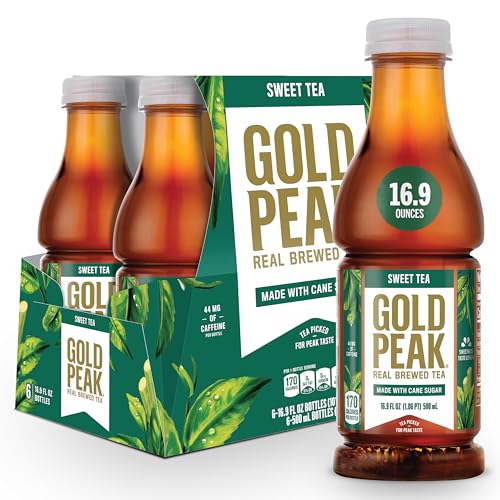
Gold Peak Sweet Tea 16.9 fl oz 6 Pack

Gold Peak Zero Sugar Iced Tea 6 Pack
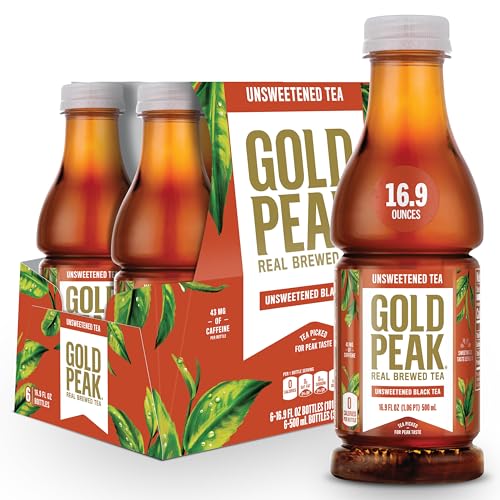
Gold Peak Unsweet Tea 16.9 fl oz 6 Pack
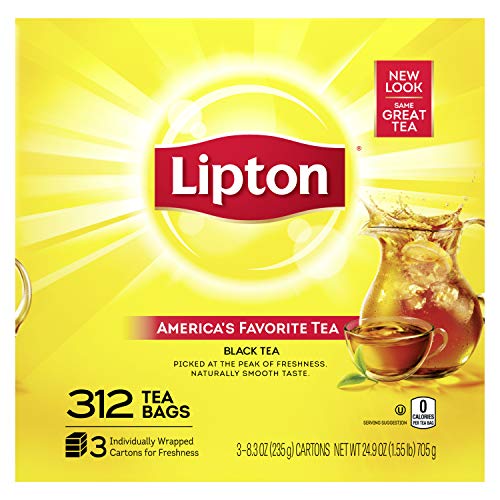
Lipton Black Tea 312 Count

Saint James Organic Green Tea Variety 12 Pack

Saint James Organic Black Tea Variety 12 Pack

Saint James Organic Tea Party Variety Pack

Saint James Iced Tea Paradise Variety Pack
A Deeper Look At The Lineup
Twinings English Breakfast has long been a workhorse for home kombucha brewers who want a balanced cup without surprises. The blend pulls from Kenyan and Assam leaf sources, which gives the finished tea a brisk, malty backbone that stands up well to the SCOBY (symbiotic culture of bacteria and yeast) eating through the sugars during first fermentation. Each bag is individually wrapped, so freshness holds up across a long brewing schedule.
For someone running weekly one-gallon batches, the 100-count format lands in a sweet spot: large enough to avoid running out mid-cycle, small enough that bags don’t sit around losing potency. Compared to the bulk Lipton option that follows, this one trades per-bag value for more consistent leaf quality, which most beginners find easier to control.
What It Does Well
- Kenyan-Assam blend delivers a strong tannin profile that kombucha cultures feed on efficiently
- Individually sealed bags keep unused tea fresh between brew days
- Caffeinated, so finished kombucha retains a gentle lift without bitterness
- Versatile for hot brewing and cold-brew prep alike
Things To Consider
- Smaller pack size means higher per-bag cost than the 400-count Lipton option
- Bag material is standard paper, so loose-leaf purists will want to cut them open
Who It Suits Best
Beginner brewers brewing one or two gallons weekly who want a classic, predictable base without overthinking leaf sourcing.
Where Another Pick Suits Better
Heavy batch brewers running continuous three-gallon rotations get better value from the Lipton Black Tea Bags 400 Total Bags pack.
Lipton’s 400-bag configuration is built for volume. Split across two boxes of 200, the format suits a small kombucha operation that needs steady tea on hand without reordering constantly. Each bag steeps in roughly two minutes, which keeps brew-day prep moving when you’re cycling multiple jars through first fermentation.
The 55 mg of caffeine per 8-ounce serving is meaningfully lower than coffee, so finished kombucha lands lighter on the palate. The Rainforest Alliance certified sourcing matters to brewers who factor ethical sourcing into their supply choices, even if it doesn’t change the cup itself. Compared to the Twinings English Breakfast, this option trades nuanced origin flavor for raw bag count and a noticeably lower per-bag cost.
The Good Stuff
- Two-minute steep time keeps large batches efficient
- Rainforest Alliance certified leaf, a plus for sustainability-minded brewers
- 400-bag format means months of brewing between restocks
- Lower caffeine than coffee, so kombucha stays mellow
Worth Noting
- Flavor skews lighter than single-origin Assam or Kenyan options
- Two large boxes demand pantry space, which apartment dwellers may not have
Made For
Active home brewers running multiple one-gallon jars on rotation who prioritize per-bag cost over nuanced origin flavor.
Consider Something Else When
Brewers chasing a richer malty backbone get more depth from the Twinings English Breakfast Black Tea Bags 100 Count.
Gold Peak’s Sweet Tea shifts the conversation away from raw brewing inputs toward ready-to-drink convenience. Each 16.9-ounce bottle starts from real brewed black tea leaves and gets sweetened with cane sugar rather than high-fructose corn syrup, which puts it in a slightly different category than the bagged picks above. For kombucha purposes, this isn’t a fermentation base: it’s a reference point or a backup when brew schedules slip.
The six-bottle format fits a fridge door cleanly, which matters if you live in a small kitchen and can’t dedicate shelf space to a stack of jars. The cane sugar is worth flagging, since kombucha brewers watching their sugar intake will want to know what’s in each bottle before treating it as an everyday drink. Compared to the bulk bagged options earlier, this one is built for grab-and-go rather than gallon-batch production.
Notable Upsides
- Real brewed black tea base, not a powder mix
- Sweetened with cane sugar rather than corn syrup
- Single-serve bottles simplify fridge storage
Trade Offs
- Not designed as a kombucha fermentation input
- Sugar content runs high for calorie-conscious drinkers
Best Suited To
Drinkers who want a backup bottled option for travel days or weeks when home brewing pauses.
Not Your Match When
Active brewers producing their own kombucha weekly get far better value from the Lipton Black Tea Bags 400 Total Bags.
The zero-sugar version of Gold Peak drops the cane sugar while keeping the brewed black tea base intact. For drinkers who want the iced tea experience without the calories, the format lands in a useful middle ground between bottled convenience and homemade brewing. Each bottle is 16.9 ounces, and the six-pack stays compact in standard fridge storage.
From a kombucha angle, this is again a ready-to-drink product rather than a fermentation input, but the zero-sugar profile makes it a sensible everyday drink for brewers who are also watching macros. Compare it to the sweetened Gold Peak that came before: same bottle, same leaf base, just no sugar added, so the choice comes down to whether calories or cane flavor matters more in your fridge.
Positive Points
- Real brewed black tea base with no added sugar
- Zero calories per bottle, friendlier for daily drinking
- Same six-bottle format as the sweetened sibling, so storage stays predictable
Points To Keep In Mind
- Not a kombucha fermentation base, so it doesn’t replace bagged tea in your supply
- Flavor reads thinner than the sweetened version, depending on your palate
Who Should Grab It
Health-conscious drinkers who want a bottled iced tea option for days when brewing falls off the schedule.
Look Elsewhere When
Brewers building a steady fermentation supply will find the Lipton Black Tea 312 Count more useful for actual kombucha production.
The unsweetened Gold Peak closes out the trio by stripping the bottled line down to its core: brewed black tea, no sugar, no calories. For drinkers who find even the zero-sugar version too processed, this is the cleanest bottled option in the lineup. The leaf quality matches the sweetened and zero-sugar siblings, so the only real difference is what’s been left out of the bottle.
In a kombucha context, unsweetened tea mirrors what you’d build in your own brewing jar before adding a SCOBY and starter. That parallel makes this pick useful as a reference for what plain brewed black tea should taste like, which helps new brewers calibrate their own batches. Compared to the earlier Gold Peak bottles, this one is the most versatile, since you control any sweetness at the table.
Bright Spots
- Pure brewed black tea with nothing added
- Zero calories and no sweeteners of any kind
- Six-bottle format keeps fridge restocking predictable
Small Caveats
- Plain flavor may taste flat to drinkers used to sweetened iced tea
- Not a fermentation input for actual kombucha production
The Right Fit
Minimalists who want unsweetened bottled tea on hand as a baseline reference or backup option.
Skip It When
Brewers running real kombucha fermentation cycles need bagged tea, making the Twinings English Breakfast Black Tea Bags 100 Count the better pick.
The 312-count Lipton lands between the smaller 100-bag Twinings and the larger 400-bag Lipton bulk pack. For brewers who want a steady supply without committing to the largest configuration, this count covers several months of regular one-gallon batches with room to spare. The format also ages well, since unopened boxes of bagged black tea keep their potency longer than loose leaf sitting in a tin.
Like the 400-bag option earlier, this Lipton uses Rainforest Alliance sourced leaves, which matters to brewers who prioritize supply-chain ethics. The flavor profile is mild and approachable, so it works as a daily kombucha base without dominating the finished flavor. Compared to Twinings English Breakfast, the cup is lighter and less malty, but the bag count is roughly three times larger for similar spending.
Where It Excels
- 312 bags balance supply size with shelf manageability
- Same Rainforest Alliance leaf sourcing as the larger Lipton pack
- Approachable mild flavor that won’t overpower the SCOBY fermentation
A Few Limitations
- Lighter body than single-origin Assam-heavy blends
- Standard paper bags, so loose-leaf brewers may want to cut them open
Perfect Match For
Steady home brewers who want a reliable mid-size supply that doesn’t demand a pantry overhaul.
A Better Fit Elsewhere
Brewers chasing stronger malt character and origin complexity get more from the Twinings English Breakfast Black Tea Bags 100 Count.
Saint James leans into organic certification and clean ingredients, which puts this green tea variety pack in a different lane than the bagged black tea options earlier. The 12-bottle format breaks into four bottles each of three flavors, so households get enough variety to avoid flavor fatigue across a week. The low-sugar profile keeps calories modest, which matters if you’re drinking these alongside home-brewed kombucha rather than instead of it.
For kombucha brewers, this is more of a flavor reference than a fermentation base, since green tea ferments differently than black and produces a lighter, more herbaceous finished drink. The variety format works well for households where some people drink black and others prefer green. Compared to the Gold Peak bottles earlier, Saint James leans into organic sourcing and flavor complexity at a higher per-bottle cost.
What Helps Most
- Organic certified ingredients throughout the lineup
- Three-flavor rotation keeps the fridge interesting across the week
- Low-sugar formulation for calorie-conscious drinkers
Honest Caveats
- Green tea base ferments differently than black, so it’s not a direct kombucha substitute
- Per-bottle cost runs higher than mainstream bagged options
Built With In Mind
Organic-focused households who want a bottled green tea option to complement their home kombucha rotation.
Swap It Out When
Brewers producing classic black-tea kombucha weekly get a more compatible base from the Lipton Black Tea 312 Count.
The black tea version of the Saint James variety pack switches the base from green to black while keeping the organic certification and flavor rotation. The 12-bottle breakdown gives four bottles each of three flavors, which spreads variety across the week without forcing a single-flavor commitment. The move to aluminum packaging from earlier plastic bottles helps preserve freshness between fridge cycles.
For kombucha drinkers, the black tea base aligns more closely with traditional fermentation than the green tea version, even though these are still ready-to-drink rather than raw brewing inputs. The organic leaf sourcing will matter to anyone tracking ingredient quality alongside their home brewing. Compared to the Gold Peak trio earlier, this trades mainstream pricing for organic certification and a more interesting flavor lineup.
Strengths Worth Knowing
- Organic black tea base aligns with classic kombucha fermentation profiles
- Aluminum packaging helps preserve flavor between openings
- Three-flavor variety keeps daily drinking interesting
Possible Compromises
- Per-bottle cost sits above mainstream bagged and bottled options
- Still a ready-to-drink product, not a raw fermentation base
Whose Shelf It Belongs On
Households that want an organic bottled black tea rotation to complement their own kombucha brewing.
Another Choice May Suit
Value-focused brewers building a fermentation supply get more bang per bag from the Lipton Black Tea Bags 400 Total Bags.
The Party Variety Pack from Saint James blends both black and green tea bases across a 12-bottle format, which makes it the most diverse lineup in the roundup. Four bottles of each of three flavors rotate across brewing styles, so guests with different preferences can each find something they like. The organic, low-sugar formulation keeps the calorie count modest across the spread.
For kombucha brewers, this pack doubles as a flavor reference library: sampling how different tea bases taste bottled helps inform what you might want to brew at home. The mix of black and green in one pack is unusual, since most variety packs stick to a single base. Compared to the all-black Saint James option earlier, this one trades focus for range.
The Helpful Details
- Mixed black and green tea lineup in a single 12-bottle pack
- Low-sugar formulation across all three included flavors
- Organic certified ingredients with no artificial additives
Where It Is Less Suited
- Splitting bottles across two tea bases means fewer bottles of any single flavor
- Not a direct kombucha fermentation input
Who Will Love This
Entertainers hosting gatherings where guests want flavor options and an organic ingredient list.
Reach For A Different Pick When
Single-base brewers who want all-black variety bottles get a more focused lineup from the Saint James Organic Black Tea Variety 12 Pack.
The Paradise Variety Pack leans into tropical-leaning flavors, which sets it apart from the more traditional blood orange and lemon options in earlier Saint James packs. The 12-bottle format splits four bottles across three flavors, giving enough of each to actually form an opinion rather than just a sip. The organic, low-sugar profile carries forward from the rest of the Saint James line.
For kombucha drinkers, this pack works as a flavor inspiration source: tropical notes can translate surprisingly well into second-fermentation additions like pineapple or mango chunks. The base is still organic black tea, so it stays in the same family as the other black-tea options. Compared to the Party Variety Pack before it, the flavor palette narrows toward fruit-forward profiles rather than splitting between black and green.
Why It Works Well
- Tropical-leaning flavor rotation that stands out from citrus-only packs
- Organic black tea base consistent with the rest of the Saint James line
- Low-sugar formulation keeps calories across the pack modest
Some Limits To Know
- Fruit-forward flavors may not appeal to drinkers who want straight iced tea
- Higher per-bottle cost than mainstream bagged options
Built With In Mind
Drinkers who want tropical-inspired iced tea options and appreciate the connection to fruit-based kombucha second ferments.
Where A Sibling Pick Shines
Drinkers who prefer classic citrus and berry profiles get a better fit from the Saint James Organic Black Tea Variety 12 Pack.
Picking Black Teas For Kombucha Without Overpaying
Kombucha brewing is more forgiving than wine or beer, but the tea you choose still drives most of the finished flavor. Black tea is the traditional choice because its tannin content (natural astringent compounds that feed SCOBY cultures) and caffeine levels support a healthy first fermentation, and the robust flavor holds up under the tangy souring that develops over seven to fourteen days. Green and white teas ferment faster but produce a milder, more delicate cup, so they suit brewers who want something lighter.
Bagged versus loose leaf is the first real choice to make. Bagged black tea, like the Twinings or Lipton options in this roundup, is convenient, pre-portioned, and easy to toss after steeping. Loose leaf gives more flavor control but requires measuring and a strainer, which adds cleanup time. For most beginners, bagged black tea removes a variable and lets you focus on sugar, temperature, and fermentation time.
Caffeine matters more than new brewers expect. Finished kombucha retains much of the caffeine from the original tea, so high-caffeine black teas produce a noticeably more energizing drink. Lower-caffeine options, or green tea blends, suit evening drinkers. Quantity is the other practical lever: a single one-gallon batch typically uses 8 to 12 bags, so monthly consumption adds up faster than casual drinking.
Key Considerations Across These Picks
Where Shoppers Go Wrong
The most common mistake is grabbing flavored or sweetened bottled tea expecting it to function as a kombucha base. Bottled products like the Gold Peak or Saint James packs in this roundup are ready-to-drink beverages, not fermentation inputs, and their sugar profiles, preservatives, or processing steps can disrupt a SCOBY. Stick to plain bagged or loose-leaf black tea for actual brewing, and treat bottled options as separate drinking choices.
Another pitfall is underestimating bag consumption. A weekly one-gallon batch uses roughly 40 to 50 bags per month, so a 100-bag pack disappears faster than expected. Buying in bulk, like the 400-bag Lipton configuration, only makes sense if you have the storage space and a steady brew schedule. Otherwise, mid-size packs like the 312-count Lipton balance supply and shelf life better.
When Paying More Pays Off
The premium tier in black tea for kombucha usually buys origin complexity and leaf grade. Single-origin Assam, Ceylon, or Kenyan teas deliver more layered flavor than blended commodity options, and that complexity carries through fermentation into a more interesting finished cup. For brewers producing kombucha as a daily drink rather than an occasional project, the flavor upgrade is worth the per-bag premium.
Organic certification, like the Saint James lineup offers, also commands a higher price and matters most for brewers who want to track the full ingredient chain. The trade-off is real: organic bagged black tea typically costs two to three times more per bag than mainstream options, so brewers on tight budgets should weigh how much they value organic sourcing against per-batch cost. The honest read is that for most people, plain bagged black tea produces excellent kombucha, and premium choices add nuance rather than necessity.
Frequently Asked Questions
What type of black tea is best for kombucha?
Plain black tea with a strong tannin profile works best, since tannins feed the SCOBY and support consistent fermentation. Blends like English Breakfast or Breakfast-style Assam-heavy mixes are reliable starting points.
How many tea bags do you need per gallon of kombucha?
Most recipes call for 8 to 12 bags per gallon, depending on how strong you want the base tea. Start in the middle of that range and adjust after a few batches based on your flavor preference.
Can you use bottled iced tea to brew kombucha?
Bottled iced tea is not recommended as a kombucha base, since added sugars, preservatives, and processing can interfere with fermentation. Stick to plain bagged or loose-leaf black tea for brewing.
Does the caffeine in black tea survive kombucha fermentation?
Most of the caffeine remains in finished kombucha, since fermentation doesn’t break it down. Brewers sensitive to caffeine may want to use green tea or a lower-caffeine black tea blend.
How should you store black tea for kombucha brewing?
Keep bagged black tea in a cool, dry place away from direct sunlight, and seal opened boxes tightly. Properly stored bags stay fresh for months, which matters for brewers buying in bulk.
The Takeaway
Black tea for kombucha comes down to matching bag count and leaf quality to your brew schedule, with bottled options serving as separate drinking choices rather than fermentation bases. Twinings English Breakfast and the Lipton bulk packs cover the most common home-brewing needs, while the Saint James variety packs add bottled convenience for households that want both brewing and ready-to-drink options. Pick the format that fits your shelf, your weekly batch size, and how much nuance you want in the finished cup.
