

Stocking up on matcha looks different depending on who you are. Cafés need kilo bags that pour cleanly into pitchers. Home drinkers want a tin that stays fresh on a shelf. Beginners want a small pouch with built-in sweetness so the first sip actually lands. This roundup walks through ten options, from a 2.2-pound ceremonial bulk bag down to single-serve flavored latte blends, with honest notes on what each one does well and where it leaves something on the table.
An Overview Of The Picks

Satoen Authentic Japanese Ceremonial Grade Matcha Bulk Bag 1000g

TAZO Organic Matcha Latte Powder Sweetened 3.5 oz

TAZO Organic Classic Matcha Latte Barista Blend 9-Pouch

Encha Ceremonial Grade Matcha Powder 60g from Uji

Encha Latte Grade Matcha Powder Unsweetened 30g
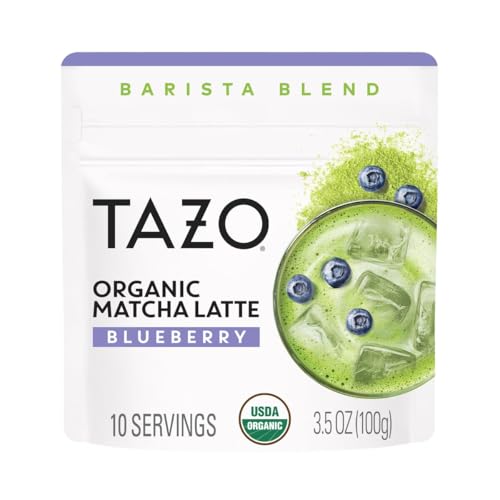
TAZO Organic Blueberry Matcha Latte Powder 3.5 oz

TAZO Organic Blueberry Matcha Latte Barista Blend 9-Pouch

TAZO Organic Vanilla Matcha Latte Powder 3.5 oz

TAZO Organic Vanilla Matcha Latte Barista Blend 9-Pouch
Taking A Closer Look At The Options
The Satoen bulk bag arrives as a full kilogram of stone-ground Japanese matcha, sized for cafés, tea bars, and small businesses that go through the powder by the scoop. Sourced from Shizuoka, a region long associated with shaded tea cultivation, the leaf is first-harvest spring-picked, the youngest leaves that tend to carry the sweetest, least bitter profile. For an operation pulling dozens of lattes a day, a single bag replaces the kind of constant reordering that tin-by-tin buying forces.
Owners running a busy service benefit most, but anyone hosting a matcha-heavy event or running a small home café will also see the math work in their favor. You measure with a gram scale rather than a tin spoon, which means less guesswork and more consistency between cups.
Benefits That Matter
- 2.2-pound bag supplies roughly 500 servings, which keeps reordering frequency low for high-traffic service.
- First-harvest spring leaf typically delivers a sweeter, less astringent cup than later seasonal picks.
- Cultivation in Shizuoka, one of Japan’s established tea prefectures, supports consistent flavor across batches.
- Bulk format lowers per-serving cost noticeably compared to small ceremonial tins.
- Stone-ground texture dissolves cleanly with a proper whisk, avoiding gritty residue at the bottom of the bowl.
Things To Consider
- A opened kilo bag loses aroma faster than a sealed tin, so plan to portion into smaller airtight containers after opening.
- Ceremonial grade is meant for whisked tea, and the lighter, grassier profile can taste thin in a heavily milked latte.
Key Product Details
Who It Suits Best
Cafés, tea bars, and small businesses pulling many servings a day will see the strongest return from a bag this size.
Look Elsewhere When
Home drinkers who only whisk a bowl or two each morning are usually better served by the Encha Ceremonial Grade Matcha Powder 60g from Uji, a smaller tin that stays fresher between sessions.
For drinkers who want a latte in hand faster than a kettle can boil, this TAZO pouch offers a single 3.5-ounce bag of pre-sweetened matcha latte mix. Ten servings sit inside, blended from organic matcha and organic cane sugar, so you skip the syrup step and the bag of plain powder sitting half-used in the pantry. The 3.5-ounce size suits apartment kitchens, office drawers, and travel bags where a 2.2-pound bag would never fit.
Where the Satoen bag targets volume buyers, this pouch goes the other direction. You trade ceremony and origin storytelling for ease, which is exactly the right call on a Monday morning with three unread emails.
The Helpful Details
- Pre-sweetened with organic sugar, removing the need for syrup or honey on a rushed morning.
- Compact 3.5-ounce pouch tucks into a drawer, a carry-on, or a gym bag without spilling.
- Mixes with hot water and your milk of choice, so no whisk or chasen is required.
- Ten servings per pouch, a useful trial size for someone new to matcha.
Honest Caveats
- Sweetened blend offers no control over sugar level, which can frustrate low-sugar drinkers.
- The 10-serving pouch runs out quickly in a household where more than one person drinks it daily.
Right Fit For
Office workers, travelers, and curious beginners who want a sweet, ready-to-mix cup without buying tools.
Consider Something Else When
Anyone chasing a traditional whisked tea should reach for the Encha Latte Grade Matcha Powder Unsweetened 30g, which keeps sugar out of the equation entirely.
The 9-pouch barista edition of TAZO’s classic latte blend stretches that single-pouch convenience into something closer to a household or small-office supply. Each foil-lined 3.5-ounce bag holds ten servings, so the full pack lands around ninety cups, enough to cover a quarter of daily matcha habits in a small team setting. The barista framing signals a smoother, more milk-friendly profile than the brand’s traditional green tea bags, which works well over ice and in frothed oat milk.
You can think of this as a step up from the single TAZO pouch above, trading the smaller footprint for fewer reorders. The flip side is more storage space, since nine individual pouches still need a cabinet shelf.
What Works In Its Favor
- Nine individually sealed pouches lock in freshness, so only the open bag loses aroma.
- About 90 servings in total reduce how often you reorder through the year.
- Blended for milk, so the powder holds up in both hot lattes and iced versions.
- Light sweetness from organic sugar keeps flavor balanced without overpowering the leaf.
Where It Is Less Suited
- Bulk plastic-foil packaging creates more kitchen waste than a single tin or bag.
- Sweetened profile leaves no room to dial sugar up or down per cup.
Whose Shelf It Belongs On
Shared kitchens, small offices, and busy households that go through multiple matcha drinks a week.
Swap It Out When
Drinkers who prefer fruit-forward flavor may find more appeal in the TAZO Organic Blueberry Matcha Latte Barista Blend 9-Pouch, which keeps the same multi-pack format with a different flavor direction.

Stepping sideways from powder, MAEDA-EN’s sen-cha with matcha teabags packages 100 individually wrapped bags filled with crushed sen-cha leaves and a measured touch of matcha. This format trades scoops and whisks for a familiar steeping routine, closer to how most people already brew green tea at home. Sen-cha is the everyday Japanese green tea, and the added matcha brings a rounder, more vegetal note to the cup.
For a reader new to matcha who isn’t ready to invest in a chasen, a sifter, and a tin, a teabag removes every barrier. You boil, steep, and drink, the same way you would with any kitchen-cabinet tea.
The Value In It
- 100 individually wrapped bags stay fresh in the box for months, even after the outer seal is opened.
- No whisk, scoop, or scale needed, which suits renters and dorm rooms with minimal counter space.
- Crushed sen-cha leaves release flavor faster than whole-leaf formats, shortening steep time.
- Includes a touch of matcha for a richer color and a slightly fuller body than plain sen-cha.
A Few Limitations
- Bleached paper bags don’t allow the same reuse rituals as loose-leaf or tin formats.
- Flavor lands lighter than ceremonial powder, which can disappoint drinkers expecting a punchy matcha cup.
Best Suited To
Daily green tea drinkers who want matcha character without buying new tools or learning whisking technique.
Reach For A Different Pick When
Anyone after a proper whisked bowl should pivot to the Encha Ceremonial Grade Matcha Powder 60g from Uji, which gives the classic preparation the powder was designed for.
Encha’s ceremonial tin comes from Uji, a city near Kyoto with centuries of tea-farming history, and represents the brand’s traditional-grade flagship. The 60-gram tin holds organic first-harvest leaves that are shade-grown and stone-ground, the same slow cultivation method used for tea ceremony matcha in Japan. Compared to the flavored pouches earlier in this list, this is the uncut version, no sugar, no vanilla, no blueberry, just leaf and water.
The tin format matters as much as the leaf inside. Once you pop the seal, the small can is far easier to keep airtight on a kitchen shelf than a kilo bag, which is the trade-off against the Satoen option.
What Earns Its Place
- Single-origin sourcing from Uji brings traceability that blended products often lack.
- Stone-ground texture produces a fine powder that foams readily under a bamboo whisk.
- Organic certification covers the farm-to-tin chain, useful for shoppers tracking inputs.
- 60-gram tin strikes a usable middle size for daily drinkers who don’t want a kilo’s worth of commitment.
Points To Note
- Ceremonial grade shines in plain whisked tea, but the delicate flavor can get lost behind strong milk or sweeteners.
- Premium sourcing is reflected in per-gram cost, which adds up for heavy daily users.
Feature Snapshot
Who Should Grab It
Traditional preparation fans and daily home drinkers who want a properly sourced ceremonial-grade tin.
A Better Fit Elsewhere
Heavy milk-and-sweetener drinkers will find more daily value in the Encha Latte Grade Matcha Powder Unsweetened 30g, which is blended specifically for that use case.
The latte-grade tin from Encha shares the same Uji sourcing and organic certification as the ceremonial tin above, but the leaf is selected and blended for milk-based drinks. That means a slightly bolder, more rounded flavor profile that holds up against dairy, oat, and almond milks without disappearing. The 30-gram tin is small, roughly half the size of the ceremonial option, which suits drinkers who use a gram or two per cup.
This sits in an interesting middle ground. You get real single-origin matcha instead of a sweetened latte mix, yet you skip the ceremony around the chasen if you just want a frothy morning mug.
The Good Stuff
- Blended specifically for milk drinks, so the flavor survives dairy and plant-based milks.
- First-harvest leaf from Uji keeps the supply chain traceable to a known region.
- Unsweetened format lets you add honey, syrup, or none at all depending on the day.
- Caffeine and L-theanine pairing supports a calm, focused energy lift without coffee’s spike-and-crash arc.
Trade Offs
- Smaller 30-gram tin runs out faster for households that drink more than one cup a day.
- Latte grade is less ideal for traditional water-only preparation, where ceremonial leaf tends to sing.
Quick Facts
Made For
Home drinkers building a daily latte or smoothie routine who want real single-origin matcha without added sugar.
Skip It When
Drinkers who want sweetness and a fruit or vanilla accent built in will find a better match in the TAZO Organic Blueberry Matcha Latte Powder 3.5 oz, which arrives pre-flavored.
The blueberry variation of TAZO’s matcha latte line folds a fruit note into the same sweetened base as the classic pouch, giving drinkers a brighter, jammier cup. The 3.5-ounce pouch holds ten servings and works the same way, hot water plus milk, no whisk required. Where the classic leans warm and grassy, the blueberry blend leans toward dessert, which makes it a useful option for readers who find plain matcha too austere.
Think of this as the gateway pouch. The flavor does a lot of the persuading that a first-time drinker might need.
Everyday Advantages
- Blueberry note softens the grassier side of matcha, which helps newcomers stick with it.
- Same ten-serving format as the classic pouch, easy to plan around.
- Works over ice as well as hot, useful for seasonal drinking variety.
- Pre-sweetened, so a single scoop produces a finished latte without extra steps.
Soft Spots
- Fruit-flavor powder doesn’t suit drinkers who want a clean, traditional matcha taste.
- Single pouch runs out fast when more than one person drinks from it daily.
Perfect Match For
First-time matcha drinkers and fruit-flavor fans who want a sweetened, dessert-leaning cup on a regular weekday.
Consider Something Else When
Anyone stocking a shared fridge for a household should pick up the TAZO Organic Blueberry Matcha Latte Barista Blend 9-Pouch, which keeps the same flavor in a larger, multi-pack format.
The blueberry barista multi-pack runs the same nine-pouch format as the classic blend, just routed toward a juicier, sweeter cup. Cafés and offices building a flavored matcha menu on rotation will appreciate the consistency across pouches, since each 3.5-ounce bag holds the same ten-serving profile. You get roughly ninety cups of blueberry-forward latte mix from a single order.
Across the TAZO lineup, this is the largest practical pack for a flavored option, useful for an event or a self-serve office station.
Well-Handled Touches
- Nine individually sealed pouches keep the blueberry note intact until each one is opened.
- Lightly sweetened with organic sugar, balanced enough to drink without an extra syrup pump.
- Larger pack reduces per-serving packaging and reordering trips over a busy season.
- Barista-style formulation works across dairy, oat, and almond milks without separating.
Possible Compromises
- Blueberry note is mild, so the cup reads more like vanilla-with-fruit than straight berry, depending on milk choice.
- Bulk pouches require cabinet space that smaller formats don’t.
Who Will Love This
Cafés, offices, and event hosts who want a flavored matcha that pours consistently from pouch to pouch.
Not Your Match When
Drinkers chasing warm spice notes should pivot to the TAZO Organic Vanilla Matcha Latte Powder 3.5 oz, which carries a different flavor direction in a smaller single pouch.
The vanilla pouch wraps matcha in a warm, mellow note that reads more like a tea-spiked dessert than a traditional whisked bowl. Like the other TAZO single pouches, it holds ten servings, mixes with hot water and milk, and skips any equipment beyond a spoon. The flavor direction here leans toward the cozy side of the lineup, well-suited to cooler afternoons or a quiet evening mug.
It also travels well in the same way the classic and blueberry pouches do, fitting into a desk drawer or a weekend bag without fuss.
Noteworthy Benefits
- Vanilla note softens matcha into a sweeter, smoother cup without overpowering the leaf.
- Ten-serving pouch works as a low-commitment trial for vanilla-curious drinkers.
- Pre-sweetened with organic sugar, so a single scoop finishes the drink on its own.
- Mixes well with dairy and plant-based milks for varied preparation.
Details To Watch
- Vanilla-forward profile doesn’t suit drinkers who want a clean, traditional matcha taste.
- Single pouch runs out fast for regular daily drinkers in a multi-person household.
Best Suited To
Sweetened-latte fans and beginners who want a warm, mellow first step into matcha drinking.
Another Choice May Suit
Anyone needing a steady supply for several people will be better served by the TAZO Organic Vanilla Matcha Latte Barista Blend 9-Pouch, which scales the same flavor into a larger multi-pack format.
The vanilla barista multi-pack closes the list the same way the blueberry 9-pouch does, by stretching a single flavored pouch into roughly ninety servings. Nine sealed 3.5-ounce bags keep the vanilla note consistent cup to cup, useful for offices or households where one person isn’t the only one pouring. The barista framing means the powder tolerates frothed milk, which is a plus if you own a handheld frother.
For a shared fridge, this is one of the easier ways to keep flavored matcha on hand without weekly reorders.
Where It Helps
- Vanilla-forward blend is a crowd-pleaser, well-suited to mixed-taste households.
- About 90 servings across nine pouches keep reorders infrequent for casual daily use.
- Lightly sweetened profile pairs well with both plain and frothed milk preparations.
- Individual pouches lock in aroma better than a single large bag would.
Things That May Matter
- Sweetened, vanilla-flavored powder doesn’t serve traditional preparation preferences.
- Bulk packaging creates more pouch waste than a single tin would.
Feature Rundown
Who Will Love This
Offices, host homes, and casual gatherings where a mellow, sweetened matcha keeps a small crowd happy.
Where Another Pick Suits Better
Single-origin seekers will find the Encha Ceremonial Grade Matcha Powder 60g from Uji a more authentic match for traditional preparation.
What Matters Most Before Choosing Bulk Matcha Powders
Match The Format To Your Daily Rhythm
Bulk matcha is not one thing. A 2.2-pound bag covers a café’s weekly service, while a 30-gram tin barely survives a month in a single-drinker kitchen. Before settling on a size, sketch out how many cups you actually pour per week and how fast you can finish a pouch once opened. Powder that sits past two months loses the bright, grassy aroma that makes fresh matcha worth the effort.
Decide Between Sweetened Mix And Plain Leaf
Flavored pouches trade control for convenience. You get a finished cup in one stir, but you give up the ability to adjust sweetness, swap milk types freely, or taste the leaf on its own. Plain ceremonial or latte-grade tins keep the leaf as the headline and let you build the drink around it, which suits drinkers who already own a favorite syrup or a frother.
Origin And Harvest Signal Quality
Where the leaf is grown and when it is picked together shape flavor. Uji and Shizuoka in Japan are the two regions that surface most often in this category, both with multi-century tea traditions. First-harvest spring leaf typically reads sweeter and less bitter, which matters more for plain whisked tea than for heavily sweetened latte blends.
Storage And Freshness Habits
Matcha oxidizes quickly once the seal is broken. A sealed tin keeps longer than a resealable bag, and a kilo bag almost always needs to be split into smaller airtight containers after opening. Owning a small kitchen scale also helps, since scoop-size guessing wastes powder and throws off flavor balance between cups.
Key Considerations Across These Picks
Pitfalls Shoppers Hit
The most common buying mistake in the matcha category is treating “bulk” as automatically better value. A kilo bag costs less per gram, but only if you actually finish it before it stales. Buying too much for a single-drinker kitchen usually means wasted leaf and flat cups. Another trap is choosing ceremonial grade for a milk-heavy routine, where the delicate leaf can disappear under dairy. Pick the grade that matches how you actually drink.
Where The Extra Money Goes
Higher-tier matcha costs more for visible reasons: single-origin sourcing, organic certification, stone-grinding, and stone-ground texture. The upgrade shows up in color, aroma, and how clean the cup tastes without sweetener. For traditional whisked tea, that extra spend is felt directly. For flavored latte blends, the leaf quality is masked by sugar and milk, so a cheaper pouch often does the job just as well.
Frequently Asked Questions
How long does an opened matcha bag or tin stay fresh?
Most opened matcha keeps its bright aroma for roughly four to six weeks if stored in a cool, dark place inside an airtight container. After that, color dulls and the grassy note fades. A small tin in a busy kitchen usually finishes before this matters; a kilo bag almost never does without being split into smaller portions.
Is ceremonial grade worth it for everyday lattes?
Ceremonial grade is built to be whisked with water and tasted on its own, where its sweeter, less bitter profile stands out. In a heavy milk-and-sweetener latte, much of that nuance gets hidden, so a latte-grade tin usually delivers more visible value for that use case. Drinkers who rotate between plain tea and lattes often keep both on hand.
Can I sweeten flavored matcha pouches further?
The TAZO pouches are pre-sweetened with organic sugar, but a half-teaspoon of honey or vanilla syrup still adds depth without overwhelming the blend. Since the base is already balanced, additional sweetener tends to land as a flavor accent rather than a sugar boost.
Do I need a bamboo whisk for bulk matcha?
A bamboo whisk, called a chasen, makes traditional preparation much easier by breaking up clumps and building a fine foam. For latte-grade tins or sweetened pouches, a handheld milk frother or even a small wire whisk works fine. The chasen matters most for ceremonial-grade powder whisked in water.
How is matcha powder different from instant matcha latte mix?
Pure matcha powder is ground leaf with nothing added, ready to be whisked into water or milk. Instant latte mixes include sugar, flavoring, and sometimes dairy or creamer solids, which is why they dissolve with a simple stir. The two are built for different routines, and the choice usually comes down to whether you want to control the recipe or skip the steps.
Closing Remarks
The right bulk matcha depends less on the size of the bag and more on how many cups you actually pour, how you like to flavor them, and how fast you can finish a pouch while it is still fresh. Café operators will pull the most value from the Satoen kilo bag. Daily home drinkers tend to find their rhythm with the Encha tins. Beginners and shared kitchens are usually best served by the TAZO pouch multi-packs, which keep things easy and consistent. Pick the format that matches your routine, and the rest tends to fall into place.
