

A great cup of cacao starts long before it hits the mug. The right powder decides whether your morning drink tastes earthy and bright, deeply roasted, or faintly sweet. Choosing among cacaos for drinking means sorting through alkalized versus raw, single-origin versus blends, and bag sizes that match your actual habit. Heavy daily drinkers want bulk value and clean flavor. Casual sippers want a small tin they can finish before it loses aroma. This guide walks through eight picks, from pure powders to ready-to-drink cacao waters, and helps you match the right format to the right moment in your day.
The Main Contenders
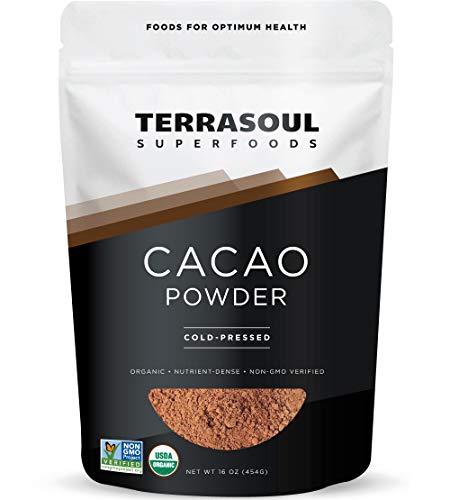
Terrasoul Superfoods Raw Organic Cacao Powder 2 Lbs (2 Pack)

Droste Dutch Style Cocoa Powder 8.8 Ounce (Pack of 3)

Rodelle Gourmet Dutch-Processed Cocoa Powder 25 Ounce

OHM Cacao Organic Raw Cacao Powder 33 Servings

OhmYes Lion’s Mane Mushroom Cacao 33 Servings

OHM Cacao Pure Cacao + Javaberry Honey Bundle

Blue Stripes Passion Fruit Cacao Water 10oz 6-pack

Blue Stripes Mango Cacao Water 10oz 6-pack
Taking A Closer Look At The Options
Terrasoul’s two-pound twin pack suits anyone who treats cacao like a daily staple rather than a special-occasion treat. The powder is raw, certified organic, and milled without alkali (an alkaline solution used in Dutch processing to mellow flavor and lighten color), so it keeps the bright, slightly bitter edge of unroasted cacao beans. In a typical morning routine, one teaspoon whisked into warm oat milk gives a deep, almost espresso-like drink without the jitters of coffee.
The bulk format means less repacking and a lower cost per serving, which matters when you run through a pouch faster than expected. Compared with the smaller Droste tins, this is the format built for routine drinkers, not weekend bakers.
What Works In Its Favor
- Two-pound supply lasts through weeks of daily drinking for one or two people.
- Raw and non-alkalized, so natural flavor compounds stay intact.
- Organic, vegan, and keto-friendly profile suits restrictive diets.
- Versatile for smoothies, hot drinks, and chia puddings alike.
- Cost per serving drops noticeably compared to small tins.
Things To Consider
- Raw cacao carries a sharper, more bitter edge that some palates find intense.
- The 2-pound bags are bulky and need a dry, sealed container after opening.
Who It Suits Best
Daily cacao drinkers who want a raw, organic powder in a value-sized pack and don’t mind a robust, slightly bitter cup.
Consider Something Else When
The Droste Dutch Style Cocoa Powder will suit you better if you want a smoother, less bitter hot cocoa with very little prep.
Droste has been a Dutch-process cocoa name for over a century, and the brand’s familiar gold tin shows up in home kitchens everywhere. The Dutch process treats cocoa with an alkali to reduce acidity, producing a mellower, darker powder that mixes easily into hot milk. For a quick weeknight mug, a tablespoon stirred into warmed dairy or oat milk delivers the kind of rounded cocoa flavor most people grew up drinking.
The three-pack format is a sensible middle ground: enough to last a casual drinker for months, but each tin stays sealed until you crack it open. Compared with the raw, high-flavanol profile of the Terrasoul powder, Droste lands in a softer, more traditional space.
Standout Benefits
- Dutch-process flavor is smooth, mild, and broadly appealing.
- Three separate tins keep the powder fresh across longer storage.
- Mixes into hot milk with minimal whisking or clumping.
Worth Noting
- Alkalization strips some of the naturally occurring flavanols (plant compounds linked to antioxidant activity) that raw cacao retains.
- The mild profile can taste flat to drinkers used to bold, single-origin cacao.
Made For
Anyone who wants a classic, smooth hot cocoa without committing to a large bulk bag.
Look Elsewhere When
The Rodelle Gourmet Dutch-Processed Cocoa Powder fits you better if you want a bigger Dutch-process canister aimed at frequent baking and drinking.
Rodelle’s 25-ounce canister is aimed at people who run through cocoa faster than the average household, and the brand has built its reputation on a darker, richer Dutch-process profile. Made from 100% cacao, the powder carries a roasted depth that holds up well in hot drinks, brownies, and even chili. For someone who drinks a mug several nights a week and also bakes on weekends, one container covers both jobs without repurchasing.
The larger format also makes sense for shared spaces, where housemates or family members scoop from the same supply. Compared with the smaller Droste tins, this is the bulk option for serious cocoa drinkers.
Real-World Strengths
- 25-ounce size suits frequent drinkers and household bakers.
- 100% cacao with no fillers, sweeteners, or additives.
- Alkali-treated profile delivers a darker, bolder hot cocoa.
- Works equally well in cakes, cookies, and mug drinks.
Trade Offs
- The canister takes up significant pantry space.
- Like other Dutch-process options, it loses some of the flavanol content of raw cacao.
- Once opened, the powder is best used within a few months to keep aroma fresh.
Best Suited To
Heavy drinkers and home bakers who want a single Dutch-process container for both mugs and recipes.
Not Your Match When
The OHM Cacao Organic Raw Cacao Powder makes more sense if you prefer a non-alkalized, single-purpose drinking cacao with a sharper, raw edge.
OHM Cacao’s powder leans into the wellness side of the category. Sourced from Peruvian farms, the cacao is organic, unsweetened, and never alkalized, so it keeps the naturally occurring flavanols that Dutch-process cocoas lose. The brand also runs heavy-metal testing on every batch for cadmium and lead, which matters for daily drinkers thinking about long-term exposure.
The 33-serving bag is sized for a solo drinker or a couple, fitting neatly in a kitchen drawer. The flavor is intense, almost fruit-forward, and pairs well with honey, dates, or a splash of vanilla. Compared with the bulk Terrasoul option, this one trades quantity for tighter sourcing standards.
Key Advantages
- Peruvian single-origin cacao with organic certification.
- Heavy-metal testing for cadmium and lead on every batch.
- Non-alkalized milling preserves natural flavanols and theobromine (a mild stimulant naturally found in cacao).
- Clean ingredient list with no sugar, fillers, or artificial flavoring.
Points To Note
- Smaller bag than the bulk picks, so it costs more per ounce.
- Raw profile can taste harsh in plain water and benefits from added sweetener or milk.
Who Will Love This
Label-conscious drinkers who want a clean, single-origin raw cacao and care about third-party testing.
Swap It Out When
The Terrasoul Raw Organic Cacao Powder makes more sense if you need a larger, lower-cost raw option and don’t need batch-level testing.
OhmYes blends raw organic cacao with lion’s mane mushroom, a functional fungi long associated in traditional use with focus and clarity. The drink-mix format targets people who want their morning cocoa to do more than taste good. Two USDA Organic ingredients, raw cacao and lion’s mane, keep the ingredient list short, and the powder mixes into hot water or milk with a quick stir.
The 33-serving pouch lasts roughly a month of daily mugs, similar in size to the OHM Cacao bag. Compared with the pure raw powder from OHM, this one swaps some of the chocolate-forward character for a savory, almost nutty note from the mushroom.
Everyday Perks
- Combines raw cacao with lion’s mane in one daily drink.
- Sugar-free and free of artificial sweeteners or fillers.
- USDA Organic certification on both ingredients.
- Convenient 33-serving pouch for a month of routine use.
Honest Caveats
- Lion’s mane adds a noticeable earthy note that not every palate enjoys.
- Not a fit for anyone avoiding mushroom-based supplements.
The Right Fit
Drinkers who want a no-added-sugar morning cacao with a functional twist, especially those curious about mushroom blends.
A Better Fit Elsewhere
The OHM Cacao Organic Raw Cacao Powder suits you better if you want pure cacao without the lion’s mane flavor or the functional framing.
This bundle from OHM Cacao pairs a 7-ounce bag of organic raw cacao with a 250-gram jar of Javaberry raw coffee blossom honey. The honey itself is dark amber and infused with coffee fruit extract, bringing a gentle sweetness and a faint berry note to the cup. For drinkers who treat cacao as a slow, intentional ritual rather than a quick caffeine swap, having a matched honey on hand removes one step from the routine.
The cacao is the same Peruvian, non-alkalized powder the brand sells on its own, so flavor quality carries over. The bundle simply adds a curated sweetener built to complement the cacao’s bitter edge. Compared with the OHM Lion’s Mane blend, this is a more classic ceremonial setup.
The Good Stuff
- Curated pairing of cacao and honey designed to complement each other.
- Raw, organic cacao retains natural flavanols and theobromine.
- Raw coffee blossom honey adds a unique, slightly fruity sweetness.
- 33 cacao servings and a sizeable honey jar cover a month of daily use.
Small Caveats
- The bundle costs more than buying plain raw cacao on its own.
- Honey is not suitable for vegans or for households avoiding added sweeteners.
Perfect Match For
Drinkers who want a ready-made cacao ritual with a thoughtfully matched sweetener and don’t mind paying a premium for the pairing.
Skip It When
The OhmYes Lion’s Mane Mushroom Cacao is a smarter pick if you want a single-pouch, sugar-free drink mix and don’t need the honey component.
Blue Stripes’ passion fruit cacao water is a different animal from the powders on this list. It’s a ready-to-drink beverage built around cacao fruit, the fresh pulp that surrounds cacao seeds, paired with tangy passion fruit. The 10-ounce bottles arrive in a six-pack that fits a backpack, gym bag, or fridge door. For commuters, travelers, or anyone who wants cacao without a kettle and a whisk, the format removes every step.
Unlike the powders, this drink also pulls double duty as a hydration source, with the brand marketing it as an alternative to sugary sports drinks. Compared with the Blue Stripes mango version below, the passion fruit profile lands brighter and more acidic.
The Upside
- Ready-to-drink format requires no prep or mixing.
- Six-pack covers a full work week of portable servings.
- Cacao fruit delivers a lighter, less heavy take on chocolate flavor.
- Pairs hydration with a chocolate-and-fruit profile for active routines.
Points To Keep In Mind
- Single-use plastic bottles create more packaging waste than bulk powder.
- Per-serving cost runs higher than a homemade cup from powder.
Built With In Mind
Commuters, gym-goers, and travelers who want a portable cacao drink with a tangy, fruit-forward twist.
Another Choice May Suit
The Blue Stripes Mango Cacao Water is a better match if you want a sweeter, less tangy fruit profile in the same ready-to-drink format.
The mango version of Blue Stripes’ cacao water trades passion fruit’s tang for the smoother, rounder sweetness of mango. The result is a drink that tastes closer to a tropical refresher than a sports beverage, with the cacao fruit contributing depth rather than dominating the flavor. Like the passion fruit sibling, the 10-ounce bottles come in a six-pack and slide easily into a lunch bag or cooler.
For drinkers who found the passion fruit too sharp, the mango profile offers a softer landing. Compared with the powders in this guide, this is the choice for days when you want zero prep and a chilled, fruit-led drink instead of a hot mug.
What Stands Out
- Sweeter, more rounded fruit profile suits drinkers who avoid tart flavors.
- Ready-to-drink format works for offices, gyms, and travel days.
- Six-pack sizing covers a full week of daily hydration.
- Built around cacao fruit, not heavy cocoa powder, for a lighter drink.
Less Ideal Details
- Mango flavor is mild enough that some drinkers want a stronger chocolate note.
- Per-serving cost outpaces homemade powder drinks over time.
Whose Shelf It Belongs On
Drinkers who want a portable, lightly sweet cacao drink with a mellow tropical character and no prep work.
Reach For A Different Pick When
The Droste Dutch Style Cocoa Powder is a better fit on days you want a warm, traditional hot cocoa you can brew at home.
What Matters Most Before Choosing Cacaos For Drinking
Raw Versus Dutch-Process Flavor
Raw cacao keeps the bean’s original, slightly bitter and fruity character, which appeals to drinkers who want intensity. Dutch-process cocoa, treated with alkali to reduce acidity, tastes rounder, darker, and more familiar in a classic mug. Your preference between the two usually decides the rest of the shortlist.
Format And Daily Habit
Powders give you full control over strength, milk choice, and added sweeteners, but they require a kettle and a whisk. Ready-to-drink cacao waters swap that control for convenience. Match the format to the moment: powders for slow mornings, bottled drinks for commutes and travel.
Sourcing And Testing
Single-origin and organic certifications matter more for daily drinkers than for occasional bakers. Heavy-metal testing, like the kind OHM Cacao runs, also matters if you drink cacao every day and want cleaner inputs across months and years.
Sweetener Compatibility
Pure cacao powders are unsweetened, so you’re adding your own honey, sugar, or alternative. Bundles like the OHM Javaberry pairing, or flavored powders like the Blue Stripes drinks, remove that step but lock you into a specific sweetness level.
Key Considerations Across These Picks
Common Shopping Slip Ups
The most frequent mistake is buying a giant bulk bag of raw cacao without knowing whether you actually enjoy the bitter, fruity profile. A smaller pouch or a single tin is the safer first purchase, even if the per-ounce cost is higher. Another trap is assuming all Dutch-process cocoas taste the same, when alkalization level and cacao origin can swing the cup from mild to deeply roasted.
What The Higher Tier Buys
Premium picks in this category tend to invest in single-origin sourcing, batch-level heavy-metal testing, and stricter organic certification. You’re paying for traceability and a narrower flavor window, which matters most for daily drinkers. For occasional use, a standard Dutch-process tin like Droste handles the job without the extra cost.
Frequently Asked Questions
What is the difference between cacao powder and cocoa powder?
Cacao powder usually refers to raw, less processed beans, while cocoa powder is often roasted and may be Dutch-processed with alkali. The flavor profiles differ, with cacao tasting more bitter and fruity, and cocoa tasting smoother and more roasted.
Is Dutch-process cocoa good for drinking?
Yes, Dutch-process cocoa mixes easily into hot milk and produces a mellow, rounded cup. The trade-off is that alkalization can reduce some of the naturally occurring flavanols found in raw cacao.
How much cacao powder should I use per cup?
A typical serving is one to two teaspoons of powder per eight ounces of warm milk or water. Stronger raw cacao often needs less, while Dutch-process cocoa can handle a heaping teaspoon without becoming harsh.
Can I drink cacao every day?
Most adults include cacao in daily routines without issue, especially in moderate amounts. Heavy-metal concerns apply mostly to very frequent, large servings, which is why some brands run batch testing for cadmium and lead.
Do cacao waters count as a daily drink?
They can, though they deliver a different experience than a hot mug. Cacao waters are lighter, fruit-led, and often marketed for hydration rather than the deep cocoa flavor of a brewed cup.
The Takeaway
A great cup of cacao comes down to format, flavor, and routine. Heavy drinkers get the best value from bulk raw powders, casual sippers prefer smaller Dutch-process tins, and people on the move reach for ready-to-drink cacao waters. Pick the option that matches how often you actually brew, and the rest tends to fall into place.
