

A morning ritual, a slow afternoon reset, or a focused work break. Chinese tea traditions span thousands of years, and the modern pantry now borrows from that heritage in ways that suit grab-and-go routines as well as quiet gongfu sessions. This list gathers eight standout options across the main categories, from a single-origin Wuyi rock oolong to a starter kit for building your own blends. Each pick targets a different kind of drinker: the curious newcomer, the daily sipper, the curious flavor explorer, and anyone with limited kitchen space who still wants a proper cup. The picks below are written for real kitchens, real budgets, and real schedules, not for tea-snob flexing.
The Shortlist At A Glance

Da Hong Pao Oolong Tea Loose Leaf – Authentic Wuyi Rock Oolong

Harney & Sons English Breakfast Tea – 100% China Black Tea, 50 Sachets

The Republic of Tea Daily Green The People’s Green Tea, 50 Ct

Loose Leaf Tea Sampler Create Your Own Tea Blend Starter Kit

TODICAMP Sea Buckthorn Berry Oil 2 fl oz Omega 7 Vegan

TODICAMP Liver Health with Milk Thistle, Artichoke Extract, Choline

Milk Oolong Tea Loose Leaf – Premium Chinese Oolong Tea 1 lb
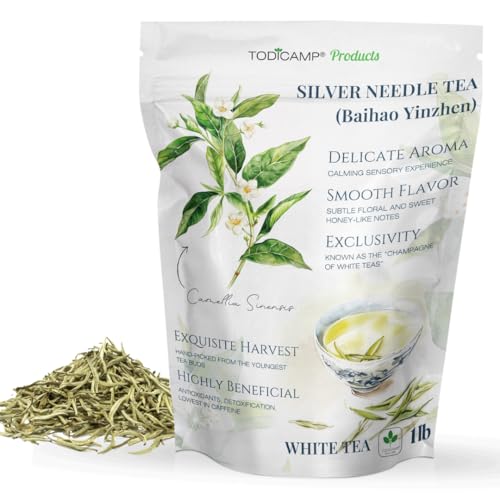
TODICAMP Premium Silver Needle Tea – 1 lb Loose Leaf
Meet The Standout Selections
Da Hong Pao carries a weight most everyday black teas never approach, and the Wuyi rock terroir (mineral soil and cliffside microclimate) is exactly what gives the leaves their roasted, almost cocoa-edged depth. The dry leaf arrives in long, twisted strips with a faint charcoal perfume, and that aroma holds through the first three short infusions, which is one of the real perks of gongfu-style brewing (small vessel, many short steeps). For drinkers who want a single tea to anchor a slow Sunday morning, this is the kind of leaf that rewards patience.
Compared to the more accessible Milk Oolong later on this list, Da Hong Pao asks for a little more attention and a little more heat. The payoff is a darker, broody cup that plays well with rich food or a quiet hour alone.
Positive Takeaways
- Mineral-driven “rock charm” (yan yun) that defines the Wuyi rock tea category
- Holds up through multiple short steeps, so one serving stretches further
- Roasted, caramelized profile that stands up to food pairings
- Loose leaf format gives full control over strength and leaf quantity
Trade Offs
- Roasted character can read as bitter to drinkers used to green or white teas
- Best results require a small vessel and shorter steeps, not a standard mug
Feature Snapshot
Made For
Drinkers who already enjoy roasted or smoky teas and want a genuine single-origin Wuyi leaf to anchor slow weekend sessions.
Look Elsewhere When
You want a creamier, gentler flavor without the roast, in which case the TODICAMP Milk Oolong is a better fit.
The Harney & Sons English Breakfast brings something quietly different to a familiar Western format: instead of a multi-origin blend, every sachet is built entirely from China black tea. That single-origin choice gives the cup a cleaner, slightly more malty spine than most supermarket breakfast teas manage, and the sachet format holds enough leaf to brew two cups, so a 50-count bag stretches across roughly 100 mugs for a single-person household.
Compared to the loose-leaf Wuyi rock oolong reviewed just above, this one is built for the opposite end of the day. The goal here is convenience: a quick kettle, a four-minute steep, and a brisk black cup that pairs with milk and a piece of toast.
Strong Points
- 100% China black tea gives a cleaner, more focused cup than blends
- Each sachet brews about two cups, so 50 sachets go further than expected
- Sturdy breakfast profile that holds up to milk and sugar
Points To Keep In Mind
- Sachet format limits your ability to control leaf quantity for gongfu-style steeping
- More brisk than fruity, so it may feel sharp if you prefer low-astringency (the drying, mouth-puckering sensation some teas leave) black teas
Who It Suits Best
Morning drinkers who want a reliable, fully China-grown black tea that brews fast on a weekday and still tastes deliberate.
Reach For A Different Pick When
You want a more delicate green-tea routine for the afternoon, in which case The Republic of Tea Daily Green is a better match.
Daily Green lives up to its name. The round, natural-fiber tea bags brew a soft, pale-gold cup with very little fuss, and the low-caffeine profile makes it the kind of tea you can drink at 3 p.m. without losing sleep. Steeping instructions sit at one to three minutes, which keeps the flavor clean and avoids the grassy, overcooked edge that haunts green tea brewed too long.
Stack it next to the Harney & Sons English Breakfast reviewed above and the contrast is obvious. One is a punchy morning black tea, this is a quiet, polite green that fits the second half of the day.
What Stands Out
- Low caffeine, so it works in late-afternoon windows
- Simple steeping window (1 to 3 minutes) keeps flavor consistent
- Round tea bag shape gives leaf room to unfurl properly
Small Caveats
- Bag format means you cannot adjust leaf weight for a stronger brew
- Light, delicate profile can taste thin next to richer oolongs like Da Hong Pao
Quick Facts
Right Fit For
Office workers and remote professionals who want a polite green tea that brews fast and doesn’t keep them up at night.
Swap It Out When
You want a more involved ritual with whole leaves, in which case the TODICAMP Silver Needle is a more hands-on option.
The Solstice Tea Traders sampler is less a single tea and more a small workshop in a box. Six tins of base loose-leaf tea (Sencha, Rooibos, and China black among them) sit alongside five tins of herbal flavoring: ginger, rose petals, lavender, lemongrass, and hibiscus. An empty mixing tin ties the kit together, so you can actually build and store small custom batches instead of free-pouring on the counter.
Set this next to the Harney & Sons English Breakfast and the difference is intent. One is a finished product; this one is a kit that lets you build your own. For curious drinkers, that’s a more interesting shelf.
Notable Upsides
- Multiple base teas and flavorings in one box, so you can experiment without buying full-size pouches
- All-natural ingredients, no artificial flavorings to mask the base leaf
- Compact tins store well on a small countertop or in a pantry
Where It May Fall Short
- Tin volumes are small, so serious drinkers may outgrow the kit quickly
- Mixing ratios take trial and error, which not every shopper enjoys
Best Suited To
Curious home blenders and gift-givers who want a hands-on introduction to building personalized tea recipes.
Consider Something Else When
You want a single signature tea to drink daily, in which case the Republic of Tea Daily Green is a simpler everyday option.
The sea buckthorn berry oil is a skincare add-on rather than a tea, but it earns its spot here because Chinese-origin sea buckthorn has a long traditional track record and the oil’s omega-7 (palmitoleic acid, a fatty acid that supports mucous membranes) profile is genuinely distinctive. The 2 fl oz bottle comes with a dropper for measured daily use, and the ingredient list keeps the formula vegan: omega 3, 6, 7, and 9 plus vitamins A, C, E, and B.
Among the picks on this list, this is the one that steps off the tea shelf entirely. For shoppers pairing a green or oolong habit with a focused skincare step, the format makes sense.
Standout Benefits
- Omega-7 focus, a less common fatty acid in most skincare oils
- Dropper bottle supports measured, consistent application
- Vegan formula without animal-derived ingredients
Honest Caveats
- 2 fl oz is a small bottle, so daily face use can run out quickly
- Rich color and scent can transfer onto lighter fabrics if applied heavily
Feature Card
Perfect Match For
Shoppers building a focused skincare routine who want a single bottle that covers multiple omega fatty acids.
Not Your Match When
You came here strictly for tea, in which case the TODICAMP Milk Oolong is a cleaner fit for this list’s main theme.
The TODICAMP Liver Health capsule leans on a three-ingredient formula: milk thistle extract, artichoke extract, and choline, with zinc rounding out the label. The capsule format makes it easier to fold into a daily routine than loose powders, and the unflavored profile means no taste to mask with juice or food.
Like the sea buckthorn oil, this pick steps outside the tea category, but it sits naturally on the same shelf as drinkers who already care about green tea’s antioxidant reputation and want a coordinated wellness add-on.
Positive Points
- Three-ingredient formula covers milk thistle, artichoke, and choline in one capsule
- Unflavored, so the capsules are easy to swallow with water
- Compact bottle format that fits a small kitchen or office drawer
Factors To Consider
- Daily use requires remembering a capsule routine, which not everyone keeps
- Pair with a doctor’s input if you take other supplements or medications
Whose Shelf It Belongs On
Adults who already keep a daily supplement routine and want a multi-ingredient option for liver-focused support.
A Better Fit Elsewhere
You’d rather spend your routine on a warm cup, in which case the Daily Green is a more inviting everyday habit.
Milk Oolong is the gentle sibling to the more intense Da Hong Pao. The dry leaf carries a buttery, almost sweet-cream fragrance, and the brewed cup lands in a soft, rounded register that beginners find easy to enjoy without a learning curve. The 1 lb tin is sized for daily drinkers who want a tea that lasts weeks rather than days.
Compared to the rock oolong reviewed first, this is a far more accessible cup. It loses the brooding depth, but it gains an everyday drinkability that fits a 4 p.m. kitchen window.
Notable Gains
- Creamy, milky aroma that needs no milk or sweetener to taste rich
- Bulk 1 lb tin reduces how often you need to reorder
- Mild profile works as an introductory oolong for newer drinkers
Softer Spots
- Less complex than roasted oolongs, so seasoned drinkers may find it mild
- Aroma can fade after several months in opened tins, depending on storage
Who Should Grab It
Drinkers who want a creamy, low-fuss oolong for everyday afternoons and don’t need the heavier roasted profile of a Wuyi rock tea.
Skip It When
You want something lighter and more delicate, in which case the TODICAMP Silver Needle white tea is a softer, less oxidized option.
Silver Needle is the quietest tea on the list. Made from unopened buds (the youngest, most tender leaf), it carries almost no oxidation, and that minimal processing leaves a brew that tastes soft, slightly sweet, and faintly floral. Because the buds are so delicate, water temperature matters: pour too hot and the cup turns flat, so a gentler 175 to 185°F steep keeps the flavor intact.
Stacked against the more substantial oolongs earlier in the list, this is the slow-weekend option, the kind of leaf you brew on a quiet Sunday with a paperback and nowhere to be.
A Few Strong Suits
- Lowest oxidation on the list, which preserves a soft, sweet cup
- 1 lb bulk tin is rare for a Silver Needle grade, which usually ships in small pouches
- Plays well with light foods, fruit, and a slow morning
Things To Weigh
- Delicate buds demand lower brewing temperatures and shorter steeps
- Light flavor can read as thin next to the bolder rock oolong
Feature Rundown
Who Will Love This
Slow-weekend drinkers who want a soft, low-caffeine white tea and are willing to dial in a gentler water temperature.
Where Another Pick Suits Better
You want a more robust morning cup with a clearer caffeine lift, in which case the Harney & Sons English Breakfast is the better fit.
What Matters Most Before Choosing China Teas
Chinese tea spans green, white, oolong, and black, and each category drinks differently. Think about when you’ll actually brew before you choose a leaf.
Oxidation level sets the flavor ceiling. Oxidation is the chemical reaction that turns freshly picked leaves brown as they sit exposed to air, similar to how a sliced apple browns on the counter. Green tea sits closest to fresh leaf, oolong lands in the middle, and black tea is fully oxidized. Lighter teas (green, white) taste grassy or sweet; heavier teas (rock oolong, black) taste roasted or malty. Match the category to your flavor preference, not the other way around.
Loose leaf vs. sachet is a real trade-off. Loose leaf gives you control over quantity and steeping, which matters for gongfu-style brewing and for oolongs that reward multiple short infusions. Sachets (like the Harney & Sons English Breakfast and Republic of Tea Daily Green) trade that control for speed, which fits a busy morning better. The Solstice sampler uses tins, which is a third option aimed at experimentation rather than routine.
Caffeine tolerance shapes the daily rhythm. Black and most oolong teas carry more caffeine than green or white. Late-afternoon drinkers who want a cup without disrupting sleep do well starting with green or white options.
Origin and grade still matter. Single-origin teas from regions like Wuyi, Yunnan, or Fujian carry more terroir personality than multi-region blends. If you want a tea that tastes like a place, single-origin is the move; if you want consistency, blends deliver a more predictable cup.
Key Considerations Across These Picks
Where Shoppers Go Wrong
The most common misstep is buying a beautiful single-origin oolong and then steeping it in a standard mug for five minutes. The leaf was built for short, repeated infusions in a small vessel, and the difference is dramatic. A second trap: assuming all green teas are interchangeable. A cheap supermarket green and a fresh China green are not the same drink, and the cup will tell you quickly.
What Separates Premium From Basic
Premium Chinese teas tend to ship in whole-leaf or large-bud form, with origin information on the label and packaging that protects against light and moisture. Basic picks often arrive as fannings (small broken leaf pieces) or dust in paper sachets, which brew faster but taste thinner. The price gap reflects leaf grade, freshness, and how carefully the tea was stored before you opened the package. For daily drinkers, the upgrade is worth it once you’ve confirmed the category you actually enjoy.
Frequently Asked Questions
What is the easiest Chinese tea for beginners? Milk Oolong is a gentle starting point because its creamy, slightly sweet profile doesn’t ask for any specific steeping skill, and it tastes approachable even brewed in a standard mug.
How is oolong different from black tea? Oolong is partially oxidized, so it sits between green and black tea. That middle position gives it more aromatic complexity than fully oxidized black tea, with less grassiness than green.
Can I reuse Chinese tea leaves? High-quality oolongs and rock teas can be steeped multiple times, often three to five short infusions. Bagged black and green teas are usually designed for a single steep.
Do I need special equipment for loose-leaf tea? A simple infuser basket or small pot works fine. For gongfu-style brewing, a small vessel (around 100 to 150 ml) gives you more control over short, repeated infusions.
How should I store Chinese tea? Keep leaves in a sealed container away from light, heat, and strong odors. A tin or airtight canister in a cool pantry is usually enough to keep flavor intact for months.
Closing Remarks
The right Chinese tea depends less on the category and more on the rhythm you want to build. Pick the one that fits the moment you already have, not the one that sounds most impressive on a shelf. The leaf will tell you everything else once you steep it.
