

Hydration is personal, and coconut water is one of those categories where the differences between brands matter more than most shoppers expect. Some options prioritize natural electrolytes and clean sourcing, others lean hard into fruity flavor or added functional ingredients, and a few split the difference with creative blends. The goal here is simple: help you sort the lineups by what they actually deliver, not by the loudest label. The picks below cover a range of needs, from a daily commuter who wants something low-calorie to a weekend athlete chasing mineral-dense recovery.
A Quick View Of The Lineup

CoAqua Still Coconut Water 12-Pack (12 fl oz)

Da Bomb Sea Moss Coconut Water (Pineapple Ginger, 12-Pack)

Bai Cocofusions Molokai Coconut (18 fl oz, Pack of 12)
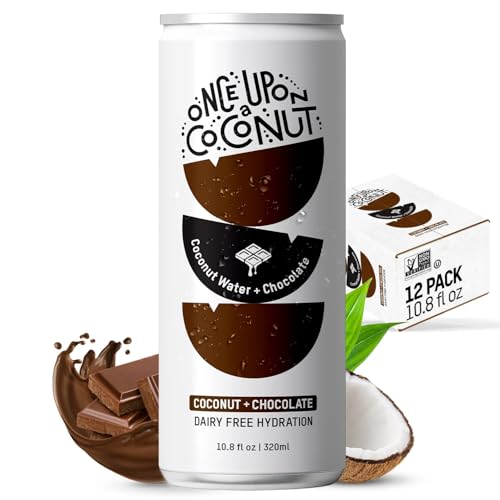
Once Upon a Coconut Chocolate Coconut Water (10.8 fl oz, 12-Pack)
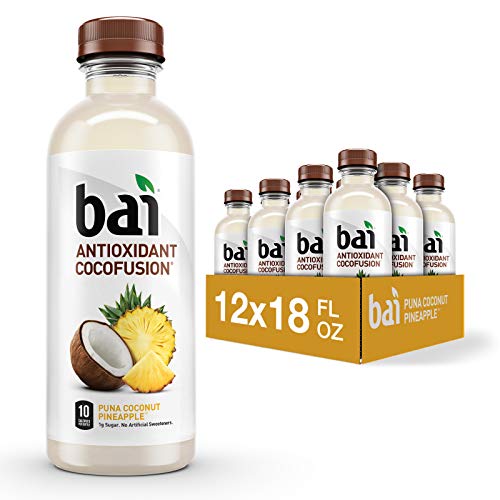
Bai Puna Coconut Pineapple (18 fl oz, 12 Count)

Vita Coco Coconut Water Pineapple (16.9 fl oz, Pack of 12)

Vita Coco Organic Extra Coconut Water (16.9 fl oz, 12-Pack)

Vita Coco Coconut Juice Original with Pulp (16.5 fl oz, 12-Pack)
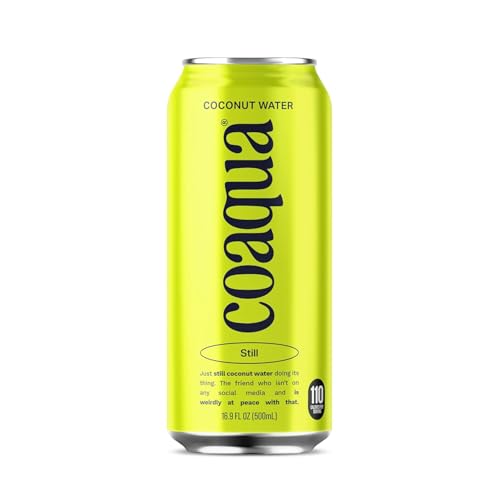
CoAqua Original Coconut Water (16.9 fl oz, 12-Pack)
The Picks, Examined More Closely
The single-serve format is the quiet hero of this list, and CoAqua’s 12 fl oz bottle nails the brief for anyone who wants a clean, no-fuss option that slips into a lunch bag or gym pouch without taking up fridge space. Sourced from Vietnam and processed with a pasteurization method that caramelizes the natural sugars, the result tastes a touch rounder than many of its peers, which is worth noting for shoppers who find straight coconut water too grassy. You get a portable size that finishes in one sitting, so there’s no half-drunk bottle going flat on the counter.
It’s a thoughtful choice for office desks, where a tall bottle often goes to waste, and for short workouts where you want electrolytes without committing to a 16.9 oz serving. The smaller format also makes it easier to track your daily intake if you measure hydration in bottles rather than ounces.
Everyday Wins
- Single-serve 12 fl oz size avoids the half-finished bottle problem common with larger coconut waters.
- Vietnamese sourcing combined with a caramelizing pasteurization method produces a softer, less sharp taste.
- Clean electrolyte profile makes it a sensible post-workout option without added flavorings getting in the way.
- Compact pack of 12 fits easily in a small fridge or shared office kitchen.
Worth Noting
- Smaller bottles mean more packaging per ounce, which is something to weigh against the convenience.
- Available in limited flavor options, so anyone wanting pineapple or chocolate won’t find them here.
Who It Suits Best
Office workers, gym-goers, and anyone who wants a single-serve pure coconut water that disappears before it can go flat.
Skip It When
Reach for CoAqua Original (16.9 fl oz) if you want the same recipe in a larger format that stretches further through a long workday.
Da Bomb sits in a different lane than the rest of the list, and that’s exactly why it’s here. The formula blends wildcrafted sea moss (a type of seaweed long used in coastal diets) with coconut water that’s never reconstituted from concentrate, and the pineapple ginger flavoring turns the drink into something that feels closer to a functional tonic than a plain refresher. The 11.1 fl oz can is a comfortable mid-size that fits a cup holder and finishes in one go. For shoppers who already use sea moss in other routines, this is one of the easier ways to fold it into hydration habits.
The biggest draw is the mineral side of the equation. Coconut water brings potassium and natural electrolytes, while the sea moss adds a broader mineral profile that some drinkers actively seek out. It’s a sensible pick for morning routines, post-lift recovery, or any window where you want hydration to do a little more than just replace fluids.
What Works In Its Favor
- Sea moss adds a mineral dimension that standard coconut waters don’t offer.
- No added sugar and no concentrate, which keeps the ingredient list unusually short.
- Pineapple ginger flavoring gives the drink a sharper, more adult profile than typical tropical blends.
- Cans travel well and stay cold longer than clear bottles in a gym bag.
Trade Offs
- The sea moss and ginger flavor won’t appeal to drinkers who want pure, plain coconut water.
- Smaller 11.1 fl oz cans mean more cans to finish for those who like to drink a full liter at a time.
Made For
Active drinkers, wellness routines, and anyone who already incorporates sea moss and wants it delivered in a portable can.
Look Elsewhere When
CoAqua Original Coconut Water is a better match when the goal is plain, unflavored hydration without the added functional ingredients.
Bai’s Molokai Coconut takes a different route from the traditional coconut waters earlier in this list, treating coconut as a tropical accent layered onto a fruit-flavored water base. The 18 fl oz bottle is generous, and at roughly 10 calories per serving with just a gram of sugar, it threads the needle for drinkers who want the coconut experience without the natural sugar load of pressed coconut water. It’s also free from artificial sweeteners, which matters for shoppers who avoid sucralose and aspartame.
The Molokai Coconut leans lighter and fruitier, so it works as a desk companion through long afternoons where plain coconut water might feel too heavy. Bai also builds the drink around an antioxidant-infused base, which gives it a slight functional edge without pushing it into full supplement territory. For anyone tracking macros, the calorie math is genuinely friendly compared to most other entries here.
The Helpful Details
- About 10 calories per serving makes it one of the lightest picks in this roundup.
- No artificial sweeteners keeps the ingredient profile short and recognizable.
- Large 18 fl oz bottle covers a long work block in a single pour.
- Antioxidant-infused base adds a subtle functional layer beyond plain hydration.
Points To Note
- The coconut flavor is lighter and more fruit-forward than pressed coconut water, which won’t satisfy purists.
- The 18 fl oz size is harder to finish in one sitting, so leftovers can lose carbonation and freshness if forgotten on the counter.
Right Fit For
Calorie-conscious drinkers and anyone who wants a tropical, lightly sweet alternative to traditional coconut water.
Consider Something Else When
Vita Coco Coconut Water Pineapple is a better call for shoppers who want authentic coconut water with a real fruit blend rather than a coconut-flavored water.
Once Upon a Coconut leans into the dessert side of the category, and the chocolate variant is the most overtly indulgent entry on this list. Coconut water and cocoa come together in a 10.8 fl oz bottle that reads more like a treat than a workout drink, which is exactly the point. The lower calorie count and the inclusion of natural electrolytes give it a thin health halo, but the real reason to grab it is the flavor. It’s the option you reach for when plain coconut water feels boring and you want something that still counts as hydration.
It also works as a clever swap for chocolate milk after a long run, where the electrolytes actually do useful work. The 12-pack format means you can keep a few in the back of the fridge for evenings when a sweet craving hits and a regular soda feels excessive. The compact 10.8 fl oz size keeps the calorie load reasonable even if you drink two.
Advantages To Know
- Chocolate-coconut pairing turns hydration into a dessert-style moment.
- Lower calorie profile compared to a typical chocolate milk or flavored latte.
- Compact 10.8 fl oz bottle is portion-controlled and easy to chill quickly.
Honest Caveats
- Chocolate flavoring will be too sweet for drinkers who want the clean taste of plain coconut water.
- Smaller 10.8 fl oz serving means more bottles to open during longer hydration windows.
- Some shoppers commonly find the chocolate flavor leans more toward cocoa-water than rich chocolate milk, depending on the batch.
Who Should Grab It
Sweet-tooth drinkers, post-workout chocolate cravings, and anyone who wants hydration to feel like a small reward.
A Better Fit Elsewhere
Once Upon a Coconut is unique in this roundup, but for purists who want similar single-serve simplicity without chocolate, CoAqua Still Coconut Water is the cleaner pick.
The Puna Coconut Pineapple takes Bai’s coconut platform and pushes the tropical side harder, layering pineapple over a coconut-flavored water base. Where the Molokai Coconut feels gentle and breezy, this one lands a more vivid fruit punch, which makes it a strong fit for warm-weather drinking, post-yard-work cool-downs, and poolside afternoons. The 18 fl oz bottle shares the same low-calorie philosophy as the rest of the Bai Cocofusions line, with roughly 10 calories per serving and no artificial sweeteners.
It’s a flavorful alternative for shoppers who like the idea of coconut water but want a louder fruit presence in every sip. The antioxidant infusion remains a quiet bonus, and the larger bottle format means fewer trips to the fridge on busy days.
The Practical Payoff
- Pineapple-forward flavor profile is more vivid than the gentler Molokai Coconut.
- Same low-calorie, no-artificial-sweetener discipline as the rest of the Bai coconut line.
- Large 18 fl oz bottle is well-suited to long outdoor days.
Possible Compromises
- Like other Bai coconut drinks, this is a coconut-flavored water rather than pressed coconut water, so purists will notice the difference.
- The bold pineapple note can overshadow the coconut entirely for some palates.
Best Suited To
Warm-weather drinkers, beach and pool setups, and anyone who wants tropical flavor without the sugar load of juice.
Where Another Pick Suits Better
Vita Coco Coconut Water Pineapple is a stronger choice for shoppers who want real coconut water with pineapple rather than a coconut-flavored water base.
Vita Coco is the brand most shoppers recognize first, and the Pineapple variant is the gateway product that turned coconut water from a niche import into a fridge staple. The 16.9 fl oz Tetra Pak (a shelf-stable paper-based carton) is easy to pack, doesn’t need to be returned like a glass bottle, and the flavor is consistent from box to box. Pineapple and coconut water are a natural pairing, and Vita Coco gets the balance right without either side dominating. The 12-pack also makes bulk stocking painless for families or shared office fridges.
You also get the electrolyte profile that built Vita Coco’s reputation, including potassium levels that the brand has long highlighted as a key draw. It’s a sensible baseline option for households that want coconut water to just be available without overthinking it.
A Few Strong Suits
- Widely recognized brand with a flavor profile that most coconut water newcomers find easy to enjoy.
- 16.9 fl oz Tetra Pak is lightweight, shelf-stable, and lunchbox-friendly.
- 12-pack format keeps a household stocked without constant reorders.
- Pineapple blend rounds out the natural tartness of coconut water.
Things To Consider
- Flavor is mainstream-pleasing but not as layered as some smaller brands in this roundup.
- Tetra Paks don’t chill as fast as cans or glass, so you may want to plan ahead on hot days.
Feature Snapshot
Who Will Love This
Families, casual drinkers, and anyone who wants an easy, recognizable coconut water that slots into a normal grocery routine.
Reach For A Different Pick When
Vita Coco Organic Extra Coconut Water is a better match if you want a smoother, pulpier texture and a less fruity profile.
Extra Coconut is Vita Coco’s answer to the texture complaints that follow traditional coconut water, where some drinkers find the lighter mouthfeel almost watery. By blending pressed coconut water with fresh coconut puree, the brand delivers a richer, more rounded sip without going full dessert. The 16.9 fl oz Tetra Pak keeps the same portable format as the original, which matters for anyone who already stocks Vita Coco and just wants a smoother upgrade in the same packaging.
The formula is organic, non-GMO, and gluten-free, which makes it a sensible swap for shoppers who read labels closely. It’s also a popular smoothie base because the extra coconut body holds up better when blended with fruit and greens than thinner coconut waters. For a quick breakfast, you can pour it over granola or use it as the liquid in a morning blend without diluting flavor the way plain coconut water sometimes does.
Why It Works Well
- Coconut puree addition gives the drink a noticeably rounder, creamier body than standard coconut water.
- Organic and non-GMO credentials appeal to label-reading shoppers.
- Doubles as a smoothie base, holding up well next to greens and tart fruit.
- Same 16.9 fl oz Tetra Pak format as the original Vita Coco for easy fridge storage.
Some Limits To Know
- Extra coconut body means more natural sugar per serving, which is worth noting for strict macro trackers.
- Without a fruit flavor, it’s a quieter sip that some shoppers find less exciting than the Pineapple variant.
Perfect Match For
Smoothie drinkers, breakfast routines, and anyone who finds standard coconut water too thin on the palate.
Where A Sibling Pick Shines
Vita Coco Coconut Water Pineapple is the better pick when you want a brighter, fruit-led sip without the added coconut body.
Coconut Juice is Vita Coco’s sweeter, pulpier spin on the category, and it’s positioned for drinkers who want more substance in their bottle. The recipe adds sugar and water to the base coconut water, and the inclusion of pulp gives the drink a slightly thicker feel that sits somewhere between juice and traditional coconut water. It’s also the closest analog on this list to the experience of cracking open a fresh young coconut, minus the machete.
For households that already buy Vita Coco and want something a little more indulgent, this is a logical adjacent purchase. The 16.5 fl oz size is close enough to the standard 16.9 that it slots into the same fridge rhythm, and the 12-pack format mirrors the rest of the lineup.
Bright Spots
- Sweeter profile appeals to drinkers who find pure coconut water too mild.
- Pulp inclusion adds a thicker, more coconut-forward mouthfeel.
- Familiar Vita Coco format makes it easy to add to a regular grocery rotation.
Worth Bearing In Mind
- Added sugar makes this a less suitable pick for shoppers tracking sugar intake closely.
- It’s a blended juice rather than pressed coconut water, so the ingredient list is longer than purists may want.
- The pulpy texture can settle, so giving the bottle a quick shake before drinking is a common habit reported by owners.
Built With In Mind
Casual drinkers and anyone who wants a sweeter, pulpier coconut drink that feels closer to a treat than a workout recovery beverage.
Swap It Out When
Vita Coco Organic Extra Coconut Water is the better choice if you want a richer coconut experience without the added sugar and water dilution.
The 16.9 fl oz Original delivers the same Vietnamese-sourced, caramelized-pasteurization recipe as the smaller CoAqua bottle, just stretched into a more standard serving size. For shoppers who liked the idea of CoAqua’s softer taste but want more volume per bottle, this is the natural pick. It also fits more easily alongside mainstream coconut waters in a fridge that’s used to a 16.9 oz rhythm.
It works as a daily desk bottle, a post-run refuel, or a hydration base for a long afternoon without flavorings competing for attention. The 12-pack format means you’re not constantly reordering, and the larger size reduces the packaging-per-ounce footprint compared to the single-serve version earlier in this list.
Benefits That Matter
- Larger 16.9 fl oz format matches mainstream coconut water sizing, making it easier to slot into a normal fridge routine.
- Same Vietnamese sourcing and caramelizing pasteurization process as the smaller CoAqua bottle.
- Clean ingredient profile with no added flavorings or sugar.
- 12-pack format keeps supply steady without constant reorders.
Details To Watch
- The larger bottle can be hard to finish in one sitting, which means a tighter lid and prompt refrigeration are practical ownership habits.
- Like the single-serve CoAqua, flavor options are limited compared to the Vita Coco family.
The Right Fit
Daily hydration shoppers who want a clean, larger-format coconut water without fruit flavorings getting in the way.
Not Your Match When
CoAqua Still Coconut Water (12 fl oz) is a better fit for single-serve convenience if you prefer finishing each bottle in one go.
What Separates These Coconut Water Picks
Coconut water is deceptively varied, and the right pick depends almost entirely on what you want hydration to do for you. The biggest split is between pressed coconut water, which is just the liquid from young coconuts, and coconut-flavored water, which uses coconut as an accent in a broader fruit-flavored base. Pressed options (Vita Coco, CoAqua, Da Bomb) tend to deliver more natural electrolytes and a cleaner ingredient list, while flavored waters (Bai Cocofusions) win on calorie control and fruity variety.
Sweetness is the next major fork. Pure coconut water carries natural sugars that some shoppers love and others find overwhelming, which is why brands like Once Upon a Coconut lean into chocolate and Vita Coco offers pineapple blends. If you’re tracking sugar or watching calories closely, the low-calorie options on this list keep numbers friendly without leaning on artificial sweeteners.
Format matters more than people expect. Single-serve 11 to 12 fl oz bottles and cans disappear in one go, which is great for gym bags but adds packaging. Larger 16 to 18 fl oz formats stretch further on the desk but demand a tighter lid and prompt refrigeration. Your daily routine, fridge space, and how you actually drink are the deciding factors here, not the label.
Reading Between The Labels
Coconut water is a straightforward category on the surface, but a few details separate a smart purchase from a forgettable one.
Ingredients And Sweeteners
The first glance should always go to the ingredient list. Pure coconut water contains just coconut water, sometimes with vitamin C added for preservation. Fruit blends will list the fruit puree or flavoring. The picks worth your attention are the ones that don’t sneak in unnecessary sweeteners, though some shoppers actively want the sweeter, pulpier profile of options like Vita Coco Coconut Juice.
Electrolyte And Mineral Content
Coconut water’s reputation rests on natural electrolytes, especially potassium. Brands like Vita Coco have long highlighted this, and functional options like Da Bomb layer in additional minerals through ingredients like sea moss. If you’re hydrating after long workouts or in hot weather, the mineral profile matters more than the flavor.
Packaging And Format
Tetra Paks are shelf-stable and lightweight, cans stay cold longer, and single-serve bottles prevent waste. The right format depends on where and how you drink, so think about your commute, gym routine, and fridge space before choosing between a 12-pack of single-serves and a case of larger bottles.
A Few Things To Watch Before You Order
Mistakes Worth Dodging
Coconut water shelves are crowded, and the most common error is choosing by label hype alone. Some “coconut water” drinks are actually coconut-flavored waters with a much shorter ingredient list, while others add sugar or pulp that change the nutritional profile. Reading the actual ingredient panel protects you from paying premium prices for something that doesn’t match your goals.
Another common slip is overestimating how much you’ll drink. A 12-pack of large bottles is a commitment, and coconut water doesn’t keep forever once opened. Starting with a smaller case or a single-serve format like CoAqua Still helps you learn your real consumption before stocking up.
Where The Extra Money Goes
Premium pricing in this category usually reflects sourcing, processing, or added functional ingredients. Vietnamese-sourced CoAqua, for instance, uses a caramelizing pasteurization process that delivers a softer taste, which is a real difference worth paying for if you find standard coconut water too sharp. Functional options like Da Bomb command higher prices because of the added sea moss and mineral content, not because the coconut water itself is fundamentally different.
The upgrade pays off when the extra cost aligns with a real preference: smoother taste, broader mineral profile, organic sourcing, or lower calorie count. When the premium is just for fancier packaging or a louder flavor claim, the standard options on this list will serve you just as well.
Frequently Asked Questions
Is coconut water better than regular water for hydration?
Coconut water contains natural electrolytes, especially potassium, which can help with rehydration after exercise or in hot weather, but for everyday sipping, regular water is perfectly fine and lower in calories. Think of coconut water as a situational hydration tool rather than a daily replacement.
How much sugar is in coconut water?
Pure coconut water contains natural sugars from the coconut itself, typically more than flavored waters but less than most fruit juices. Coconut-flavored drinks like Bai Cocofusions keep sugar low with about a gram per serving, while blends with fruit purees and added sugar will run higher. Always check the label if sugar is a concern.
Can coconut water help with workout recovery?
Coconut water’s natural electrolytes, particularly potassium, make it a reasonable post-workout option for moderate exercise, helping replace what you lose through sweat. For heavy endurance training, you may still want a dedicated sports drink, but for everyday workouts, coconut water is a solid lighter option.
Should coconut water be refrigerated after opening?
Yes, like most natural beverages, coconut water should be refrigerated after opening and consumed within a few days. Unopened Tetra Paks and cans are shelf-stable, but once the seal is broken, refrigeration keeps the flavor and nutritional profile intact.
Are there coconut waters for people with dietary restrictions?
Many options in this category are gluten-free, non-GMO, vegan, and dairy-free, and a few, like Da Bomb, are designed with specific dietary considerations in mind. If you follow a strict diet, checking the label for certifications and ingredient lists is the safest way to confirm a pick fits your needs.
The Takeaway
The right coconut water depends entirely on how you drink it. Clean-label shoppers will gravitate toward CoAqua or Vita Coco’s pressed options, calorie counters will find a friend in Bai’s coconut-flavored line, and functional hydration seekers will appreciate what Da Bomb packs into each can. The point isn’t to find a single best brand, it’s to match the bottle to the moment, whether that’s a quick gym sip, a long desk day, or a sweet evening treat.
