

Most mornings, the best cup you make is the one you understand. Better gear and fresher beans help, but the people who actually pull a satisfying shot at home almost always read a little first. This list brings together six books that sharpen your technique and four pantry picks that put those lessons to work, so you can stop guessing and start dialing in.
The Leading Options At A Glance

Mushroom Coffee Mastery: The Complete Guide to Medicinal Mushrooms


How to Make Perfect Coffee at Home: A Practical, Step-by-Step System

James Hoffmann 2 Books Collection Set (How to Make the Best Coffee at Home & The World Atlas of Coffee)

The Home Barista: From Bean to Blend

Nicoletti “Old School 1972” Espresso Roast Whole Beans 2lb

Nicoletti Coffee “Original” Espresso Roast Beans 2.20lb
OXO Good Grips Cold Brew Coffee Maker 32 oz

Nicoletti Coffee Espresso Roast Sampler (3 Pack of 1lb Each)
The Strengths Of Each Pick
Functional mushroom drinks keep showing up on café menus, and this guide sits squarely in that corner. It walks through the species that matter most for a home brewer, including chaga, lion’s mane, and reishi, then ties each to a brewing method that suits it. The biological sciences grounding means you get actual context, not just recipes.
Compared with the barista-focused titles that follow, this one cares less about extraction theory and more about ingredient selection. People who already feel comfortable with pour-over and want to branch into a different category will appreciate that focus.
The Practical Payoff
- Species-by-species breakdown helps you match mushroom type to brewing temperature
- Recipes give you a starting point if you’ve never made a functional drink
- Cultivation notes add a hobby layer for readers who want to grow at home
Worth Noting
- Niche enough that traditional coffee drinkers may bounce off it quickly
- Limited crossover with espresso technique compared to the other books here
Made For
Anyone dipping a toe into mushroom-based drinks who wants real context instead of marketing copy.
Look Elsewhere When
Your real interest is dialing in espresso, in which case the James Hoffmann titles later in this list will serve you better.
James Hoffmann’s approachable style made him a familiar face in home barista circles, and this book is the cleanest distillation of his method. It opens with bean selection, walks through grinder choices without dragging you into spec overload, and treats espresso, pour-over, and immersion as equal citizens. The tone stays measured even when the subject turns technical.
For readers who came in through his videos, the structure will feel familiar. Anyone starting cold will find a single, coherent path from grocery store beans to something genuinely satisfying.
The Case For It
- Balanced coverage of espresso, filter, and immersion methods in one place
- Plain language that respects your time and avoids jargon fatigue
- Pairs naturally with the pantry picks later in this list
Trade Offs
- Long-time specialty drinkers may want deeper sourcing and roast chemistry detail
- Less focused on cold brew, which the OXO entry later handles better
Right Fit For
Home brewers building a complete foundation across multiple brew styles.
Skip It When
You want a visual, recipe-heavy workbook, in which case The Home Barista entry is a closer match.
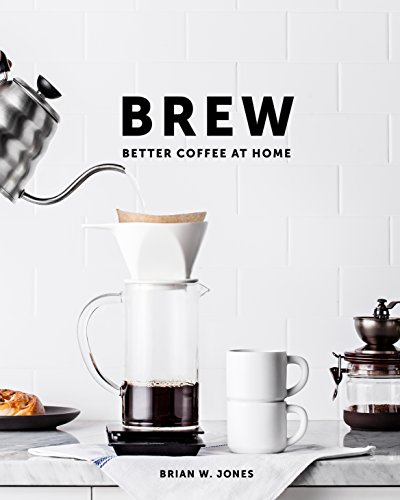
Brian W. Jones keeps things refreshingly short, which is rare in this category. The book opens with a quick equipment audit and moves into recipes that assume a normal kitchen and a normal budget. Nothing about the layout feels intimidating, and the writing treats the reader like a smart friend rather than a student.
It pairs well with the Nicoletti beans further down, since the recipes call for styles that whole-bean espresso handles cleanly. If the Hoffmann book feels long, this is the lighter doorway in.
What Pays Off
- Compact format you can read in an afternoon
- Equipment recommendations tiered by price, so you can grow into upgrades
- Recipes favor techniques suited to whole beans rather than pre-ground
Points To Consider
- Limited depth on espresso dialing compared with Hoffmann’s title
- Older format, so some equipment references may not match current models
Best Suited To
First-timers who want a short, friendly read before investing in gear.
Swap It Out When
You’re ready to commit to espresso, in which case How to Make Perfect Coffee at Home gives a tighter, more structured system.
Ali Hani’s book reads like a checklist, and that’s the point. The Kindle format makes the step-by-step structure easy to navigate on a phone propped up next to your grinder. It starts with bean selection, moves through storage, then breaks the brewing process into a sequence you can repeat until it becomes second nature.
It’s a good match for someone who finds Hoffmann’s breadth a little loose. The trade-off is that the book keeps its scope tight and skips much of the science background.
Where It Delivers
- Linear format suits people who like repeatable systems
- Practical focus on storage and freshness alongside brewing
- Accessible on any device through the Kindle app
Honest Caveats
- Less variety in recipes than the other books in this list
- Some readers may want more visual cues than the digital format offers
Who Should Grab It
Organized home brewers who want a clear routine rather than a wide survey of methods.
Not Your Match When
You want immersive coffee culture context, which the Hoffmann two-book set delivers more fully.
Pairing How to Make the Best Coffee at Home with The World Atlas of Coffee turns a single technique book into a two-volume reference. The atlas is a country-by-country tour of growing regions, processing methods, and flavor profiles, which adds real depth to the practical recipes.
Where the standalone Hoffmann book teaches the how, this set explains the why behind bean choice. If you’ve ever wondered what makes an Ethiopian natural taste so different from a Sumatran wet-hulled, the atlas is where that gap closes.
Key Advantages
- Two complementary angles: technique plus sourcing and origin
- Useful long after the first reading as a shelf reference
- Cost-effective compared with buying the books separately
Possible Compromises
- Bulky to store if shelf space is tight
- Some overlap between the books’ introductory chapters
Whose Shelf It Belongs On
Curious drinkers who want both the brewing method and the story behind their beans.
Reach For A Different Pick When
You only want one focused technique book, in which case the standalone Hoffmann title earlier is the cleaner choice.
Tom Saxon’s book leans into the craft side of home coffee, treating the kitchen like a small workshop. The photography is generous, and the workflow sections make it easy to visualize your own setup. Latte art and milk texturing get more room here than in most beginner titles.
Compared with the more analytical Hoffmann book, this one reads like a coffee class. The trade-off is that the science takes a back seat to the practical steps, which is fine if your goal is a beautiful flat white.
Useful Touches
- Strong visual layout that suits visual learners
- Milk and latte art coverage that other books in this list skip
- Workflow organization mirrors how a real barista sets up a station
Less Ideal Details
- Less depth on bean sourcing than the World Atlas companion
- Some sections assume gear you may not own yet
Built With In Mind
Home brewers who want to build a café-style routine rather than just a good cup.
A Better Fit Elsewhere
You want pure brewing science, in which case the Hoffmann standalone earlier covers it more directly.
This is the bag for drinkers who want their espresso to taste the way Brooklyn espresso used to taste. Roasted ten degrees darker than the Nicoletti Original, the Old School 1972 leans into bittersweet chocolate and a heavier body that holds up beautifully in milk drinks. The two-pound size makes sense for households that run a machine daily.
Each bag carries a date stamp so you know when the roast shipped, which matters more than people realize for whole-bean flavor. Within a week or two of opening, the aroma peak passes, so a fresh stamp gives you a real head start.
Practical Advantages
- Date stamp on the bag supports freshness tracking
- 50/50 Robusta and Arabica blend brings crema and body
- Two-pound format fits households running an espresso machine daily
Things To Weigh
- Roast level may feel too intense if you usually drink lighter coffees
- Whole bean format means you need a grinder at home
Who Will Love This
Espresso drinkers who want a Brooklyn-style dark roast with traditional character.
Consider Something Else When
You prefer brighter, more fruit-forward cups, in which case the Nicoletti Original entry is the gentler match.
The Original leans the other direction from Old School 1972, with a 70% Arabica and 30% Robusta split that produces thick golden crema without the heavier bite of a dark roast. The lighter roast profile is unusual for an espresso blend, and that’s exactly the point. You get a rounder cup that still pulls nicely through an espresso machine or moka pot.
For home drinkers experimenting with moka pots, this is a particularly forgiving bean. The 2.2-pound bag keeps you stocked for a couple of months, depending on how often you brew.
Bright Spots
- Arabica-forward blend for drinkers who want crema without harshness
- Works in both espresso machines and moka stovetop makers
- Black matte kilo bag helps protect beans from light
Small Caveats
- Whole bean format requires a grinder; pre-ground is not offered
- Single-origin fans may want more provenance detail than the bag provides
Perfect Match For
Moka pot owners and anyone wanting an espresso blend that stays on the smoother side of dark.
Another Choice May Suit
You want maximum intensity, in which case Nicoletti’s Old School 1972 is the bolder sibling.
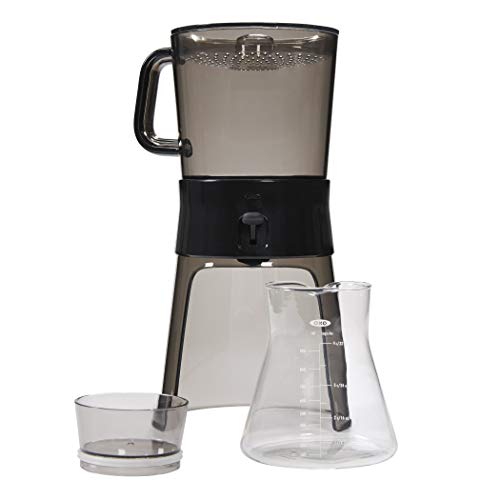
OXO’s cold brew system is the rare kitchen tool that genuinely matches its hype. The Rainmaker top distributes water evenly across the grounds, which solves the most common cold brew complaint: dry pockets that leave the concentrate thin. The 32-ounce capacity lands right for one or two daily drinkers.
You steep overnight, then release the concentrate into the borosilicate carafe below. Cleanup is straightforward, and the carafe stores in the fridge with a tight lid, so your morning routine barely changes.
Noteworthy Benefits
- Even water distribution reduces dry pockets and weak batches
- Glass carafe holds cold concentrate without absorbing fridge odors
- Low-acid concentrate suits drinkers who find hot coffee hard on their stomach
Points To Note
- Takes 12 to 24 hours of steeping, so it requires planning ahead
- Glass carafe adds weight if you carry it to a commute
Made For
Anyone who wants iced coffee on tap at home without buying single-use pods or bottles.
Where A Sibling Pick Shines
You want a hot brewed cup first thing, in which case the books and beans earlier will matter more than this brewer.
Three one-pound bags give you Original, Old School 1972, and Napoli side by side. That’s the smart way to find your favorite Nicoletti roast without committing to a full two-pound bag of each. The trio also works as a tasting flight if you want to host a small coffee session at home.
Each bag still carries the date stamp, so the freshness guarantee carries over. If you end up loving one style, the corresponding single-origin listing is just a click away.
Practical Pluses
- Three roast profiles in one shipment for direct comparison
- Date stamp on every bag, matching Nicoletti’s full-size standards
- One-pound bags stay fresh through regular use
Worth Bearing In Mind
- Higher per-ounce cost than the larger two-pound bags
- Whole beans only, so a grinder is required
Who It Suits Best
Curious drinkers who want to compare roasts before settling on a regular order.
Not Your Match When
You already know which Nicoletti roast you want, in which case the standalone two-pound bags are the more efficient buy.
What Matters Most Before Choosing Coffees At Home
Bean Format And Freshness
Whole bean coffee keeps longer than pre-ground because grinding increases the surface area exposed to oxygen. That matters even more for the espresso picks here, since the Nicoletti bags only come whole. A burr grinder is a quiet upgrade that pays off across every brew method covered in the books.
Roast Level And Brew Method
Lighter roasts tend to show off origin flavors, while darker roasts lean into chocolate and toasted notes. Pairing the wrong roast with the wrong method is a common reason home shots taste flat. The Nicoletti Original works across espresso and moka, while Old School 1972 is dialed in for milk-forward drinks.
Equipment Reality Check
Before buying a brewer, a grinder, or a book, look at what you already own. The Home Barista book assumes more gear than Brew: Better Coffee at Home, so the right starting point depends on your current setup. For cold brew specifically, the OXO system removes most of the guesswork.
Key Considerations Across These Picks
Pitfalls Shoppers Hit
Many people buy a beautiful bag of beans and then leave it on the counter in direct sunlight. Whole bean coffee stays fresh longer in a sealed, opaque container kept cool. Another common slip is skipping the grinder entirely and using pre-ground, which costs you most of what the books are trying to teach.
Where The Extra Money Goes
Stepping up to a two-pound bag or a sampler set usually means fresher roast dates and more flexibility per dollar. Books that include both technique and origin, like the Hoffmann two-book set, also stretch further as a reference than single-topic guides. The honest read is that the upgrade pays off when you actually read and brew, not just collect.
