

You pour the water, the machine clicks, and you’re hoping the cup tastes like something rather than nothing. A great drip coffee starts with the beans, and the gap between a forgettable brew and a memorable one usually lives in the roast, the origin, and how fresh the bag is. With a saturated shelf of options, picking the right bag for your morning routine is harder than it looks. This roundup narrows nine solid contenders across price points, roast levels, and format preferences, so the next cup you brew hits the way you want.
The Lineup, Simplified

Dunkin’ Original Blend Medium Roast Ground Coffee 30 Oz. Canister

Lavazza Espresso Whole Bean Coffee Medium Roast 2.2 lb

Lavazza Super Crema Whole Bean Coffee 2.2 lb Bag
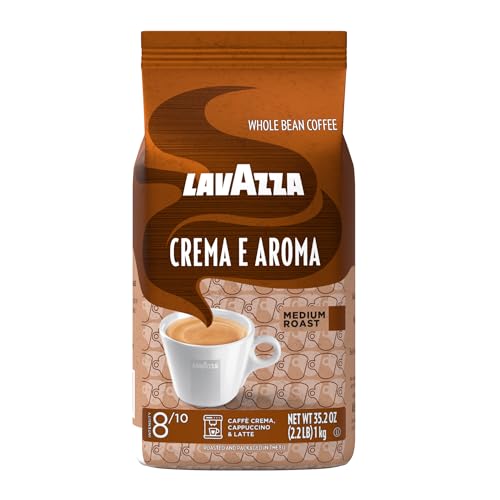
Lavazza Crema E Aroma Whole Bean Coffee 2.2 lb

Lavazza Crema e Aroma Whole Bean Coffee 2.2 lb Bag Pack of 6
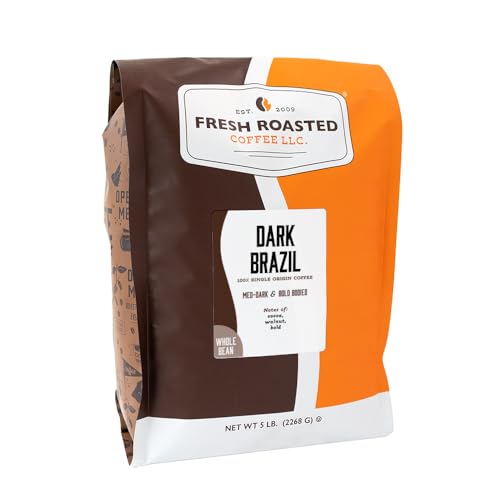
Fresh Roasted Coffee Dark Brazil Whole Bean 5 lb

Fresh Roasted Coffee Seriously Dark K-Cup Pods 24 Count

Fresh Roasted Coffee Organic Ethiopian Yirgacheffe 12 oz
Lavazza Super Crema Espresso Whole Bean Coffee 2.2 lb 2-pack
Taking A Closer Look At The Options
If you want zero ceremony in the morning, ground coffee straight from a canister removes a step from the routine. The Dunkin’ Original Blend is built for that audience: pre-ground Arabica, medium roast, 30 ounces, ready to spoon into a drip basket. The flavor profile leans easy and rounded rather than punchy, which suits a wider range of palates than a bolder roast would.
For households grinding through two or three cups before noon, the canister size pays off by stretching between grocery runs. The brand familiarity also matters, since you know exactly the cup you’re getting without dialing in a grinder setting.
Features That Help
- Pre-ground format skips the grinder and saves a couple of minutes on weekday mornings.
- Medium roast profile is forgiving with most drip machines and works well both hot and poured over ice.
- 30 oz canister holds enough for several weeks of daily brewing in a small household.
- Made with Arabica beans, so the cup leans smoother than cheaper robusta-heavy blends.
Things To Consider
- Pre-ground coffee loses aromatic freshness faster than whole bean, so once opened, you’ll want to use it within a few weeks for the best cup.
- The flavor is intentionally mild, so drip drinkers chasing a bold, oily roast may find it too soft.
Who It Suits Best
Morning-first households who want consistent, low-effort drip coffee and don’t want to fuss with a grinder.
Consider Something Else When
Pick the Lavazza Espresso Whole Bean Coffee instead if you own a grinder and want fuller aroma control.
Stepping up from a canister of pre-ground coffee to whole beans is the single biggest flavor move most drip drinkers can make. The Lavazza Espresso Medium Roast offers exactly that jump, in a 100% Arabica blend with a moderate intensity rating of 5 out of 10. Even with the espresso label, the medium roast profile translates cleanly to a drip machine, which is why it keeps showing up in home brewer carts.
The bag is 2.2 pounds, sold as a two-pack, so the freshness window gets stretched further if you seal portions properly. Owners with a basic burr grinder (burr grinders crush beans evenly between two surfaces, unlike blade grinders which chop) get the most out of this one.
Useful Highlights
- 100% Arabica blend delivers aromatic body without the harsher edge that robusta brings.
- Medium roast intensity (rated 5 out of 10) sits comfortably between bright and dark on the cup.
- 2.2 lb two-pack format balances freshness with a longer brewing runway for daily drinkers.
Worth Noting
- Whole bean format requires a grinder, so it’s not the right match for someone without one.
- Despite the espresso branding, drip brewers may need a slightly coarser grind to avoid over-extraction (where hot water pulls too much from the grounds, making the cup bitter).
Built With In Mind
Intermediate home brewers who already own a burr grinder and want a more aromatic cup than pre-ground canister coffee offers.
Where Another Pick Suits Better
The Dunkin’ Original Blend Medium Roast is a better fit for shoppers who want the convenience of pre-ground coffee and no grinder required.
Where the previous Lavazza leans 100% Arabica, the Super Crema brings Robusta into the blend, and that changes the cup noticeably. Robusta contributes heavier body, more caffeine, and the dense crema (the golden foam that sits on top of a freshly pulled shot) that espresso drinkers chase. For drip brewers, that translates to a thicker, more substantial mouthfeel that holds its own with milk or sweetener.
The 2.2 lb two-pack keeps restocking low, and the medium roast level keeps bitterness in check. It’s a crossover bean: home espresso machine users and drip brewers both reach for it.
What Makes Sense
- Arabica and Robusta blend creates fuller body and richer crema than Arabica-only options.
- Medium roast profile keeps the cup approachable even with Robusta in the mix.
- 2.2 lb two-pack provides long-term value for households that brew often.
- Versatile enough for drip, espresso, and moka pot (a stovetop brewer that produces a small, strong cup) preparation.
Honest Caveats
- The Robusta content can taste harsher to people used to lighter, fruitier single-origin cups.
- Like all whole bean options, freshness depends on how quickly you go through each bag once opened.
Key Advantages
Made For
Home brewers who want a fuller, more substantial cup and don’t mind the heavier character that Robusta brings.
Look Elsewhere When
The Fresh Roasted Coffee Organic Ethiopian Yirgacheffe is a better match for light-roast drinkers who prefer bright, citrus-forward flavor.
Lavazza’s Crema E Aroma line leans into a more intense, earthy profile than the company’s gentler Espresso blend. With an 8 out of 10 intensity rating, the cup carries more snap, denser crema, and a finish that lingers. For drip brewers who find typical supermarket bags too thin, this delivers the kind of weight that stands up to breakfast and a long morning.
The 2.2 lb single bag format is a smart middle ground: enough to last, but not so much that freshness suffers before you finish it.
Real Benefits
- Balanced medium roast with an earthy, aromatic finish that holds up in larger mugs.
- Arabica and Robusta blend produces long-lasting crema in espresso and richness in drip.
- Non-GMO designation appeals to shoppers reading labels more carefully.
Points To Keep In Mind
- Single 2.2 lb bag means the entire purchase opens at once, which can shorten the freshness window for slow brewers.
- Intensity 8 out of 10 is genuinely strong, so drinkers used to mild supermarket coffee may need to dial back the scoop size at first.
Who Should Grab It
Daily drip drinkers who want more intensity than typical medium roasts provide and prefer stocking a single bag at a time.
Skip It When
The Lavazza Crema e Aroma 6-pack is a smarter grab for offices or large households that go through coffee faster than one bag.
When coffee consumption climbs past a couple of cups a day, single bags become a chore to keep restocked. The Crema e Aroma 6-pack answers that problem head-on, with the same Arabica and Robusta medium roast, just multiplied. For shared kitchens, small offices, or households with multiple coffee drinkers, the per-bag cost drops meaningfully at this scale.
You’ll want a plan for storing unopened bags: a cool, dark cabinet keeps them in good shape for months.
What Pays Off
- Six 2.2 lb bags cover months of brewing for high-volume households.
- Per-bag value improves noticeably compared to buying single bags repeatedly.
- Same medium roast profile with aromatic finish as the single-bag Crema E Aroma.
Trade Offs
- Bulk format demands proper storage, since moisture and heat shorten shelf life quickly.
- Single-home drinkers may not finish all six bags before the last ones lose peak flavor.
Whose Shelf It Belongs On
Multi-drinker households, shared workspaces, and anyone who wants to set coffee reordering on autopilot for a long stretch.
Another Choice May Suit
The Lavazza Crema E Aroma single 2.2 lb bag is the better fit for one or two-cup-a-day households that want fresher rotation.
Single-origin coffees offer a flavor signature that blends often smooth over, and the Dark Brazil Cerrado is a textbook example. Sourced from a specific Brazilian growing region at roughly 1,200 meters of elevation, the beans bring cocoa and walnut notes with a clean, smooth finish that doesn’t turn bitter. The medium-dark roast level keeps things developed without crossing into scorched territory.
At 5 pounds, this is a serious commitment, but it suits people who drink coffee like water and want one consistent cup from a single origin rather than a rotating blend.
Where It Excels
- Single-origin Brazilian beans from the Cerrado region give the cup a distinct character.
- Medium-dark roast delivers depth without the burnt, ashy edge that over-roasted dark coffees often show.
- 5 lb bag provides a long runway for daily drip drinkers and small offices.
- Kosher certification adds confidence for shoppers who check for it.
Points To Note
- 5 pounds of whole bean coffee takes commitment, and the last of the bag may lose peak flavor before you finish.
- The dark character won’t suit drinkers who want bright, fruit-forward cups from lighter roasts.
Best Suited To
Dark roast loyalists who want a single-origin profile and brew often enough to justify a 5 lb bag.
Swap It Out When
The Lavazza Super Crema is a better fit for shoppers who want a more versatile bean that handles both drip and espresso machines.
Keurig brewers (single-serve machines that push hot water through pre-portioned pods) changed the morning routine for a lot of households, and K-Cups are the format that goes with them. The Seriously Dark Artisan Blend from Fresh Roasted Coffee delivers a true dark roast profile in a pre-portioned pod, and the 24-count pack covers a month of single-cup mornings.
There are also 48-count and 96-count configurations for heavier users, so the same blend scales to match your household size.
What Works In Its Favor
- Single-serve pod format eliminates measuring, grinding, and cleanup on busy mornings.
- Dark roast profile gives the cup a strong, heavy character that holds up with cream.
- Pods use BPA-free (free of bisphenol A, a chemical sometimes used in plastics) #5 plastic cups and paper-based packaging, with home-compostable grounds.
- Kosher certification included for shoppers who look for it.
Honest Caveats
- K-Cups lock you into a single-serve format and won’t work in standard drip machines.
- Per-cup cost is higher than brewing a full pot with ground or whole bean coffee.
The Right Fit
Keurig owners who want a dark, full-flavored cup and the convenience of a pod.
Not Your Match When
The Lavazza Espresso Whole Bean Coffee suits shoppers with a grinder who want a more aromatic, less pod-locked experience.
Ethiopian Yirgacheffe is one of the most recognizable origins in the coffee world, and Fresh Roasted Coffee’s organic take on it carries both Fair Trade and USDA Organic certifications. The light roast brings out the bean’s signature bright, citrusy character: tangerine and lime up front, a vibrant acidity through the middle, and a clean, lemon-tea finish. It’s a very different cup from the medium and dark options on this list.
The 12 oz bag is a sampler size rather than a stockpile, which suits anyone curious about light roast single-origin coffee without committing to a 5 lb order.
Notable Gains
- Light roast preserves the origin’s bright citrus and floral character.
- USDA Organic and Fair Trade certifications cover origin and farming standards.
- Third-party testing screens for mold, mycotoxins (naturally occurring toxins produced by certain molds), and pesticide residue.
Some Limits To Know
- Light roast profile can taste sour or thin to drinkers accustomed to medium or dark cups.
- Smaller 12 oz bag means more frequent reordering than the larger options on this list.
Quick Facts
Perfect Match For
Origin-focused drinkers and anyone moving toward lighter, more nuanced cups who wants organic sourcing and third-party testing behind the bag.
Reach For A Different Pick When
The Lavazza Espresso Whole Bean Coffee fits better for shoppers who want a familiar, approachable medium roast instead of a bright single-origin cup.
The Super Crema line is one of Lavazza’s most recognizable blends, and this 2.2 lb two-pack is the standard configuration most home brewers reach for. It’s a blend of selected Arabica and Robusta beans, roasted to a medium level, designed to produce a creamy, balanced cup with rich crema. The label says espresso, but the same roast profile works fine in a drip machine with a slightly coarser grind.
Compared to the heavier Crema E Aroma blends, Super Crema is the friendlier, more rounded sibling, easier to drink black and easier to share with guests who aren’t coffee specialists.
Everyday Wins
- Selected Arabica and Robusta blend delivers a creamy, balanced cup with consistent flavor across batches.
- Medium roast profile works across drip, moka pot, and home espresso machines.
- Two 2.2 lb bags reduce reordering frequency for daily brewers.
Small Caveats
- The Robusta content can read as too punchy for drinkers used to pure Arabica cups.
- Whole bean format still calls for a grinder and a few extra minutes in the morning.
Who Will Love This
Home brewers who split time between drip and espresso preparation and want a versatile bean that handles both.
A Better Fit Elsewhere
The Fresh Roasted Coffee Dark Brazil Whole Bean 5 lb suits shoppers who prefer single-origin dark roast over a multi-region blend.
What To Weigh Before Choosing Coffee Beans For Drip Coffee
Roast Level Sets The Tone
Roast level matters more than origin for most drip drinkers, because it shapes whether your cup tastes bright and lively or deep and heavy. Light roasts keep the bean’s origin character, meaning the flavor notes that come from where and how the coffee was grown, more visible: citrus, florals, and sharp acidity. Medium roasts smooth the edges and bring in chocolate, caramel, and nut notes. Dark roasts push deeper into cocoa, smoke, and roast-driven flavors while losing some of the original origin character. Match the roast to your taste, not to what the bag promises.
Whole Bean Versus Pre-Ground
Pre-ground coffee trades freshness for convenience, and that tradeoff is real: once beans are ground, the surface area exposed to air jumps dramatically, and aromatic compounds (the volatile oils that give coffee its smell and flavor) start fading within days. Whole bean coffee keeps those compounds locked away until you grind, which is why burr-grinder users get noticeably better cups. The trade-off is a couple of minutes of grinding per morning. For most home brewers willing to invest in a basic burr grinder, the upgrade is worth it.
Origin And Blend
Single-origin coffees come from one region, sometimes one farm, and showcase a specific flavor signature. Blends combine beans from multiple origins to balance flavor, body, and cost across batches. Beginners often prefer blends for their consistency, while curious drinkers gradually move toward single-origins to explore the differences. Either approach works for drip coffee, but the cup tastes different in ways worth understanding before you buy.
Certifications And Sourcing
USDA Organic, Fair Trade, and Kosher certifications each cover different things: organic relates to farming methods, Fair Trade to labor and pricing standards, and Kosher to religious dietary rules. Third-party testing for mold, mycotoxins, and pesticide residue is a separate signal that the roaster is paying attention to quality control. None of these certifications guarantee better flavor, but they do add transparency for shoppers who care about how the coffee was grown and handled.
Key Considerations Across These Picks
Common Shopping Slip Ups
The biggest mistake with coffee beans is buying more than you can drink within a few weeks of opening. Coffee loses peak flavor after about 4 to 6 weeks once a bag is opened, no matter how well you store it. A 5 lb bag looks like a deal until you’re dumping the last third down the drain because it tastes flat. Match the bag size to your actual brewing frequency, and split larger bags into smaller airtight containers if you want to stretch supply.
Where The Extra Money Goes
Premium-priced bags usually invest in one of three things: better sourcing (single-origin, organic, direct trade), fresher roast cycles (smaller batches, more frequent production), or third-party testing for contaminants. None of those guarantees a better cup, but they do shift what you’re paying for beyond the beans themselves. If flavor is your only goal, single-origin freshness often matters more than certifications. If transparency and sourcing ethics matter alongside flavor, the premium tier delivers a clearer story with each bag.
Frequently Asked Questions
What roast level works best for drip coffee?
Medium roast is the most popular choice for drip machines because it balances acidity, body, and aroma without pulling too far in either direction. Light roasts can taste thin or sour in some drip brewers, while dark roasts can hide the bean’s origin character. For most home setups, a quality medium roast is the safest starting point.
Can I use espresso beans in a drip coffee maker?
Yes, you can. Espresso is a brew method, not a bean type, and most espresso blends are roasted to levels that work fine in drip machines. The main adjustment is grind size: drip brewers need a coarser grind than espresso machines. Same beans, different particle size, different cup.
How long do whole coffee beans stay fresh?
Unopened bags stay fresh for several months past the roast date if stored in a cool, dark place. Once opened, the practical freshness window is about 4 to 6 weeks. After that, the aromatic compounds fade and the cup tastes flat, even if the beans are technically still safe to brew.
How should I store coffee beans at home?
Keep them in an airtight container in a cool, dark cabinet, away from heat, moisture, and direct sunlight. Avoid the refrigerator, since temperature swings and food odors shorten the bean’s shelf life. Freezing works for long-term storage of unopened bags, but once you start using a bag, room temperature storage is more practical.
What’s the difference between Arabica and Robusta?
Arabica beans tend to have smoother, more aromatic, and more complex flavor profiles, often with higher acidity. Robusta beans are hardier plants that produce more caffeine, more body, and more bitter compounds, and they’re often used in espresso blends for crema and strength. Blends combine the two to balance flavor and body.
Closing Remarks
The right bag of beans comes down to your grinder, your taste, and how fast you actually go through a bag. Start with the roast level that matches your palate, then narrow by format: pre-ground for ease, whole bean for aroma, pods for single-serve machines. Everything else, origin, certifications, and blend style, is the part you can experiment with once the basics feel right. The nine picks above cover the most common paths from there, so the next cup you brew should land a little closer to the way you want it.
