

Walking into the world of coffee can feel overwhelming when every cafe menu reads like a foreign language. The right beginner’s guide turns guesswork into genuine curiosity, helping you taste the difference between roasts, brew methods, and origins without pretension. These seven reads cover home brewing basics, ordering with confidence, and even starting a coffee business for the ambitious newcomers out there.
The Lineup, Simplified

Great Coffee for Less Custom Roasting Service Guide

Grind & Gain Coffee’s Secret to Workouts

Coffee For Dummies

From a Great Dream to Grand Opening
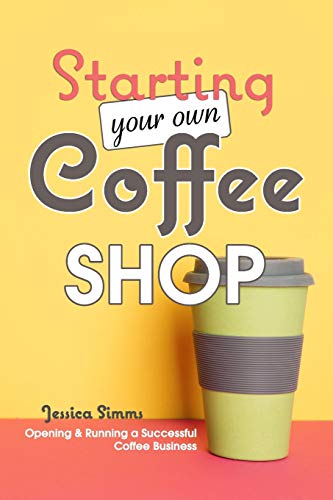
Starting Your Own Coffee Shop

The Whole Business of Beans

Coffee: A Guide to Buying, Brewing, and Enjoying
A Closer Look At Each Pick
Mark Roberts takes a wallet-first approach to the bean world, focusing on custom roasting services that promise quality without the boutique markup. For newcomers who want better-than-supermarket coffee without committing to expensive gear, the concept of paying a roaster to handle the trickiest variable (the roast itself) is genuinely liberating.
The book leans into subscription-style ordering, scheduled delivery, and personalized gifting options, which makes it feel more like a buying playbook than a brewing manual. Most readers get the most value from chapters on negotiating pricing and choosing roast profiles, though anyone hoping for deep extraction theory will need to look elsewhere.
Useful Strengths
- Clear focus on getting premium taste at lower per-bag cost, a real win for daily drinkers
- Walks through choosing delivery method and scheduling so beginners avoid subscription mistakes
- Frames coffee as a customizable purchase rather than a fixed retail product
- Useful primer on roast levels, light, medium, and dark, with sensory cues for each
Trade Offs
- Limited guidance on home brewing equipment, so expect to pair it with a method-specific book
- Some content drifts into ordering logistics that more confident shoppers may find basic
- Subscription commitments can feel rigid for anyone wanting to test small batches first
Made For
Beginners who care more about the cup in their kitchen than the science behind it, especially anyone replacing a daily drive-through habit with home brewing.
Consider Something Else When
Pick up Coffee For Dummies instead, since it covers menu navigation and brew methods that this guide barely touches.
The Coffee Formula’s entry is part caffeine manual, part training journal, aimed at people who treat coffee as a performance tool rather than a morning ritual. The book unpacks timing doses around workouts, recovery windows, and focus demands, all framed through the lens of someone training seriously several times a week.
Where Coffee For Dummies teaches you to order, Grind & Gain teaches you to dose. You get practical intake timing around running or lifting sessions, plus an honest look at what caffeine does (and doesn’t do) for endurance and reaction time. Runners and lifters will find the most useful nuggets, while casual drinkers may skim more than they absorb.
Positive Takeaways
- Treats coffee as fuel, which helps beginners justify a quality upgrade for measurable performance gains
- Includes timing strategies so caffeine lands before training rather than during a post-lunch slump
- Covers tolerance management, a real concern for anyone building a daily habit
- Frames hydration and recovery alongside caffeine intake, a balanced approach
Points To Note
- Heavily skewed toward exercisers, so casual home drinkers may find the focus narrow
- Doesn’t teach much about flavor or origin, so consider pairing it with a tasting-focused read
- Some readers may find the science-heavy approach denser than a typical beginner’s book
Right Fit For
Active people building a training routine who want their morning cup to actively support their goals rather than just wake them up.
Look Elsewhere When
The Whole Business of Beans makes more sense, since it walks through roast and flavor fundamentals that this book treats as secondary.
Major Cohen’s title does what the Dummies series does best: it lowers the barrier. You’ll learn to read a menu without panic, distinguish a latte from a flat white, and pick up the vocabulary to order with confidence even at specialty shops where baristas speak in roast dates and extraction yields.
The book goes beyond ordering, covering how to evaluate different roasts or brews and where to find real value through store apps. For absolute beginners who feel intimidated by cafe culture, this is a comfortable, low-pressure starting point that treats curiosity as the main prerequisite.
Everyday Wins
- Decodes coffee jargon into plain English, which removes the anxiety of sounding uninformed
- Walks through ordering customizations, like half-cap with low-fat milk, without judgment
- Highlights the best store apps to save money, useful for any regular cafe visitor
- Profiles lesser-known coffee pioneers, adding a human story to the category
Minor Gripes
- Covers more cafe culture than deep home brewing, so dedicated home roasters may want a second read
- Some store-app recommendations may shift over time as retailer programs change
Quick Facts
Who It Suits Best
Anyone who feels out of their depth at a specialty cafe and wants a friendly, judgment-free introduction to the world of coffee.
Where Another Pick Suits Better
Kenneth Davids’s Coffee: A Guide to Buying, Brewing, and Enjoying fits better once you’ve outgrown the basics and want real depth.
Stella Perry’s first entry in this list straddles dream and execution, charting the path from cafe customer to cafe owner. The book focuses on practical fundamentals: choosing a location, understanding where beans come from, and grasping the sourcing relationships that shape your menu before you ever sign a lease.
For aspiring shop owners, the early chapters on sourcing do double duty as a beginner’s lesson in coffee itself, since you can’t run a good cafe without understanding what you’re selling. It’s a niche pick, but a focused one.
Positive Points
- Frames sourcing as foundational, which helps beginners see coffee quality as a business asset
- Walks through location selection with practical considerations, foot traffic, lease terms, and neighborhood fit
- Doubles as a tasting primer, since understanding origins sharpens any home brewer’s palate too
Honest Caveats
- Strongly skewed toward entrepreneurship, so casual drinkers get little direct value
- Light on financial planning specifics, which is critical for anyone self-funding an opening
- Real estate availability and cost shift by city, so some advice requires local interpretation
Best Suited To
Dreamers mapping their first cafe who want a realistic primer on what opening week actually demands.
Reach For A Different Pick When
Starting Your Own Coffee Shop by Jessica Simms is the better choice if you want a fuller operations manual beyond the opening moment.
Jessica Simms’s book picks up where Perry’s leaves off, focusing less on the dream and more on the daily mechanics of running a cafe. The book covers opening logistics, staffing considerations, and the steady habits that separate cafes that survive their first year from those that don’t.
For a reader who’s already past the inspiration stage and wants concrete next steps, this is a useful companion. The hospitality-focused lens feels practical rather than motivational, which most early-stage owners will appreciate.
What Stands Out
- Frames coffee shop ownership as an ongoing practice, not a single grand-opening event
- Useful for first-time owners who want to understand daily operations before hiring a team
- Strong hospitality focus that helps beginners think about customer experience fundamentals
Small Caveats
- Doesn’t dig into supplier relationships the way some operations-focused readers may want
- Light on digital ordering and delivery economics, a growing share of cafe revenue
- Local licensing rules vary widely, so confirm specifics with your city or county
Feature Snapshot
Who Will Love This
Entrepreneurs who already have a location in mind and want a steady operations manual to follow once the lease is signed.
Not Your Match When
From a Great Dream to Grand Opening by Stella Perry is a better fit if you want more support through the early idea stage.
Stella Perry’s second book in this roundup flips the script, offering a bean-first education that treats coffee knowledge as the gateway to any business idea. The book covers bean basics, roasting and brewing methods, and how to translate that knowledge into products customers will return for.
You don’t need a business plan to enjoy this one. Plenty of home brewers will appreciate the deep dive into why beans taste the way they do, then quietly file away the cafe-launching chapters for later.
The Practical Payoff
- Strong foundation in bean sourcing and roast profiles that improves home brewing immediately
- Explains brewing methods side by side, so beginners can match equipment to taste preference
- Builds toward a business mindset without forcing the reader to commit to opening anything
- Useful both for curious drinkers and serious planners
Practical Considerations
- Covers many topics at surface level, so specialists may want a deeper single-subject book
- Bean freshness and storage guidance is general; roasted coffee is best used within a few weeks of the roast date for peak flavor
The Right Fit
Curious home brewers who want to understand the why behind their cup before deciding whether a business idea is even worth pursuing.
Swap It Out When
Coffee: A Guide to Buying, Brewing, and Enjoying by Kenneth Davids is the better pick for readers who want expert-level depth on buying and brewing specifically.
Kenneth Davids has spent decades shaping how serious coffee drinkers think about quality, and this Kindle edition distills that experience into an accessible reference. The book treats buying, brewing, and tasting as one continuous practice rather than three separate skills.
Beginners who commit to this read will graduate with a sharper palate and a more confident relationship with roasters, retailers, and recipes. It’s the densest pick on this list, and the one most likely to stay on a nightstand rather than a shelf.
Useful Highlights
- Builds evaluation skills that turn casual drinkers into thoughtful tasters
- Connects buying decisions to brewing outcomes, helping beginners avoid mismatched gear
- Authored by a recognized coffee authority whose work has shaped the specialty coffee conversation for years
- Works as a long-term reference rather than a one-time read
A Few Limitations
- Denser than the other titles here, so casual readers may need patience in early chapters
- Assumes some interest in evaluation vocabulary, which absolute beginners may need to build gradually
- Some equipment recommendations reflect classic setups; check current retailer listings for the latest models
Spec Overview
Whose Shelf It Belongs On
Devoted hobbyists who want depth, longevity, and a reference they’ll return to as their taste and gear evolve.
Skip It When
Coffee For Dummies makes more sense if you want a friendlier ramp-up before tackling something this thorough.
Choosing Your First Coffee Book Without Overthinking It
The right pick depends on what kind of beginner you actually are. Someone replacing a daily cafe habit needs different guidance than someone dreaming of opening a roastery, and the books here split naturally into three lanes.
Lifestyle, Brewing, or Business?
For everyday cafe confidence, Coffee For Dummies is the gentlest on-ramp. It treats ordering and tasting as the entry point, which matters because most beginners feel their anxiety at the counter, not the kitchen counter. For home brewing depth, Coffee: A Guide to Buying, Brewing, and Enjoying is the longer, more committed read that rewards patience. If your goal is performance-driven coffee use, Grind & Gain narrows the focus to caffeine as fuel.
When the Goal Is Opening a Shop
Three picks lean toward business. From a Great Dream to Grand Opening covers the early idea and location phase. Starting Your Own Coffee Shop extends into daily operations. The Whole Business of Beans bridges hobby and commerce, useful whether or not you ever sign a lease. Pairing any two of these gives you a fuller picture than relying on one.
Specialty Niches Worth Considering
The Great Coffee for Less guide suits anyone whose first question is, “How do I pay less for better beans?” It’s a money-saver read, not a brewing manual, so treat it accordingly.
Key Considerations Across These Picks
Traps First Timers Fall Into
A common mistake is grabbing a beginner book that assumes you already care about coffee, which leads to early chapters feeling like homework. The honest read is that the friendliest on-ramps are the ones that meet you where you actually drink coffee, whether that’s a drive-through, a fancy espresso bar, or your kitchen counter. Pick a book whose first chapter feels welcoming, not intimidating.
What The Higher Tier Buys
Books like Kenneth Davids’s guide cost more of your time, but that investment translates into vocabulary, evaluation skill, and a sharper palate that cheaper reads can’t match. For most beginners, starting with a primer and upgrading once curiosity solidifies is the smoother path than diving into the densest option first. The upgrade earns its place when you start noticing flavor differences on your own, rather than reading about them.
Frequently Asked Questions
What is the best coffee book for a complete beginner?
Coffee For Dummies is widely considered the most approachable starting point for absolute newcomers because it explains ordering, roasting, and tasting in plain language.
Should I read a coffee book before buying equipment?
Yes, learning about roast levels and brew methods helps you match gear to your taste rather than buying based on aesthetics alone.
Do I need a business book to start a coffee shop?
A business-focused read like Starting Your Own Coffee Shop helps you understand daily operations, but pair it with sourcing knowledge to avoid menu missteps.
Are Kindle coffee books worth it compared to print?
Kindle editions offer portability and adjustable text, which suits commuters and casual readers; print versions work better for marking up recipes.
How long does it take to feel confident with coffee basics?
Most beginners report noticeable confidence after a few weeks of reading and tasting side by side, with sharper evaluation skills developing over several months.
Wrap Up
The best starting point is whichever book matches the kind of coffee drinker you already are, not the one you imagine becoming. Read for curiosity first, then let the deeper guides earn their place once your palate catches up with your interest. Coffee rewards patience more than speed, and these reads are a comfortable way to begin.
