

Brazil’s coffee belt produces more arabica than any country on earth, so finding the right bag means sorting through genuine variety rather than chasing a single style. A solid Brazilian coffee tends to bring a rounded body, a nutty sweetness, and just enough chocolate to feel familiar without tipping into bitterness. Some blends lean into that cocoa backbone, others let citrus and stone fruit carry the cup, and a few go dark and smoky for early-morning drinkers who want intensity.
The shortlist below pulls together a mix of single-origin Brazilians, blends that lean on Brazilian beans, and a few decaf and cold-brew options for different routines. Every pick here is built around how you actually drink coffee: weekday drip, weekend pour-over, or a slow cold brew steeping in the fridge.
The Shortlist At A Glance

Yaucono Ground Coffee, Medium Roast, Puerto Rico, 14 oz Bag

Black Rifle Coffee Company CAF, 5 lb Bag, Ground Coffee Medium Roast

Kicking Horse Coffee, Kick Ass, Dark Roast, Whole Bean, 2.2 Lb

Kicking Horse Coffee, Three Sisters, Medium Roast, Whole Bean, 2.2 Lb
Morning drip and Chemex brewers

Tiny Footprint Nicaragua Segovia Dark Roast Whole Bean, 3 Lb

Tiny Footprint Nicaragua Segovia Dark Roast Ground, 16 Oz

Kicking Horse Decaf Dark Roast Whole Bean, 10 Oz

Tiny Footprint Organic Cold Press Elixir Cold Brew Whole Bean, 3 Lb
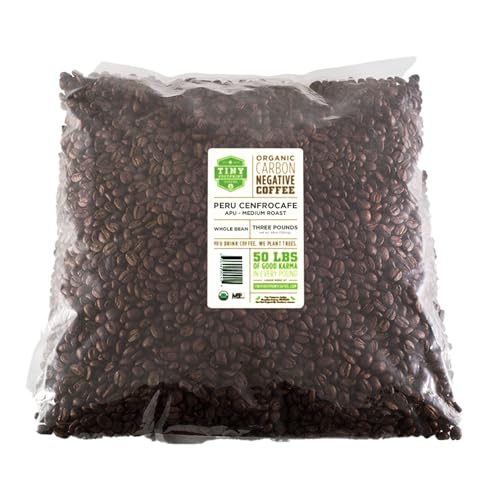
Tiny Footprint Fair Trade Peru APU Medium Roast Whole Bean, 3 Lb

Tiny Footprint Organic Signature Blend Light Roast Whole Bean, 3 Lb
A Closer Look At Each Pick
Yaucono has anchored Puerto Rican kitchens for decades, and this medium-roast ground version keeps that tradition simple and approachable. The bag opens to a familiar nutty aroma, and the grind lands fine enough for standard drip machines and stovetop moka pots without needing a burr grinder at home.
The cup leans smooth and balanced rather than heavy, with a mild sweetness that plays nicely with or without milk. You may find the profile a touch understated next to the darker Brazilian roasts further down this list, but that’s the point: it’s a no-fuss daily pour that doesn’t try to compete with your breakfast.
Useful Highlights
- Pre-ground texture works in drip brewers and moka pots without extra prep.
- Medium roast profile stays approachable for guests who take it black or with milk.
- 14 oz bag size suits small households that finish coffee within a few weeks.
- Balanced body avoids the burnt edge that catches some dark-roast drinkers off guard.
Things To Consider
- Ground format loses aroma faster than whole bean once the bag is opened.
- Flavor reads mild if you typically drink espresso-forward or smoky roasts.
Made For
Anyone wanting a no-fuss daily drip coffee that won’t overwhelm the cup, especially in a small household that finishes a bag within a few weeks.
Look Elsewhere When
Kicking Horse Three Sisters is a better match if you want a brighter, more complex medium-roast cup with a touch more fruit in the finish.
Black Rifle Coffee Company’s CAF blend pulls arabica beans from both Colombia and Brazil, giving you a balanced cup with extra caffeine designed for long days. The 5-lb bag is sized for serious drinkers, shared offices, or anyone who’d rather not reorder every other week.
On the palate, you get smoky maple and milk chocolate notes sitting on top of that Brazilian sweetness, with enough body to stand up to cream and sugar. Compared to the Yaucono above, this one pushes bolder and a little heavier, and the larger format rewards people who actually go through beans quickly.
The Helpful Details
- 5-lb bulk format keeps an office or large household stocked for weeks.
- Higher caffeine content suits long shifts and early commutes.
- Colombian and Brazilian arabica blend gives a balanced, full-bodied cup.
- Pre-ground texture works in drip brewers without a grinder.
- Smoky maple and milk chocolate notes complement cream and sugar.
Worth Noting
- Bulk size loses freshness faster once opened; a sealed container helps.
- Higher caffeine may feel strong for casual afternoon drinkers.
- Ground format is less flexible than whole bean for pour-over dialing.
Feature Snapshot
Who It Suits Best
Heavy-brew households, shared workspaces, and anyone who wants bolder caffeine lift without giving up Brazilian-style sweetness in the cup.
Skip It When
Tiny Footprint Peru APU is a better fit if you prefer single-origin clarity and a cleaner, more citrus-forward finish in your daily cup.
Kick Ass is the bag that put Kicking Horse on the map, and it still delivers a confident dark-roast profile that holds its own against fancier specialty roasts. Roasted in the Canadian Rockies, the whole-bean format keeps the aromatics sealed until you’re ready to grind, which makes a real difference on brew day.
The cup leans heavy on chocolate malt, molasses, and a touch of licorice, with a smoky, earthy finish that lingers. Where Yaucono reads gentle, this one walks into the kitchen like it owns the place, and the 2.2 lb bag keeps the grinder busy for a solid month of daily brewing.
Bright Spots
- Whole-bean format protects aroma until you’re ready to brew.
- Chocolate malt and molasses notes give the cup serious dessert-like depth.
- Organic, Fairtrade, and Kosher certifications cover most dietary preferences.
- 2.2 lb size balances freshness with enough volume for daily drinkers.
Trade Offs
- Dark roast profile can taste bitter if your water temperature runs hot.
- Requires a grinder, which adds setup time on rushed mornings.
Right Fit For
Drinkers who want a bold, smoky morning cup with real chocolate weight, especially if you already own a burr grinder and brew French press or pour-over.
A Better Fit Elsewhere
Kicking Horse Three Sisters is the smarter pick if a bright, fruit-led medium roast matches your morning palate better than dark, smoky intensity.
Three Sisters is Kicking Horse’s brighter, more playful sibling, and it lands beautifully for anyone who finds Kick Ass a little too smoky in the morning. The medium roast keeps the cup lively while still carrying enough body to feel substantial in a Chemex or AeroPress.
You get stone fruit and cocoa notes with a clean finish that doesn’t weigh down your palate. Compared to the CAF blend, there’s no extra caffeine here, just a cleaner, more articulate cup that rewards drinkers who taste their coffee carefully.
What Works In Its Favor
- Stone fruit and cocoa notes add complexity without heavy roast bitterness.
- Medium roast profile suits black coffee drinkers who want clarity.
- Organic and Fairtrade certifications align with ethical-sourcing shoppers.
- 2.2 lb bag supports several weeks of daily grinding.
- Whole-bean format preserves aromatics far better than pre-ground options.
Small Caveats
- Lighter body may feel thin next to dark-roast drinkers used to heftier cups.
- Stone fruit character can read unusual to drinkers used to plain chocolatey coffees.
Quick Facts
Best Suited To
Pour-over and Chemex brewers who want a bright, fruit-led cup with enough cocoa to stay grounded for everyday drinking.
Consider Something Else When
Tiny Footprint Peru APU is a worthy alternative if you prefer single-origin clarity and want citrus acidity to take the lead in the cup.
Tiny Footprint’s Nicaragua Segovia dark roast brings the conversation back to single-origin coffee, with arabica beans sourced through the PRODECOOP cooperative. The carbon-negative claim is genuine, meaning the company plants trees to offset roasting emissions, which makes this an easy pick for drinkers who care about supply chain impact.
The cup shows off chocolate roast tones layered with apricot, fig, and a gentle spice note that brightens the finish. It drinks bigger than Three Sisters and softer than Kick Ass, landing in a comfortable middle ground for everyday brewing.
The Practical Payoff
- Single-origin clarity showcases the cooperative’s distinctive terroir.
- Carbon-negative footprint appeals to eco-conscious shoppers.
- 3 lb bag format delivers strong value for daily drinkers.
- Apricot and fig notes add fruit dimension to a dark roast profile.
Points To Note
- 3 lb bag risks staleness in slow households; a sealed container helps.
- Dark roast can read ashy if your brewing water runs too hot.
Whose Shelf It Belongs On
Daily drinkers who want a carbon-negative dark roast with enough fruit character to keep the cup interesting cup after cup.
Reach For A Different Pick When
Kicking Horse Kick Ass is the better move if you want a darker, more chocolate-forward roast without the fruit-led lift this one offers.
This is the same Nicaragua Segovia coffee from Tiny Footprint, just pre-ground for people who’d rather skip the morning grinder routine. If the 3 lb whole-bean version above felt like too much commitment, this smaller ground format delivers the same flavor profile in a more compact bag.
The cup carries the same chocolate base with apricot and fig highlights, brewed straight into a drip machine or French press. Trade-off shows up the moment you open the bag: ground coffee loses aromatic complexity faster than whole bean, so finishing it within a few weeks really matters.
The Upside
- Pre-ground texture drops into drip brewers with zero extra prep.
- 16 oz bag size fits one-to-two-person households comfortably.
- Same PRODECOOP cooperative sourcing as the whole-bean sibling.
- Carbon-negative footprint stays consistent across the product line.
Honest Caveats
- Pre-ground format loses aroma faster once the bag is opened.
- Smaller bag means more frequent reorders than the 3 lb sibling.
- Grind size is fixed, so pour-over dialing is limited.
Perfect Match For
Office pantries and one-or-two-person households that run an auto-drip machine and want a low-fuss dark roast with ethical sourcing.
Not Your Match When
Tiny Footprint’s 3 lb whole-bean version is the better buy if you want longer-lasting freshness and the flexibility to grind for different brew methods.
Decaf has earned a quiet reputation for tasting like disappointment, and Kicking Horse built this bag specifically to push back against that. The Swiss Water Process removes caffeine using water and natural filters rather than chemical solvents, so the cup keeps more of the original bean character.
The result reads as roasted hazelnut, soft chocolate, and a long, smooth finish that holds its own next to the caffeinated Kick Ass. The 10 oz bag is on the small side, but for late-day drinkers who finish a pot over an evening, that’s actually the right size.
Where It Excels
- Swiss Water Process avoids chemical solvents in decaffeination.
- Dark roast body holds up to milk for evening dessert coffees.
- Organic and Fairtrade certifications match the rest of the Kicking Horse line.
- 10 oz format suits slow evening drinkers who don’t need bulk volume.
Soft Spots
- Decaf profile can never fully match the aromatic depth of caffeinated beans.
- 10 oz bag requires more frequent reorders for daily drinkers.
Feature Card
Who Will Love This
Late-day drinkers who want a full-bodied dark roast without the caffeine, especially anyone avoiding chemical solvent decaffeination.
Swap It Out When
Yaucono is a friendlier evening option if you want a lighter medium-roast profile and an even more affordable price per ounce.
Cold brew takes a different roast strategy than hot coffee, and Tiny Footprint’s Cold Press Elixir is built specifically for that slow-steeped cup. The blend pulls from light and dark roasts plus a touch of Ethiopian coffee, which gives the final cold brew a wider flavor range than a single roast could manage.
After 12 to 18 hours in cold water, the result is sweet and silky, with bright fruit and floral notes wrapped in a cocoa-like body. You may find it undersized in a single-origin comparison, but for weekend cold brew rituals, the layered approach is genuinely smart.
Notable Gains
- Multi-roast blend produces a balanced cold brew with real depth.
- Sweet, silky body avoids the bitter edge that single-origin cold brews sometimes hit.
- Organic and Fairtrade certifications align with cold-brew enthusiasts who care about sourcing.
- 3 lb bag format supports regular cold brew makers for weeks.
Where It Is Less Suited
- Built specifically for cold brew; not ideal for hot drip brewing.
- Whole-bean format requires a grinder coarse enough for immersion brewing.
Built With In Mind
Weekend cold brew drinkers who want a layered, low-acid cup without the bitterness that single-origin beans sometimes bring to a long steep.
Where A Sibling Pick Shines
Tiny Footprint Peru APU works better if you want a single-origin coffee that handles both hot pour-over and cold brew without a specialized blend.
Peru APU is the cleanest cup in Tiny Footprint’s lineup, sourced through the Cenfrocafe cooperative and built around clarity rather than heavy body. The medium roast lets soft caramel sweetness sit alongside a measured citrus acidity, finishing clean and bright.
Pour-over brewers get the most out of this one, where the cup’s elegance can actually shine. Where the Nicaragua Segovia leans chocolate and dark fruit, Peru APU tilts toward light caramel and gentle citrus, which makes it feel like a different animal entirely.
Positive Points
- Single-origin clarity showcases the Cenfrocafe cooperative’s distinctive character.
- Citrus acidity lifts the cup without tipping into sourness.
- Carbon-negative footprint aligns with eco-conscious shoppers.
- 3 lb bag format delivers strong value for daily pour-over drinkers.
Practical Considerations
- Lighter body may feel thin to drinkers who prefer full-bodied dark roasts.
- Citrus character can taste unusual to those used to chocolate-forward cups.
Right Fit For
Pour-over enthusiasts who want a clean, citrus-led cup with caramel sweetness and a soft, bright finish on the palate.
Where Another Pick Suits Better
Kicking Horse Three Sisters is a stronger daily drinker if you want similar complexity but with a touch more chocolate weight in the cup.
The Signature Blend closes out this list with Tiny Footprint’s lightest option, and it works as a counterweight to the dark, smoky cups earlier in the lineup. The light roast keeps the cup bright and layered, with lemon and orange notes carrying most of the flavor and a touch of cocoa holding everything together at the finish.
Beans are sourced seasonally from across the coffee belt, which means the exact flavor profile shifts a bit from batch to batch. That’s actually a feature for drinkers who enjoy tracking how origin affects cup character from one delivery to the next.
The Good Stuff
- Light roast preserves citrus brightness and aromatic lift.
- Seasonal sourcing brings variety from one delivery to the next.
- Organic and carbon-negative credentials run through the whole product line.
- 3 lb format keeps dedicated light-roast drinkers stocked for weeks.
A Few Limitations
- Light roast profile may taste sour to drinkers who expect darker body.
- Seasonal sourcing means flavor can shift slightly between batches.
Best Suited To
Light-roast devotees and pour-over brewers who want a bright, citrus-led cup with just enough cocoa to keep the finish grounded.
Another Choice May Suit
Tiny Footprint Peru APU is the right swap if you want single-origin clarity rather than a seasonal multi-origin blend in your morning cup.
What Matters When Shopping for Brazilian Coffee
Roast Level Sets the Whole Tone
Brazilian coffee covers a wide roast range, and where the beans fall on that spectrum drives most of the cup experience. Light roasts keep citrus and floral notes front and center, which rewards pour-over and drip methods with delicate, tea-like clarity. Medium roasts bring a balanced body with chocolate and caramel notes, and they tend to work for nearly any brewing method, which makes them the easiest starting point for new drinkers. Dark roasts push the bean toward smoky, bittersweet territory and tend to shine in French press, moka pot, or with milk, where the heavier body can stand up to dilution.
For most daily drinkers, a medium roast hits the most comfortable spot. Specialty drinkers chasing origin character usually tilt lighter, while heavy-brew households tend to stock darker roasts. Picking roast level first, then format, tends to keep the decision from spiraling.
Format Choices: Whole Bean vs. Ground
Whole bean coffee keeps aromatic compounds sealed inside the bean until you grind, which is why freshly ground coffee almost always smells and tastes more vivid. The trade-off is the extra step: a burr grinder, a minute of setup, and a bit of cleanup. For daily drinkers who already own a grinder, whole bean is almost always the better buy because the cup improvement is real and immediate.
Pre-ground coffee trades that freshness for convenience. It’s a strong fit for auto-drip machines, office pantries, and rushed mornings where the grinder simply isn’t happening. The catch is that ground coffee loses aromatic complexity within weeks once the bag is opened, so smaller bag sizes often make more sense for casual drinkers.
Origin, Certifications, and Sourcing
Brazilian coffee often appears as a single origin or as part of a multi-origin blend. Single origins give you a more distinctive flavor tied to a specific region or cooperative, while blends smooth out variability and tend to land in a more predictable, balanced place. Both approaches have their place, and neither is automatically better.
Certifications like Organic, Fairtrade, and Shade-Grown signal how the coffee was farmed and how the supply chain is structured. For drinkers who care about environmental impact, ethical labor practices, or specific dietary rules (Kosher certifications, for example), these labels matter at least as much as flavor notes. Tiny Footprint’s carbon-negative claim adds a tree-planting offset on top of the certifications, which is a real differentiator in this category.
Smart Buying Habits for This Category
Traps First Timers Fall Into
First-time Brazilian coffee shoppers often pick the cheapest bag or the most attractive label, then feel underwhelmed by the cup. The smarter move is matching the roast level to the brewing method before anything else, because a great light-roast bean brewed too long in a French press will taste thin and sharp, while a dark roast brewed in a delicate pour-over will come out heavy and bitter.
Another common misstep is buying too much. A 5-lb bag might look like strong value, but if you don’t finish it within a month or two, the later cups will taste stale. Smaller, more frequent purchases keep every bag within its freshness window.
What The Higher Tier Buys
Premium coffee in this category isn’t paying for marketing. Higher-tier bags typically bring tighter sourcing relationships, more transparent certifications, fresher roast dates, and single-origin clarity that mass-produced blends simply can’t match. Carbon-negative programs and direct trade premiums also go into the higher price tag, which matters if those values align with your priorities.
For casual daily drinkers, mid-tier blends like Kicking Horse Three Sisters or Yaucono deliver genuine quality without premium pricing. For pour-over enthusiasts, single-origin bags like Tiny Footprint Peru APU justify the upgrade because the cup actually shows where the extra money went. The right tier depends on how closely you taste the cup and how much the sourcing story matters to you.
Frequently Asked Questions
What roast level works best for Brazilian coffee?
Medium roasts are the most flexible option for daily drip brewing, while light roasts reward pour-over and dark roasts fit French press or moka pot. Pick the roast level that matches your brewing method first, and the cup will improve right away.
Is whole bean really better than pre-ground?
Whole bean preserves aromatic compounds inside the bean until you grind, so freshly ground coffee almost always smells and tastes more vivid. Pre-ground is a fair trade-off if you skip the grinder on busy mornings, but smaller bag sizes help limit staleness.
What does “Fairtrade” or “Organic” actually change?
Fairtrade certification signals that the cooperative received a guaranteed minimum price plus a premium for community investment. Organic certification means the coffee was grown without synthetic pesticides or fertilizers. Both are meaningful for ethical shoppers, though neither guarantees a specific flavor profile.
How long does an opened bag stay fresh?
Once opened, whole bean coffee stays fresh for roughly three to five weeks in a sealed container away from sunlight. Pre-ground coffee loses aromatic complexity faster, often within two to three weeks, which is why smaller bag sizes work better for casual drinkers.
Can I use these beans in any brewing method?
Yes, but the grind size and roast level need to match the method. Coarser grinds suit French press and cold brew, medium grinds work for drip, and fine grinds fit espresso and moka pot. Adjusting grind and dose is how you get the best cup from any bean on this list.
Closing Remarks
The right Brazilian coffee comes down to matching roast level and format to how you actually brew, then letting origin character do the rest. Start with a medium roast if you drink coffee every morning across multiple methods, and reach for a single origin when you want to taste what a specific region can do. Your grinder, your water, and your routine matter just as much as the bag you pick.
