

Kenya’s coffee scene earns its reputation for a reason: high-elevation Arabica beans grown in volcanic soil, carefully washed and dried under African sun. The result is a cup that lands somewhere between bright citrus, ripe berry, and a deep, wine-like finish. A good Kenyan roast feels like sunshine in liquid form, and the right grind style can pull even more from every bag.
You don’t have to be a roaster or a taster to notice the difference. Whether you brew with a French press at home, rely on a single-serve machine at the office, or just want something tastier than the supermarket standard, this shortlist covers a wide spread of roasts, formats, and price tiers. Most of the picks come from a single East African brand with deep farmer ties, but a few out-of-category options round things out for the adventurous.
The Choices Worth Comparing
The Choices Worth Comparing

Kahawa 1893 Whole Bean Medium Roast Safari Blend 12 Oz

Kahawa 1893 Whole Bean Dark Roast Serengeti Blend 24 Oz

Kahawa 1893 Whole Bean Medium Roast Kenyan Blend 24 Oz

Kahawa 1893 Ground Medium Roast Chai Spice Coffee 12 Oz

Kenco Freeze Dried Smooth Coffee 750 g

Kahawa 1893 Dark Roast K-Cup Pods Serengeti Blend 20 Count
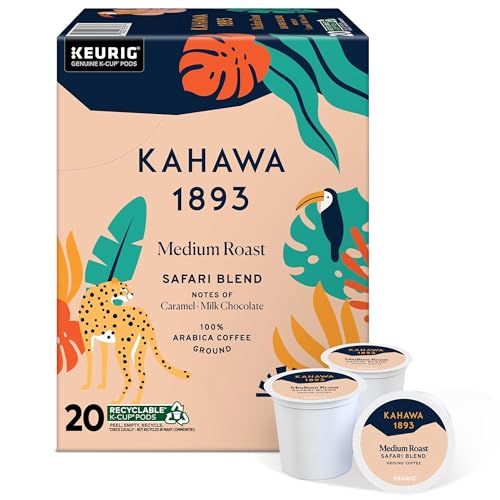
Kahawa 1893 Medium Roast K-Cup Pods Safari Blend 20 Count

Kahawa 1893 Coffee Bags Medium Roast Safari Blend 12 Bags

Horn of Africa Espresso Blend Kochere 12oz Ground

Lion Coffee 24K Gold Roast 100% Kona Ground 7 Ounce
A Breakdown Of The Leading Choices
Most mornings call for something fruity without being showy, and the Safari Blend fits that brief. The medium roast lands gently, so the natural sweetness of the East African beans shows through rather than getting buried under char. You taste caramel, milk chocolate, and a quiet hit of stone-fruit acidity that wakes up the cup without making it sour.
Whole-bean format gives you flexibility. Pour-over highlights the cleanest notes, while a standard drip machine keeps things simple on busy weekdays. You may find the 12-ounce bag disappears faster than you expect if two people share a pot every morning, so consider that as you weigh bag size against frequency.
Practical Advantages
- Roast level preserves origin character, so you taste the bean, not just the fire.
- Whole-bean format lets you grind fresh for stronger aroma in the cup.
- Medium body pairs with breakfast foods, pastries, and light lunches.
- Smaller 12-ounce bag suits households rotating between multiple roasts.
- Beans come from women farmers in East Africa, which adds traceability to your morning ritual.
Points To Keep In Mind
- Whole beans require a grinder, so drip-only households without one may want the ground alternatives later in this list.
- 12 ounces runs out quickly for households brewing two or more cups daily.
Quick Facts
Whose Shelf It Belongs On
Anyone exploring African coffee for the first time will find this Safari Blend gentle, friendly, and easy to brew in a standard drip or pour-over setup.
Where Another Pick Suits Better
Drinkers who want the boldest, most syrupy cup should reach for the Kahawa 1893 Serengeti Blend instead, since that dark roast leans into chocolate and molasses instead of fruit.
Where the Safari Blend leans bright, the Serengeti Blend walks the other direction. This dark roast pulls flavors toward chocolate and molasses, with a heavier mouthfeel that holds up well in milk-heavy drinks. The 24-ounce bag is built for households that actually drink coffee every day, not just on weekends.
Low acidity is the headline feature for sensitive-stomach drinkers. Dark roasting reduces some of the bright compounds that can trigger reflux, and this blend leans into that comfort-food profile. For most dark-roast fans, the body here feels closer to a Latin American espresso than a typical African coffee, which sets it apart from the medium options in this list.
The Helpful Details
- Low-acid profile suits drinkers who find brighter African coffees too sharp.
- Generous 24-ounce bag covers a few weeks of daily brewing.
- Chocolate and molasses notes pair naturally with cream, oat milk, or sugar.
- Whole-bean format preserves aromatics until the moment you brew.
Trade-Offs
- Dark roasting can mute the unique origin character that makes Kenyan coffee famous in the first place.
- The 24-ounce bag is bulky, and once opened, the beans need to be used within a few weeks for peak flavor.
Best Suited To
People who prefer a heavy, comforting cup of dark roast and want a bag big enough to last through a busy workweek without restocking.
Swap It Out When
Drinkers craving the bright blackcurrant notes that made Kenyan coffee famous will find more of that signature in the Kahawa 1893 Medium Roast Kenyan Blend further down the list.
This is the most direct expression of what makes Kenyan coffee special. The medium roast holds the bean’s natural vibrancy, and the cup leans heavily on blackcurrant and apricot notes rather than the caramel-milk-chocolate profile of the Safari Blend. Anyone who has tasted a high-end Kenyan AA at a specialty café will recognize the same flavor signature here.
The 24-ounce bag is the largest in the lineup, which makes it the right pick for daily drinkers who want a single bag to anchor the week. Pour-over brings out the cleanest fruit notes, while a French press adds body if you prefer a thicker texture. The trade-off shows up in the cup itself: bright coffees like this can feel polarizing, and some guests may ask for milk where Safari drinkers rarely do.
Strong Points
- Blackcurrant and apricot notes are the closest match to classic specialty Kenyan coffee.
- 24-ounce bag is the most economical whole-bean option in the lineup for daily use.
- Medium roast preserves origin character, so the bean terroir is the star.
Less Ideal Details
- Bright acidity can taste sharp to drinkers used to darker, heavier roasts.
- Whole beans require a burr grinder for best results, which adds an upfront cost for some households.
Perfect Match For
Flavor-focused drinkers and home-brewing enthusiasts who want the textbook Kenyan cup and don’t mind the brighter, fruitier profile.
Look Elsewhere When
Coffee drinkers who prefer a heavier, chocolate-driven cup will find the Kahawa 1893 Serengeti Blend dark roast a more comfortable match.
Most African coffee blends stick to the bean’s natural flavor, but the Chai Spice option takes a turn toward warm baking spices. Cinnamon, cardamom, and clove build a cup that feels closer to a chai latte in spirit, even before you add milk. Ground format means you can brew it in any standard drip or pour-over without pulling out a grinder.
This blend is a winter-morning favorite, and it also works as a dessert pairing for cinnamon rolls, spice cake, or breakfast pastries. The trade-off is the spices themselves, which can overwhelm the origin notes. If you are drinking this hoping to taste Kenyan terroir specifically, you will find the spicing is doing most of the talking instead.
What Makes Sense
- Pre-ground format removes the need for a home grinder, which simplifies busy mornings.
- Spice profile suits cold weather, holidays, and breakfast pastry pairings.
- Medium roast base keeps the cup balanced rather than smoky or bitter.
Small Caveats
- Strong spicing can mask the origin character that makes other Kenyan picks special.
- Pre-ground coffee loses aroma faster than whole bean once the bag is opened.
Who Should Grab It
Chai fans and anyone craving a spiced, warming cup on a cold morning will appreciate the shortcut of having cinnamon, cardamom, and clove already built in.
Reach For A Different Pick When
Drinkers who want to taste the natural blackcurrant character of East African beans will get more of that signature from the Safari Blend medium roast.
Instant coffee gets a bad reputation, but freeze-dried granules like Kenco’s Smooth Coffee occupy a useful middle ground. The resealable tin keeps the granules fresh, and a 750-gram size covers a long stretch of office or household use. The roast leans mild, so the cup comes out clean rather than sharp, which works for shared kitchens where people have different taste preferences.
This isn’t a craft-coffee experience, and that’s the point. Hotel-room mornings, office pantries, and travel bags all benefit from coffee that doesn’t require a brewer. The honest read is that this is the most convenient pick in the roundup, but it’s also the one least likely to showcase any East African origin character, since freeze-drying tends to flatten nuance.
Why It Works Well
- Freeze-dried format means no brewing equipment, which suits travel, offices, and dorm rooms.
- 750-gram tin covers heavy daily use across a household or small team.
- Smooth, mild roast appeals to a wide range of drinkers without polarizing anyone.
- Resealable tin helps granules stay fresh between uses.
A Few Limitations
- Freeze-drying tends to mute the bright, fruity notes that define East African coffees.
- Large tin is bulky and not ideal for tight pantry shelves or small kitchens.
Built With In Mind
Office managers, frequent travelers, and anyone who just wants a fast, no-fuss cup will get solid mileage out of this tin.
Skip It When
Anyone seeking a true single-origin African experience will find the Kahawa 1893 Safari Blend a much more rewarding cup to brew at home.
Keurig owners don’t have to miss out on East African coffee flavor. The Serengeti Blend pods wrap that same dark-roast chocolate-and-molasses profile into a single-serve format. The pods work with Keurig and Keurig 2 machines, and the dark roast keeps the cup grounded rather than acidic, so it plays well with cream or sweetener.
Single-serve pods trade some freshness for convenience, and the taste here is no exception. Compare that to the freshly ground whole-bean Serengeti option earlier, and the pods come across as a touch flatter, but still enjoyable. You may find that pods work best as a backup for rushed mornings rather than a full daily driver for serious coffee drinkers.
Noteworthy Benefits
- K-Cup format eliminates grinding, measuring, and cleanup in a single step.
- Dark roast profile keeps the cup smooth, even when brewed at typical Keurig temperatures.
- Pod count of 20 covers about three work weeks of single-cup mornings.
Where It May Fall Short
- Pods don’t capture the same depth as freshly ground whole-bean options earlier in this list.
- Single-serve format is more expensive per cup than brewing a full pot from a bag.
Feature Card
Who Will Love This
Keurig households and shared office kitchens where everyone wants a quick, predictable cup without brewing a full pot.
Not Your Match When
Drinkers chasing the brightest, fruitiest Kenyan profile will appreciate the Kahawa 1893 Safari Blend K-Cups or the whole-bean Kenyan Blend more.
The Safari Blend in K-Cup form gives Keurig owners the same balanced, caramel-and-milk-chocolate notes as the whole-bean version, just with single-serve convenience. The pods are designed to work across Keurig and Keurig 2 machines, and the medium roast keeps the cup approachable for households where some people prefer black coffee and others add cream.
Pods are also recyclable: peel, empty, and recycle the cup. The brand adds a digital tipping feature for the women farmers behind the beans, which gives the purchase a small ethical boost. You may find the pod format lacks the punch of the whole-bean Safari Blend, but the gap is smaller than you’d expect for the convenience gained.
A Favorable Mix
- Medium roast profile works for both black drinkers and cream-and-sugar drinkers in the same household.
- Recyclable pod design eases guilt for daily Keurig users.
- Compatible with Keurig and Keurig 2 machines, so most single-serve households are covered.
Honest Caveats
- Single-serve pods can taste a touch flat compared to the whole-bean Safari Blend.
- Per-cup cost adds up faster than brewing a full pot from a 12-ounce bag.
Made For
Shared kitchens and quick breakfast routines where Keurig convenience matters more than squeezing out every last drop of origin flavor.
A Better Fit Elsewhere
Anyone with a few extra minutes in the morning will find a noticeably more aromatic cup from the whole-bean Safari Blend option earlier in this roundup.
Coffee bags are a familiar idea executed for pour-over: pre-portioned grounds in a teabag-style pouch that steeps in hot water for about five minutes. The Safari Blend version delivers the same caramel and milk chocolate notes as the whole-bean and pod options, but with zero equipment needed beyond a mug and a kettle.
That portability is the headline. Travelers, campers, hotel-stayers, and anyone stuck in an office with a kettle and no coffee maker will appreciate the format. The catch is the same as instant coffee: pre-ground and pre-portioned, so the cup can’t reach the same depth as freshly ground beans. For most people, the trade-off is worth it when the alternative is bad hotel coffee or skipping caffeine entirely.
Real-World Strengths
- Steepable format works with any mug and hot water, no brewer required.
- About five minutes from kettle to cup, which fits busy mornings and travel days.
- Packaging suits gifting, since the boxes look polished next to the kettle on a counter.
Things To Weigh
- Pre-ground format can’t match the aroma of fresh-ground whole beans for daily use.
- Single-serving bags are more expensive per cup than brewing a pot from a larger bag.
Right Fit For
Frequent travelers, campers, and anyone in a kitchen with no coffee maker will find these bags a clean, no-equipment solution.
Consider Something Else When
Home drinkers with a grinder will enjoy the deeper, fresher cup from the whole-bean Safari Blend reviewed earlier in this list.
The Kochere Espresso Blend is a different branch of the African coffee family. The grind is set for French press use, which makes it a strong match for immersion brewing and home espresso experimentation. The flavor profile leans full-bodied with a heavy, rounded character that holds up well as a base for milk drinks.
This is the most adventurous pick in the roundup, and it works best for home baristas who already know what they want from a French press or espresso shot. The honest read is that this isn’t an everyday pick for casual drip drinkers, but it rewards a little brewing know-how. The 12-ounce bag is a sampler size rather than a stock-up option.
Everyday Wins
- Grind is tailored for French press and immersion brewing, removing guesswork for those setups.
- Full-bodied profile creates a sturdy base for milk-heavy drinks and espresso shots.
- Non-GMO sourcing adds a small quality-of-life plus for label-conscious shoppers.
Possible Compromises
- Grind style is too coarse for standard drip machines without a separate grinder at home.
- 12-ounce bag is small for daily drinkers and may run out within a week of heavy use.
Who It Suits Best
Home baristas and French press loyalists who want a full-bodied African-origin cup to anchor their morning ritual.
Where Another Pick Suits Better
Drip-machine households will find a more plug-and-play experience with the Kahawa 1893 Safari Blend whole-bean or K-Cup options earlier in this list.
Lion Coffee’s 24K Gold Roast is the curveball of the roundup. It’s 100% Kona, meaning every bean comes from Hawaii, not East Africa. The point of including it is simple: anyone comparing premium coffee experiences should know what a 100% Kona cup offers next to a Kenyan one. The medium-light roast keeps the bean character intact, and the cup leans smooth rather than smoky.
At 7 ounces, this is the smallest bag in the lineup, and it works best as a gift or special-occasion pick rather than a daily driver. You may find that this cup’s nutty, gentle profile makes an interesting contrast to the bright, fruity Kenyan options reviewed earlier. The trade-off is price-per-ounce, which runs higher than any other pick on this list, so it pays to treat it as an exploration rather than a staple.
Good Reasons To Consider
- 100% Kona is a genuine single-origin experience rather than a blend.
- Medium-light roast preserves delicate bean character without char.
- Vacuum-sealed packaging protects freshness between brews.
Some Limits To Know
- 7-ounce bag is small and not a practical choice for daily household use.
- Cost per ounce is the highest in the roundup, since 100% Kona commands a premium.
Who It Suits Best
Curious tasters and gift givers who want a special-occasion cup and a chance to compare Hawaiian and East African flavor profiles side by side.
Consider Something Else When
Anyone looking for a daily-driver Kenyan experience will get far more mileage from the Kahawa 1893 Kenyan Blend whole-bean option earlier in the list.
Picking The Right Cup For Your Kitchen
Roast Level And Bean Origin
Roast level does most of the talking in any coffee cup. Medium roasts tend to preserve origin character, which is why the Safari Blend and Kenyan Blend taste so distinctly East African. Dark roasts trade that brightness for body, sweetness, and lower acidity, which is why the Serengeti Blend suits sensitive stomachs and milk-heavy drinks. Choosing between them comes down to whether you want the bean’s natural flavor or a more roasted, comfort-driven cup.
Format And Brewing Setup
Your kitchen equipment shapes which format makes sense. Whole beans reward a burr grinder and a few extra minutes, while pre-ground coffee slots into any standard drip or pour-over without extra gear. K-Cup pods work for Keurig households, and steepable coffee bags travel well for hotels, campsites, and offices with kettles. Matching format to setup avoids wasted beans and bad cups.
Bag Size And Drinking Rhythm
A 24-ounce bag is built for daily drinkers, while a 12-ounce bag suits slower weekends or sampler exploration. Pre-portioned pods and bags are convenient, but per-cup cost adds up fast. For most households, the right answer is a balance: a larger whole-bean bag for everyday use, plus a smaller pod or bag option for rushed mornings and travel.
Sourcing And Trade-Offs
Single-origin African coffees carry more traceability than mass-market blends, and a few brands in this roundup include direct farmer-tip features. The honest trade-off is price per ounce, since smaller-batch roasts and ethical sourcing can cost more. If supporting women farmers or organic cultivation matters to you, factor that into the choice rather than focusing on cost alone.
Key Considerations Across These Picks
Mistakes Worth Dodging
A common slip-up is buying a dark roast and expecting the bright, fruity notes that make Kenyan coffee famous. Dark roasting mutes origin character, so anyone chasing that signature should look at medium-roast options instead. Another trap is grabbing pre-ground coffee expecting the same aroma as fresh-ground beans, which never quite holds up once the bag is open. Sticking with whole beans for daily brewing, and saving pre-ground formats for travel or office use, gives the best of both worlds.
When Paying More Pays Off
Higher-tier coffee in this category usually means larger bags, single-origin traceability, and ethical sourcing programs that send money back to farmers. The upgrade shows up in the cup as cleaner origin notes, more aromatic freshness, and a stronger sense of where the beans came from. For daily drinkers, the larger 24-ounce bags tend to bring the per-cup cost down while still offering that quality jump over a generic supermarket bag. If coffee is a daily ritual rather than a caffeine delivery system, the upgrade is the kind of small habit that quietly improves every morning.
Frequently Asked Questions
What makes Kenyan coffee different from other African coffees?
Kenyan coffee is known for high-elevation Arabica beans grown in volcanic soil, washed and dried under East African sun. That combination gives the cup a bright, wine-like acidity with notes of blackcurrant, citrus, and stone fruit, which sets it apart from the more chocolate- and spice-driven profiles of Ethiopian or Sumatran coffees.
Should you choose whole bean or pre-ground Kenyan coffee?
Whole bean coffee keeps more aroma intact until the moment you grind, which is the better pick for daily brewing at home. Pre-ground options suit Keurig machines, French press, travel, and office pantries where convenience matters more than squeezing out every drop of flavor.
How should Kenyan coffee be stored once opened?
Keep opened bags sealed in a cool, dark place away from direct sunlight and moisture. Whole beans stay fresh for a few weeks, while pre-ground coffee loses aroma faster, so smaller portions brewed regularly tend to taste better than a large bag opened once and forgotten.
Is dark roast Kenyan coffee less acidic than medium roast?
Dark roasting reduces the bright compounds that cause perceived acidity, so a dark roast will generally feel smoother on the stomach than a medium roast. Drinkers sensitive to acidity often prefer dark options like the Serengeti Blend for that reason.
Can you brew Kenyan coffee in a French press?
Yes, French press works very well with Kenyan coffee, especially medium and dark roasts with a coarser grind. Steeping for about four minutes brings out body and sweetness, while pour-over methods highlight brighter, fruitier notes more clearly.
Wrap Up
The right Kenyan coffee comes down to your equipment, your palate, and how much time you have in the morning. Whole-bean medium roasts reward home brewers who want the brightest, most origin-driven cup, while dark roasts, pods, and instant options fit smoother, lower-acid, or more convenient routines. Match the format to your kitchen, and the rest takes care of itself.
