

A good cup of Puerto Rican coffee carries the character of the island’s mountain farms: rounded, gentle, often with a soft chocolate undertone and just enough lift to start the morning on the right foot. Choosing the right bag matters more than people expect, since roast level, grind size, and packaging each shape the final pour. This guide walks through ten picks worth your attention, from heritage island brands to espresso blends and a few adaptogenic options for those chasing something different. A few creative coffee companions sit alongside them for variety, and each entry below spells out who it’s really for.
An Overview Of The Picks

Yaucono Ground Coffee, Medium Roast, Puerto Rico, 14 oz Bag

Cafe de Oro de Puerto Rico Ground Coffee 32oz Can
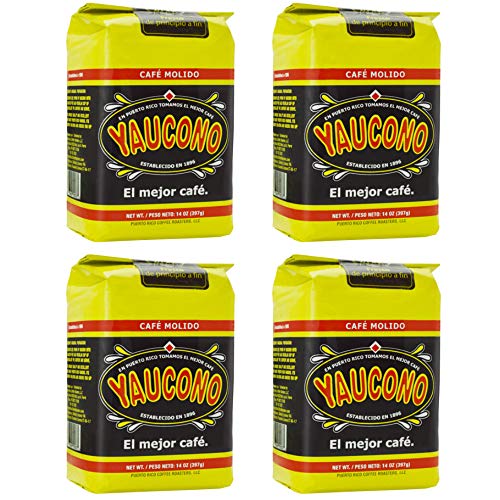
Yaucono Ground Coffee, Medium Roast, 4 x 14 oz Bags

New Mexico Piñon Traditional Piñon Ground Coffee 2 lb

Café Britt Espresso Costa Rican Coffee Whole Bean 3-Pack
Café Britt Espresso Costa Rican Coffee Ground 3-Pack

Bunkell Mushroom Coffee Creamer Adaptogenic Blend

Bunkell Mushroom Coffee Instant Blend 30 Servings

Café Britt Espresso Costa Rican Coffee 2lb 2-Pack

Bunkell Mushroom Hot Cocoa Adaptogenic Blend 25 Servings
Taking A Closer Look At The Options
Yaucono’s medium roast is the kind of bag that quietly anchors a morning routine without demanding attention. The grind lands fine enough for drip machines and forgiving enough to work in a pour-over without clogging. Sourced and roasted on the island, it carries the smooth, well-rounded profile Puerto Rican coffee drinkers tend to reach for first.
For a first-time taster of island coffee, this is the gentle entry point. It plays well with cream and sugar but stands up on its own, and the 14 oz size is a manageable commitment for someone curious about the category.
Notable Upsides
- Hand-picked Arabica beans, roasted and ground for a balanced everyday cup
- Ultra-fine grind that suits drip brewers and most home machines
- A trusted household name across Puerto Rico for decades
- Versatile enough to drink black or dressed up with milk and sugar
Things To Consider
- Ground format means flavor begins fading sooner than whole-bean options
- Single 14 oz bag may run out quickly for households brewing multiple cups daily
Key Specs
Made For
Anyone new to Puerto Rican coffee who wants a smooth, dependable medium roast to anchor a daily drip routine.
Where Another Pick Suits Better
Heavy-volume households brewing pot after pot should consider the Cafe de Oro 32oz can for fewer restocks.
Cafe de Oro leans into the bolder side of the Puerto Rican coffee spectrum, with a richer, stronger profile that holds its own in a milky cortado or a black morning cup. The 32oz metal can is the real headline here, sized for households that go through coffee at a steady clip. Beans come from the mountain growing region around Lares, where the high elevation shapes the cup’s depth.
The metallized foil seal inside the can keeps oxygen, light, and humidity off the grounds, which matters when you’re working through a container that lasts weeks. Compared to the lighter Yaucono above, this one pushes toward a more assertive flavor without crossing into burnt territory.
Where It Delivers
- Mountain-grown Arabica from the Lares region, roasted for a bold profile
- Large 32oz can with an inner foil seal for freshness over time
- Strong enough character for espresso-based drinks and milk-forward cups
Trade Offs
- Bold profile may feel too intense for drinkers who prefer a softer morning cup
- Bulky can demands more pantry or counter space than a slim bag
Who It Suits Best
Daily coffee drinkers with a household of two or more who want fewer restocks and a richer roast profile.
Look Elsewhere When
Solo sippers who finish bags slowly are better served by the smaller Yaucono 14 oz to keep grounds fresher.
Same Yaucono medium roast that anchors the first pick, just bundled four bags deep. The format makes sense for anyone who already knows they like the flavor and wants to cut down on reordering. Four 14 oz bags equal 56 oz total, which keeps a steady drip machine fed for a couple of months in a typical household.
The grinding and bean selection mirror the single-bag version, so flavor stays consistent across the bundle. Storage-wise, the extra bags are easy to tuck into a pantry, though you’ll want to rotate them so the oldest gets used first.
Strengths Worth Knowing
- Identical roast profile to the single 14 oz bag, just multiplied for convenience
- Bundle format reduces how often you need to reorder
- Fine grind suits drip machines, pour-over cones, and most home brewers
Worth Noting
- Ground coffee loses aromatic brightness faster than whole bean, so plan to drink it within a reasonable window
- Four bags take up more shelf space than a single container
Feature Snapshot
Right Fit For
Established Yaucono fans and busy families who want a reliable, repeatable stock without monthly reorders.
Skip It When
First-timers should start with the single 14 oz bag to confirm the flavor before committing to a multi-pack.
Strictly speaking, piñon coffee isn’t Puerto Rican, but it earns a spot on this list because it sits in the same flavored-coffee lane and shares a Latin American coffee heritage. The Traditional Piñon grind uses natural piñon nut flavoring layered over a smooth medium-roast Arabica base, producing a cup that tastes nutty, slightly sweet, and distinctly Southwestern. The 2 lb bag is generous and built for repeat brewing.
This pick works as a rotation break, the bag you open when the everyday roast starts to feel routine. It also makes a thoughtful gift for anyone curious about regional American coffee styles.
Real Benefits
- Natural piñon nut flavoring layered over a medium-roast Arabica base
- 2 lb bag sized for households that enjoy a flavored rotation coffee
- Versatile grind that handles drip, French press, and pour-over well
Minor Gripes
- Distinctive nut flavor may not appeal to purists who want a classic island profile
- 2 lb bag requires a cool, sealed storage spot once opened to keep the flavor intact
Quick Facts
Best Suited To
Curious coffee drinkers who want a flavored rotation option outside the standard island-roast lineup.
Consider Something Else When
Anyone focused purely on Puerto Rican tradition will get closer to the mark with Yaucono’s medium roast.
Costa Rican coffee deserves a seat at any Latin American coffee conversation, and Café Britt’s espresso brings high-altitude character to the table. Beans are grown in the Central and Western Valleys at elevations between 3,900 and 4,600 feet, where cooler mountain air slows ripening and builds denser, more flavorful seeds. The dark roast profile pulls dark chocolate, soft apple, and a hint of caramel into a single cup.
Whole-bean format is the right call for anyone with a home grinder, since grinding right before brewing locks in the aromatic oils. The triple-layer bag also helps preserve that freshness between sessions.
Benefits That Matter
- High-mountain Costa Rican Arabica grown at 3,900 to 4,600 ft elevations
- Dark chocolate and subtle fruit notes with a touch of caramel
- Whole-bean format paired with a triple-layer freshness bag
Points To Keep In Mind
- Whole beans require a home grinder for full flavor payoff
- Dark roast intensity may be too much for drinkers who prefer a softer cup
Key Specs
Who Will Love This
Home baristas with a grinder who want to explore Latin American espresso beyond the basics.
Not Your Match When
Anyone without a grinder should look at the pre-ground Café Britt espresso below instead.
The ground version of Café Britt’s Costa Rican espresso trades the grinder requirement for grab-and-bag convenience. Beans come from the same high-elevation Costa Rican farms as the whole-bean pick, then small-batch roasted at origin and ground to a consistent particle size. The result is a dark chocolate-forward espresso that works in moka pots, home espresso machines, and standard drip brewers alike.
For weekday mornings when you need speed, this lands the espresso character without the setup. The triple-layer bag helps the grounds hold their aromatic oils longer than a typical open bag would.
A Strong Showing
- Pre-ground format skips the grinder step entirely
- Small-batch roasted at origin in Costa Rica for consistent quality
- Triple-layer bag helps protect aroma and essential oils
- Works across espresso machines, moka pots, and drip brewers
Honest Caveats
- Pre-ground coffee loses aromatic brightness faster than whole bean
- Grind size is optimized for espresso, so cold brew and French press drinkers may want a coarser option
Feature Card
Perfect Match For
Busy home brewers who want Latin American espresso character without owning a grinder.
Reach For A Different Pick When
Anyone set up to grind fresh beans will get noticeably more aroma from the whole-bean 3-pack above.
Bunkell’s creamer sits outside the Puerto Rican coffee lane but earns a spot as an add-on for anyone looking to upgrade an everyday cup. The powder combines six functional mushrooms, including Lion’s Mane and Reishi, with coconut milk and roughly 1 billion CFU of probiotics per serving. The result is a coconut-and-vanilla creamer that stirs into drip coffee, espresso, or even a homemade latte without much fuss.
Adaptogens are ingredients often associated with stress response and focus, and mushrooms like Lion’s Mane have built a reputation in that space. One teaspoon per cup is the standard ratio, which means a 30-serving tub lasts about a month for daily drinkers.
What Works In Its Favor
- Six-mushroom blend including Lion’s Mane, Reishi, and Cordyceps
- Coconut milk base with a soft vanilla undertone
- Includes approximately 1 billion CFU probiotics per serving
- Instant powder format dissolves easily into hot or cold drinks
Potential Drawbacks
- Mushroom and probiotic ingredients are not a substitute for medical advice, and individual responses vary
- Coconut base may not suit drinkers avoiding coconut products
Built With In Mind
Curious coffee drinkers who want to layer functional ingredients into their existing cup without switching beans.
A Better Fit Elsewhere
Puerto Rican purists should focus on the Yaucono or Cafe de Oro picks rather than an add-on creamer.
The instant version of the Bunkell concept swaps brewed coffee for a powder that dissolves in hot water. Each serving combines instant coffee with the same six-mushroom blend, plus MCT oil and coconut milk powder for a richer mouthfeel. For travelers, office workers, or anyone without a coffee maker, that mix-in-a-mug format removes the usual equipment barrier.
Compared to the creamer above, this is the full standalone drink rather than an add-on. It’s also a smart option for a hotel room or shared kitchen where dragging out a grinder isn’t practical.
Useful Highlights
- Instant format requires only hot water and a spoon
- Six-mushroom blend paired with MCT oil and coconut milk
- 30 servings per container for daily use over a month
- Easy to pack in a carry-on or desk drawer
Where It May Fall Short
- Instant coffee flavor profile is simpler than fresh-brewed beans, so expectations matter
- Mushroom and adaptogen blends are not a replacement for medical guidance or treatment
Whose Shelf It Belongs On
Frequent travelers and remote workers who want a functional coffee option without brewing equipment.
Swap It Out When
Anyone at home with a drip machine will find Yaucono’s traditional ground coffee more satisfying.
The bulk edition of Café Britt’s Costa Rican espresso doubles down on the same high-elevation, small-batch philosophy. Two 2 lb bags land a serious supply of whole-bean espresso for a household that runs through beans steadily. Each bag carries the same triple-layer seal that locks in aromatic oils between grinding sessions.
Buying in this quantity is a commitment, so it works best for people who already know the flavor. For someone still exploring, the smaller 3-pack above is a more measured entry point.
A Few Strong Suits
- Total 4 lb of whole-bean espresso across two bags
- High-mountain Costa Rican Arabica with dark chocolate and fruit notes
- Triple-layer bag helps preserve aroma across long storage windows
Small Caveats
- Bulk quantity demands a proper airtight container once opened to maintain freshness
- Whole-bean format requires a grinder to unlock the full flavor
Made For
Established espresso drinkers who already love the Café Britt profile and want to stock up.
Consider Something Else When
First-time buyers are better off with the 10.5 oz 3-pack to test the flavor at lower commitment.
Closing out the list is a caffeine-free companion rather than a coffee, included because evenings deserve a warm mug too. The blend mixes cocoa with Reishi mushroom, L-Theanine, glycine, and zinc, plus coconut milk and chicory for body. Melatonin adds a nod toward sleep support, which is the whole point of reaching for this in the first place.
It works well as a post-dinner ritual or a quiet weekend afternoon cup, especially for caffeine-sensitive drinkers who still want something warm in hand. The chocolate base is mild rather than syrupy, so it won’t fight a snack plate.
The Upside
- Caffeine-free format suits late-night drinkers and caffeine-sensitive users
- Reishi, L-Theanine, and glycine create a relaxed, evening-friendly profile
- Coconut milk and cocoa build a mild, creamy cup
Points To Note
- Melatonin and other ingredients may interact with medications, so check with a professional if you have concerns
- Adaptogens and supplements are not a substitute for medical treatment
Who Should Grab It
Evening wind-down drinkers who want a warm, chocolatey ritual without the caffeine buzz.
Not Your Match When
Morning coffee loyalists will find more value in the Yaucono or Cafe de Oro picks above.
What Matters Most Before Choosing Coffees From Puerto Rico
Roast level sets the tone for everything that follows. Medium roasts like Yaucono’s highlight the gentle sweetness that Puerto Rican coffee is known for, while darker espresso styles push toward chocolate and caramelized notes. For everyday drip drinkers, medium usually lands best. Espresso fans tend to prefer dark.
Grind format and packaging matter more than people realize. Whole beans keep their aromatic oils intact much longer than pre-ground coffee, so anyone willing to grind at home gets a noticeably fresher cup. Ground coffee is more convenient but starts losing brightness within weeks of opening. Airtight packaging, like Cafe de Oro’s foil-sealed can, helps slow that decline.
Origin and elevation shape flavor in subtle ways. Beans grown at higher elevations, like the Café Britt lots from 3,900 to 4,600 feet, develop denser seeds and more complex cups. Single-origin Puerto Rican coffees tend to carry a softer, more rounded character, while Costa Rican high-mountain beans lean brighter.
Add-on products like mushroom creamers, instant blends, and hot cocoa expand what a coffee routine can look like. These work best as companions to a primary bag rather than replacements, especially for drinkers who want functional ingredients layered onto a familiar cup.
Key Considerations Across These Picks
Pitfalls Shoppers Hit
One common misstep is grabbing a dark roast expecting it to behave like a medium. Dark espresso styles taste bolder and more bitter, so drinkers who usually enjoy a smooth morning cup may find them too intense. Starting with a medium roast like Yaucono’s avoids that mismatch.
Another slip is buying a giant bag without a storage plan. Ground coffee exposed to air, light, and humidity loses flavor within weeks. A bulk pick like the Café Britt 2 lb 2-pack works only when paired with an airtight container and steady use.
The Case For Spending Up
Higher-tier options usually pay you back in two ways: better packaging that protects freshness, and more specific sourcing that shapes the cup. A triple-layer bag on the Café Britt whole-bean pick, for instance, keeps the beans closer to their just-roasted state over a longer window. For drinkers who want the deepest expression of the bean’s origin, that upgrade is worth the stretch.
Frequently Asked Questions
How does Puerto Rican coffee differ from other Latin American coffees?
Puerto Rican coffee tends toward a smooth, well-rounded profile with mild acidity, often showing soft chocolate and nutty notes. Costa Rican and other Latin American coffees can lean brighter or more fruit-forward depending on elevation and processing.
Should I buy whole bean or ground coffee?
Whole bean stays fresher longer and lets you grind right before brewing for the strongest aroma. Ground coffee is more convenient for drip machines and quick mornings, but loses aromatic brightness faster once opened.
How long does an opened bag of ground coffee stay good?
Most ground coffee holds its best flavor for about two to four weeks after opening, assuming it’s stored in a cool, dry, airtight spot. Airtight cans like Cafe de Oro’s help extend that window, while open paper bags shorten it.
Are mushroom coffee blends safe to drink daily?
Mushroom coffee blends are generally considered safe for most adults, though individual responses vary. Anyone with medical conditions, who is pregnant, or who takes medications should check with a professional before adding adaptogen blends to a daily routine.
What brewing method works best for Puerto Rican coffee?
Drip machines, pour-over cones, and moka pots all work well with medium-roast Puerto Rican coffees. Espresso machines suit the darker Costa Rican-style roasts like Café Britt’s espresso line.
Wrap Up
Puerto Rican coffee rewards drinkers who pay attention to the details: roast level, grind size, and packaging all shape the final cup. Yaucono’s medium roast is the easiest place to start, Cafe de Oro’s can handles heavy daily use, and the Costa Rican espresso picks open a door to a darker, more intense style. Add a creamer, instant blend, or evening cocoa if it fits your routine, and you’ll have a setup that handles any hour of the day. Trust your palate, choose the format that matches your habits, and enjoy the pour.
