

A scratchy throat has a way of hijacking your day. Whether you’re fighting off a cold, dealing with seasonal dryness, or simply trying to get through a long meeting without clearing your throat every five minutes, the right cup of warm tea can change the entire arc of your afternoon. The challenge is that “cough teas” range from honey-based lozenges to slippery elm infusions, and each works a little differently.
The picks below cover both brewed teas and throat lozenges, since many people reach for one or the other (sometimes both) when congestion or irritation hits. Every option here earned its spot because of ingredient quality, throat-soothing credentials, and how it actually fits into a real routine.
Your Options, Compared

Celestial Seasonings Sleepytime Sinus Soother Tea, 20 Bags (Pack of 6)

Traditional Medicinals Organic Throat Coat Tea, Slippery Elm, 48 Bags
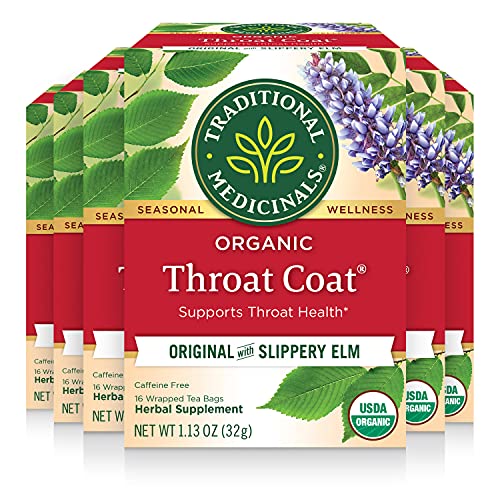
Traditional Medicinals Organic Throat Coat Original, 96 Tea Bags

Fisherman’s Friend Sugar Free Cough Lozenges, Honey Lemon, 40 x 6

Fisherman’s Friend Cherry Sugar Free Cough Drops, 40 Count (6 Pack)
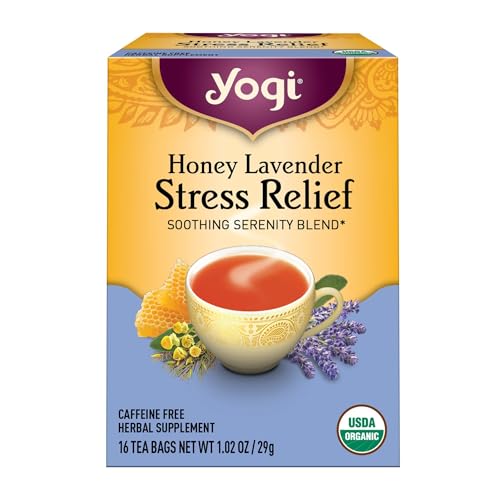
Yogi Honey Lavender Stress Relief Tea, 16 Count

Beekeeper’s Naturals Elderberry Honey Cough Drops, 24 Count

Beekeeper’s Naturals Lemon Ginger Honey Cough Drops, 24 Count

Beekeeper’s Naturals Zinc + Vitamin D Honey Cough Drops, 24 Count
More Details On Our Top Picks
When sinus pressure settles in behind your eyes, the appeal of a gentle herbal steam rises fast. This Celestial Seasonings blend leans on the familiar Sleepytime base of chamomile and spearmint, then layers in tulsi, stinging nettle, and peppermint for a cooler, more aromatic finish. The result is a brew that feels like a bedtime ritual with sinus-season credentials built in.
For most people dealing with seasonal stuffiness, the six-box format means you can stash cartons in the kitchen, office, and bedside table without rationing bags. It’s caffeine-free, so it’s genuinely usable in the late evening when congestion tends to spike.
Where It Delivers
- Chamomile and spearmint base provides a familiar, easy-drinking flavor
- Peppermint and tulsi add a cooling note that opens the sinuses during steeping
- Caffeine-free, so it fits into a wind-down routine without disrupting sleep
- Six-box pack spreads easily across home, office, and travel
- No artificial flavors or colors, based on the brand’s published ingredient list
Things To Consider
- Stinging nettle can read as grassy to people sensitive to green-tea-style notes
- The mint character is mild, so those wanting a sharp, medicated bite may want to pair it with a stronger option
Best Suited To
Folks who want a caffeine-free, herbal evening cup during cold season when sinuses feel heavy but sleep still matters.
Where Another Pick Suits Better
Choose the Traditional Medicinals Throat Coat Original if your main issue is raw throat irritation rather than sinus pressure.
Throat Coat has become the reference point for what a throat-soothing tea should taste like, and this 48-bag box is the friendly entry point. The blend centers on slippery elm bark, a demulcent (a plant-based ingredient that forms a soft, coating film over irritated tissue) long used in herbal practice for scratchy throats, paired with licorice root for a naturally sweet cup. There’s no caffeine, no GMOs, and the bags are compostable, which matters to people building a low-waste kitchen routine.
For first-time herbal tea drinkers, the licorice sweetness does most of the work. You don’t need honey or sugar to make it palatable, and the mid-size count gives you room to figure out your preferred brewing strength without committing to a bulk case.
Useful Touches
- Slippery elm bark creates a soft, coating mouthfeel that lingers on the throat
- Compostable tea bags fit a low-waste household
- Caffeine-free formula works at any hour
Worth Noting
- The licorice root gives a distinct, anise-like flavor that not everyone enjoys on its own
- People monitoring blood pressure should know licorice is part of the blend, so it’s worth checking with a clinician if that’s a concern
Quick Facts
Whose Shelf It Belongs On
Anyone new to throat teas who wants a recognizable, easy-brewing formula that doesn’t taste medicinal.
Reach For A Different Pick When
Step up to the 96-bag Traditional Medicinals Throat Coat if you brew multiple cups a day and want fewer reorders.
Same trusted Throat Coat formula, just doubled up. The 96-bag box is the one households reach for when throat tea stops being a “sometimes” thing and becomes part of the weekly rotation. Slippery elm bark still leads the ingredient list, and the brew lands with that familiar sweet-licorice finish that made the smaller box a staple.
For families, shared workspaces, or anyone going through two or three cups on a rough day, the larger count means fewer moments of running out at the worst time. It’s still caffeine-free, organic, and fair-wild certified for the slippery elm, which matters if you care about how the bark is harvested.
A Few Strong Suits
- Bulk count reduces reorder frequency for heavy tea drinkers
- Same slippery elm and licorice core as the 48-bag version
- Caffeine-free for any-hour brewing
- Compostable bags align with low-waste kitchens
Trade Offs
- The larger box takes up more shelf space and can lose freshness if stored in a bright, humid spot
- Licorice-forward flavor is still present, so it may not suit every palate in a shared home
Right Fit For
Multi-person households, teachers, or anyone who brews throat tea more than once a day during cold season.
Consider Something Else When
Pick the smaller Traditional Medicinals Throat Coat 48-bag box if you’re testing the flavor for the first time.
Lozenges aren’t tea, but they live in the same drawer of the cold-season toolkit, and Fisherman’s Friend has earned its reputation over decades. The honey lemon version softens the brand’s signature menthol punch with a warmer citrus-sweet note, while keeping the sugar-free formula intact. Each roll slips into a jacket pocket or laptop bag without bulk.
The 40-roll, 6-pack configuration is built for people who hand lozenges out, whether that’s a parent stocking backpacks or a project manager with a standing desk drawer full of small emergencies. Menthol carries the active cooling, so it works on the spot when a meeting runs long and your throat starts to protest.
Strong Points
- Sugar-free formula fits low-sugar diets
- Menthol provides a noticeable cooling sensation on contact
- Honey lemon flavor balances the brand’s traditional intensity
- Bulk pack keeps multiple bags, desks, and cars stocked
Points To Note
- Menthol strength is significant, so first-time users may find the cooling more intense than expected
- Lozenges dissolve slowly, which can feel like a long wait if you want fast relief
Made For
Commuters, teachers, and office workers who want a portable, sugar-free option that doesn’t require boiling water.
Not Your Match When
Step up to the Cherry Sugar Free Fisherman’s Friend if you want an even bolder menthol experience with a fruitier top note.
This is the lozenge you reach for when your throat has gone past scratchy and into “I need something to cut through this.” The cherry version keeps the brand’s original menthol intensity but layers in a sweet-tart fruit note that makes the experience less clinical. Like the honey lemon option, it stays sugar-free, so it doesn’t leave a sticky film while it dissolves.
Singers, athletes, and people who talk for a living often keep a roll close at hand because menthol-based lozenges offer a tangible cooling sensation that cuts through post-performance dryness. The 6-pack format is sized for serious stocking.
Notable Upsides
- Strong menthol base for noticeable throat cooling
- Cherry flavor masks the sharper medicinal notes
- Sugar-free formula
- Bulk count works for shared spaces or long travel
Small Caveats
- The intensity can feel overwhelming for anyone new to menthol lozenges
- Cherry flavor is bold, so people preferring subtle flavors may find it too forward
Who It Suits Best
Performers, athletes, and heavy menthol users who want a fruitier entry point to Fisherman’s signature strength.
Skip It When
Go with the Honey Lemon Fisherman’s Friend if you’d rather ease into menthol with a gentler flavor profile.
Stress Relief earns its name through herbs that herbalists have used for centuries to ease tension, and the honey lavender version puts those calming notes front and center. Lavender pairs with chamomile and lemon balm, and the organic honey flavor adds a soft sweetness that makes the cup feel more like a small ritual than a remedy. For many people, that psychological shift matters as much as the herbs themselves.
The 16-bag size is intentionally small, which makes it a friendly sampler if you’re not sure how you’ll feel about a floral cup. The formula is USDA Certified Organic and Non-GMO Project Verified, and the bag is caffeine-free, so it tucks neatly into a bedtime routine.
What Earns Its Place
- Lavender, chamomile, and lemon balm form a layered calming profile
- Honey flavor adds natural sweetness without added sugar
- Caffeine-free and organic
- Compact box fits small kitchens or travel bags
Honest Caveats
- Lavender can read soapy to people sensitive to floral flavors
- Smaller bag count means more frequent reorders for daily drinkers
Key Specs
Who Should Grab It
People who want a bedtime cup that supports relaxation and don’t mind a pronounced floral note.
Look Elsewhere When
Reach for the Celestial Seasonings Sleepytime Sinus Soother if congestion is the bigger issue than tension.
Beekeeper’s Naturals built its name around hive-sourced ingredients, and these elderberry lozenges put that story on display. Raw honey, propolis (a natural resin bees produce to seal the hive, often used in immune-support products), vitamin D, and zinc form the active core, and the formula skips refined sugars, artificial dyes, and common fillers like maltodextrin. For shoppers who read labels line by line, that’s a real selling point.
The elderberry direction gives the lozenges a darker, slightly tart note that distinguishes them from menthol-heavy options. Only 1 gram of sugar per drop keeps the sweetness in check, and the 24-count box lasts through a typical cold week.
A Favorable Mix
- Raw honey and propolis bring bee-sourced ingredients to the lozenge
- Added vitamin D and zinc for immune-season support
- Low sugar content without artificial sweeteners
- No maltodextrin, soy lecithin, or artificial dyes
Points To Keep In Mind
- No menthol, so the cooling sensation is much milder than traditional cough drops
- Higher per-box cost than mass-market lozenges
Perfect Match For
Clean-label shoppers and anyone who prefers propolis-based immune support over menthol.
A Better Fit Elsewhere
Pick the Fisherman’s Friend Honey Lemon if menthol cooling is the main relief you’re after.
Ginger and lemon is the kind of flavor pairing that signals “warming” before you even take a sip, and Beekeeper’s Naturals translates that into a lozenge that feels brighter than the elderberry sibling. The same propolis and raw honey base anchors the formula, and the addition of ginger and lemon extract gives the drop a gentle heat-and-citrus arc as it dissolves.
For cold-weather commuters and travelers bouncing through dry airplane cabins, the resealable 24-count pouch fits easily into a carry-on. The clean-ingredient list stays consistent with the rest of the line.
Advantages To Know
- Ginger adds a gentle warming sensation without menthol
- Lemon extract brightens the flavor profile
- Same low-sugar, filler-free formula as the elderberry version
- Compact packaging works for travel and desk drawers
Less Ideal Details
- Smaller brand recognition means fewer anecdotal reports about long-term use
- Price per drop runs higher than supermarket cough drops
Built With In Mind
Travelers and cold-weather commuters who want a non-menthol option with warming ginger character.
Swap It Out When
Choose the Beekeeper’s Naturals Elderberry Honey Cough Drops if you prefer a darker, fruit-forward flavor instead.
This is the most nutritionally forward option in the Beekeeper’s Naturals lineup, and the one most people reach for at the first sign of seasonal sniffles. Raw honey and propolis still lead, but the formula leans harder into the immune-side ingredients with added vitamin D and zinc. The flavor profile stays neutral-leaning-sweet, so it doesn’t compete with meals or coffee the way a strong ginger drop might.
For shoppers building a winter wellness kit, the lozenge format makes it easy to keep minerals in rotation without swallowing another pill. The 1-gram sugar cap keeps the sweetness restrained.
Why It Works Well
- Added zinc and vitamin D target immune-season support
- Raw honey and propolis base stays consistent with the brand’s clean-label approach
- Low sugar per drop
- No artificial dyes or flavoring
Possible Compromises
- Flavor is milder than ginger or elderberry versions, which can feel less “active”
- Not a substitute for stand-alone vitamin D or zinc supplements if your clinician has recommended higher doses
The Right Fit
Wellness-minded shoppers who want immune-support minerals built into a lozenge they can take on the go.
Where A Sibling Pick Shines
Go with the Beekeeper’s Naturals Lemon Ginger Honey Cough Drops if you want more pronounced flavor and a warming character.
Picking The Right Brew Or Lozenge For Your Throat
Choosing a throat tea or lozenge comes down to the kind of relief you’re after, since the ingredients in this category do very different jobs. Slippery elm and honey-based formulas coat the throat with a gentle film, which helps when irritation feels raw. Menthol lozenges work on a different track, delivering a cooling sensation that distracts the nerves and can ease the urge to cough. Herbal blends like chamomile and lavender tend to focus on relaxation, which matters when a scratchy throat is keeping you up at night.
How To Match Format To Your Day
Liquid teas reward a slow routine, the kind where you can sit with a warm mug for ten minutes while the steam does its work. Lozenges suit days when you’re moving, talking, or commuting and need something you can keep in a pocket. For most people, the best strategy is keeping one of each on hand: a brewed tea for evenings and a lozenge for daytime.
Reading The Ingredient List
Caffeine content is the first filter, especially for evening drinkers. After that, look at the active ingredient that drives the throat claim: slippery elm and marshmallow root for coating, menthol for cooling, and propolis or elderberry for immune-season support. Sugar content matters too, since many throat lozenges are essentially candy with menthol added. The Beekeeper’s Naturals line keeps sugar around 1 gram per drop, and Fisherman’s Friend offers a sugar-free option across flavors.
Matching Strength To Your Symptoms
Mild seasonal scratchiness usually responds well to gentle chamomile-based or honey-lemon formulas. Heavier congestion or persistent coughing tends to need the menthol intensity of a Fisherman’s Friend or the slippery elm density of a Throat Coat brew. There’s no harm in starting gentle and stepping up if symptoms don’t ease.
Key Considerations Across These Picks
Common Buying Slip Ups
Many shoppers reach for menthol lozenges expecting them to “treat” a sore throat, when their main job is delivering a cooling sensation. If your real issue is inflammation and rawness, a slippery elm tea will likely serve you better. The other frequent mistake is grabbing the first “honey” cough drop on the shelf without checking the sugar content, since many honey-flavored options contain more refined sugar than actual honey.
What The Higher Tier Buys
The premium end of the cough tea and lozenge world usually shows up in ingredient sourcing: organic certification, fair-wild harvested slippery elm, propolis from traceable apiaries, and formulations free of artificial dyes and fillers. You’re paying for cleaner labels and more transparent supply chains, which matters if you brew or lozenge daily. For occasional use, mid-tier options handle the job fine.
Frequently Asked Questions
What ingredients actually soothe a cough?
Slippery elm bark and honey both form a soft coating over irritated throat tissue, which can calm the cough reflex. Menthol works differently, creating a cooling sensation that distracts the nerves and reduces the urge to cough.
Are throat teas safe to drink every day?
Most caffeine-free herbal throat teas are formulated for daily use, but ingredients like licorice root can affect blood pressure when consumed in large amounts over time. If you drink multiple cups daily, rotating formulas or checking with a clinician is a sensible move.
When should lozenges work better than tea?
Lozenges make more sense when you can’t sit down to brew, like during meetings, commutes, or travel. They also deliver a more concentrated menthol or honey dose per serving, which can help during a sudden coughing spell.
Do natural cough drops really work differently than regular ones?
Natural drops typically rely on honey, propolis, and herbal extracts rather than synthetic menthol blends. The throat-coating effect is often more pronounced, but the cooling sensation tends to be milder, so the choice depends on whether you want coating or cooling.
Can kids use these teas and lozenges?
Herbal throat teas are generally considered safe for older children, though menthol lozenges are usually recommended only for adults and kids over a certain age. Reading each product’s age guidance and checking with a pediatrician for young children is the safer route.
The Takeaway
Throat-soothing products come in a wider range than most people expect, and the right pick depends on whether you need coating, cooling, immune support, or simple relaxation. Teas like Traditional Medicinals Throat Coat and Celestial Seasonings Sinus Soother work beautifully for slow evenings, while lozenges from Fisherman’s Friend and Beekeeper’s Naturals keep relief within reach during busy days. Match the format to your routine, read past the marketing to the actual active ingredients, and your shelf will be ready the next time a scratchy throat shows up uninvited.
