

Finding a good decaf used to mean accepting a flat, vaguely cardboard-flavored cup, and on top of that, wondering whether the bean lost its caffeine through a chemical process you’d rather not drink. The picks below lean on water-process or natural decaffeination, so the cup in your mug keeps the character of the roast without the aftertaste of solvent residue. Whether you drink decaf in the afternoon, share a pot with a caffeine-sensitive partner, or just want a smoother evening ritual, this list maps the landscape clearly.
The Choices Worth Comparing

Gevalia Colombia Medium Roast Ground Coffee, 20 oz Bag

Gevalia Espresso Roast Dark Roast Ground Coffee, 12 oz Bag

Gevalia House Blend Medium Roast Ground Coffee, 20 oz Bag

Gevalia French Roast Dark Roast Ground Coffee, 12 oz Bag

Gevalia Special Reserve Costa Rica Single Origin, 10 oz
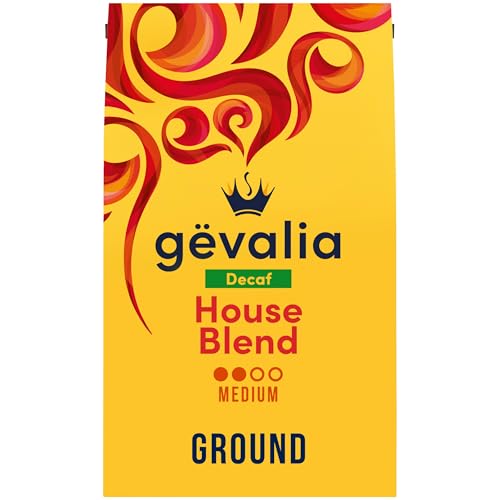
Gevalia House Blend Decaf Medium Roast Ground Coffee, 20 oz Bag

Gevalia Traditional Roast Light Roast Ground Coffee, 12 oz

Gevalia Special Reserve Guatemala Single Origin, 10 oz

Kicking Horse Decaf Swiss Water Dark Roast Whole Bean, 10 oz

MAX FIT Mushroom Coffee with 10 Mushroom Blend, 60 Servings
A Deeper Look At The Lineup
The Gevalia Colombia Medium Roast sets the tone for the list because it shows what a straightforward Colombian Arabica tastes like without any of the decaf baggage. The 20 oz bag gives you roughly 30 to 40 standard cups, depending on how generous you are with the scoop, which covers most households for a couple of weeks.
You pour a cup that lands firmly in medium-roast territory: rounded, a little nutty, with just enough brightness to wake you up. The slow-roasted, snap-cooled approach helps keep the bitterness in check, so even on days when you forget to swap the filter, the cup doesn’t punish you. The ground format works with drip, pour-over, and most standard basket machines.
The Value In It
- Single-origin Colombian Arabica for a consistent, recognizable cup
- 20 oz bag strikes a nice balance for a one-or-two-person household
- Medium roast that plays well with cream, milk, or a splash of oat milk
- Grind size is forgiving in standard drip machines
- Slow-roast approach reduces harshness on the back end of the sip
Worth Noting
- Not a decaf, so anyone avoiding caffeine still needs a separate option
- Ground coffee loses aroma faster than whole bean, so finishing the bag within a few weeks is the practical move
Feature Snapshot
Who It Suits Best
Regular drip-coffee drinkers who want a low-fuss Colombian cup without buying a grinder.
Look Elsewhere When
You specifically need a decaf and should reach for the Gevalia House Blend Decaf Medium Roast Ground Coffee in this lineup instead.
This is the bag that quietly anchors an after-dinner habit. The Espresso Roast lands deeper than the Colombia pick, with a heavier body and that low, smoky edge you want from a moka pot or a stovetop brewer. At 12 oz, it’s sized more like a specialty indulgence than a daily workhorse, which is the right call for how it’s meant to be used.
If you’ve been chasing a real ristretto character without buying a separate espresso machine, the grind here does a credible job in pressurized baskets. It also holds up nicely in a French press if you let it bloom for thirty seconds before plunging.
Everyday Advantages
- Dark, full-bodied profile that works in moka pots and French press
- Arabica base helps keep the dark roast from sliding into ash territory
- Smaller 12 oz bag helps preserve freshness for occasional use
- Strong enough to stand up to milk in lattes and cappuccinos
Things To Consider
- Too dark for anyone who prefers fruit-forward or floral cups
- Not a decaf, so it’s a flavor reference, not a swap-in for evening drinkers
Made For
Home baristas running moka pots or stovetop brewers who want a darker, espresso-leaning cup.
Consider Something Else When
You want a single-origin pour-over and should consider the Gevalia Special Reserve Costa Rica Single Origin in this roundup instead.
The Gevalia House Blend is the bag most people picture when they think of the brand. It’s the multi-origin Arabica mix Gevalia built its name on, slow roasted to keep things smooth and pre-ground for convenience. The 20 oz format makes it the practical everyday pick for a household that runs through a pot a day.
You get a balanced medium-roast cup that’s easy to drink black and easy to dress up. The blend pulls beans from multiple regions, which is why the flavor holds steady even as the bag gets low. For people who just want a coffee that doesn’t make them think, this is the no-fuss option.
What Earns Its Place
- Multi-region Arabica blend for steady flavor from the first scoop to the last
- Medium roast suits both drip and pour-over setups
- 20 oz size makes refills less frequent
- Slow-roast approach keeps bitterness manageable even on weaker brews
Room For Improvement
- Not a decaf, so caffeine-sensitive drinkers still need a separate option
- Multi-origin blending means the cup won’t have a single-origin character for those who want it
Best Suited To
Households that go through a pot a day and want a balanced, low-risk medium roast.
Skip It When
You want a darker profile and should reach for the Gevalia French Roast Dark Roast Ground Coffee in this roundup.
The Gevalia French Roast goes about a shade deeper than the Espresso Roast in terms of roast development, with a smoky, almost bittersweet edge that holds up beautifully in a French press. The 12 oz bag makes sense for a rotation: keep this on hand for mornings when you want the cup to hit a little harder than usual.
The chocolate and mocha notes tucked into the blend give it a dessert-leaning character that pairs well with brown sugar or a small pour of cream. For anyone migrating from canned supermarket coffee, the upgrade in body is immediately obvious.
Strengths Worth Knowing
- Deep French roast with chocolate and mocha undertones
- Pre-ground for French press convenience
- Body strong enough to handle milk without disappearing
- 12 oz bag fits as a secondary, not primary, coffee in the rotation
Trade Offs
- Not a decaf option, so evening drinkers still need a separate bag
- Roast depth can taste overly smoky to drinkers used to medium profiles
Who Will Love This
Dark roast fans who want something French-press-friendly and richer than the standard house blend.
Reach For A Different Pick When
You want a lighter, brighter cup and should consider the Gevalia Traditional Roast Light Roast Ground Coffee in this roundup.
The Special Reserve Costa Rica is where the list starts to feel more deliberate. Instead of blending across regions, Gevalia pulls Arabica beans exclusively from Costa Rican highland valleys and gives the roast a medium profile with a coarse grind. That makes the bag feel designed for pour-over and Chemex setups, where the origin character has room to breathe.
The 10 oz size is small on purpose: this is a coffee you slow down for, not chug on a Monday. The coarse grind helps with even extraction in slower brews, so you avoid the muddy, over-extracted mess that finer grinds can produce in the same equipment.
Where It Delivers
- Single-origin Costa Rican Arabica for a more traceable cup
- Coarse grind suits pour-over, Chemex, and French press
- Medium roast preserves the highland character without burning it out
- Smaller 10 oz bag encourages drinking it while it’s fresh
Points To Note
- Not a decaf, so it doesn’t address caffeine concerns
- Coarse grind is the wrong texture for espresso baskets and most drip machines
Key Product Details
Perfect Match For
Slow-brew drinkers who own a pour-over or French press and want a traceable Costa Rican cup.
A Better Fit Elsewhere
You drink from a standard drip machine most days and should reach for the Gevalia House Blend Medium Roast Ground Coffee instead.
This is the bag the rest of the lineup keeps circling back to. The Gevalia House Blend Decaf takes the same multi-region Arabica profile as the regular House Blend and runs it through a non-methylene-chloride decaffeination process, which is exactly the swap people are looking for when they want to step away from solvent-based decaf. The 20 oz size mirrors the caffeinated version, so your routine doesn’t have to change.
It’s the cup that quietly answers the question, “can I still drink decaf in the afternoon without it tasting like a chemistry experiment?” The slow-roasted, snap-cooled approach helps the decaf hold onto the rounded body that gets stripped out of cheaper decaf options. For most households, this is the workhorse.
Positive Points
- Decaffeinated without methylene chloride, addressing the main concern of solvent-processed decaf drinkers
- Same multi-origin Arabica blend as the regular House Blend, so flavor stays familiar
- Medium roast sits in the comfort zone for most drip and pour-over drinkers
- Compatible with all standard coffee makers, no special equipment required
- 20 oz bag matches the cadence of a regular household decaf drinker
Honest Caveats
- Ground format loses aroma faster than whole bean, so seal the bag tightly between uses
- Decaf naturally carries a touch less aromatic intensity than its caffeinated sibling
- 20 oz is a lot to commit to if you’ve never tried Gevalia’s decaf profile before
Feature Card
Whose Shelf It Belongs On
Anyone who drinks decaf daily and wants a low-risk, broadly compatible cup without solvent-based processing.
Where Another Pick Suits Better
You want certified-organic, fair-trade whole-bean decaf and should consider the Kicking Horse Decaf Swiss Water Dark Roast Whole Bean in this roundup instead.
The Traditional Roast sits on the other end of the spectrum from the French Roast, giving the list its lighter counterweight. This is the bag for people who treat coffee as a morning ritual rather than a caffeine delivery system, the ones who notice when a cup tastes a little too toasty.
The light profile brings a slightly higher acidity and a cleaner finish, which makes it a natural fit for pour-over and even a Chemex if you like a brighter cup. At 12 oz, it works best as a side-by-side option with one of the darker blends in the lineup.
Everyday Wins
- Light roast that preserves more of the bean’s origin character
- Smooth, mild body that drinks well black
- Multi-origin Arabica blend for consistency
- Slow-roasted approach keeps the cup from going sour
Softer Spots
- Not a decaf, so it doesn’t help anyone cutting evening caffeine
- Light profile can read as thin in a standard drip machine without proper dosing
The Right Fit
Drinkers who want a gentler, more delicate cup in the morning and don’t need the heavy body of a dark roast.
Swap It Out When
You want a similar light, gentle experience in decaf form and should reach for the Gevalia House Blend Decaf Medium Roast Ground Coffee in this roundup.
The Guatemala single origin is the sibling bag to the Costa Rica in the Special Reserve line, and it leans into the high-altitude character that makes Central American coffee distinctive. The 10 oz format and coarse grind repeat the slow-brew positioning, so this is a pour-over, French press, or cold brew option, not a drip-machine workhorse.
The medium roast here gives the bean room to show off its natural cocoa and citrus edges, which is the part of the cup you’d miss if you went straight to a generic supermarket blend. Treat it as a weekend bag and you’ll get the most out of it.
Strong Points
- Single-origin Guatemalan Arabica from high-altitude growing regions
- Coarse grind supports slower extraction methods
- Medium roast preserves cocoa and citrus notes
- 10 oz bag keeps the supply fresh across a few weekends
A Few Limitations
- Not a decaf, so caffeine-sensitive drinkers will need a separate bag for evening
- Coarse grind is the wrong texture for standard drip machines and espresso baskets
Who Should Grab It
Slow-brew enthusiasts with a French press or pour-over setup who want to explore high-altitude Central American coffee.
Not Your Match When
You mainly use a drip machine and should reach for the Gevalia Colombia Medium Roast Ground Coffee in this roundup instead.
This is the bag that changes the conversation. The Kicking Horse Decaf uses the Swiss Water Process, which is the most widely recognized chemical-free decaffeination method: beans soak in water, the caffeine migrates out through a charcoal filter, and the flavor compounds stay in the bean. There’s no methylene chloride, no ethyl acetate, just water and time. For shoppers who want to be specific about what their decaf isn’t, this is the cleanest answer on the list.
You also get whole bean, certified organic, and fair-trade credentials, which means the bag is doing more work than just flavor. The 10 oz size, the dark roast, and the whole-bean format all point to a grinder owner who treats the morning cup as something worth the extra step.
The Helpful Details
- Swiss Water Process decaffeination, the most established chemical-free method in the category
- Whole bean format locks in aroma until you grind
- Dark roast with chocolate and hazelnut-style body
- Certified organic, fair-trade, and kosher for shoppers who track those details
Worth Bearing In Mind
- Requires a grinder, which is an extra step most ground-coffee drinkers skip
- Premium positioning tends to cost more per ounce than the larger Gevalia decaf bag
- Dark roast character won’t suit drinkers looking for a lighter afternoon cup
Right Fit For
Whole-bean grinder owners who want the cleanest decaffeination method available and don’t mind paying a little more per cup.
Where A Sibling Pick Shines
You want a similar solvent-free decaf with less commitment to a grinder, and should consider the Gevalia House Blend Decaf Medium Roast Ground Coffee in this roundup.
The MAX FIT Mushroom Coffee is the curveball of the roundup, included for shoppers who want their coffee to do more than deliver caffeine. The base is instant Arabica, which means no machine, no grinder, and no real brew time. The bag blends in ten functional mushrooms, including Lion’s Mane, Cordyceps, and Turkey Tail, which is the appeal for anyone building a routine around focus and gut support alongside their morning cup.
The 60-serving count is generous, and the instant format makes it the most travel-friendly option on the list. A scoop, hot water, and you’re done, which is why office workers and frequent travelers tend to gravitate toward this style. The mushroom blend is a value-add rather than a flavor takeover, so you still get a recognizable medium-roast Arabica cup.
Good Reasons To Consider
- Instant format means no equipment, ideal for travel and office
- Arabica base gives it a real coffee character rather than a weak broth
- 60-serving count stretches well across a multi-month routine
- Ten-mushroom blend (Lion’s Mane, Cordyceps, Turkey Tail, and others) for shoppers who want functional add-ins
Practical Considerations
- Instant format doesn’t match the depth of a brewed pot
- Mushroom presence is subtle but noticeable; first-time drinkers may want a smaller pack to test tolerance
- Functional positioning is built around lifestyle add-ins, so it’s a different category than a traditional morning cup
Built With In Mind
Travelers, office workers, and routine-builders who want a quick functional cup without committing to brewing equipment.
Look Elsewhere When
You want a brewed, bean-forward decaf cup and should reach for the Gevalia House Blend Decaf Medium Roast Ground Coffee or the Kicking Horse Decaf Swiss Water Dark Roast Whole Bean in this roundup.
What Matters Most Before Choosing Decaf Coffees Without Methylene Chloride
Decaffeination Method
The decaffeination method is the single most important attribute on this list. Methylene chloride and ethyl acetate are the two most common solvent-based methods, and they’re what most people mean when they say they want to avoid chemicals in their decaf. The cleaner alternatives are the Swiss Water Process, which uses only water and activated charcoal filters, and CO2 process, which uses pressurized carbon dioxide. The Gevalia House Blend Decaf in this roundup uses a non-methylene-chloride method, and the Kicking Horse entry is specifically Swiss Water, which is the most widely recognized chemical-free option.
Roast Level and Bean Origin
Roast level decides whether your decaf tastes bright and tea-like or dark and smoky. Light roasts preserve more of the bean’s origin character, while dark roasts lean into chocolate and roasted notes that can mask the slight flatness some decaf carries. Bean origin matters more in single-origin bags, like the Costa Rica and Guatemala entries, where the highland terroir shows up in the cup. Multi-origin blends, like the Gevalia House Blend, trade that distinctiveness for consistency.
Format and Equipment Match
Ground coffee is convenient, but it loses aromatic compounds faster than whole bean. Whole-bean options, like the Kicking Horse, hold their flavor longer and let you dial in the grind for your specific brewer. Pour-over and French press drinkers benefit from coarser grinds, which is why the single-origin Gevalia entries come coarse. If you don’t own a grinder, a pre-ground decaf in a larger bag is the practical move.
Real-World Use Scenarios
Consider when you’ll drink the most decaf. Late afternoon and evening drinkers need a cup that works well on its own without leaning on caffeine. Office and travel use points to instant formats like the mushroom coffee entry, which require no equipment. Households with mixed caffeine needs often keep two bags: a Swiss Water or non-methylene-chloride decaf for the second half of the day, and a regular roast for the morning.
Key Considerations Across These Picks
Pitfalls Shoppers Hit
A common slip is buying a 20 oz decaf bag before confirming you like the roast profile. Decaf roast character varies more than caffeinated, and what reads as “balanced” in one bag can taste thin in another. Start with a smaller pack when possible, then scale up once you’ve settled on a profile. Another trap is assuming all “natural” decaf processing is the same; ethyl acetate processing is often marketed as “natural” because the solvent is derived from fruit, but it isn’t the same as Swiss Water.
Why Top Tier Costs More
The premium in the Kicking Horse bag comes from the Swiss Water Process, which is more labor- and time-intensive than solvent-based methods. Whole-bean packaging, organic certification, and fair-trade sourcing each add cost, but they also give you a more traceable cup. The Gevalia House Blend Decaf sits in the middle, giving you a non-methylene-chloride decaf without the organic premium. For most drinkers, the middle option is the practical upgrade, and the premium tier is worth it when those credentials matter to you.
Frequently Asked Questions
What is methylene chloride in decaf coffee?
Methylene chloride is a chemical solvent used in one of the most common decaffeination methods to strip caffeine from green coffee beans. While trace amounts left in finished coffee are small, some drinkers prefer to avoid it entirely and choose decaf processed with water or CO2 instead.
How do I know if a decaf was made without methylene chloride?
The most reliable indicator is the processing method listed on the bag or product page, such as “Swiss Water Process,” “CO2 process,” or “naturally decaffeinated without methylene chloride.” When the method isn’t specified, the brand hasn’t given you the answer, so it’s worth checking the manufacturer’s site or contacting them directly.
Is Swiss Water decaf better than regular decaf?
Swiss Water Process is widely considered the cleanest decaffeination method, using only water and charcoal filtration rather than chemical solvents. Whether it tastes better depends on the bean and roast, but the cup typically retains more of the original flavor character, which is why many specialty roasters default to it.
Can decaf coffee still have caffeine?
Yes, all decaf coffee contains a small amount of caffeine, typically a few milligrams per cup. The exact amount varies by bean and processing method, but it’s significantly less than a regular cup and is generally well below the threshold that affects most caffeine-sensitive drinkers.
How should I store decaf coffee to keep it fresh?
Store decaf in an airtight container away from light, heat, and moisture, ideally in a cool pantry or a sealed canister. Whole bean stays fresh longer than pre-ground, and most decaf bags are best consumed within a few weeks of opening for the most aromatic cup.
Bottom Line
A good decaf without methylene chloride doesn’t have to mean a flat cup of compromise. The Gevalia House Blend Decaf is the workhorse that fits most routines, the Kicking Horse Decaf is the cleanest pick when whole-bean and Swiss Water matter, and the single-origin and instant options fill in the edges for pour-over and travel. Pick the format that matches your equipment, then choose the roast profile that matches your taste, and the rest of the decision takes care of itself.
