

Matcha without caffeine is having a quiet moment. Evening drinkers want the ritual and the grassy flavor without the late-night restlessness, and sensitive sippers want something gentler than espresso at 3 p.m. The category has grown, but quality varies wildly, and not every jar labeled “matcha” is grown, shaded, and stone-milled the way traditionalists expect.
A good decaf matcha reads cleanly: bright vegetal notes, a clean finish, and a powder fine enough to dissolve with a quick whisk. The picks below lean on single-origin Japanese tea, transparent sourcing, and milling that respects the leaf. Whether you whisk it into hot water, blend it with milk, or bake it into a shortbread, there’s a tin here for your evening cup.
The Main Contenders

SOKYO Ceremonial Matcha Series (Shizuoka Ceremonial S)

Kagoshima Matcha Ceremonial Grade Powder (KAZAEMON)

Akira Matcha 100g Organic Ceremonial

DoMatcha Summer Harvest Matcha Powder

NORITUAL LAB Ceremonial Uji First Harvest Matcha

Kiyo Matcha Signature Grade Shuga (Uji)

Satoen Authentic Ceremonial Matcha Powder (50g)

Encha Ceremonial Grade Organic Uji Matcha (60g)

Encha Latte Grade Organic Matcha (30g)
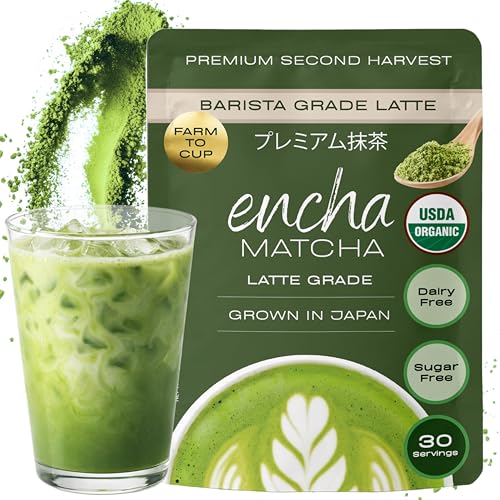
Encha Barista Grade Latte Organic Matcha (30g)
The Details Behind The Selections
SOKYO’s Shizuoka line opens with leaf from Mie Prefecture, one of Japan’s most respected tea-growing regions, and the powder inside reads as seriously crafted. Stone milling preserves the fine texture that froths cleanly under a bamboo whisk, and the shading process (where tea plants are covered from direct sun before harvest) drives a deeper umami and natural sweetness than you’d find in sun-grown alternatives.
For most evenings, this 30g tin hits a nice middle ground. The aroma leans toward roasted grass and a faint nuttiness, and the dry leaf color is a deep, confident green rather than a faded olive. If you care about regional origin and traditional processing, this lands as one of the more considered options on the list.
Good Reasons To Consider
- Single-origin Mie leaf, with the regional character that comes from a single named tea district.
- Shaded cultivation that pushes umami, giving the cup a fuller body without added sugar.
- Stone-ground particle size, which helps the powder suspend smoothly in water instead of clumping.
- 30g tin that suits drinkers who want a steady rotation without committing to a large canister.
Things To Consider
- The smaller tin means you may reorder more often if matcha becomes a daily ritual.
- As with most single-origin Japanese matcha, the dry leaf color can shift slightly between batches, depending on harvest conditions.
Feature Snapshot
Who It Suits Best
Drinkers who treat matcha as a small ceremony, value named-region sourcing, and want a smooth evening cup without the caffeine lift.
Consider Something Else When
You mostly blend matcha into milk or smoothies, in which case KAZAEMON’s smoother Kagoshima profile or Encha’s Latte Grade may be a better daily fit.
Kagoshima is Japan’s leading tencha-producing region (tencha is the shade-grown tea leaf that becomes matcha before it is milled), and KAZAEMON’s 30g tin leans into that lineage. The volcanic soil and warm climate give the powder a brighter, more vibrant green than the typical Uji harvest, and the flavor profile is intentionally smooth and easy to drink, with low bitterness.
Compared with SOKYO’s heavier, umami-forward Shizuoka pick, this one feels lighter on the palate, almost spring-garden green. For drinkers easing into ceremonial-grade matcha without committing to a punchy single-origin, that balance is the main draw.
Why It Works Well
- Sourced from Kagoshima, where volcanic soil and varied cultivars create layered flavor.
- Low-bitterness profile that forgives slightly off-ratio whisking, helpful for newer drinkers.
- Vibrant dry color that holds up in a glass of cold milk, making it latte-friendly.
Honest Caveats
- You may notice more regional variation between batches, since Kagoshima blends often pull from multiple cultivars.
- For traditionalists who prize deep umami, the milder profile can read as restrained.
Made For
Beginners and casual drinkers who want an approachable ceremonial-grade matcha that doesn’t punish an over-steeped cup.
Look Elsewhere When
You want a richer, more savory bowl for traditional preparation, in which case NORITUAL LAB’s Uji ceremonial tin or SOKYO’s Mie pick will likely feel more satisfying.
Akira Matcha from Matcha Konomi is the bulk choice on this list, a 100g tin built for daily drinkers who don’t want to reorder every few weeks. The leaf is shade-grown and stone-milled, then sealed airtight shortly after grinding to slow oxidation, which is the slow breakdown of chlorophyll and aromatic oils that fades a tin’s color and flavor over time.
For shoppers who treat matcha as a kitchen staple rather than a special-occasion leaf, the larger format makes sense. The cup leans toward a well-balanced, slightly grassy profile, and the per-serving cost is meaningfully lower than the smaller ceremonial tins above.
The Helpful Details
- Generous 100g format, around 100 single-gram servings if you keep portioning tight.
- Shade-grown and first-harvest leaf, which typically means a cleaner, less bitter cup.
- Organic cultivation and a balanced flavor that works for both whisked cups and baking.
- Airtight sealing after milling, which helps keep the powder vibrant across weeks of daily use.
Points To Note
- A larger tin is only a value if you actually drink it; opened matcha loses freshness faster than smaller tins stay protected.
- Flavor depth is solid rather than showy, so enthusiasts seeking a regional showcase may want a smaller ceremonial pick.
Quick Facts
Best Suited To
Daily drinkers and home bakers who want a budget-friendly organic ceremonial matcha in a size that outlasts a small tin.
Skip It When
You only drink matcha occasionally, since the larger format may lose vibrancy before you finish it, making Kiyo Matcha’s smaller 40g Signature tin a better rotational match.
DoMatcha’s Summer Harvest is the workhorse of the list, an organic matcha from later-season leaf with a slightly more astringent (a drying, tea-like tannin sensation) profile than first-flush ceremonial picks. The 2.82 oz tin runs about 75 servings, so it sits comfortably in a household where matcha is blended, not whisked.
The flavor stands up to milk, oat milk, and sweet additions, which is exactly why many shoppers reach for summer-harvest grades over the gentler spring leaf. The naturally occurring caffeine and L-theanine (an amino acid linked to calm focus) remain in the cup, though the overall effect of a summer harvest is typically a touch more robust than delicate.
Positive Points
- 75-serving tin, which suits shared kitchens where multiple people reach for matcha during the week.
- Organic and Kosher, which matters for households with specific dietary or sourcing preferences.
- Flavor profile is built for milk, holding up in lattes and smoothies without disappearing.
- Long-running brand presence, which suggests consistent sourcing and supply.
Room For Improvement
- The astringent edge may feel sharp if you prefer the soft sweetness of a first-harvest ceremonial.
- Summer-harvest leaf generally has a less vibrant green color than spring-picked alternatives.
Who Will Love This
Home baristas and smoothie regulars who want a robust matcha that holds its own against milk, sweeteners, and blended ingredients.
Another Choice May Suit
You want a more traditional whisked cup, in which case Encha’s Ceremonial Grade Uji tin offers a softer, more delicate profile.
NORITUAL LAB sources from Uji, the Kyoto-adjacent region long associated with Japan’s most prestigious matcha. The leaf is first-harvest tencha, meaning the youngest spring leaves are picked before the plant is exposed to strong sun, and the milling is slow and gentle to keep the powder whisper-fine.
At 2.50 oz, this tin is larger than most ceremonial options, which positions it for drinkers who want a refined single-origin bowl without the rush of finishing a 30g tin in two weeks. The cup reads smooth and aromatic, with the savory umami that Uji leaf is known for.
Noteworthy Benefits
- Single-origin Uji tencha, the region most associated with classic Japanese ceremonial flavor.
- First-harvest leaf, which typically means a sweeter, less bitter cup.
- 2.50 oz format, a useful middle ground between small ceremonial tins and bulk canisters.
- Gentle milling that preserves the fine powder needed for proper whisking.
Where It May Fall Short
- For most kitchen scales, the tin fits neatly on a shelf but takes a bit more space than 30g options.
- As an exclusively first-harvest Uji leaf, you may find the profile more delicate than punchy.
Perfect Match For
Traditionalists who want a Uji-origin ceremonial matcha in a size that survives several weeks of regular whisked cups.
Reach For A Different Pick When
You mostly blend with milk, in which case the DoMatcha Summer Harvest or Encha Latte Grade will likely outshine a delicate ceremonial bowl.
Kiyo Matcha’s Signature Grade Shuga is positioned as a step up from beginner-grade matcha, crafted in small batches from Japan’s domestic supply chain. The 40g tin is a useful size for drinkers ready to move beyond the entry-level ceremonial leaf into something with more depth.
Compared with NORITUAL LAB’s Uji pick above, this one trades a touch of single-origin purity for small-batch care, and the resulting cup lands as a balanced middle: clearly Uji, clearly ceremonial, and priced for a regular rotation. Depending on your brewing style, the difference is subtle but worth tasting side by side.
The Case For It
- Small-batch production, which usually means tighter control over milling and freshness.
- 40g tin, a useful middle size for drinkers graduating from 30g starters.
- Uji sourcing, which keeps the regional character consistent with traditional expectations.
Small Caveats
- Small-batch output can mean shelf variability between purchases.
- At 40g, it’s neither a small ceremonial tin nor a true bulk value, sitting in an in-between zone.
Feature Snapshot
The Right Fit
Drinkers moving up from a starter matcha who want small-batch care without jumping to the very top of the price ladder.
A Better Fit Elsewhere
You want a larger tin to avoid reordering often, in which case Akira Matcha’s 100g organic ceremonial or NORITUAL LAB’s 2.50 oz Uji tin are more practical rotations.
Satoen sources from Yamamoto in Shizuoka, one of Japan’s most recognized tea regions, and the brand is unusually transparent about testing. Each batch is checked for lead, heavy metals, radiation, and a wide panel of agricultural chemicals, which addresses the most common concerns shoppers raise about imported powdered tea.
The 50g tin hits a useful middle of the list in terms of size, and the cup is smooth and balanced, with the gentle vegetal sweetness that comes from first-harvest leaf grown in the Honyama area. For households that prioritize testing transparency over regional rarity, this lands as a steady, accessible choice.
Where It Helps
- Multi-step safety testing, a genuine differentiator for shoppers worried about contaminants.
- Shizuoka-origin leaf with the region’s classic smooth, slightly sweet character.
- 50g tin, a comfortable size for daily drinkers who finish a 30g tin too quickly.
- Positioned as ceremonial, so it works for both whisked cups and light lattes.
Trade Offs
- For most shoppers, the testing rigor comes at a slight cost premium over comparable ceremonial grades.
- As with any 50g tin, opened matcha is best finished within a few weeks to keep the color bright.
Built With In Mind
Purity-conscious households and shoppers who want a transparent testing story as much as a flavorful cup.
Swap It Out When
You want a heavier umami bowl, in which case SOKYO’s Shizuoka Ceremonial S or NORITUAL LAB’s Uji First Harvest tin will likely feel more assertive.
Encha’s Ceremonial Grade is the brand’s flagship, sourced from organic farms in Uji that the company has worked with for over a decade. The leaf is shade-grown and stone-milled to a whisper-fine powder, and at 60g, this is one of the larger ceremonial tins on the list, built for steady drinkers.
Compared with Kiyo Matcha’s smaller Signature Grade above, this leans into consistency. Long farm relationships tend to deliver a more uniform cup across batches, which is the main reason Encha has held shelf space for years.
The Upside
- Long-standing farm relationships in Uji, which translates to consistent flavor between tins.
- 60g ceremonial tin, generous for daily drinkers who want fewer reorders.
- Whisper-fine grind that foams well under a bamboo whisk.
- Organic certification across the source farms.
Less-Strong Areas
- The larger 60g format only stays fresh if you finish it within a few weeks of opening.
- For most palates, the Uji profile is balanced rather than bold.
Whose Shelf It Belongs On
Drinkers who want a long-trusted organic Uji ceremonial matcha and prefer ordering less often.
Where A Sibling Pick Shines
You mostly want milk-friendly matcha, in which case Encha’s own Latte Grade (next pick) or Barista Grade is purpose-built for that cup.
Encha’s Latte Grade takes the same first-harvest Uji leaf as the ceremonial tin and re-profiles it for milk. The result is a powder that stays smooth and naturally sweet when whisked into dairy or oat milk, with the bitterness dialed back to suit sweeter drinks.
For shoppers who skipped straight to this review, this is the everyday latte tin. Compared with the Ceremonial Grade above, the Latte Grade reads softer and more flexible, sacrificing some of the savory umami for a gentler sip that plays well with vanilla, honey, or a splash of cream.
Practical Pluses
- Built for milk, holding color and flavor in both dairy and plant-based options.
- First-harvest Uji leaf, which gives a cleaner base than later-season alternatives.
- 30g tin, a tidy size that stays fresh across a few weeks of daily lattes.
- Organic sourcing consistent with Encha’s other Uji products.
Small Limitations
- For traditional water-whisk preparation, the latte profile can read as a touch thin.
- At 30g, daily latte drinkers will reorder often.
At A Glance
Who Should Grab It
Iced latte and oat milk drinkers who want a milk-friendly organic matcha without the bitterness of an everyday culinary grade.
Not Your Match When
You drink matcha straight, whisked with water, in which case the Encha Ceremonial Grade tin or NORITUAL LAB’s Uji ceremonial will taste more like the real thing.
Encha’s Barista Grade is the most approachable pick on the list, a precision-blended organic matcha from summer and autumn harvests, formulated to stay smooth and balanced when mixed with milk. It’s the tin Encha points newcomers toward, and it doubles as a culinary ingredient for baking and cooking.
Compared with the Latte Grade above, this one pulls from later harvests, which gives the cup a slightly rounder, less grass-forward profile. The trade-off is a more forgiving flavor that holds up in sweetened drinks, baked goods, and the occasional matcha pancake.
What Pays Off
- Multi-harvest blend that keeps the cup smooth in both dairy and plant milk.
- Versatile across lattes, smoothies, and baking, a true kitchen-staple matcha.
- Organic and unsweetened, leaving room to add your own sweetener.
- 30g tin in a beginner-friendly price band, low commitment for first-time drinkers.
Factors To Consider
- Summer and autumn harvest leaf typically delivers a deeper, less vibrant color than spring-picked alternatives.
Built For
Newcomers, casual drinkers, and home cooks who want a forgiving organic matcha that works in any recipe.
A Better Fit Elsewhere
You want a more traditional whisked experience, in which case the Encha Ceremonial Grade Uji tin is the natural step up from this same family.
What Matters Most When Choosing Decaf Matcha Powders
Decaf matcha starts with the same leaf as regular matcha, then has the caffeine gently removed, typically through a water or CO2 process. The caffeine reduction is only one piece of the puzzle, though, and a few attributes matter more for the actual cup you drink.
Origin and grade tell you most of what you need to know. Single-origin Japanese leaf from named regions like Uji, Shizuoka, or Kagoshima tends to deliver a more transparent flavor than generic blends. Ceremonial grade is generally best for whisked preparation with water, while latte and barista grades are formulated to play well with milk. Depending on whether you drink matcha straight or blended, the right grade shifts.
Shade-grown leaf changes the chemistry. Plants covered from direct sun for several weeks before harvest produce more chlorophyll and L-theanine, the amino acid behind matcha’s calm-focus reputation, and less catechins, the compounds that read as bitter. For most decaf drinkers, a shade-grown claim is a meaningful quality marker.
Milling and freshness drive texture and aroma. Stone-milled powder is finer than mechanically ground alternatives, and finer powder suspends better in liquid. For most kitchens, a tin that was milled and sealed within a few weeks of shipping will taste noticeably brighter than one that sat in a warehouse.
Container size and your drinking rhythm matter more than you’d think. A 30g tin is great for occasional drinkers, but opened matcha loses color and aroma over weeks. Daily drinkers benefit from larger 50g to 100g formats they can finish before the powder turns dull.
Key Considerations Across These Picks
Pitfalls Shoppers Hit
The most common mistake is buying by color alone. A vivid green powder often means more chlorophyll, but it doesn’t guarantee the leaf was shaded long enough or stone-milled fine enough to actually taste balanced. Look for the shading and milling claims alongside the color.
A second trap is treating “matcha” and “green tea powder” as interchangeable. Culinary-grade green tea powder is ground from older leaves and reads harsh in a whisked cup. For drinking, ceremonial or latte grades are the safer picks. Equally, the decaf process varies: water-based methods tend to preserve more of the original flavor than chemical alternatives, and brands that share their process earn more trust.
When Paying More Pays Off
Higher-tier matcha earns its premium through shading duration, single-origin sourcing, and slower stone milling. These show up in the cup as smoother umami, finer texture, and a cleaner finish with less bitterness. For most drinkers, the upgrade is most noticeable in whisked preparation, where there’s nothing to mask the leaf.
The extra money rarely makes sense for baking, where a mid-tier latte or barista grade performs just as well. Save the premium tins for your best cups and reach for value picks when the matcha is sharing the stage with chocolate, sugar, or heavy milk.
Frequently Asked Questions
How is decaf matcha different from regular matcha?
Decaf matcha starts as standard shade-grown green tea, then goes through a process to remove most of the caffeine. The leaf’s antioxidants and L-theanine remain, and the flavor stays close to the original, though subtle notes can shift depending on the method used.
Can I use decaf matcha the same way as regular matcha?
Yes. Decaf matcha whisks, froths, blends, and bakes the same as caffeinated versions. For drinking straight, a ceremonial grade still gives the cleanest cup. For lattes and recipes, a latte or barista grade is purpose-built for that role.
What does shade-grown mean on a matcha label?
Shade-grown means the tea plants were covered from direct sun for several weeks before harvest, which boosts chlorophyll and L-theanine content. The result is a sweeter, more umami-forward cup with less bitterness than sun-grown alternatives.
How should I store an opened tin of decaf matcha?
Keep the tin sealed tight, store it in a cool, dark cabinet away from heat and moisture, and avoid the refrigerator, where humidity and odors can compromise the powder. For most kitchens, finishing a tin within four to six weeks of opening keeps the flavor at its best.
Is ceremonial grade worth the extra cost?
For whisked preparation with water, ceremonial grade generally delivers a smoother, more balanced cup. For lattes, smoothies, and baking, a latte or barista grade performs very well at a lower cost, making it the practical pick for everyday use.
The Takeaway
The right decaf matcha comes down to how you drink it. Whisked traditionalists will find the most to love in Uji and Shizuoka ceremonial tins from SOKYO, NORITUAL LAB, or Encha. Latte and smoothie drinkers will get better value from a milk-friendly grade like Encha’s Latte or Barista tin, or the budget-friendly DoMatcha Summer Harvest. And if you want matcha as a kitchen staple rather than a special leaf, Akira’s 100g organic tin keeps the routine easy without sacrificing too much quality. Start with how you plan to drink it, and the right tin tends to follow.
