

There’s a particular kind of coffee lover who wants the ritual and aroma of a fresh pour without the side effects at bedtime. A quality decaf whole bean gives you full control over grind size, lets you brew in small batches, and keeps the morning routine intact even when you want to sleep by 10. The ten picks below cover single-origin, espresso workhorses, flavored options, and crowd-pleasing grocery staples, so you can match a bean to your gear and your evening schedule.
The Choices Worth Comparing
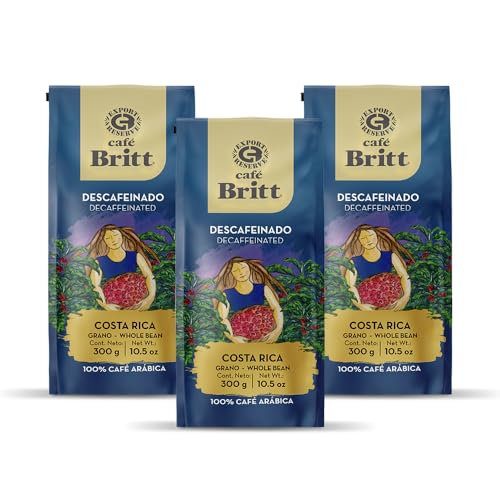
Café Britt Decaffeinated Costa Rican Whole Bean, 10.5 oz, 3-Pack
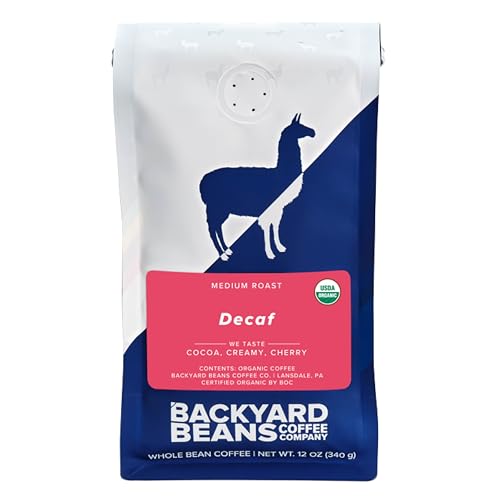
Backyard Beans Seasonal Decaf Organic Medium Roast, 12oz

Starbucks Decaf Caffè Verona Dark Roast, Six 12 oz Bags

Tim Hortons Whole Bean Coffee, 907g (2 lb)

Black Rifle Coffee Just Decaf Medium Roast, 12 oz
Café Britt Decaffeinated Costa Rican Ground, 10.5 oz, 3-Pack
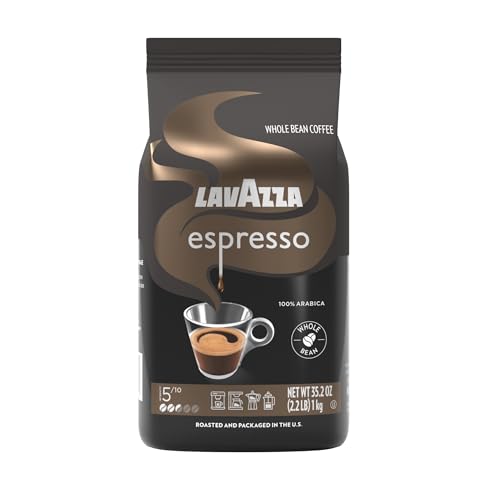
Lavazza Espresso Medium Roast 100% Arabica, 2.2 lb
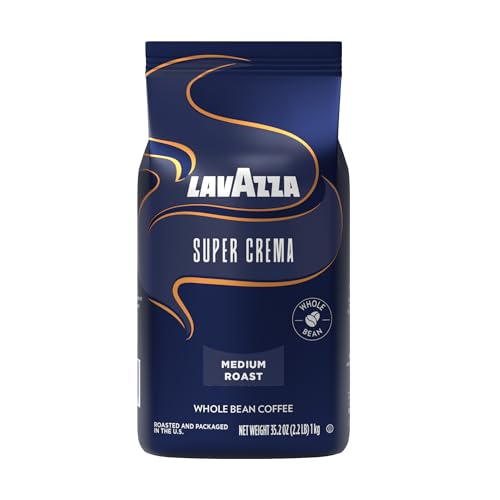
Lavazza Super Crema Medium Espresso Roast, 2.2 lb
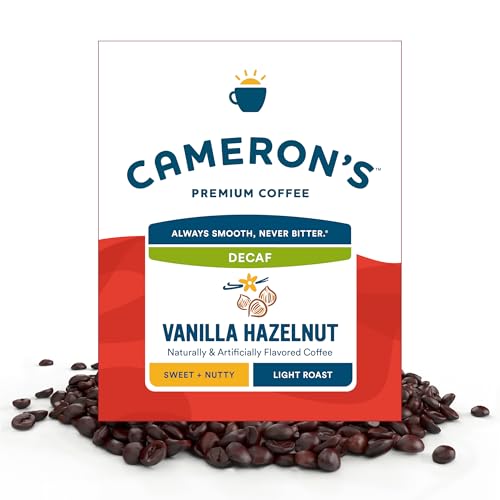
Cameron’s Decaf Vanilla Hazelnut Whole Bean, 4 lb

Lavazza Espresso for Automobili Lamborghini Dark Roast, 2.2 lb
A Breakdown Of The Leading Choices
Costa Rican coffees built around the Strictly Hard Bean grading, which is a quality tier reserved for beans grown at high altitude where slow maturation concentrates sugars, show up here in a three-pack format that suits a household running a drip or pour-over setup. Café Britt decaffeinates using the Mountain Water Method, a chemical-free process that gently removes caffeine by soaking green beans in spring water, so the cup stays close to the original character of the bean. Notes of chocolate, clove, and honey read softly on the palate, with light acidity that flatters both black drinkers and people who add a splash of milk at night.
For folks who want single-origin transparency without spending café prices, this 10.5-ounce triple pack is a sensible entry point. Roasted at origin in Costa Rica and sealed in a triple-layer bag, the beans tend to hold their aroma through the first two weeks after opening if you keep the bag folded tight. Compared to the Backyard Beans pick further down, this one trades organic certification for a more defined origin story, which matters to tasters who want to taste place as much as roast.
What Earns Its Place
- Mountain Water decaffeination preserves aroma without chemical residue, a real plus for sensitive drinkers.
- Strictly Hard Bean sourcing at 3,940 to 4,593 ft gives a denser bean and a more layered cup than commodity decaf.
- Three-pack format spreads the cost over several weeks of morning brews.
- Notes of chocolate, honey, and clove translate well to drip, pour-over, and French press alike.
Trade Offs To Consider
- Light acidity and mild body may feel thin to drinkers who expect a heavier, smoky profile.
- Not organic certified, so clean-label households might prefer Backyard Beans instead.
- Triple-layer bag helps, but opened beans still benefit from an airtight canister within a week.
Feature Snapshot
Best Suited To
Single-origin curious drinkers who want a clean, mild decaf with a real origin story and a multi-pack format that fits a two-to-three-week rotation.
Where Another Pick Suits Better
Shoppers who prioritize organic certification above all else will find the Backyard Beans Seasonal Decaf Organic Medium Roast a more aligned choice.
Backyard Beans leans into a clean-label promise with a seasonal organic decaf medium roast that uses a water-processed, chemical-free approach. For households that already keep organic flour and sugar on the shelf, the certification here closes the loop on a fully traceable morning routine. The 12-ounce format sits in a comfortable middle ground, large enough to last a couple of drinkers through two weeks of weekdays, small enough to stay reasonably fresh without aggressive storage tricks.
What sets it apart from the Café Britt pick above is the explicit organic framing and a medium-roast profile that pulls toward a balanced, easy-drinking cup. The catch is a thinner flavor story overall, with the origin left in the background, so don’t expect the layered chocolate-clove-honey notes of the Costa Rican bean. For most home kitchens, that trade is worth it, especially if you brew in a standard drip machine and value label transparency more than tasting-room nuance.
Where It Delivers
- Organic certification paired with chemical-free water processing appeals to clean-label shoppers.
- Medium roast body suits drip, pour-over, and Aeropress without much fuss.
- 12-ounce bag is approachable for first-time decaf buyers who don’t want a bulk commitment.
Small Caveats
- Less origin character than single-origin picks, so the cup reads more generic.
- Smaller brand footprint means you may need to plan ahead on restocks.
- Commonly reported as best within the first three to four weeks of the roast date, so buy in modest amounts.
Right Fit For
Clean-label households and organic-first shoppers who want a straightforward, easy-drinking decaf without the marketing fluff of bigger roasters.
Swap It Out When
Drinkers chasing a more distinctive origin profile should reach for the Café Britt Decaffeinated Costa Rican Whole Bean instead.
Caffè Verona is one of those flavor profiles that earned its following long before the home-brew market got crowded: dark cocoa, a soft caramelized sweetness, and a full body that holds up to milk or stands alone. The Decaf version keeps that profile, and the six-bag pack means a household can run on this for weeks without reordering. Note that this is a ground coffee, not whole bean, so the pick is built for people who want consistency without managing a grinder.
For anyone used to ordering a decaf Americano at the counter and wanting the same sip at home, the gap between café and kitchen narrows considerably here. The trade is the same one any pre-ground coffee carries: surface area speeds staling, so opened bags need to be folded tight and ideally used within a week or two for peak flavor. Among the picks on this list, only the Cameron’s offering carries a similar flavoring-forward approach, and that one trades Starbucks’ dark cocoa notes for vanilla-hazelnut sweetness.
The Value In It
- Six-bag multi-pack stretches well across heavy daily use.
- Dark cocoa and caramelized-sugar profile stays consistent cup to cup.
- Ground format means no grinder required, ideal for office kitchens or rentals.
Points To Note
- Pre-ground format loses aroma faster than whole bean alternatives.
- Dark roast body can feel heavy for drinkers who prefer brighter, fruitier cups.
Quick Facts
Who It Suits Best
Daily ground-coffee drinkers who want a recognizable dark-roast profile in a multi-pack format that doesn’t need a grinder on the counter.
Look Elsewhere When
If you want single-origin transparency and whole-bean freshness, the Café Britt Decaffeinated Costa Rican Whole Bean will suit you better.
The Tim Hortons 2-pound bag is built for households that go through a pot a day and don’t want to think about restocking. Imported from Canada and certified Kosher, it offers a medium-roast decaf that plays the role of a familiar everyday cup rather than a showpiece pour. The 907-gram format genuinely lowers the per-cup cost, which matters for offices or families where coffee disappears fast.
Flavor-wise, this is a straightforward medium roast without the layered origin notes you’d find in Café Britt or the flavoring twist of Cameron’s. The trade is volume and consistency. If you split a household between decaf in the evening and regular in the morning, a single 2-pound bag covers the decaf side without complaint. Storage is the real concern: once opened, you want an airtight canister out of direct sunlight, otherwise the last quarter of the bag will taste flatter than the first.
Standout Benefits
- 2-pound format delivers a low per-cup cost for heavy brewers.
- Medium roast profile sits in the middle, working for most drip and pour-over setups.
- Kosher certified, which matters for households that track certifications.
A Few Limitations
- Larger bag means you need a proper airtight canister to protect freshness late in the bag.
- Less origin character than the Costa Rican or seasonal single-origin picks.
Perfect Match For
Heavy daily brewers and shared households who want a long-lasting medium-roast decaf without the premium price-per-ounce of smaller specialty bags.
Consider Something Else When
If you’d rather chase single-origin flavor than bulk value, the Café Britt Decaffeinated Costa Rican Whole Bean is the more interesting pour.
Black Rifle’s “Just Decaf” lands in a medium-roast slot that aims for an easy daily driver rather than a flavor-showcase cup. The whole-bean format lets you grind coarse for French press or cold brew, medium for drip, or fine for espresso without committing the bag to a single method. The 12-ounce size suits a couple or a single heavy drinker, and the brand’s roasting style tends toward cocoa and a smooth, slightly buttery finish that flatters a wide range of brewing setups.
Compared to the Lavazza picks further down, this one is roasted in the US and built around American roast conventions rather than Italian espresso tradition, so don’t expect a heavy crema profile. Where it really earns its place is versatility: one bag that handles both your morning pour-over and your weekend cold brew without losing character. For most home kitchens, the honest read is that this is the most “set it and forget it” pick in the lineup.
Strengths Worth Knowing
- Whole-bean format adapts to French press, drip, pour-over, and cold brew.
- Cocoa-and-vanilla-leaning profile is broadly appealing without being polarizing.
- 12-ounce size fits a one-to-two-person household without storage headaches.
Worth Noting
- Less crema than the Lavazza espresso-focused options, so it underperforms in a dedicated espresso machine.
- Mid-tier brand footprint, so the bag’s freshness date is worth checking before purchase.
Who Should Grab It
Multi-method home brewers who want one reliable decaf that covers French press on Sunday and drip on Monday without a flavor compromise.
Another Choice May Suit
Dedicated espresso drinkers chasing a heavy crema should pick the Lavazza Super Crema instead.
For drinkers who love the Café Britt Costa Rican profile but don’t want to manage a grinder, this ground version of the same bean removes the friction. You get the same Mountain Water decaffeination, the same Strictly Hard Bean sourcing, and the same chocolate-honey-clove flavor story, just pre-ground and sealed in a triple-layer bag. The 10.5-ounce triple pack holds about a month of weekday cups for a single drinker, longer for a couple.
The trade is the usual one for pre-ground coffee: ground beans lose aromatic compounds faster than whole beans, so opened bags should be folded tight and used within a week or two for peak flavor. Compared to the whole-bean Café Britt pick earlier in this list, the flavor ceiling sits slightly lower, but the convenience gain is real for office kitchens, dorms, and renters without counter space for a grinder. If you eventually upgrade to a burr grinder, swapping to the whole-bean version is an easy move.
What It Does Well
- Pre-ground format removes the grinder requirement entirely.
- Same Mountain Water decaffeination as the whole-bean sibling pick.
- Triple-layer bag and three-bundle format spread cost over a full month of brews.
Honest Caveats
- Ground coffee loses aroma faster than whole bean, so freshness window is shorter after opening.
- Same Costa Rican flavor profile means the same lighter body, which may feel thin to dark-roast loyalists.
Spec Overview
Made For
No-grinder households, office kitchens, and renters who want the Café Britt Costa Rican flavor story in a pre-ground format.
Not Your Match When
Drinkers who own a burr grinder and value maximum aroma should reach for the Café Britt Decaffeinated Costa Rican Whole Bean instead.
Among the Lavazza options on this list, the Espresso Medium Roast stands out for being 100% Arabica, meaning no Robusta in the blend. For drinkers sensitive to Robusta’s stronger caffeine-note edge and slightly woody finish, that single ingredient line matters. The 2.2-pound bag is a serious commitment, so this is built for the household running an espresso machine or moka pot daily, and it works well in drip and French press as a secondary method.
Intensity here is rated 5/10, which translates to a softer, sweeter cup than the Lavazza Super Crema or the Lamborghini dark roast. Expect a fragrant, slightly floral cup with light crema, ideal for an Americano or a flat white. Compared to the Costa Rican single-origin picks earlier, the trade is that you lose origin character in exchange for a consistent, broadly pleasing Italian-style profile that won’t surprise you cup to cup.
What Stands Out
- 100% Arabica blend avoids the sharper notes of Robusta for a softer cup.
- 2.2-pound bag lowers the per-cup cost for serious espresso households.
- 5/10 intensity rating gives a clear sense of the flavor weight before you brew.
Things To Weigh
- Large format demands a proper airtight canister to maintain freshness over weeks.
- No single-origin transparency, so origin-driven drinkers will prefer the Café Britt picks.
Key Attributes
Whose Shelf It Belongs On
Mild-flavor espresso fans and Arabica purists who run their machine daily and want a low per-cup cost from a single bulk bag.
Where A Sibling Pick Shines
Drinkers wanting a heavier crema and bolder body should reach for the Lavazza Super Crema Medium Espresso Roast instead.
Super Crema is the Lavazza pick most home baristas reach for first, and for good reason. The blend pairs Arabica and Robusta sourced across 15 coffee-growing regions to land on a full-bodied medium roast with a creamy, almost dessert-like finish. In an espresso machine, you get the kind of thick, hazelnut-toned crema that makes a flat white feel intentional. In a moka pot, the same beans produce a richer, more rounded shot than the pure-Arabica Lavazza.
The 2.2-pound bag is a serious commitment and demands an airtight canister once opened, otherwise the last third of the bag loses the crema magic. Compared to the pure-Arabica Lavazza option, this one trades a softer profile for a fuller body and better crema. The package may vary, a small but real consideration if the look of the bag on your counter matters. For most dedicated home-espresso drinkers, this is the practical pick.
Well-Handled Touches
- Arabica-Robusta blend produces a noticeably thicker crema on espresso pulls.
- Medium espresso roast sits in the sweet spot between acidic and smoky.
- 2.2-pound format works out to a sensible per-cup cost for daily espresso households.
Points To Keep In Mind
- Bag packaging may vary, so the look of the bag is not guaranteed between orders.
- Robusta component adds body but also a slight edge that purist Arabica fans may notice.
Built With In Mind
Home espresso drinkers who want a thick crema and a full-bodied cup from a single bulk bag they can rotate through over several weeks.
Reach For A Different Pick When
Robusta-averse drinkers chasing a softer cup should pick the Lavazza Espresso Medium Roast 100% Arabica instead.
Cameron’s flavored decaf is built for the after-dinner cup where you want something dessert-adjacent without the sugar load. The 4-pound bag is the largest on this list, and the 28-ounce pack options exist for shoppers who’d rather not commit to that much bean. Vanilla and hazelnut are layered into the roast rather than sprayed on after, so the flavor holds up across brewing methods better than surface-coated alternatives.
Premium Arabica is the base, which is unusual for a flavored decaf at this size, and the brand’s small-batch roasting approach tends to produce a smoother finish than mass-market flavored coffees. Compared to the Starbucks Decaf Caffè Verona, the flavor direction is completely different, and most households pick one or the other rather than both. If you host brunches or have a household that splits between “regular” and “dessert” coffees, this is the most crowd-pleasing flavored option on the list.
Everyday Wins
- Vanilla-hazelnut flavoring is built into the roast, not sprayed on after.
- 4-pound format is the largest on the list, ideal for frequent entertaining or big households.
- Premium Arabica base keeps the cup from tasting artificial.
Practical Considerations
- 4-pound bag demands serious storage planning once opened.
- Flavoring will dominate origin notes, so single-origin drinkers should skip this pick.
Feature Rundown
Who Will Love This
Dessert-coffee fans, brunch hosts, and households that want a flavored evening decaf without resorting to syrups or creamer tricks.
A Better Fit Elsewhere
Drinkers chasing origin-driven flavor over flavoring should grab the Café Britt Decaffeinated Costa Rican Whole Bean instead.
The Lamborghini-branded Lavazza is the boldest cup in the lineup, a dark roast that pulls from Arabica and Robusta grown across South America, Southeast Asia, and Africa. The profile leans smoky and intense, which makes it a natural fit for milk-heavy drinks like lattes and cappuccinos where the bean has to push through. In a moka pot on the stovetop, you get a thick, almost molasses-like cup that stands up to breakfast food without disappearing.
The 2.2-pound format puts it in the same bulk tier as the other Lavazza picks, so the storage rules apply. The package may vary, which is a small thing but worth knowing if the branded look matters to you. Among dark-roast options, this one is more layered than the Starbucks Decaf Caffè Verona, with a fuller body and a longer finish. If you want a decaf that still drinks like a serious after-dinner espresso, this is the right shelf.
The Good Stuff
- Dark roast intensity holds up to milk-heavy drinks and rich breakfasts.
- Multi-region Arabica and Robusta blend adds depth to the cup.
- 2.2-pound bulk format suits dedicated daily espresso households.
Less Ideal Details
- Dark roast body can feel heavy to drinkers used to medium or light profiles.
- Package design varies between orders, so the look is not consistent.
The Right Fit
Strong-flavor espresso drinkers who want a dark-roast decaf with enough body to anchor lattes, cappuccinos, and moka-pot brews.
Skip It When
Drinkers who want a softer, sweeter cup should pick the Lavazza Espresso Medium Roast 100% Arabica instead.
What Matters Most Before Choosing Decaf Whole Bean Coffees
Decaf Processing Method
The single biggest factor in flavor quality is how the caffeine is removed. The Mountain Water Method, used by Café Britt, soaks green beans in spring water to leach out caffeine without chemical solvents. The water-processed approach used by Backyard Beans follows a similar philosophy. The trade is that both methods are more expensive, which is part of why organic, chemical-free decaf commands a higher per-ounce cost. For most evening drinkers, this is where the cup really lives or dies, because solvent-based processing can leave behind muted or papery notes.
Roast Level and Bean Origin
Roast level decides how a decaf drinks before origin even enters the conversation. Dark roasts (Starbucks Caffè Verona, Lavazza Lamborghini) lean cocoa, caramelized sugar, and smoky, with a heavier body. Medium roasts (Café Britt, Backyard Beans, Black Rifle, Lavazza Espresso, Lavazza Super Crema) tend to retain more origin character and a rounder mouthfeel. Single-origin decaf, meaning beans from one named country or region, gives you traceability and a sense of place; blends trade that traceability for consistency cup to cup. If you want a clear flavor story, pick a single origin. If you want a cup that tastes the same every morning, a blend will serve you better.
Grind Format and Storage
Whole-bean options preserve aromatic compounds longer than pre-ground, but only if you have a burr grinder. The Café Britt ground version exists precisely because not every kitchen does. For whole-bean formats, an airtight canister kept away from sunlight and heat extends the useful life of the bag considerably. For pre-ground picks, opened bags should be folded tight and used within a week or two for peak flavor. The bulk bags (Tim Hortons 2 lb, Cameron’s 4 lb, Lavazza 2.2 lb) all reward serious storage planning, so factor a canister into the purchase if you go large.
Pack Size and Household Demand
Pack size should match how fast you actually drink coffee. A single evening drinker going through one cup a day will find a 12-ounce bag about right for two to three weeks. A two-drinker household might run through a 10.5-ounce triple pack of Café Britt in a month. Heavy daily brewers, or anyone splitting a household between decaf evening and regular morning, will benefit from the 2-pound Tim Hortons or 2.2-pound Lavazza formats, where the per-cup cost drops noticeably.
Key Considerations Across These Picks
Common Shopping Slip Ups
The most common mistake is buying a flavored decaf expecting origin character. Vanilla, hazelnut, and chocolate flavorings are layered in to dominate the cup, so the bean’s actual terroir gets buried. If you want to taste a place, pick a single-origin decaf like the Café Britt Costa Rican and skip the flavored options. Another frequent slip is treating pre-ground and whole-bean decaf as interchangeable. They aren’t, and once you grind a bean, the clock on freshness starts ticking fast. A burr grinder is the single biggest upgrade you can make to a decaf routine.
Where The Extra Money Goes
Higher-tier decaf costs more for two real reasons. First, the decaffeination process itself is more expensive when it skips chemical solvents, and the Mountain Water Method plus organic certification both add cost at the producer level. Second, single-origin transparency means smaller lot sizes, hand sorting, and triple-layer packaging, all of which add up at the shelf. The honest case for spending up: in most kitchens, a quality decaf brewed correctly at home costs less per cup than a café decaf, so the premium pays back over months rather than weeks. The upgrade is worth it if you actually taste the difference; if you drown the cup in cream and sugar, save the money and grab the Tim Hortons 2-pound bag instead.
Frequently Asked Questions
Is whole bean decaf really better than pre-ground?
For most home brewers, yes, because whole bean preserves aromatic compounds longer. Once you grind a bean, surface area increases and staling accelerates. The honest read is that a freshly ground pre-ground decaf still beats a week-old pre-ground one.
What does “Mountain Water Method” actually mean?
It’s a chemical-free decaffeination process that uses spring water to gently remove caffeine from green beans, preserving more of the bean’s original flavor character. The trade is a higher per-ounce cost, but for many drinkers the cup quality justifies it.
How long does an opened bag of decaf whole bean stay fresh?
Most opened whole-bean decaf bags stay at peak flavor for about two to three weeks when stored in an airtight canister away from light and heat. Pre-ground options drop off faster, often within a week or two of opening.
Can I use decaf whole bean in an espresso machine?
Yes, and the Lavazza picks on this list (Super Crema, Lamborghini dark roast, and the pure-Arabica Espresso Medium Roast) are specifically built for espresso preparation. A finer grind and a slightly higher dose usually helps compensate for the lighter crema you get from decaf compared to regular espresso.
Do I need a special grinder for decaf whole bean?
A standard burr grinder handles decaf whole bean without any issue. The grind setting matters more than the machine: coarse for French press and cold brew, medium for drip and pour-over, fine for espresso. Blade grinders produce inconsistent particle size, which leads to uneven extraction, so a burr grinder is worth the upgrade if your budget allows.
Wrap Up
The right decaf whole bean for you depends on what you already own and how you brew. A single-origin medium roast like the Café Britt Costa Rican is the strongest pick for pour-over drinkers who want to taste place, while the Lavazza trio is built for the home espresso crowd. Bulk options from Tim Hortons and Cameron’s make sense when you brew daily and need a low per-cup cost. Match the bag to your gear, store it well, and the evening cup becomes a ritual worth keeping.
