

Sweat looks the same from the outside, but what you reach for afterward matters more than most people realize. The right fitness drink replaces electrolytes, delivers energy without a sugar crash, and keeps you training through the next session. This lineup covers sports hydration, sugar-free energy, organic options, and portable powders, so you can match a bottle or stick to your actual routine instead of guessing at the cooler.
An Overview Of The Picks

RECOVER 180 Organic Sports Hydration Fruit Punch (12-Pack)

Red Bull Sugarfree Energy Drink

Gatorade Thirst Quencher Lemon-Lime 20 oz (12-Pack)
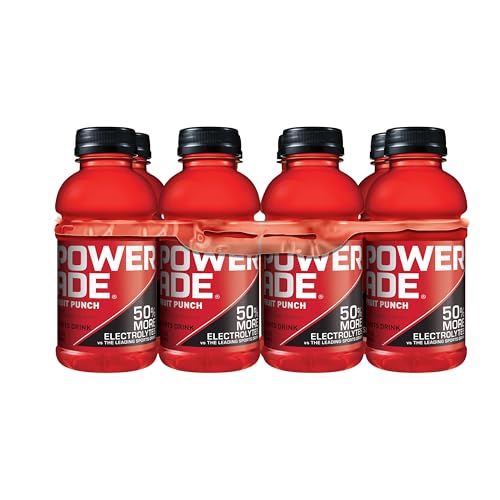
POWERADE Sports Drink Fruit Punch 12 oz (8-Pack)

CELSIUS On The Go Peach Vibe Sticks (14-Pack)

Propel Powder Packets Kiwi Strawberry (50-Count)

RECOVER 180 Organic Sports Hydration Peach Mango (12-Pack)

CELSIUS On The Go Cranberry Lemon Sticks (14-Pack)

RECOVER 180 Organic Sports Hydration Watermelon (12-Pack)
A Breakdown Of The Leading Choices
Where most sports drinks lean on artificial colors and added sugar, this 16.9 fl oz bottle keeps the ingredient list short and recognizable. Each serving lands at just 20 calories, with potassium as the headline electrolyte, B-vitamins and antioxidants rounding out the profile, plus a small percentage of coconut water for a subtle mineral boost. The fruit punch flavor is a friendly starting point for anyone who finds the classic Gatorade taste too syrupy.
You can toss a few bottles in a gym bag, keep them at your desk for midday refills, or hand one off to a kid after practice without worrying about the usual neon dyes. Compared with the Gatorade Thirst Quencher ahead in this list, the trade-off is fewer carbohydrates for fast energy, so distance runners may still want something with more fuel. The 12-pack format is the practical move for households that drink them regularly.
What It Does Well
- No sugar added and just 20 calories per bottle, friendly to calorie-conscious drinkers
- Organic flavors, vitamins, and antioxidants replace the artificial-dye routine
- Potassium-forward electrolyte blend paired with a small percentage of coconut water
- 16.9 fl oz single-serve bottles, easy to grab and go before a session
Worth Noting
- Lower carbohydrate content may feel light for long endurance work
- Organic formulations tend to have a more subtle flavor than mainstream sports drinks
Quick Facts
Best Suited To
Recreational athletes and clean-label shoppers who want a low-calorie sports drink without artificial dyes or sweeteners.
Where Another Pick Suits Better
Long-distance runners logging serious mileage may find the Gatorade Thirst Quencher a better fit, since its carbohydrate content helps replace fuel burned over extended sessions.
The sugar-free version of the original energy drink leans on a familiar formula of caffeine, taurine, and B-group vitamins to deliver a steady-feeling lift. Each 8.4 fl oz can carries roughly the same caffeine as a home-brewed cup of coffee, so you can plan your intake the same way you would around your morning mug. It is sold in multi-can pack formats, which means stocking a fridge for the week is a one-click move.
For a pre-workout boost, late-night study session, or early commute, the small can size is genuinely easy to finish in one sitting. The flavor is unmistakably the standard Red Bull taste without the sugar, which longtime fans tend to appreciate. The honest read is that this is a caffeine vehicle first, a fitness drink second: it does not replace the electrolytes you would want after a heavy sweat session, so pair it with water or one of the electrolyte picks on this list when training is involved.
A Strong Showing
- Sugar-free formula, around the same caffeine as a standard cup of coffee per can
- Compact 8.4 fl oz cans, simple to finish before a workout or commute
- Available in 12-pack and larger multi-pack formats for easy stocking
- Taurine and B-vitamin blend designed to support alertness
Trade Offs
- Not an electrolyte replacement, so it does not cover sweat losses during training
- Caffeine content may be too high for evening use or caffeine-sensitive drinkers
Made For
People who want a familiar, sugar-free pre-workout energy boost without the bulk of a larger can.
Skip It When
You need real electrolyte replacement after a long run or sauna session: the RECOVER 180 Organic Sports Hydration bottle is the better match for actual sweat-driven recovery.
This is the formula that built the category, in a 20 fl oz bottle sized for one training session rather than a quick sip. The Thirst Quencher line is built around replacing what sweat takes out: electrolytes plus carbohydrate energy to top off your body’s preferred fuel source. The lemon-lime flavor is the closest thing to a default sports drink taste, which matters when you are mid-workout and want something predictable.
It shines in the obvious places: high-school and college practices, summer runs, long bike rides, and soccer tournaments where bottles disappear fast. The 12-pack is a household-friendly format, easier than hauling singles to the field. Where it does not fit as cleanly is for people avoiding added sugar or watching calories, and the 20 oz size can feel like a lot if you only want a small top-up between sets. For a lighter option without sugar, the RECOVER 180 bottle in this roundup keeps the electrolyte focus but trims the carb load.
Notable Gains
- Electrolyte blend formulated to replace what sweat removes, not just water alone
- Carbohydrate content to refill fuel stores during longer training sessions
- 20 fl oz bottle, generous enough to cover a full practice or long run
- Lemon-lime flavor with the classic, well-recognized taste profile
Points To Note
- Contains added sugar, which may not align with low-carb or low-sugar diets
- 20 oz size is larger than some gym-goers want for a single session
The Right Fit
Endurance athletes, team-sport players, and anyone training hard in the heat who needs both electrolytes and quick energy in one bottle.
Not Your Match When
You are counting every calorie or avoiding added sugar: the Propel Powder Packets offer electrolyte support with no sugar for that crowd.
POWERADE’s Fruit Punch is positioned as the heavier-electrolyte alternative to the more familiar sports drink, with a 12 fl oz bottle in an 8-pack. The formula layers sodium, calcium, potassium, and magnesium together, and the brand cites a higher electrolyte content compared to a leading competitor. If you are a heavy sweater or train in serious heat, that extra mineral load is the whole reason to consider it.
The 12 oz bottle is the right size for a shorter workout or a between-class refill, sliding easily into a backpack or car cup holder. Flavor variety is one of the quiet wins: the same listing covers fruit punch, grape, mixed berry, and mountain berry blast, so the fridge never gets boring. The trade-off is the added sugar in the standard formula, which may rule it out for shoppers who would rather stick with a zero-sugar option like Propel or the Red Bull Sugarfree can.
Positive Points
- Multi-mineral electrolyte blend with sodium, calcium, potassium, and magnesium
- Cited as higher in electrolytes than a leading competitor, useful for heavy sweaters
- Compact 12 fl oz bottles, easier to finish in one session than 20 oz formats
- Multiple flavor options available, including zero-sugar varieties on the same listing
Honest Caveats
- Standard (non-zero) formula contains added sugar
- Smaller bottle may not be enough for very long training sessions
Who Will Love This
Heavy sweaters, outdoor laborers, and athletes who want a more mineral-dense option than the typical sports drink.
Look Elsewhere When
You want an organic, low-calorie option for everyday training: the RECOVER 180 Peach Mango in this list is a cleaner fit for that profile.
Powder sticks solve a problem cans cannot: packability. Each individual CELSIUS stick pours into a water bottle, shakes up, and delivers a peach-forward energy drink with no sugar. At 200 mg of caffeine per serving, the lift is meaningful but not extreme, sitting well above a small coffee but below the strongest pre-workouts.
Travel is the natural use case: hotel-room water bottles, carry-on bags, weekend hiking packs, and the daily commute. The flavor range is broad, covering blueberry lemonade, dragonfruit lime, kiwi guava lime, and cranberry lemon, so you can rotate through a box without palate fatigue. The honest trade-off is that you are adding one step to your routine, since you need a bottle and a moment to shake it, rather than cracking a ready-to-drink can like the Red Bull Sugarfree earlier in this list.
A Few Strong Suits
- 200 mg caffeine per stick, a meaningful but not extreme pre-workout level
- Sugar-free powder, easy to mix into any water bottle on hand
- Gluten-free, kosher, non-GMO, and vegan-friendly formulation
- Wide flavor rotation: peach vibe, blueberry lemonade, dragonfruit lime, kiwi guava lime
Some Limits To Know
- Requires a water bottle and a moment to mix, less convenient than ready-to-drink cans
- Not an electrolyte replacement, so it pairs with water for sweat-heavy sessions
Feature Snapshot
Best Suited To
Frequent travelers, commuters, and remote workers who want a portable energy boost without carrying bulky cans.
Consider Something Else When
You want a ready-to-drink energy option straight from the fridge: the Red Bull Sugarfree can delivers a similar caffeine load with zero prep.
Propel is essentially flavored water with an electrolyte boost, and the kiwi strawberry powder packet is its most refreshing flavor. Each packet pours into 16.9 fl oz of water, shakes up, and turns an ordinary bottle of plain water into something you actually look forward to drinking. The brand ties back to Gatorade’s electrolyte science, so you are not just getting a flavoring.
For people who find plain water boring during a long workday, this is one of the easier ways to drink more without the sugar load of a full sports drink. The 10-count packs of 5 mean a stockpile lasts a long time, and packets store neatly in a desk drawer or gym bag. The trade-off, similar to the CELSIUS sticks above, is that you need a bottle and water to mix it, and the electrolyte content is lighter than what you get from a Gatorade or POWERADE designed for serious training.
Noteworthy Benefits
- Zero-sugar electrolyte boost that makes plain water more drinkable
- Single-serving packets, simple to toss in a bag or lunchbox
- Backed by the same parent brand as Gatorade for electrolyte formulation
- Multi-pack format (10-count packs of 5) for long-term stocking
Practical Considerations
- Lower electrolyte density than full sports drinks, so not ideal for heavy sweat
- Requires a water bottle and a few seconds of shaking to prepare
Perfect Match For
Office workers, casual walkers, and anyone who wants to drink more water throughout the day with light electrolyte support.
A Better Fit Elsewhere
Long training sessions call for a heavier electrolyte load: the Gatorade Thirst Quencher in this roundup covers that case more directly.
Same clean RECOVER 180 formula as the fruit punch earlier, this time dressed up in a peach mango flavor that leans tropical. Twenty calories per bottle, no sugar added, potassium-forward electrolytes, and a small percentage of coconut water to round out the mineral profile. The flavor lands soft and fruity, less aggressive than the typical sports drink citrus profile.
For people who bounce off the standard lemon-lime and fruit punch options, peach mango is the kind of flavor that makes the bottle easier to finish. It is a strong fit for hot yoga, beach runs, and morning hikes when a tropical note feels right. The 12-pack format also makes it easy to share with family members or rotate into a weekly fridge routine. Just note that, like its RECOVER 180 siblings in this list, it is light on carbohydrates, so for serious endurance work, pairing it with a snack or choosing a higher-carb option like Gatorade Thirst Quencher is the more complete move.
Everyday Advantages
- Peach mango flavor is a refreshing change from standard sports drink options
- Same low-calorie, no-sugar-added profile as the rest of the RECOVER 180 line
- Potassium-forward electrolytes paired with coconut water and B-vitamins
- 16.9 fl oz single-serve bottles, convenient for gym bags and lunch boxes
Soft Spots
- Carbohydrate content is light, which may not match the needs of long endurance sessions
- Peach mango taste can vary bottle-to-bottle in organic formulations
Whose Shelf It Belongs On
Flavor-sensitive drinkers and clean-label shoppers who want a tropical twist on a low-calorie sports drink.
Another Choice May Suit
You need maximum carbohydrate replacement for a marathon-length effort: the Gatorade Thirst Quencher in this list is the better fuel source for that case.
The cranberry lemon flavor brings a tart, citrus-berry edge to the CELSIUS stick format, which is a useful break from the sweeter peach and fruit punch options in this category. The base formula is the same: 200 mg of caffeine per stick, sugar-free, blended with seven essential vitamins, and easy to mix into a standard water bottle.
The portability story is the real sell. Sticks slide into a laptop bag, a carry-on, or a hiking-pack side pocket, and they weigh essentially nothing. For mid-afternoon slumps, this is one of the cleaner ways to add a caffeine lift without reaching for another coffee or a high-sugar energy drink. The trade-off, identical to the Peach Vibe variant above, is that you are committing to the powder-and-bottle routine, and the product is not designed to replace electrolytes lost through sweat, so you would still want the RECOVER 180 or Gatorade alongside it on a training day.
Benefits That Matter
- Cranberry lemon flavor, brighter and less sweet than typical energy drink options
- 200 mg caffeine per stick, with seven essential vitamins mixed in
- Sugar-free, gluten-free, kosher, non-GMO, and vegan-friendly
- Powder stick format keeps the gym bag light and uncluttered
Points To Keep In Mind
- Needs a water bottle and a moment of shaking to mix, not grab-and-go
- Designed for energy, not for replacing sweat-driven electrolyte loss
Built With In Mind
People who want a tart, lower-sugar afternoon pick-me-up they can mix at their desk or in a hotel room.
Where A Sibling Pick Shines
For a ready-to-drink caffeine option with zero prep, the Red Bull Sugarfree earlier in this list is the simpler swap.
Watermelon is the most seasonal flavor in the RECOVER 180 trio, and the lightest on the palate. Same 20 calories, no sugar added, potassium-heavy electrolyte profile, and a small dose of coconut water to round it out. The watermelon note reads clean and natural rather than candy-like, which matters when you are drinking one after a hot run.
It is the strongest match for outdoor summer sessions: morning runs, beach workouts, lawn games, and warm-weather hikes. The 16.9 fl oz bottle is easy to chill ahead of time and easy to toss in a cooler. The honest read, in line with the rest of the RECOVER 180 lineup, is that this is a clean-ingredient hydrator, not a carbohydrate-loading endurance fuel, so for runs over an hour you will likely want to pair it with a snack or switch to a higher-carb option like Gatorade Thirst Quencher.
Real Benefits
- Watermelon flavor feels refreshing and summery, easy to drink in the heat
- Low-calorie, no-sugar-added organic formula with potassium and antioxidants
- Single-serve 16.9 fl oz bottles, convenient for coolers and gym bags
- Coconut water inclusion adds a small mineral bump on top of the base formula
A Few Limitations
- Not a high-carbohydrate fuel, so light for endurance efforts over an hour
- Watermelon flavor can read subtle to drinkers used to sweeter sports drinks
Right Fit For
Outdoor cardio fans and warm-weather athletes who want a clean, low-calorie watermelon hydrator.
Reach For A Different Pick When
You need the convenience of a powder stick for travel: the CELSIUS Cranberry Lemon in this list covers that scenario more directly.
What To Weigh Before Choosing A Fitness Drink
Match The Drink To Your Sweat Level
The honest way to choose is to start with how much you actually sweat. Short walks, light yoga, and desk-day hydration need a lighter electrolyte touch, where the Propel Powder Packets or RECOVER 180 line do the job without overdoing the sugar or calories. Hard training sessions in the heat, on the other hand, call for a denser electrolyte profile and quick carbohydrate energy, which is where Gatorade Thirst Quencher and POWERADE earn their place. Matching the drink to the intensity prevents both under-replacement and the bloated, too-sweet feeling that comes from sipping a full sports drink between meetings.
Carbs And Calories Are Not The Same Thing
Carbohydrate content and calorie content are related, but the difference matters for different goals. Endurance athletes training for over an hour need carbs to keep topping off glycogen stores, and a Gatorade-style formula serves that purpose. People watching calories, fasting intermittently, or just trying to hydrate without spiking intake benefit more from the 20-calorie RECOVER 180 bottles or sugar-free Propel mixes. Energy drinks like Red Bull Sugarfree and CELSIUS live in a third lane, focused on caffeine and alertness rather than fluid replacement, so they pair with water rather than replace it.
Consider The Form Factor
How you actually live plays a big role. Cans and bottles are grab-and-go, with no prep, which works for commutes and car fridges. Powder sticks and packets travel lighter and store easily in drawers and carry-ons, but require a bottle and a moment of shaking. For households, multi-pack formats are the practical move, while single bottles suit trial runs. Match the format to where you will be drinking it, not just to the flavor on the label.
Watch The Ingredient List
A short ingredient list is not a marketing trick; it usually means fewer surprises. Organic, no-artificial-dye options are worth considering for kids, sensitive stomachs, or anyone who prefers to keep the additive count low. B-vitamins, antioxidants, and a small amount of coconut water are quiet bonuses that show up in cleaner lines. If a drink is doing too much, it is often because it is trying to be an energy product and a recovery product at the same time, which is a sign to be specific about what you actually need.
Key Considerations Across These Picks
Mistakes Worth Dodging
The most common slip-up is using an energy drink as a workout hydrator. Red Bull Sugarfree and CELSIUS sticks are built for caffeine delivery, not for replacing what you lose through sweat, and treating them as recovery drinks misses the point. Another trap is assuming all sports drinks are interchangeable: a 20-calorie organic option and a 20 oz sugar-loaded classic are very different products under the same shelf label. Read the front-of-pack for the calorie and sugar numbers, and the back for the electrolyte breakdown, before assuming two bottles do the same job.
What The Higher Tier Buys
Paying a bit more in the fitness drink category usually buys cleaner ingredient sourcing, organic certification, lower sugar, or a more considered electrolyte blend. The RECOVER 180 line is a good example: it costs more than a standard sports drink because the formulation skips artificial sweeteners, dyes, and flavors, and uses organic inputs. You also tend to pay for format convenience, like portable powder sticks that travel well or multi-packs designed to last a full training block. The upgrade is worth it when the ingredients align with your goals, and worth skipping when you are simply hydrating casually and a more basic option covers it.
Frequently Asked Questions
How Often Should You Drink A Fitness Drink?
For most recreational exercisers, a fitness drink makes sense around harder workouts, long outdoor sessions, or very hot days, rather than with every glass of water. Daily light movement usually only needs plain water, with an electrolyte option like Propel or RECOVER 180 added when sweat or heat rises.
Is It Better To Pick Sugar-Free Or Regular Sports Drinks?
Sugar-free options work well for everyday hydration, fasted training, or low-carb eating plans. Regular formulas with sugar and carbohydrates make more sense during long endurance sessions, where the carbs help top off fuel stores and delay fatigue. Match the formula to the effort, not the label.
Can Fitness Drinks Replace Water Entirely?
No, and they are not designed to. Water is still the foundation of daily hydration, while fitness drinks add electrolytes, carbs, or caffeine for specific training scenarios. Think of them as a tool for certain workouts, not a full replacement for the water you drink throughout the day.
Are Powder Sticks As Effective As Bottled Drinks?
Powder sticks deliver the same active ingredients as bottled versions once mixed, with the trade-off of convenience. They travel lighter, store easier, and let you control the strength by adjusting the water volume. Bottled drinks win on speed and zero prep, which matters on rushed mornings.
Do Fitness Drinks Actually Help Recovery?
The right fitness drink can support recovery by replacing key electrolytes and, in some cases, topping off carbohydrate stores. Clean options with potassium, B-vitamins, and antioxidants are especially useful after long, sweaty sessions, while caffeine-focused energy drinks are better for alertness than for actual recovery.
Closing Thoughts
The right fitness drink is the one that matches your effort level, your dietary goals, and the format you will actually reach for. Clean-label options like the RECOVER 180 trio cover everyday hydration, classic Gatorade and POWERADE handle tougher sweat sessions, and CELSIUS or Red Bull fill the caffeine lane. Try one that fits the workout you already do, not the workout you wish you did, and adjust from there as your routine changes.
