

Craving coffee at 8 p.m. without staring at the ceiling until 2 a.m.? Decaf has come a long way from the flat, vaguely nutty afterthoughts of a decade ago, and the flavored side of the aisle is where the category really wakes up. The picks below balance origin character, roast level, decaffeination method, and actual flavor integration, so you get a cup that tastes intentional rather than apologetic. Whether you brew espresso, pour-over, French press, or a trusty drip machine, there’s something here built for your evening ritual.
A Snapshot Of The Selections
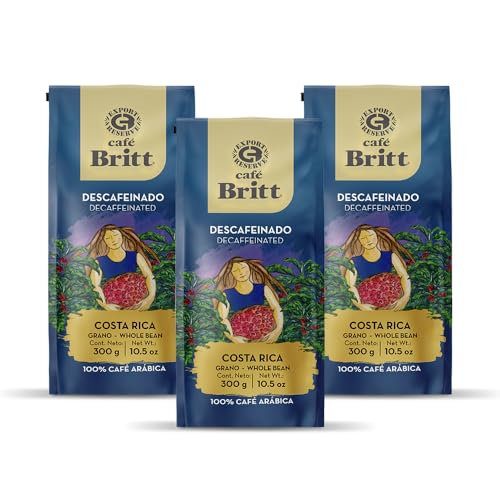
Café Britt Decaffeinated Costa Rican Coffee 3-Pack

ORFEU Special Coffee Classic Roasted Beans 250g
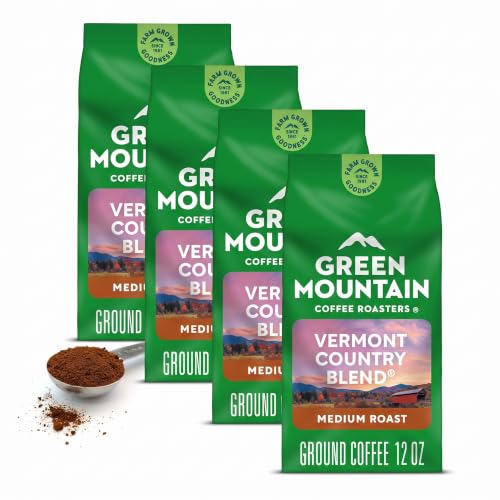
Green Mountain Vermont Country Blend Ground 12oz 4-Pack

Danger Coffee Whole Bean Medium Roast 10.9 oz

Coffee Bean Direct Italian Roast Espresso 5lb
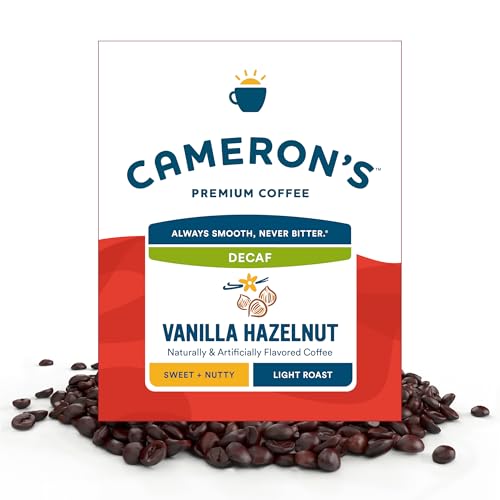
Cameron’s Decaf Vanilla Hazelnut Whole Bean 4 lb

Danger Coffee Decaf Ground Medium Roast 10.9 oz

Coffee Bean Direct Decaf Penny Pincher’s Dark Roast 5lb

Coffee Bean Direct Ethiopian Yirgacheffe 5lb
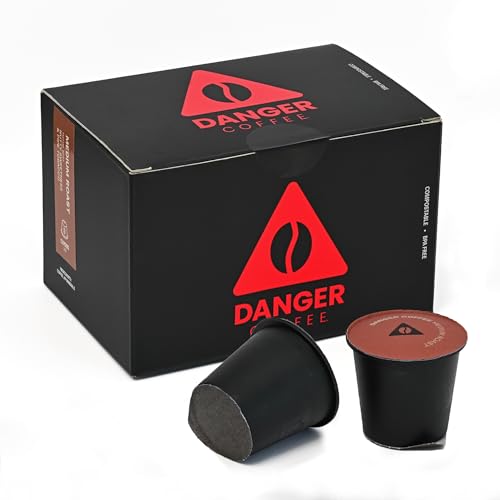
Danger Coffee Compostable Pods Medium Roast 12ct
A Closer Look At Each Pick
Costa Rican coffee has a quiet reputation for balance, and Café Britt leans into it with a single-origin decaf built around Strictly Hard Bean (SHB) lots grown at high altitude. The three-pack format gives you roughly 31.5 oz of whole bean coffee, sealed in triple-layer bags to slow staling once you crack the first one open. Compared to the flavored options later in this list, this one stays closer to the bean, so the natural Costa Rican character leads.
Roasted at origin in Costa Rica, the dark roast profile adds body and a touch of bittersweet cocoa, while the Mountain Water decaffeination process (a method that uses spring water rather than chemical solvents to extract caffeine) keeps the aromatics intact. In a French press, you’ll taste dark chocolate, a clean honey sweetness, and a faint clove warmth on the finish. The beans are dense and oily enough for espresso if you grind fine enough, though drip and pour-over are where the subtle notes show up best.
The Value In It
- Mountain Water Process removes 99.9% of caffeine without chemical solvents, preserving flavor
- Single-origin SHB beans from 3,940 to 4,593 ft elevation give depth and structure
- Triple-layer retail bag helps protect freshness between brew sessions
- Notes of chocolate, honey, and clove offer natural complexity without added flavoring
- Whole bean format keeps aromatics sealed until you grind
Things To Consider
- Roasted at origin and shipped, so bag dates matter; check for a recent roast stamp
- Three-pack takes up pantry space and may be more coffee than a light decaf drinker needs
Quick Facts
Who It Suits Best
Single-origin fans and evening pour-over drinkers who want a chemical-free decaf with genuine Costa Rican character.
Where Another Pick Suits Better
Reach for the Coffee Bean Direct Decaf Penny Pincher’s Dark Roast if you want a bigger 5 lb bag and care more about per-ounce cost than origin story.
ORFEU is a Brazilian specialty roaster, and the Classic Roasted Beans lean into what Yellow Bourbon (a prized Arabica varietal known for sweet, aromatic cups) does best: a clean, sweet, slightly floral cup with gentle acidity. The 250 g (8.8 oz) bag is modest by American standards, but it’s a sensible size for someone who wants to taste the coffee without committing to a pound. Compared to the Costa Rican dark roast from Café Britt, this one sits at the opposite end of the spectrum: lighter, quieter, and more aromatic.
The medium roast pulls the cup toward caramel and soft red fruit, with a velvety body that suits pour-over, Chemex, and Aeropress. You may find the floral notes get a bit lost behind milk, so a black or lightly sweetened brew shows the character best. As a flavored decaf option, it acts more as a refined base: not a flavored coffee per se, but one that already has personality baked in.
The Helpful Details
- 100% Arabica, Yellow Bourbon varietal, offering natural sweetness and a refined cup
- Medium roast preserves delicate floral and fruit notes
- Smaller 250 g bag suits explorers trying a new origin
- Balanced acidity and soft body work well for filter brewing
Worth Noting
- Light, aromatic profile flattens quickly if you add a lot of milk or sugar
- Smaller bag means more frequent repurchasing for daily drinkers
- Less ideal for espresso machines that need a denser, more developed roast
Right Fit For
Black-coffee drinkers and filter-brewing enthusiasts who want a naturally aromatic, low-caffeine Brazilian cup without added flavoring.
Swap It Out When
Pick the Café Britt Decaf instead if you want darker chocolate notes and a bigger package for everyday use.
Green Mountain Coffee Roasters built a reputation on accessible, easy-drinking blends, and the Vermont Country Blend is one of their most familiar. The four-pack delivers 48 oz of pre-ground coffee, which is plenty for a household, a small office, or anyone running a daily drip brewer. The profile is intentionally middle-of-the-road: a mix of light and dark roasts that smooths out sharp edges.
Tasting notes lean toward mellow toast and brown sugar, with a clean finish that doesn’t demand attention. As a flavored decaf option, this one doesn’t add syrupy flavorings; instead, the blend construction itself does the heavy lifting. It plays well with cream and sugar, holds up in auto-drip machines, and forgives inconsistent water temperatures. The four-pack format makes it a sensible default for households that want a decaf always on the counter without worrying about running out.
Real Benefits
- Pre-ground convenience skips the grinder entirely
- Blend of light and dark roasts creates a forgiving, balanced cup
- Brown sugar finish pairs well with cream or plant-based milk
- Four-pack format keeps you stocked for weeks
Points To Keep In Mind
- Ground coffee loses aroma faster than whole bean once opened
- Profile is mild, so dedicated single-origin fans may find it uneventful
Feature Snapshot
Best Suited To
Busy households, shared kitchens, and small offices that want a steady, crowd-friendly decaf without any guesswork.
Not Your Match When
Skip this one in favor of the Coffee Bean Direct Ethiopian Yirgacheffe if you want bright citrus and floral character instead of a smooth, mellow cup.
Danger Coffee is built around a “clean coffee” pitch, and the whole bean medium roast leans into that positioning. The beans are Specialty Coffee Association (SCA) graded, meaning they meet the trade group’s cup-quality benchmarks, and lab-tested for mold and impurities, which is a specific concern for some shoppers. Sourced farm direct from Central America, the 10.9 oz bag is on the smaller side, but the quality angle is the main draw.
The remineralization process adds fulvic and humic acids (naturally occurring organic compounds found in soil and sediment) to the beans, which the brand positions as a nutritional upside. Tasting notes are warm caramel and a nutty sweetness, finishing smooth without bitterness. It pairs well with a high-fat brew method, though it holds up just fine in a standard drip machine. The medium roast sits comfortably between the dark Café Britt and the lighter ORFEU on the spectrum.
Where It Helps
- SCA-graded beans confirm specialty-tier cup quality
- Lab-tested for mold, addressing a common coffee-storage concern
- Remineralization with fulvic and humic compounds is a unique differentiator
- Nutty caramel profile works in drip, pour-over, or blended brews
Honest Caveats
- Smaller 10.9 oz bag runs out fast for daily drinkers
- Remineralization claims are brand-specific and won’t appeal to every shopper
Perfect Match For
Clean-coffee enthusiasts and biohacking-curious drinkers who want specialty-grade beans with third-party lab verification.
A Better Fit Elsewhere
Choose the Cameron’s Decaf Vanilla Hazelnut instead if you prefer a true flavored profile and a much larger 4 lb bag.
Coffee Bean Direct is a roaster that plays in the bulk-and-value lane, and the Italian Roast Espresso is a 5 lb bag of whole bean coffee aimed at home baristas who pull shots daily. Italian roast sits at the dark end of the spectrum, almost approaching the edge of second crack (the audible popping stage where oils fully emerge) for a smoky, low-acidity cup. If you like your espresso the way classic Italian cafes serve it, this is the roast profile to chase.
The cup leans into dark chocolate, a deep nutty undertone, and a heavy body that holds up against milk. It works in moka pots, lever machines, and standard espresso setups, though you’ll want a burr grinder that can handle the oily beans without clogging. Compared to the Cameron’s Vanilla Hazelnut, this is a no-nonsense, deeply roasted workhorse, not a flavored coffee in the syrupy sense.
Real-World Strengths
- 5 lb bag offers strong per-ounce value for daily espresso drinkers
- Dark Italian roast produces heavy crema and bold body
- Low acidity makes it gentler on sensitive stomachs
- Whole bean format keeps oils sealed until you grind
Trade Offs
- Dark roast can smoke up small grinders, so a burr grinder is recommended
- 5 lb bag is bulky and benefits from airtight secondary storage
- Flavor profile is bold but doesn’t suit fans of light, fruity coffees
Quick Facts
Whose Shelf It Belongs On
Home espresso enthusiasts and moka pot users who want a dark, full-bodied cup without paying single-origin prices.
Look Elsewhere When
Go with the Coffee Bean Direct Ethiopian Yirgacheffe if you’d rather explore bright, floral, light-roasted character.
If you actually want a flavored decaf rather than a naturally aromatic one, Cameron’s is the clearest entry on this list. The Vanilla Hazelnut blend mixes premium Arabica beans with added vanilla and hazelnut flavorings, giving you the dessert-style cup that pairs well with after-dinner conversation. The 4 lb bag is generous, and the whole bean format protects the added flavors from going stale too quickly.
Cameron’s is a small-batch roaster, and the brand’s positioning emphasizes smooth, hand-crafted coffee. The Vanilla Hazelnut reads as sweet, nutty, and creamy in the cup, especially when brewed as a drip coffee. You may find the flavoring a touch strong for straight espresso, but it works beautifully in lattes and as a sweet morning ritual. Compared to Danger Coffee’s whole bean, this one trades clean-coffee positioning for indulgent flavor.
A Strong Showing
- True flavored profile with vanilla and hazelnut notes
- Large 4 lb bag suits households that drink decaf daily
- Small-batch roasting supports consistency across batches
- Whole bean format preserves the added aromatics
Things To Consider
- Added flavoring means the bean origin stays a secondary player
- Sweet profile can feel cloying if you drink it black without anything to balance it
- 4 lb bag needs an airtight container once opened to keep the flavoring fresh
Who Should Grab It
Dessert-coffee fans and after-dinner drinkers who want a sweet, flavored decaf that doubles as a treat.
Another Choice May Suit
Pick the Café Britt Decaf if you want a single-origin cup with no added flavorings and a cleaner ingredient story.
The Danger Coffee Decaf Ground takes the same clean-coffee philosophy as the whole bean version and swaps the burr grinder for convenience. Decaffeinated using the Swiss Water Process, a method that soaks beans in water to extract caffeine without chemical solvents, this version preserves 99.9% of the flavor while stripping out the stimulation. The 10.9 oz bag is small, but the medium grind suits drip machines, pour-over cones, and single-serve drippers.
The cup profile leans into dried fruit and a soft pastry sweetness, with low acidity that feels easy on the stomach. Danger Coffee sources from family-owned farms in Colombia and roasts on demand in the U.S., which matters if freshness is high on your list. The third-party lab testing for mold and mycotoxins (toxic compounds produced by certain molds) is the same quality gate as the caffeinated version, so decaf drinkers don’t get a discount on safety.
Advantages To Know
- Swiss Water Process decaf is 100% chemical-free
- Pre-ground medium grind works with most home brewers
- SCA-graded beans from Colombian family-owned farms
- Remineralized with 50+ trace minerals for the brand’s signature positioning
Small Caveats
- Ground format loses aroma faster than the whole bean sibling
- 10.9 oz bag runs out quickly for daily decaf households
Feature Snapshot
Who Will Love This
Drip-brewer owners who want a solvent-free decaf with the quality controls of a specialty roaster.
Reach For A Different Pick When
Choose the Danger Coffee Whole Bean instead if you grind fresh and want a longer shelf-stable option.
The Penny Pincher’s blend is Coffee Bean Direct’s everyday-value decaf, and it lives up to the name. The 5 lb bag is aimed squarely at daily decaf drinkers who care more about per-ounce cost than fancy origin labels. Dark roasted for an intense, low-acid cup, this is the kind of decaf you can keep on the counter and not worry about.
Tasting notes run toward dark chocolate, molasses, and a faint black cherry lift, with a balanced body that holds up to cream. It’s a versatile workhorse: drip, French press, or moka pot all work fine. Compared to the Café Britt 3-pack, you’re trading single-origin story and origin roasting for sheer volume and value. If you drink decaf every evening and want one bag to last, this is the practical pick.
What Helps Most
- 5 lb size delivers strong per-ounce value for heavy drinkers
- Dark roast produces bold, low-acid flavor that suits evening brewing
- Works across drip, French press, and moka pot methods
- Whole bean format lets you grind to match your brewer
Possible Compromises
- 5 lb bag needs an airtight container to stay fresh past the first month
- Bold dark-roast character won’t satisfy fans of lighter, fruitier cups
Who Should Grab It
Daily decaf households and budget-focused drinkers who want a steady supply of bold, dark-roasted coffee.
Where A Sibling Pick Shines
Go with the Coffee Bean Direct Italian Roast Espresso if you want a similarly priced bag tuned specifically for espresso machines.
Ethiopian Yirgacheffe is one of the most celebrated origins in specialty coffee, and Coffee Bean Direct offers it in a 5 lb bag built for adventurous drinkers. Light roasted to preserve the bean’s character, this is a coffee that wants to be brewed carefully: pour-over, Chemex, or a precise Aeropress. The 5 lb size is unusual for a single-origin, so it suits someone who already knows they love Yirgacheffe and wants to commit.
The cup delivers bright citrus, a wine-like complexity, and floral aromatics that shift as the coffee cools. Medium acidity gives it lift, and a smooth body keeps the cup from feeling sharp. It drinks well black, where you can actually taste the origin, and it pairs better with light sweeteners than heavy cream. Compared to the dark Penny Pincher’s, this is the opposite end of Coffee Bean Direct’s lineup.
Strong Points
- Single-origin Ethiopian Yirgacheffe with bright citrus and floral character
- Light roast preserves the bean’s signature complexity
- 5 lb bag gives long-lasting value for a known favorite
- Whole bean format protects delicate aromatics
Trade-Offs To Consider
- Light roast requires a quality grinder to extract well
- Bright, complex cup can polarize drinkers used to dark blends
- 5 lb of light roast is a lot of coffee; storage matters
Built With In Mind
Pour-over enthusiasts and home brewers who want a citrusy, floral cup without paying café markup.
Skip It When
Pick the Coffee Bean Direct Italian Roast Espresso if you prefer bold, chocolatey espresso shots over delicate single-origin cups.
Single-serve pod machines get a bad rap for watery coffee, but the Danger Coffee Compostable Pods try to fix that. Each pod holds 16 g of coffee, which is more than many mainstream pods pack in, and the grounds are compressed into a dense brew bed for fuller extraction. The 12-count box is small, but the format is built for convenience, not stockpiling.
The pods are 100% compostable, including the materials, and you can toss the whole pod without separating components, a small but real upside over plastic alternatives. Tasting notes are nutty sweetness with a touch of pipe tobacco, finishing smooth. It’s the same Danger Coffee Medium Roast profile, just in a different format. If your morning is a Keurig or similar machine and you want something cleaner than the standard options, this is worth a try.
What Earns Its Place
- 16 g of coffee per pod delivers a fuller single-serve cup
- 100% compostable materials, no plastic separation required
- Dense brew bed engineering reduces bitterness and wateriness
- Mold-tested, lab-verified coffee inside each pod
Points To Watch
- 12-count box is small for daily households and runs out quickly
- Per-pod cost is higher than brewing from whole bean or ground
Who Should Grab It
Single-serve pod-machine owners who want a cleaner, fuller cup without the plastic waste of mainstream pods.
Look Elsewhere When
Choose the Danger Coffee Whole Bean instead if you have a grinder and want a more economical everyday format.
What To Weigh Before Choosing Flavored Decaf Coffee Beans
Flavored decaf lives at the intersection of three decisions: roast level, decaf method, and flavor approach. Roast level sets the cup’s body. Light roasts show off origin character (citrus, florals, wine), medium roasts balance sweetness and acidity, and dark roasts trade nuance for boldness and lower acid. For evening drinking, a medium or dark roast often sits easier on the stomach than a bright light roast.
Decaf method shapes what stays in the bean. The Mountain Water Process and Swiss Water Process both use water instead of chemical solvents to extract caffeine, which preserves more of the original flavor. Both remove 99.9% of caffeine, so the difference is really about cup quality and processing philosophy, not stimulation.
Flavor approach divides the category into two camps. Some decaf drinkers want naturally aromatic beans with chocolate, fruit, or nut notes built into the cup. Others want explicit flavoring (vanilla, hazelnut, caramel) added during or after roasting. Both are valid, but the ingredient story differs: naturally aromatic decaf tends to read as a single-origin coffee, while flavored decaf leans toward a dessert-style treat. Pick the one that matches the moment you want the cup to fill.
Grind and format matter too. Whole bean stays freshest but requires a burr grinder. Pre-ground is convenient but loses aroma faster. Pods trade freshness and per-cup cost for machine compatibility. A 5 lb bag is great for daily drinkers with airtight storage, while smaller bags suit occasional sippers.
Key Considerations Across These Picks
Traps First Timers Fall Into
New decaf shoppers often grab the cheapest bag on the shelf and end up with a flat, burnt-tasting cup that confirms every decaf stereotype. Decaf coffee is more expensive to produce than regular coffee because of the extra decaffeination step, so a suspiciously low price often means low-grade green beans. The other common slip is assuming “decaf” means “no caffeine at all.” Both Mountain Water and Swiss Water processes remove about 99.9% of caffeine, which is a small amount in a typical cup, so highly caffeine-sensitive drinkers should still check the decaf method and serving size.
When Paying More Pays Off
Higher-tier decaf earns its premium in three places: bean quality, decaffeination method, and freshness. Specialty-grade single-origin beans, sourced from farms paid above commodity prices, deliver cup complexity that mass-market decaf rarely matches. Solvent-free decaf methods like Mountain Water and Swiss Water cost more to run, but they leave more of the original flavor intact. Smaller roasters that ship quickly after roasting also charge more, because fresh decaf tastes noticeably different from decaf that has been sitting on a shelf for months. The upgrade is worth it if you drink decaf daily and want the cup to feel intentional rather than routine.
Frequently Asked Questions
How is decaffeinated coffee made?
Most quality decaf uses either the Mountain Water Process or the Swiss Water Process, both of which remove caffeine using water instead of chemical solvents. Beans are soaked in water, caffeine migrates out, and the water is filtered to remove caffeine before the beans are reintroduced.
Does flavored decaf coffee have caffeine?
Yes, but only trace amounts. Both methods listed above remove about 99.9% of caffeine, so a typical 8 oz cup contains a few milligrams rather than the 80 to 100 mg in a regular cup.
How long does flavored decaf stay fresh?
Whole bean flavored decaf holds its character for about 3 to 4 weeks after roasting, while ground coffee fades faster. Adding flavoring can mask some staleness, but the underlying bean still goes stale, so check the roast date whenever possible.
Is whole bean better than pre-ground for decaf?
Whole bean is generally better because coffee aromatics degrade quickly once the cell walls are broken by grinding. Pre-ground is more convenient, but the cup will be less vibrant, especially for light and medium roasts.
Can you brew flavored decaf in an espresso machine?
Yes, though sweet flavorings like vanilla and hazelnut can sometimes gum up grinder burrs if you grind fine. Wiping down the burrs regularly and using a flavored espresso blend in moderation keeps the machine clean.
The Takeaway
Flavored decaf has grown into a category with real range, from single-origin Mountain Water cups to dessert-style vanilla hazelnut and even compostable single-serve pods. The right pick depends on what you want the cup to do: a quiet evening ritual, a sweet treat, or a clean brew with third-party testing. Start with your format (whole bean, ground, or pods) and your flavor approach (natural or added), and the rest of the list falls into place.
