

Genmaicha, the mellow Japanese blend of green tea and roasted brown rice, sits in a sweet spot for anyone who finds straight sencha too grassy or matcha too intense. You get a cup that drinks easy in the morning, settles well after dinner, and rewards the kind of slow attention most kitchens can spare. The challenge is that the category runs from pure toasted-rice traditionals to powdered matcha hybrids, and the bag count, leaf grade, and roast depth vary widely between options.
This shortlist sorts through the noise with nine teas that cover the most common profiles: daily drinkers, iced-tea fans, travelers, gift givers, and curious newcomers wanting a true Kyoto-Uji-style pour. Every pick is bagged, every bag is individually portioned, and the focus stays on flavor, freshness packaging, and how each one holds up in a real mug.
An Overview Of The Picks
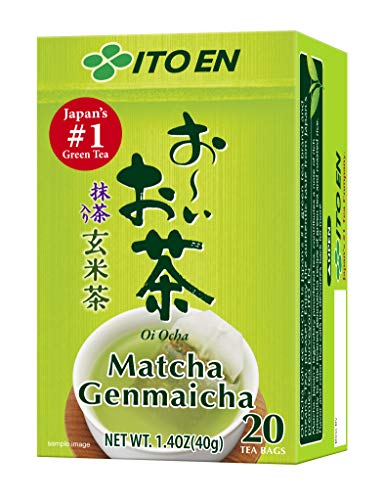
Ito En Oi Ocha Genmaicha Tea 20-Count (Pack of 4)

Thunder Tech Japanese Premium Genmaicha, Hojicha, Matcha Bags
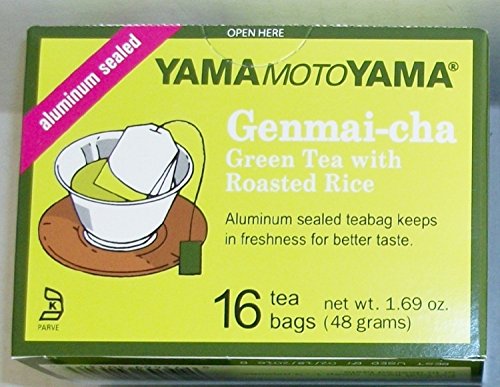
Yamamotoyama Genmai-cha Green Tea with Roasted Rice 16ct (3 Pack)

Ito En Traditional Matcha Green Tea 50 Count

ITO EN Oi Ocha Green Tea Bags 40ct
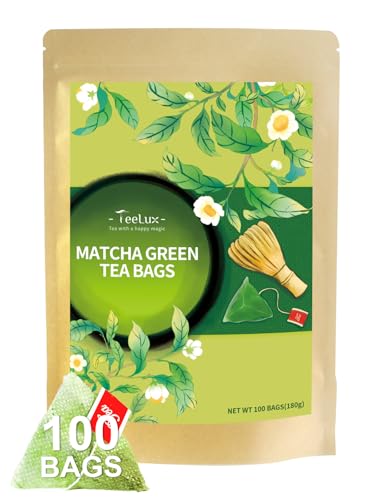
TeeLux Matcha + Sencha Green Tea Bags 100 Count

ITO EN Oi Ocha Premium Matcha Genmaicha 50ct

TeeLux Culinary Grade Matcha Powder 3.5oz
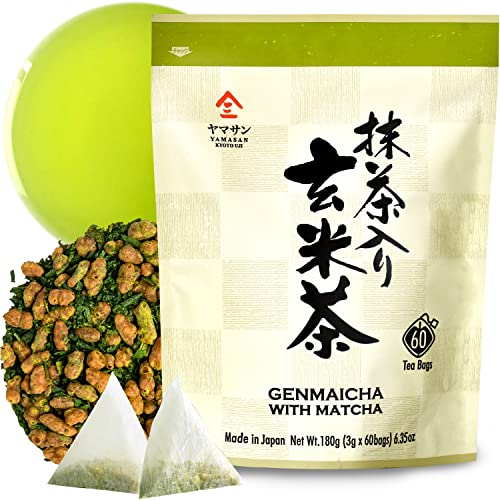
YAMASAN KYOTO UJI Genmaicha with Matcha 60 Bags
The Strengths Of Each Pick
Four boxes of twenty bagged sencha-and-rice servings land this pick in the sweet spot for anyone who wants genmaicha on auto-pilot. The blend pairs Japanese sencha, the country’s standard steamed green tea, with toasted rice for that warm, popcorn-like aroma the category is known for. Each 1.8-ounce box travels easily, so you can stash one at work, one in the kitchen, and keep the rest for backup.
Pour hot water just off the boil and you get a clean, balanced cup without bitterness, which makes it forgiving for first-timers testing the genre. Compared with single-box options, the four-pack format cuts down on reordering and keeps a steady rotation going through busy weeks.
Notable Gains
- Sencha base delivers a clean green-tea backbone without grassy sharpness
- Toasted rice adds the signature nutty warmth genmaicha drinkers expect
- Four-box format means fewer reorders and better value over time
- Unsweetened profile, with no calories or carbs, suits daily sipping
- Compact boxes fit a desk drawer, travel bag, or shared pantry shelf
Things To Consider
- Roast depth skews lighter than some traditionalists prefer
- Bag format limits the leaf expansion you would get from loose sencha
- Best consumed within several months of opening for peak aroma
Key Specs
Who It Suits Best
Office workers, shared households, and anyone who wants a steady genmaicha rotation without thinking about restocking for weeks.
Consider Something Else When
Shoppers chasing a deeper roast profile should reach for the Yamamotoyama Genmai-cha Green Tea, which carries a more pronounced toasted-rice character in each cup.
Sixty individually wrapped bags split across three Japanese staples, including genmaicha, hojicha, and matcha, turn this box into a tasting flight. Each bag comes pre-portioned at 1.8 grams, so you stop guessing how much leaf to use and just steep. Hojicha, the roasted cousin of sencha, adds a deeper, almost coffee-like note, while the matcha variety brings more umami intensity to the lineup.
For newcomers, the format removes the intimidation factor of buying three separate tins. You can rotate flavors across a single week and figure out which one earns a permanent spot in your pantry. Resealable packaging helps keep the unused bags fresh between cups.
What Works In Its Favor
- Three distinct Japanese styles in a single resealable box
- Individually wrapped bags preserve aroma between sessions
- Works for both hot steeping and cold-brew pitchers
- Good introduction to the genmaicha family without committing to a full tin
Honest Caveats
- Genmaicha only makes up one-third of the box, so heavy daily drinkers may burn through it fast
- Flavor balance leans toward accessibility rather than traditional depth
Made For
Curious drinkers, gift givers, and shared offices where everyone wants a slightly different cup from the same box.
Look Elsewhere When
Pure genmaicha purists wanting 60 bags of one style should pick the YAMASAN KYOTO UJI Japanese Genmaicha Green Tea with Matcha instead, which dedicates every bag to the toasted-rice profile.
Yamamotoyama’s genmaicha leans on a long-standing Japanese tea legacy, and this three-box pack turns it into a workhorse for steady drinkers. Each box carries 16 tea bags at a net weight of 1.69 ounces, and the aluminum-sealed wrapping locks in the toasted-rice aroma that tends to fade on lower-quality packs. Ingredients stay simple: green tea and roasted rice, nothing extra to mask the natural flavor.
You get 48 total bags, which lands well for a household that brews multiple cups a day or for a small office running through mugs at pace. Compared with the lighter Ito En Oi Ocha Genmaicha, this one reads as a touch more traditional in both ingredient list and packaging style.
The Value In It
- Foil-sealed individual bags protect aroma over months of storage
- Short ingredient list keeps the cup clean and predictable
- Three-box quantity suits heavy daily brewers and shared spaces
- Roasted-rice character reads deeper than entry-level genmaicha
Worth Noting
- Smaller bag count per box means restocking arrives sooner than bigger packs
- Roast intensity may feel bold next to lighter blends in the same category
Best Suited To
Heavy brewers, multi-drinker households, and anyone who wants a foil-fresh genmaicha stash that holds up over weeks of storage.
Not Your Match When
Solo drinkers who want fewer bags per box should consider the Ito En Oi Ocha Genmaicha Tea single-box format, which keeps supply leaner and easier to finish at peak freshness.
This pick steps away from the toasted-rice side of the category and offers a pure matcha tea-bag experience instead, which earns its spot on a genmaicha roundup for two reasons. First, genmaicha drinkers frequently enjoy matcha in the morning, so the bag sits comfortably in a shared tea drawer. Second, it serves as a useful reference point for understanding what matcha contributes when it gets blended into genmaicha down the list.
Fifty bags brew hot or iced, which gives you a clean swap as seasons shift. The brand also partners with Japanese tea-farming communities, so the leaf source carries some weight behind it. If you are hunting for a straight matcha profile before committing to a powdered format, this is the smoothest on-ramp.
A Few Strong Suits
- Bags brew cleanly hot or over ice without leaving sediment
- Convenient format for anyone skipping the bamboo whisk routine
- Zero-calorie, caffeinated profile fits a coffee-substitute routine
- Sourced through partnerships with Japanese tea farms
Trade Offs
- No toasted-rice element, so it does not satisfy true genmaicha cravings
- Bag-steeped matcha tastes lighter than whisked ceremonial grade
Key Specs
Who Will Love This
Drinkers who want a clean, bagged matcha for hot mornings and afternoon iced pours, especially those new to loose-leaf tools.
Skip It When
Anyone set on a true toasted-rice cup should grab the Ito En Oi Ocha Genmaicha Tea 20-Count, which delivers the genmaicha baseline this bag leaves out.
Another entry from the ITO EN Oi Ocha line, but this one skips the toasted rice and goes straight to bagged sencha. That matters here because genmaicha is built on sencha, so a pure sencha bag offers a side-by-side comparison for anyone trying to understand the genre. Made in Japan and best within 24 months of the production date printed on the box, it carries a reasonable shelf life for a pantry staple.
Travelers and office drinkers benefit most from the compact 40-bag box, which slips into a laptop bag or carry-on without much fuss. You get a clean, lightly grassy cup that makes an easy swap for the morning coffee habit, and the bag format means no strainers or kettles beyond a hot water source.
The Upside
- Hot or cold brewing flexibility across seasons
- Made in Japan with a 24-month freshness window
- 40-bag box balances supply with portability
- Pure sencha acts as a baseline for genmaicha comparison
Possible Compromises
- No roasted-rice element, so it does not deliver the signature genmaicha warmth
- Bag-steeped sencha reads lighter than loose-leaf equivalents
Perfect Match For
Sencha loyalists, travel-heavy workers, and anyone stocking a desk drawer for a quick cup without ceremonial-grade tools.
A Better Fit Elsewhere
Drinkers specifically chasing the toasted-rice warmth of genmaicha will be happier with the YAMASAN KYOTO UJI Japanese Genmaicha Green Tea with Matcha, which builds on this same sencha base and layers in rice and matcha.
One hundred bags in a single box is a lot of tea, and that volume is the main reason this TeeLux pick earns a place on a genmaicha roundup. The blend leans on sencha with matcha layered in, similar to a matcha-boosted genmaicha, but without the toasted rice. You can think of it as the lighter, lower-cost cousin that keeps a steady daily cup going without breaking the routine.
High-volume households, dorm rooms, and small offices that go through multiple cups a day will get the most from this count. The trade-off is that each cup reads a touch lighter than smaller-batch options, so this works better for steady sippers than for ceremonial-style tastings.
Benefits That Matter
- 100-bag count lowers the per-cup cost substantially
- Matcha-and-sencha blend delivers a slightly bolder green-tea note than pure sencha bags
- Good fit for high-turnover kitchens and shared spaces
Where It Is Less Suited
- Lacks toasted rice, so it does not satisfy the classic genmaicha craving
- Bag format keeps flavor intensity in check compared with smaller artisanal batches
- Large box needs steady drinking to finish before staleness sets in
Built With In Mind
High-volume drinkers, students, and shared kitchens that need a budget matcha-sencha bag on rotation through the semester or season.
Another Choice May Suit
Anyone who wants a true genmaicha profile rather than a matcha-sencha blend should turn to the Ito En Oi Ocha Premium Japanese Matcha Genmaicha Green Tea, which folds the matcha into a roasted-rice base.
Now we are talking about a true genmaicha with a matcha upgrade, and the bag format does a few things differently here. The pyramid-shaped, woven filter bag is designed for better water flow, which means the sencha, matcha, and rice inside actually get room to move during the steep. Each bag comes individually wrapped, so the unused ones hold onto aroma even after the box has been opened for weeks.
Hot in winter, iced in summer, this is the kind of bag that earns a permanent slot in a thoughtful tea routine. Compared with the standard ITO EN Oi Ocha Genmaicha earlier on the list, this one carries a richer aroma and a more present matcha note without losing the toasted-rice base that defines the genre.
Positive Points
- Pyramid woven bag gives leaves more room to unfurl during steeping
- Matcha addition lifts aroma and color compared with plain sencha-rice blends
- Individually wrapped bags keep unused portions fresh
- Hot or iced versatility covers year-round drinking
Factors To Consider
- Premium positioning lands at a higher price per cup than the standard Oi Ocha Genmaicha
- Matcha presence may feel bold for drinkers who want pure toasted-rice flavor
Feature Snapshot
The Right Fit
Drinkers who want a richer, more aromatic genmaicha for slow weekend cups or small-group entertaining, and who do not mind paying a bit more per bag.
Reach For A Different Pick When
Budget-focused shoppers or anyone who prefers a simpler toasted-rice-only cup should consider the Yamamotoyama Genmai-cha Green Tea, which keeps the ingredient list minimal.
Switching formats entirely, this is a powdered culinary-grade matcha rather than a bag. It earns its place because genmaicha with matcha layered in, like the ITO EN Premium pick earlier, runs on this same ingredient, and a canister lets you control the ratio in your own kitchen. Three and a half ounces covers a generous run of lattes, smoothies, baking projects, and DIY blends.
The shade-grown leaf (covered from direct sun before harvest, which boosts chlorophyll and amino acid content) gives the powder a deeper green color and a slightly sweeter finish. For anyone who treats tea as a kitchen ingredient rather than just a steeping ritual, this opens up a lot of room to play.
What Helps Most
- Powdered format lets you adjust matcha intensity per cup
- Shade-grown leaf delivers a richer color and smoother taste
- Works in lattes, smoothies, and recipes beyond a teapot
- Large tin stretches further per dollar than small ceremonial tins
Small Caveats
- Culinary grade tastes bolder than ceremonial, so it may read earthy in a straight cup
- Requires a whisk or shaker for smooth mixing without clumps
- Powdered form loses aroma faster than bagged or loose-leaf options once opened
Whose Shelf It Belongs On
Home cooks, latte makers, and DIY blenders who want a flexible matcha canister to mix into drinks and recipes throughout the week.
Swap It Out When
Drinkers who only want a quick steeped cup with no extra tools should choose the ITO EN Oi Ocha Premium Matcha Genmaicha 50ct, which delivers the same flavor family in a no-fuss bag.
Closing the list with a Kyoto-Uji-origin genmaicha feels right, since Uji has been the country’s benchmark region for premium green tea for centuries. This blend pulls together sencha, Japanese roasted brown rice, and a measured scoop of matcha powder, which deepens the color and adds a gentle umami layer. Each bag delivers a consistent cup, which matters for anyone brewing on autopilot during a busy morning.
The naturally lower caffeine content (the roasted rice dilutes the stimulant load of straight green tea) makes this a smart evening option for drinkers who want flavor without the jitters. Hot in winter, cold-brewed in summer, it works across the calendar and earns its place in gift rotations and home pantries alike.
Where It Helps
- Uji-region sourcing connects the cup to a long-standing tea tradition
- Matcha addition lifts color and adds a soft umami note
- Lower caffeine profile fits late-afternoon and evening drinking
- 60-bag count supports steady rotation across weeks
Points To Keep In Mind
- Uji sourcing often carries a higher price per bag than generic blends
- Roast depth is moderate, so very traditional drinkers may want a heavier rice presence
Quick Facts
Who Should Grab It
Traditionalists, evening drinkers, and gift givers who want a Kyoto-Uji-rooted genmaicha with a softer caffeine profile.
Where Another Pick Suits Better
Shoppers prioritizing a foil-sealed, bulk-style pack for shared kitchens should turn to the Yamamotoyama Genmai-cha Green Tea, which delivers similar flavor in a larger, more rust-resistant format.
Matching The Right Bag To Your Routine
Genmaicha shopping comes down to three calls: how pure you want the toasted-rice character, how much matcha you want layered in, and how much volume you actually drink. Bag count matters more than people expect, because genmaicha loses its aromatic charm once the bag sits too long past opening, so buying more than you can finish in a couple of months often backfires. The bag material also shapes the cup. A standard paper sachet keeps things tidy but limits leaf expansion, while a pyramid mesh format, like the ITO EN Premium pick, gives the sencha and rice room to unfurl and pulls more flavor into the water.
Think about caffeine tolerance too. Straight genmaicha sits lower on the stimulant scale than pure sencha or matcha because roasted rice dilutes the load, which is why an evening-friendly pick like the YAMASAN KYOTO UJI works well after dinner. The format question is the final fork. Bagged genmaicha wins on convenience and travel, while a powdered matcha canister, like the TeeLux Culinary Grade, opens the door to lattes, smoothies, and DIY rice-tea blends that a bag simply cannot match.
Key Considerations Across These Picks
Where Shoppers Go Wrong
The most common slip is buying a giant box to save money, then letting half of it go stale before the bags are used up. Genmaicha is more fragile than black tea, so a smaller, more frequent purchase often delivers a better cup. Another trap is assuming all “matcha genmaicha” bags taste the same, when in reality the matcha percentage and the bag mesh make a meaningful difference. Brew temperature is the third: water straight off the boil scorches sencha and leaves a bitter edge, so steeping just below boiling protects the flavor.
What Separates Premium From Basic
The jump from budget to premium genmaicha shows up in three places. First, leaf grade: a higher-grade sencha base reads smoother and less grassy, and the difference lands in the cup immediately. Second, packaging: individually wrapped bags and foil seals protect the toasted-rice aroma, which fades quickly in loosely packed boxes. Third, the matcha addition, when present, varies in quality and proportion, so a premium pick like the ITO EN Premium Matcha Genmaicha offers a richer cup than a basic matcha-sencha blend. Worth the upgrade when you are drinking daily and care about depth.
Frequently Asked Questions
What Does Genmaicha Actually Taste Like?
Genmaicha blends Japanese green tea (usually sencha) with roasted brown rice, producing a warm, nutty, almost popcorn-like aroma layered over a clean green-tea base. The rice mellows the grassy edge of pure sencha, which makes the cup approachable for drinkers new to Japanese tea.
Is Genmaicha Lower In Caffeine Than Regular Green Tea?
Yes, the roasted rice dilutes the caffeine concentration, so a typical cup of genmaicha carries less stimulant load than an equal-size cup of pure sencha or matcha. That is why many drinkers reach for it in the afternoon or evening without losing sleep.
How Long Does Bagged Genmaicha Stay Fresh?
Unopened boxes typically carry a best-by date around 18 to 24 months out from production, depending on the brand. Once opened, the toasted-rice aroma fades within a couple of months, so smaller, more frequent purchases usually out-cup a giant bulk box left half-finished on the counter.
Can You Cold Brew Genmaicha?
Yes, cold brewing works well, though the steep time stretches to several hours in the fridge. The result is a softer, less astringent cup that lets the roasted-rice aroma come forward, which makes it a strong option for summer pitchers.
Is Bagged Genmaicha As Good As Loose Leaf?
Bagged genmaicha has improved significantly, especially pyramid mesh formats that give leaves room to expand. Loose leaf still offers more control over leaf quantity and freshness, but for everyday convenience, a quality bagged pick delivers a satisfying cup without the strainer cleanup.
Closing Remarks
Your ideal genmaicha depends less on finding a single perfect tin and more on matching the blend to your drinking rhythm. Daily commuters tend to gravitate toward the ITO EN Oi Ocha Genmaicha four-pack for its steady supply, while evening sippers and traditionalists will appreciate the Kyoto-Uji depth of the YAMASAN pick. The roasted-rice aroma is the soul of the genre, so whichever bag you reach for, brew it just below boiling and drink it while the cup still smells warm.
