

A good cup of matcha turns an ordinary morning into something you actually look forward to. The hard part is knowing which green tea matcha powders deliver the grassy sweetness and color that justify the ritual, and which ones taste like grassy disappointment. This roundup sorts ceremonial staples, beginner-friendly tins, sweetened latte blends, and a few thoughtful add-ons so you can pick based on how you actually drink your tea.
An Overview Of The Picks

SOKYO Ceremonial Matcha Series 1.05oz Powdered Green Tea

Akira Matcha Organic Premium Ceremonial 25 Sticks

Kiyo Matcha Signature Grade Shuga Ceremonial Uji
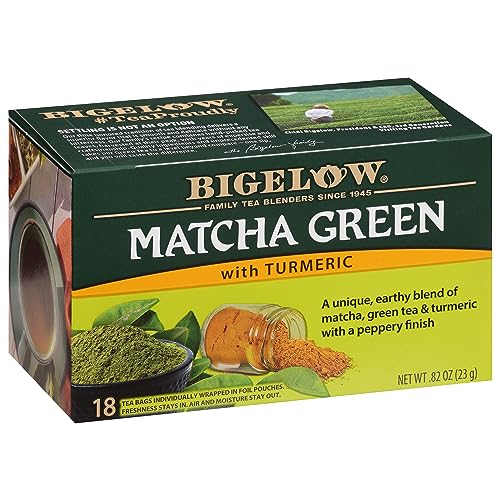
Bigelow Matcha Green Tea with Turmeric 108 Bags
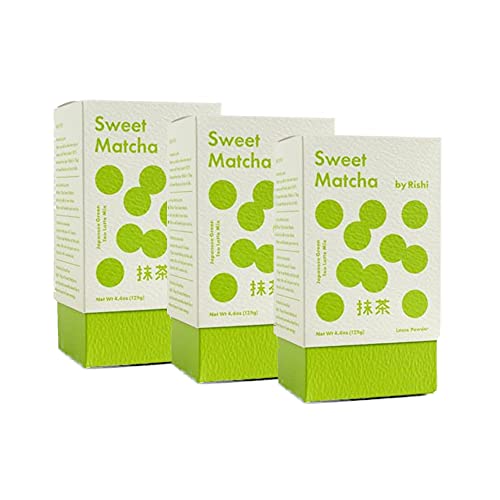
Rishi Tea Sweet Matcha 4.4oz 3-Pack Latte Powder

Kiyo Matcha Classic Grade Hatsumukashi Ceremonial Uji

Kiyo Matcha Organic Classic Grade Chiba No Shiro

GOLDE Pure Matcha Ceremonial Grade 30g Tin

GOLDE Pure Matcha Ceremonial Grade 100g Pouch

GOLDE Collagen Boost Vegan Creamer Vanilla 15 Servings
The Picks, Examined More Closely
SOKYO’s ceremonial line draws from Shizuoka Prefecture, one of Japan’s most respected tea-growing regions. The 30g tin is sized for drinkers who whisk a bowl two or three times a week rather than daily, and the shade-grown leaves aim for that deep umami character without slipping into bitterness.
You’ll notice a grassy sweetness on the front end and a savory finish. For most morning rituals, that balance is the entire point of a ceremonial-grade powder.
What Makes Sense
- Shizuoka origin gives a clean, region-driven flavor profile
- Shade cultivation deepens natural umami and sweetness
- 30g tin suits moderate weekly drinkers who finish product while fresh
- Ceremonial positioning fits traditional usucha preparation
Trade Offs
- Smaller tin may run out quickly for daily drinkers
- Ceremonial pricing puts it above latte-blend territory
- Once opened, the tin’s freshness window shortens, so prompt use matters
Who Should Grab It
Drinkers building a quiet morning ritual and willing to invest in a single-origin ceremonial tin.
Reach For A Different Pick When
If your daily habit is a blended iced latte, the GOLDE Pure Matcha Ceremonial Grade 100g Pouch offers more volume for the same routine.
Akira Matcha arrives in 25 individually wrapped sticks, each holding roughly 1.5g of organic ceremonial-grade powder. Compared with the SOKYO tin, the format trades bulk for portability: you can toss a few sticks in a work bag without worrying about a tin clanking open or powder spilling.
For commuters, frequent flyers, or anyone whose kitchen is sometimes an office breakroom, the portion control removes one of the usual morning decisions.
Where It Delivers
- Pre-measured sticks eliminate the guesswork of scooping
- Individual wrapping helps preserve freshness across a longer use window
- Travel-friendly format suits gym bags, hotel rooms, and shared offices
- Organic ceremonial positioning keeps quality expectations consistent
Points To Keep In Mind
- Per-stick cost runs higher than bulk tin options
- Sticks produce waste packaging for eco-minded shoppers
- You’ll want to keep extras dry since individual seals can vary in use
Best Suited To
Commuters and travelers who want ceremonial-grade flavor without packing a whisk kit or a full tin.
A Better Fit Elsewhere
If you brew at home in one spot, Kiyo Matcha Classic Grade Hatsumukashi Ceremonial Uji is more cost-efficient for daily use.
Kiyo’s Signature tier sits above the brand’s Classic and Heritage lines and is built for drinkers who have moved past their first few tins. The 40g/1.41oz pouch draws from Uji, the region most often associated with benchmark Japanese matcha.
You can taste the step up: a more layered sweetness and a longer finish compared with entry-level options. For most intermediate drinkers, the upgrade shows up in the second sip rather than the first.
Key Advantages
- Uji origin taps into one of Japan’s most established tea regions
- 40g pouch strikes a useful middle ground for moderate daily use
- Signature tier introduces complexity that beginners can grow into
Honest Caveats
- Sweetness and umami notes may be subtle for palates used to sweetened latte blends
- Once opened, the pouch form may not seal as well as a rigid tin
Made For
Drinkers with a few tins of matcha behind them who want a step up in flavor depth without jumping to ultra-premium pricing.
Look Elsewhere When
Beginners easing in should start with Kiyo Matcha Classic Grade Hatsumukashi Ceremonial Uji and graduate to this Signature tier later.
Bigelow shifts the format entirely: instead of a tin or pouch of powder, you get 108 individually wrapped tea bags that combine matcha with turmeric. Where the Akira sticks and SOKYO tin target whisking rituals, this one targets kettles.
Each bag brews a lighter, more approachable cup. For most office kitchens, the format is the main feature; no whisk, no sifter, no measuring spoon.
Positive Points
- Pre-portioned bags remove any preparation steps
- Turmeric blend adds an earthy warmth that pairs well with breakfast
- Bulk count of 108 bags suits heavy daily drinkers and shared households
Soft Spots
- Bag format produces a lighter matcha presence than a whisked bowl
- Turmeric flavor will not appeal to drinkers who want pure matcha taste
- Used bags add up to noticeable kitchen cleanup over time
Right Fit For
Office drinkers and busy households who want a quick matcha-leaning cup without any tools or cleanup.
Skip It When
If you want the grassy depth of whisked matcha, Rishi Tea Sweet Matcha 4.4oz 3-Pack Latte Powder sits closer to a real powder experience.
Rishi’s Sweet Matcha is a pre-sweetened blend built specifically for lattes. The 3-pack of 4.4oz pouches gives you around 30 lattes total, and the powder is designed to dissolve into milk or milk alternatives without aggressive whisking.
For most home baristas, the appeal is consistency: one scoop produces a sweetened iced matcha latte in under a minute. That convenience is what you pay for here, more than leaf origin or shading techniques.
Notable Upsides
- Pre-sweetened blend cuts out a separate sweetener step
- Multi-pack format keeps pantry stocked for several weeks of daily use
- Dissolves easily into both hot and cold milk preparations
Worth Bearing In Mind
- Added sugar limits flexibility for unsweetened drinkers
- Flavor is built for milk drinks, not traditional usucha preparation
Whose Shelf It Belongs On
Daily iced latte drinkers who want one reliable scoop rather than separate powder, sugar, and milk routines.
Not Your Match When
Traditional ceremonial drinkers should reach for SOKYO Ceremonial Matcha Series 1.05oz Powdered Green Tea instead.
Kiyo’s Classic tier is positioned as the brand’s entry point into ceremonial-grade matcha. The Hatsumukashi name signals a first-harvest leaf, and the 40g/1.41oz pouch gives beginners room to experiment without committing to a premium price.
Compared with the Signature tier, the flavor is a touch more direct: more straightforward umami, less complexity. For most new drinkers, that’s actually a plus because the profile reads cleanly.
Strengths Worth Knowing
- First-harvest leaf offers a clean entry into ceremonial flavor
- 40g pouch lasts a casual user several weeks of regular whisking
- Uji sourcing anchors the leaf to a respected region
Where It Is Less Suited
- Flavor complexity trails the Signature tier
- Pouch format may not keep powder as fresh as a sealed tin over months
Perfect Match For
Beginners building a first whisk routine and figuring out how they like their matcha.
Swap It Out When
Once your palate adjusts, Kiyo Matcha Signature Grade Shuga Ceremonial Uji gives you more layered flavor to grow into.
The Organic Classic from Kiyo is the brand’s most versatile everyday option. The 40g tin offers a balanced flavor that holds up whether you whisk it traditionally or blend it into a latte.
Where the Hatsumukashi Classic leans into first-harvest character, this one aims for a smoother, more neutral cup. For most home cooks, that makes it the easier reach for both hot bowls and cold brews.
What It Does Well
- Organic leaf broadens appeal for ingredient-conscious shoppers
- Balanced flavor adapts to latte, cold brew, and traditional usucha
- 40g tin format helps with freshness over the use window
Practical Considerations
- Less first-harvest complexity than the Hatsumukashi variant
- Still priced above commodity supermarket matcha
Who Will Love This
Versatile home drinkers who want one tin that handles both whisking and blending duties.
Where Another Pick Suits Better
Traditionalists chasing first-harvest character should pick Kiyo Matcha Classic Grade Hatsumukashi Ceremonial Uji instead.
GOLDE’s 30g tin is the smaller of the brand’s two Pure Matcha formats. The ceremonial-grade leaf comes from Uji and is stone-ground into a fine powder that mixes well into both hot water and milk-based drinks.
For most minimalists, the tin is part of the appeal: it stores neatly in a cabinet and signals the powder inside is meant to be finished, not forgotten.
The Case For It
- Compact 30g tin suits small kitchens and tight pantry shelves
- Organic, vegan, and non-GMO positioning covers common dietary preferences
- Stone-ground texture dissolves easily into lattes and smoothies
Some Limits To Know
- 30g size will not last long for daily drinkers
- Smaller tin can price out shoppers looking for bulk value
The Right Fit
Style-conscious shoppers and moderate drinkers who want a compact tin for occasional whisking or blending.
Consider Something Else When
Daily drinkers get more value from the GOLDE Pure Matcha Ceremonial Grade 100g Pouch in the same flavor family.
The 100g pouch is GOLDE’s larger-format Pure Matcha, designed for daily drinkers. The leaf still comes from Uji and follows the same stone-ground approach as the 30g tin, but the bigger bag lowers the per-serving cost noticeably.
For most home drinkers replacing a morning coffee, this is the format that actually makes the swap sustainable. L-theanine (an amino acid in tea associated with calm focus) is naturally present alongside the caffeine, which is part of the smooth-energy pitch.
What Stands Out
- 100g pouch suits daily drinkers who go through a tin weekly
- Vegan, gluten-free, and non-GMO credentials widen dietary fit
- Smooth, grassy profile works for both bowls and lattes
Honest Caveats
- Pouch may not keep powder as fresh as a rigid tin once opened
- Larger size can lose potency if you use it slowly
Who It Suits Best
Daily drinkers and coffee-replacement curious shoppers who want a steady supply of ceremonial-grade powder.
Where A Sibling Pick Shines
The GOLDE Pure Matcha Ceremonial Grade 30g Tin is the better pick for occasional drinkers who want smaller, fresher portions.
The Collagen Boost Vegan Creamer is the odd one out in this roundup: it isn’t matcha at all. It’s a vanilla-coconut dairy-free creamer formulated with plant-based ingredients like bamboo extract, hyaluronic acid (a moisture-binding compound common in skincare), and biotin (a B-vitamin linked to hair and nail maintenance) that pair with matcha in a latte routine.
For most people building a daily matcha drink, the value here is convenience: one scoop delivers creamy vanilla flavor without reaching for separate syrup, plant milk, or sweetener. You may find the flavor profile sweeter than plain matcha drinkers expect.
Real Benefits
- Dairy-free format suits vegan and lactose-free households
- Vanilla-coconut flavor adds depth to a plain matcha latte
- 15-serving tub slots easily into a weekly routine
Possible Compromises
- Not a matcha product, so it pairs with rather than replaces the other picks
- Flavor may be too sweet for plain-matcha drinkers
Right Fit For
Plant-based drinkers who want a single-scoop creamer that rounds out a daily matcha latte.
Not Your Match When
If you whisk traditional ceremonial matcha, the SOKYO Ceremonial Matcha Series 1.05oz Powdered Green Tea is the centerpiece rather than this creamer.
What Matters Most When Choosing Green Tea Matcha Powders
Grade and Origin Drive the Cup
Ceremonial-grade matcha is grown and processed for traditional whisked preparation, while culinary grades lean toward baked goods and bolder latte builds. Uji, Shizuoka, and Mie are the Japanese regions most often named for benchmark leaf, and origin is a useful proxy for shade duration and milling care. For most home drinkers, choosing between a single-origin ceremonial tin and a versatile culinary pouch comes down to how often you whisk versus blend.
Format Shapes Your Daily Habit
Powdered tins and pouches give you the most control but require a sifter and a whisk. Single-serve sticks remove measuring and cleanup, which is ideal for travel. Tea bags trade some matcha character for total convenience. The honest read is that the format you actually use daily matters more than chasing the highest-grade leaf in a format you won’t open.
Freshness and Storage
Once opened, matcha oxidizes quickly. Tins with airtight seals and opaque walls protect flavor better than clear pouches, and finishing a 30g tin within a month or two keeps the cup tasting bright. For most casual drinkers, smaller packaging is a feature, not a limitation.
Flavor Balance and Use Case
Sweetened latte blends like the Rishi pick deliver one-step convenience for milk drinks. Unsweetened ceremonial tins reward drinkers willing to dial in their own sweetener and water temperature. The bigger decision is whether you want matcha to lead the cup or to disappear into a blended drink.
Key Considerations Across These Picks
Common Shopping Slip Ups
Chasing the lowest price often means lower-grade leaf with little shading, which produces a bitter, dusty cup. Another trap is buying a large pouch when you actually drink matcha twice a week, since slow use invites staleness. Look at how often you plan to whisk, then match the format to that habit.
Where The Extra Money Goes
The jump from budget to premium matcha covers shade duration, hand-picked first-harvest leaves, and stone grinding that preserves color and amino acids. For most drinkers, that upgrade shows up in smoothness and color rather than dramatic flavor twists, and it earns its keep when you actually finish the tin while it’s still fresh. Paying more is worth it for daily ceremonial drinkers; casual sippers get more value from a smaller ceremonial tin or a quality latte blend.
