

Grocery store matchas used to mean dusty tins of bitter powder that barely deserved the name. Today the shelves carry everything from shaded Uji ceremonial lots to fruit-spiced green tea bags, and the gap between a daily driver and a special-occasion cup is wider than ever. For anyone trying to build a reliable matcha habit without ordering from a small farm, this list sorts ten practical options by use case, grade, and format. Most folks browsing here want a clear answer to one question: which of these will actually taste good in their kitchen, and which are better off living at the office?
A Closer Look At The Lineup

Akira Matcha 30g Organic Premium Ceremonial
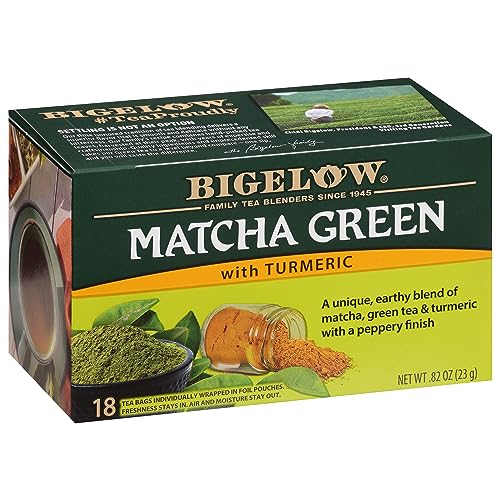
Bigelow Matcha Green Tea with Turmeric 108 Bags

Kiyo Matcha Signature Grade Shuga Ceremonial 40g

Stash Tea Ginger Peach with Matcha 18 ct

Kirkland Ito En Matcha Blend 100 ct

Naoki Matcha Superior Blend 40g

Naoki Matcha Superior Blend 50g

Naoki Matcha Superior Blend 100g

Kiyo Matcha Classic Grade Hatsumukashi 40g

Kiyo Matcha Organic Classic Chiba No Shiro 40g
The Strengths Of Each Pick
Akira Matcha lands at the top of the list because it stays close to traditional ceremony while still being easy to find on a grocery run. The 30g tin is sourced from Uji, Kyoto, and the leaves are first-harvest, shade-grown for at least three weeks before stone-milling. For a weekday morning bowl of usucha (the thin, whisked style of traditional matcha), that lineage shows up in a clean green color and a soft vegetal sweetness that doesn’t need sugar to taste balanced.
If you already keep a chasen (bamboo whisk) and a chawan (tea bowl) on the counter, this is the kind of matcha that rewards the ritual. Newcomers stepping up from bagged green tea will notice the difference in body right away. One gram per serving keeps the tin lasting a month of daily use, and the small format also means the powder is used up before any real risk of staleness sets in.
Where It Helps
- First-harvest, shade-grown Uji leaves give a sweeter, less bitter cup
- Small 30g format helps the powder stay fresh through regular use
- Single-gram serving keeps a daily bowl affordable over a month
- Clean vegetal profile pairs well with plain water or oat milk
Things To Consider
- Ceremonial-grade price sits well above bagged options for casual drinking
- Needs a proper whisk and sifter for the smoothest bowl
- Best enjoyed soon after opening; long storage dulls the color
Built With In Mind
Drinkers with a small tea corner who want authentic Uji character for daily whisked bowls.
Where Another Pick Suits Better
Office-bound folks who can’t keep a whisk at their desk will get more use from Bigelow Matcha Green Tea with Turmeric in bagged form.
Bigelow’s matcha-with-turmeric blend is the most hands-off entry on this list. Each bag combines green tea, a small amount of matcha, and turmeric into a foil-wrapped sachet that steeps like any other tea bag. The 108-count case is built for households that burn through a cup or two a day, and the individually wrapped pouches keep things tidy in a shared office kitchen drawer.
For anyone who wants the flavor and color cue of matcha without buying a tin and a whisk, this is the easy button. The turmeric adds a gentle earthy warmth that holds up nicely with a splash of milk. The trade-off is that bagged matcha blends can never match a fresh Uji tin for color or umami, so this works best as a backup cup rather than a primary ritual.
Good Reasons To Consider
- Individually wrapped bags stay fresh in a bag or desk drawer
- Steeped in a regular mug, no special tools required
- Bulk 108-count format lowers cost per cup significantly
- Turmeric adds an earthy layer that complements a splash of milk
Worth Noting
- Matcha content is much lower than a ceremonial powder
- Flavor leans toward turmeric once steeped, not pure green tea
- Bags need a longer steep than the suggested time for a stronger cup
Feature Snapshot
Made For
Busy professionals who want a steady desk-friendly green tea with a turmeric twist and zero cleanup.
Not Your Match When
Anyone chasing the rich umami of a whisked Uji bowl will be happier with the Akira Matcha ceremonial tin.
Kiyo Matcha’s Signature Shuga grade is the brand’s sweet-leaning ceremonial step, named for a softer, almost honeyed character in the cup. The 40g pouch sits a tier above beginner blends without jumping to the stratospheric pricing of competition-grade tins. For anyone ready to move past entry-level matcha and into something with a more nuanced flavor curve, this is a clean place to land.
Small-batch production in Japan’s domestic market gives Kiyo a freshness story that fits ceremonial-grade expectations. The Shuga profile really sings in a usucha bowl prepared at around 175 degrees Fahrenheit with a fine sifter. You can also use it for iced matcha in warmer months, where the natural sweetness holds up against dilution better than grassy beginner powders.
The Case For It
- Signature Shuga grade targets a naturally sweeter profile
- 40g tin covers a month-plus of daily drinking
- Small-batch sourcing keeps quality consistent between orders
- Performs well in both hot bowls and iced preparations
Trade Offs
- Sweet-leaning profile isn’t ideal for strong, savory matcha recipes
- Pouch reseal can loosen over time, so transferring to an airtight tin helps
- Ceremonial grade still costs more per gram than the Naoki Superior tin
Technical Sheet
Right Fit For
Drinkers graduating from beginner matcha who want a sweeter ceremonial cup without jumping to a competition tin.
Look Elsewhere When
Cost-conscious daily drinkers who just need a reliable bowl will find the Naoki Matcha Superior Blend 40g delivers similar Uji character at a friendlier price.
Stash Tea leans into the fun side of the category with a ginger-peach flavored green tea that uses matcha as a coloring and flavoring twist. The 18-count box is small enough to fit in a narrow pantry shelf, and the fruit-forward profile makes this a great gateway for anyone who finds pure green tea a bit austere. It’s the kind of tea that disappears fast on a hot summer afternoon poured over ice.
Compared to the plain ceremonial options above, this is a different product category altogether: a flavored herbal-leaning green tea that borrows matcha’s visual cues. It works as a low-effort iced pitcher drink for backyard dinners or as a pre-bed alternative to heavier sweet drinks. Stash has been a steady name in bagged tea for years, which gives some reassurance on consistency between boxes.
Useful Highlights
- Ginger and peach soften green tea’s sharper edges for newer drinkers
- Works equally well hot or as a base for iced pitchers
- Box of 18 fits in small apartment pantries
- Gluten-free and non-GMO label for households that track those
Honest Caveats
- Matcha content is decorative rather than functional
- Flavor leans strongly toward peach, so green tea notes are subtle
- Not a substitute for a true whisked matcha ritual
Who It Suits Best
Casual drinkers who want a fruity, lightly spiced green tea that still carries a hint of matcha character.
Skip It When
Anyone after a real ceremonial bowl of matcha will get the experience they’re looking for with the Kiyo Classic Grade Hatsumukashi instead.
The Kirkland Signature take on a matcha blend leans on Ito En’s well-known Japanese green tea supply chain. The 100-count box of teabags is the most format-forward pick on this list, aimed at people who want a steady, predictable cup without any powder to measure. For shared kitchens, a busy break room, or a household where everyone wants their own cuppa on their own schedule, bagged format is hard to beat.
The trade-off is the same one any bagged matcha blend carries: this is a green tea with matcha added, not the other way around. The cup is lighter and more familiar to green tea drinkers, and a single bag yields a clean, balanced flavor even after a quick two-minute steep. For purists, it sits far from ceremonial territory, but as a pantry staple, it earns its keep.
What Stands Out
- 100-count bulk box is a strong match for offices and families
- Ito En sourcing keeps the green tea base consistent between boxes
- Bagged format requires no whisking, sifting, or measuring
- Plays well with milk, honey, or citrus additions
Points To Keep In Mind
- Matcha contribution is light compared to a true ceremonial powder
- Bulk box takes up a fair amount of shelf space
- Cups will read as green tea first, matcha second
Quick Facts
Best Suited To
Offices, hostels, and family kitchens that go through multiple cups a day and prefer grab-and-steep simplicity.
Another Choice May Suit
Solo drinkers who want a real matcha moment in a smaller serving will find the Naoki Matcha Superior Blend 40g a more focused option.
Naoki Matcha’s Superior Blend sits in the sweet spot for many home drinkers: ceremonial-grade Uji powder without the boutique pricing of the top-shelf options. The 40g tin gives around 20 standard two-gram servings, which works out to about three weeks of daily usucha. Made from first-harvest, shade-grown tencha (the processed tea leaf base that’s ground into matcha) from Uji, Kyoto, it’s the kind of everyday ceremonial that can hold its own in a plain bowl or a frothy latte.
The Superior Blend line is one of Naoki’s most consistent sellers, and the powder is ground and sealed in airtight packets just before shipping from Japan. That means the tin that arrives at your door is closer to fresh-mill than most pantry staples. It’s a versatile middle ground that handles a whisked bowl, an iced matcha, or a warm latte without breaking down into bitterness.
Everyday Wins
- Ceremonial-grade Uji leaf at a mid-range price point
- 40g tin covers three to four weeks of regular drinking
- Air-tight packaging preserves color and aroma after milling
- Balanced enough for both straight tea and milk-based drinks
Some Limits To Know
- Not as nuanced as Kiyo’s Shuga Signature for single-origin character
- Needs a sifter to break up clumps in colder kitchens
- After opening, the powder loses its bright green within 4 to 6 weeks
Who Will Love This
Daily drinkers who want a no-fuss ceremonial Uji powder that swings between a traditional bowl and a milk-forward latte.
Reach For A Different Pick When
Drinkers chasing a sweeter, more dessert-like flavor profile will get that with the Kiyo Matcha Signature Grade Shuga.
The 50g size of Naoki’s Superior Blend is essentially the same powder as the 40g tin, just in a slightly larger package that suits two-person households or anyone who treats matcha as a twice-a-day habit. At a 1.75 oz net weight, it lands in a middle ground between the smaller entry tin and the bulk 100g pouch. The tencha is still shade-grown in Uji and ground just before shipping.
This format is a comfortable fit for a couple who share morning bowls or for a single drinker who likes to bake with matcha on weekends. The powder handles a range of uses, from a frothy koi (stirred iced matcha) to a matcha-infused pancake batter. The 50g tin is also a smart way to bridge a price gap when the 40g runs out faster than expected.
Everyday Advantages
- Generous 50g size avoids running out mid-week
- Same Uji first-harvest leaf as the smaller tin
- Air-tight packaging keeps color bright after opening
- Versatile across drinks, baking, and simple sweets
What To Weigh
- Slightly higher up-front cost than the 40g sibling
- Once opened, freshness fades faster than the powder gets used up
- Flavor profile is balanced rather than distinctive, so the tin won’t surprise seasoned drinkers
Perfect Match For
Two-person households or regular drinkers who want a few extra weeks of supply without jumping to a bulk pouch.
Swap It Out When
Solo drinkers on a tight morning routine will find the 40g Naoki Superior tin easier to finish while the powder is still at its peak.
The 100g pouch is Naoki’s family-size take on the Superior Blend, packing roughly 50 two-gram servings into a single resealable bag. For households where matcha replaces the morning coffee pot, this format makes sense: it lowers the cost per cup and cuts down on packaging waste. The underlying leaf is the same Uji first-harvest source as the smaller tins, so flavor stays consistent across the line.
The honest trade-off with any bulk ceremonial pouch is that you need a plan to keep the powder fresh. Splitting the 100g into smaller airtight containers and storing them in a cool, dark cabinet is a widely used approach to stretch peak color and aroma over a couple of months. For anyone who already knows they like the Naoki flavor, this is the most economical way to commit.
Key Advantages
- Lowest cost per serving in the Naoki line
- Resealable pouch keeps the powder contained
- Same Uji first-harvest source as smaller tins
- Plays well across drinks, baking, and ceremonial bowls
Honest Caveats
- Larger format requires splitting into smaller tins to stay fresh
- Up-front cost is steeper than entry-level tins
- Once opened, color and aroma fade faster than with smaller packages
Core Details
Whose Shelf It Belongs On
Heavy daily drinkers and small families who want ceremonial Uji powder without the recurring reordering of smaller tins.
A Better Fit Elsewhere
Drinkers who only want one or two cups a week will leave a 100g pouch open too long and should consider the Naoki 40g tin instead.
Kiyo’s Classic Grade Hatsumukashi is built for drinkers standing at the start of their matcha journey. Hatsumukashi refers to the first-harvest leaf, which carries the gentlest umami and the least bitterness of any grade, making it a forgiving choice for new palates. The 40g pouch is enough for roughly a month of daily practice without committing to a ceremonial-tier budget.
This grade works particularly well for learning the whisking fundamentals, since the powder is forgiving of slightly off water temperature or technique. If you eventually decide matcha isn’t your daily ritual, the financial commitment stays reasonable. The brand’s small-batch domestic production also means the tin you order this month will be similar in character to the one you order next month.
Where It Excels
- First-harvest leaf keeps bitterness low for new drinkers
- 40g size fits a month of learning without waste
- Small-batch production offers consistent character between orders
- Forgiving of slight whisking and temperature mistakes
Worth Bearing In Mind
- Classic grade is less complex than Signature or Imperial tiers
- Color fades faster than higher-grade Kiyo powders over time
- Not ideal for very concentrated koicha (thick ceremonial matcha) recipes
The Right Fit
Beginners learning usucha technique who want a soft, approachable flavor without committing to a premium price.
Where A Sibling Pick Shines
Drinkers who already know they love matcha and want a more layered cup will find the Kiyo Matcha Signature Grade Shuga worth the step up.
Kiyo’s Organic Classic rounds out the list with an entry-level Uji powder that leans on organic certification for households that track that. The Chiba No Shiro leaf produces a balanced, slightly grassy cup that holds up in lattes and cold brews as well as in a traditional usucha bowl. If you want a clean ingredient list and a flavor that won’t fight with milk or citrus, this is a sensible everyday option.
The 40g pouch fits the same rhythm as the other Kiyo Classic tins, covering about a month of regular use. The flavor profile is intentionally versatile, which makes it a smart choice for kitchens where matcha plays supporting roles in smoothies and baked goods rather than center stage. Compared to the Hatsumukashi non-organic Classic, this tin adds the organic label without changing the cup’s fundamental character.
Useful Touches
- Organic certification for ingredient-tracking households
- Balanced profile suits lattes, cold brews, and bowls alike
- Versatile enough to bake into simple sweets
- 40g size covers a month of mixed-use drinking
Practical Considerations
- Classic grade won’t deliver the layered umami of Kiyo’s Signature tier
- Organic supply chains can mean occasional price shifts
- Light grassy note is more pronounced than in Shuga or Heritage grades
Who Should Grab It
Drinkers who want a versatile organic matcha for daily lattes, cold brews, and light baking without a premium price.
Consider Something Else When
Anyone looking for a more refined, single-origin character should jump up to the Kiyo Matcha Signature Grade Shuga on this list.
What To Weigh Before Choosing A Grocery Store Matcha
The first real fork in the road is format. Powdered ceremonial matcha, like the Naoki and Kiyo tins on this list, gives the richest flavor but requires a sifter, a bamboo whisk, and a willingness to learn proper technique. Bagged matcha blends, like the Bigelow and Kirkland options, trade depth for convenience, which can be the right call for a shared kitchen or an office drawer.
Grade is the second big decision. Ceremonial-grade matcha uses the youngest, most tender leaves and delivers a sweeter, more umami-rich cup. Ingredient-grade or culinary matcha is usually more bitter and is best for baking or strongly sweetened drinks. The hatsumukashi (first-harvest) designation on several Kiyo options signals a gentler flavor that works well for drinkers who find standard matcha too grassy.
Origin and freshness round out the picture. Uji, Kyoto, is the most established matcha region in Japan, and most of the tins on this list trace back there. The fresher the powder, the brighter the green color and the more pronounced the aroma. Once a tin is opened, plan to use it within 4 to 6 weeks for the best cup, which is why buying a 100g bulk pouch only makes sense if you can split it into smaller airtight containers.
Reading Between The Tea Leaves
Pitfalls Shoppers Hit
The most common mistake is buying a bagged “matcha blend” and expecting the same experience as a whisked ceremonial powder. The two are fundamentally different products. A second trap is opening a large bulk pouch and slowly watching the color dull over months, when splitting it into smaller tins would have kept every cup closer to fresh.
Why Top Tier Costs More
The price gap between entry-level and ceremonial matcha comes down to leaf quality, harvest timing, and milling precision. First-harvest, shade-grown tencha yields far less per tea bush than later harvests, and stone-milling it into a fine powder is a slow, careful process. For drinkers who only want one or two cups a week, a Classic or Superior tier offers most of the flavor at a fraction of the cost.
Frequently Asked Questions
What’s the difference between ceremonial and culinary matcha?
Ceremonial matcha uses the youngest, most tender leaves from the first harvest, producing a sweeter, brighter green powder suited to drinking on its own. Culinary matcha comes from later harvests or slightly older leaves, with a stronger, more bitter profile that holds up better in baking and sweetened drinks.
How should I store an opened tin of matcha?
Keep it in a cool, dark cabinet in an airtight container, away from light, moisture, and strong odors like coffee or spices. Refrigeration is optional but can extend peak color, though you should let the container come to room temperature before opening to avoid condensation.
Is bagged matcha the same as powdered matcha?
No, the two are quite different. Bagged matcha blends like the Bigelow and Kirkland options mostly contain green tea with a small amount of matcha added for color and flavor. Powdered ceremonial matcha, like the Kiyo and Naoki tins, is the pure, whisked form of the leaf.
How much matcha should I use per cup?
A standard usucha (thin tea) bowl uses about 1 to 1.5 grams, or roughly half a teaspoon, whisked into 60 to 80 milliliters of hot water. A thicker koicha or latte preparation doubles that amount, depending on how concentrated you want the cup.
Can I bake with ceremonial-grade matcha?
You can, though many home bakers prefer a less expensive culinary or ingredient-grade powder for recipes that use a lot of matcha, since the cost difference adds up quickly. Ceremonial tins like the Naoki Superior work fine for occasional matcha cookies, pound cakes, or whipped cream accents.
Closing Remarks
Matcha at the grocery level has come a long way from the generic tins of a decade ago, and there’s a real range on offer now, from flavored bagged options to genuine Uji ceremonial powder. The honest read is that the right choice depends entirely on how often you want to whisk, how much counter space you have, and how much flavor depth matters to you. Pick the format that matches your routine, and the rest tends to fall into place.
