

A great cup of coffee is more than caffeine, especially when you’re chasing the bright, chocolatey, slightly floral character that high-altitude Central American beans deliver. Whether you pull a shot at sunrise, brew a French press on a slow Sunday, or want something gentler on a sensitive stomach, the right bag transforms your morning. This lineup rounds up nine coffees that earn a spot on your shelf, from single-origin Huehuetenango lots to versatile blends, with notes on roast level, format, and best use case.
The Picks In Brief

Café Santo Domingo Ground Coffee Medium Roast 16 oz (Pack of 2)

gila cafe Mexican Arabica Medium Roast Ground Coffee 32 oz

Tiny Footprint Nicaragua Segovia Dark Roast Whole Bean 3 lb

Tiny Footprint Nicaragua Segovia Dark Roast Ground 16 oz

Java Planet Low Acid Organic Guatemalan Coffee Beans 16 oz

Tiny Footprint Cold Press Elixir Cold Brew Blend Whole Bean 3 lb
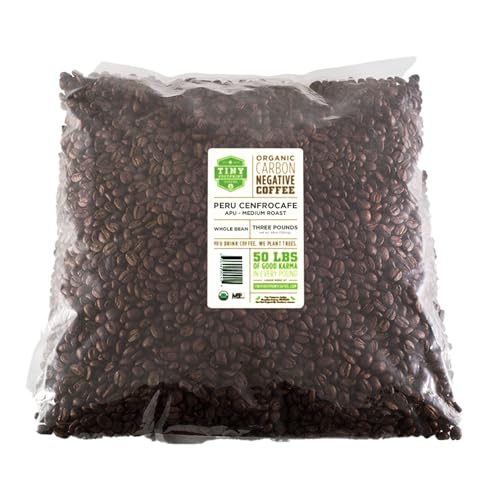
Tiny Footprint Peru APU Medium Roast Whole Bean 3 lb

Tiny Footprint Peru APU Medium Roast Whole Bean 16 oz

Tiny Footprint Signature Blend Light Roast Whole Bean 3 lb
Why These Options Stand Out
A two-pack of pre-ground medium roast that aims for the middle of the road, which is exactly where most kitchens live. The grind is a standard drip-friendly texture, so it drops cleanly into a basket filter or a basic pour-over without fuss. Aromatics lean toward toasted nut and soft caramel, and the cup itself sits in that comfortable zone between bright and heavy.
You get a balanced profile that won’t shock a guest who “just takes a little cream,” yet still has enough body to stand up to breakfast. For households brewing one or two pots a day, the twin-bag format keeps a backup sealed and fresh on the shelf.
The Value In It
- Smooth, balanced cup with caramel and gentle nut notes that play well with milk or plain
- Pre-ground convenience skips the grinder step entirely, handy for rushed mornings
- Two-bag pack offers a built-in rotation so the backup stays sealed and lasts longer
- Medium roast lands in a versatile middle ground for drip, pour-over, and basic French press
Things To Consider
- Pre-ground coffee loses aromatic complexity faster than whole bean, so opening a bag and finishing it within a few weeks keeps the cup at its best
- The flavor lands on the safe side, which is a strength for some and a little tame for drinkers chasing big, punchy origin character
Whose Morning Routine It Fits
Drip-brewer households that want a smooth, no-surprise cup that everyone in the family will drink without complaints.
Where Another Pick Suits Better
The Java Planet Low Acid Organic Guatemalan Coffee Beans is a smarter pick for drinkers who want a true single-origin experience with more distinct regional character.
The standout detail here is the 32-ounce bag, which means fewer reorders and a lower cost per cup if you brew daily. Mexican Arabica grown at high altitude in regions like Chiapas brings a softer, rounder acidity than some South American lots, and the medium roast aims to keep those delicate top notes intact.
The gila café blend infuses the grounds with Coffeeberry, the fruit surrounding the bean that’s usually discarded, so the cup carries more of the coffee cherry’s natural sweetness. If you find a plain medium roast a bit one-note, that added fruit character gives the cup a touch more dimension without straying into fruity territory.
Real-World Strengths
- Coffeeberry infusion adds a subtle natural sweetness that softens the cup and rounds out the finish
- High-altitude Mexican Arabica gives a smooth, balanced body with approachable acidity
- 32-ounce bag suits heavy drinkers and shared kitchens where a 12-ounce bag disappears in a week
- Ground format works in drip machines and pour-over cones right out of the bag
Trade Offs
- Once opened, a 2-pound bag has more exposure to air than a smaller pack, so storing it in an airtight container away from the stove protects flavor over the weeks it takes to finish
- Flavor variety is built into one bag rather than a range of options, so committing to the full size means committing to the profile
Feature Snapshot
Made For
Daily drip drinkers who go through a pot a day and want a single bag that lasts without sacrificing variety.
Reach For A Different Pick When
The Tiny Footprint Signature Blend Light Roast is a better fit for anyone who prefers a brighter, more citrusy cup over a rounder, fruit-forward medium.
A heavy hitter in the lineup, both in roast level and in bag size. The Nicaragua Segovia comes from the Segovia highlands, where altitude and cooperative farming shape a bean that’s known for chocolate and apricot notes. The dark roast here pushes the cup deeper, leaning into cocoa and baking spice while keeping enough origin sweetness to avoid tasting burnt.
Whole bean format rewards a home grinder, and the 3-pound bag suits an office kitchen or a household that cycles through coffee quickly. If you’ve been reaching for the Café Santo Domingo medium roast in Pick 1 and want something bolder, this is a clear step up in intensity without leaving the chocolatey, balanced territory.
Notable Upsides
- Dark roast amplifies chocolate tones and adds a satisfying body that holds up in espresso machines and moka pots
- 3-pound bulk format lowers cost per cup for high-volume drinkers and shared spaces
- USDA Organic and Fair Trade sourcing supports smallholder cooperatives in the Segovia region
- Whole bean format preserves volatile aromatics longer than pre-ground when stored properly
Soft Spots
- Dark roast will read as too intense for drinkers who like the brighter, fruitier notes of a light or medium roast
- A 3-pound bag is bulky and demands an airtight canister to keep the back half of the bag from going flat
Spec Overview
Who Should Grab It
Espresso machine owners and dark-roast loyalists who want a big bag of organic, ethically sourced beans they can grind fresh.
Swap It Out When
The Tiny Footprint Signature Blend Light Roast is the better match for drinkers who want brightness over body and citrus over cocoa.
Same origin story as the 3-pound pick, but in a 16-ounce ground bag for kitchens without a grinder. The Nicaragua Segovia profile, with its chocolate base and apricot-fruit lift, survives the pre-grind process well because the dark roast has already developed most of its bold character before grinding.
Compared to the Café Santo Domingo medium roast in Pick 1, this is a different animal, deeper, heavier, and built for drinkers who want the cup to taste like coffee, not like fruit. The smaller 16-ounce size is friendly for solo drinkers who wouldn’t get through 3 pounds before it loses punch.
Strong Points
- Pre-ground format drops into drip baskets and pour-over cones without any extra equipment
- Dark roast body cuts through milk and cream, holding its character in lattes and café au lait
- 16-ounce size is approachable for solo drinkers and small households
- USDA Organic and Fair Trade sourcing addresses the ethics question that matters to many specialty shoppers
Honest Caveats
- Pre-ground dark roast loses its top aromatics faster than whole bean, so buying in 16-ounce increments and finishing within a few weeks keeps the cup tasting its best
- Flavor skews heavy, so it may overwhelm drinkers who prefer a brighter, more tea-like cup
Best Suited To
Drip-brewer owners who drink alone and want a dark, chocolate-forward organic coffee without investing in a grinder.
Look Elsewhere When
The gila café Mexican Arabica Medium Roast is a better match for anyone who wants a smoother, rounder medium-roast profile instead of a deep dark.
The one true Guatemalan single-origin on this list, and the only pick that comes from the Huehuetenango region. Huehue coffees are grown at extreme altitude under shade canopies of guava, plantain, and banana, which is where the cup picks up its gentle fruit undertones alongside caramel and cocoa. Medium roasting preserves those delicate origin notes rather than roasting them away.
Java Planet also markets this as a low-acid option, which makes it a real find for drinkers who get that hollow-stomach feeling from brighter coffees. The whole-bean format rewards a home grinder, and the 16-ounce bag is a sensible size for one or two daily brewers who want a real single-origin experience without buying in bulk.
A Strong Showing
- True single-origin Huehuetenango beans offer a distinct regional cup that blended coffees can’t replicate
- Low-acid profile is easier on sensitive stomachs while keeping the flavor intact
- Shade-grown under fruit trees adds natural complexity from the canopy environment
- Medium roast sweet spot highlights the chocolate and caramel notes without burning off the fruit character
Worth Bearing In Mind
- Whole bean format requires a home grinder to get the most out of the cup, adding a small equipment cost
- 16-ounce bag runs out fast for a household that brews more than one pot a day
Feature Card
Who It Suits Best
Sensitive-stomach drinkers and single-origin purists who want a real Huehuetenango cup without leaving home.
A Better Fit Elsewhere
The Tiny Footprint Cold Press Elixir is a smarter pick for anyone whose daily habit is cold brew rather than hot brewed coffee.
The only blend on the list engineered specifically for cold brew, which is a different beast from a regular drip bean. The Cold Press Elixir mixes light and dark roasts with a dose of Ethiopian coffees, so the cup lands on sweet and silky rather than bitter and sharp. Cold brewing for 12 to 18 hours pulls out chocolate and gentle fruit notes while leaving the harsh acids behind.
The 3-pound whole-bean bag is sized for serious cold-brew drinkers, and the coarse grind you need for immersion brewing eats through beans faster than drip does. A home grinder with a coarse setting is practically required here, and the bag’s bulk pays off in cold-brew concentrate that lasts in the fridge for a week or more.
Well-Handled Touches
- Blend engineered specifically for cold brew, with roast choices that extract cleanly over long steeps
- Ethiopian coffee in the mix adds bright fruit and floral lift that survives the long cold process
- 3-pound bulk format suits weekly cold-brew routines where smaller bags disappear in days
- Whole bean format lets you dial in the coarse grind that cold brew needs
Room For Improvement
- Without a grinder capable of a consistent coarse setting, the cold brew will turn out gritty and over-extracted in places
- Flavor profile is built for cold preparation, so drinking it hot can taste flat compared to the Java Planet Huehuetenango or the Café Santo Domingo medium roast
Core Details
Right Fit For
Weekly cold-brew makers who keep a pitcher in the fridge and want beans engineered for that specific method.
Skip It When
The Café Santo Domingo medium roast is the better everyday pick for drinkers who mostly brew hot and only occasionally cold.
Peruvian APU coffees from the central highlands bring a softer, cleaner cup than the bolder Central American lots. The medium roast here delivers a soft caramel mouthfeel with a citrus acidity that lifts the finish, plus a clean, sweet aftertaste that makes it easy to drink back-to-back cups without palate fatigue.
Compared to the Java Planet Huehuetenango in Pick 5, this Peruvian offers less of that signature fruit character and more of a clean, approachable sweetness. The 3-pound whole-bean bag is sized for a household or small office, and the Fair Trade premium flows back to Cenfrocafe, the cooperative that handles much of the region’s smallholder processing.
Where It Helps
- Soft caramel body with citrus acidity is easy to drink, especially in a second or third cup
- Fair Trade premium supports Cenfrocafe grower programs in education, processing, and infrastructure
- 3-pound bag brings the per-cup cost down for steady daily drinkers
- Whole bean format keeps aromatics intact until you grind
Possible Compromises
- Bulk size means you’ll need a proper airtight canister to keep the back of the bag from staling over weeks of use
- Citrus-forward profile is a quieter cup than dark roasts like the Nicaragua Segovia in Pick 3, which may leave bolder drinkers wanting more
Perfect Match For
Light daily drinkers and shared kitchens who want an organic medium roast with a clean, easy finish and steady ethics.
Where Another Pick Suits Better
The Java Planet Low Acid Organic Guatemalan Coffee Beans is a stronger pick for anyone chasing a more distinctive single-origin experience.
The same Peru APU profile as the 3-pound pick above, but in a 16-ounce bag for solo drinkers and small households. The soft caramel and citrus notes translate cleanly to pour-over and drip, and the 16-ounce size is friendlier to people who like to finish a bag quickly while the coffee is still at peak flavor.
If you’re new to Peruvian coffees and want to test the waters without committing to 3 pounds, this is the safer entry point. The trade-off is per-cup cost, since bulk pricing is more efficient, but for anyone who values freshness over volume, the smaller bag is a smart compromise.
Reasons It Performs
- 16-ounce size lets a solo drinker finish the bag within the freshness window of about 3 to 4 weeks
- Same organic, Fair Trade sourcing profile as the 3-pound sibling, supporting Cenfrocafe cooperative programs
- Clean, soft cup works as an everyday morning coffee without palate fatigue
Practical Considerations
- Per-cup cost is higher than the 3-pound sibling, which adds up over a year of daily brewing
- Whole bean format still requires a home grinder to extract the best flavor
Who Will Love This
Solo drinkers and curious samplers who want to try a clean Peruvian medium roast without buying in bulk.
Not Your Match When
The Tiny Footprint Peru APU Medium Roast 3 lb is the better pick for households that brew daily and want a lower per-cup cost.
The only true light roast in the lineup, which makes it a different cup entirely. The Signature Blend pulls seasonal beans from multiple origins to build a bright, citrusy profile with lemon, orange, and a touch of cocoa on the finish. Light roasts preserve more of the bean’s origin character, so the cup has a tea-like clarity that darker roasts can’t match.
Pour-over and AeroPress drinkers tend to love this style because those methods highlight the bright acidity and floral aromatics. The 3-pound bag is bulk-sized for daily drinkers, and the seasonal sourcing means the flavor can shift a little from batch to batch, a feature for some, a small concern for purists chasing consistency.
Why It Works Well
- Light roast preserves origin character and brings bright citrus notes that disappear in darker roasts
- Seasonal sourcing across origins keeps the blend fresh and varied over the year
- 3-pound bulk format suits dedicated pour-over and AeroPress drinkers who go through beans fast
- USDA Organic and Fair Trade certification covers the supply chain
Points To Keep In Mind
- Light roasts read as thin and acidic to drinkers used to dark, heavy cups like the Nicaragua Segovia in Pick 3
- Seasonal sourcing means flavor can shift batch to batch, so the cup you remember from a previous order may not match exactly next time
Built With In Mind
Pour-over and AeroPress fans who want a bright, citrusy light roast and don’t mind a seasonal blend.
Consider Something Else When
The Java Planet Low Acid Organic Guatemalan Coffee Beans is a better match for anyone who wants single-origin focus rather than a multi-origin blend.
What Matters Most Before Choosing Guatemalan Coffees
Roast level is the first fork in the road. Light roasts highlight origin character, think citrus, floral, and fruit notes, while dark roasts lean into chocolate, baking spice, and a heavier body. Medium roasts split the difference and tend to be the most versatile for daily drip. The brew method matters too: pour-over and AeroPress reward light and medium roasts with cleaner, more nuanced cups, while espresso machines and moka pots pull the best out of darker profiles.
Whole bean versus ground is the second big call. Whole bean keeps aromatics intact longer, but only if you have a grinder with a consistent burr set. Pre-ground is convenient, but the cup loses its top notes faster once the bag is opened. Bag size is the third factor. A 3-pound bulk bag lowers the per-cup cost but demands an airtight canister to keep the back half of the bag from going stale.
Origin, certifications, and flavor style round out the decision. The Java Planet Huehuetenango in Pick 5 is the only true single-origin Guatemalan on the list, while the Peru APU and Nicaragua Segovia picks offer regional Central and South American character. If organic and Fair Trade sourcing matter, look for those certifications on the bag before the price tag. Finally, match the cup to your tolerance: low-acid options exist for sensitive stomachs, and brighter light roasts suit drinkers who want a tea-like morning rather than a heavy one.
Key Considerations Across These Picks
Where Shoppers Go Wrong
A common slip is grabbing a dark roast expecting a bold but balanced cup and getting a flat, ashy brew because the bean was over-roasted. Check the roast date and the source of the bean, not just the bag color. Another trap is buying a 3-pound bulk bag without a proper airtight canister, which leaves the back of the bag stale within a month.
When Paying More Pays Off
Higher-tier coffees in this category typically earn the cost through single-origin sourcing, organic and Fair Trade certification, and fresher roast cycles. A true Huehuetenango or a hand-sorted micro-lot justifies a premium over a generic supermarket blend. The upgrade also tends to come with better aroma retention in the bag, meaning the cup you brew on day 20 is closer to the cup you brewed on day 1. For most daily drinkers, that consistency and ethical sourcing are worth the step up.
Frequently Asked Questions
What roast level is most common for Guatemalan coffees?
Medium roast is the most common profile for Guatemalan beans, especially from the Huehuetenango and Antigua regions, because it preserves the bright acidity and chocolate-caramel character without overpowering it.
Is single-origin Guatemalan coffee worth the extra cost?
For drinkers who value distinct regional character, yes. Single-origin lots showcase the specific terroir, soil, and altitude of one region, producing a more identifiable cup than multi-origin blends.
How should Guatemalan coffee be stored once opened?
Keep opened coffee in an airtight container away from heat, light, and moisture. Whole bean stays fresh longer than pre-ground, and a cool, dark cabinet beats a shelf above the stove.
Can Guatemalan coffee be used for espresso?
Yes. Darker-roasted Guatemalan beans work well in espresso machines, especially those with chocolate and caramel notes, while medium roasts can pull balanced shots in a home setup.
What’s the difference between Arabica and Robusta in these bags?
Most specialty Guatemalan coffees are 100% Arabica, which delivers more acidity, sweetness, and complexity than Robusta. Robusta carries more caffeine and a harsher, more bitter profile, and is rarely found in quality single-origin lots.
Closing Remarks
Your morning cup deserves a coffee that fits how you actually brew and drink, not just what’s on the shelf. Start with the roast level that matches your method, pick a bag size you can finish while it’s still fresh, and let origin and certifications narrow the rest. The right bag is out there, and any of these nine will earn its place on your counter.
