

Gyokuro sits at the top of the Japanese tea hierarchy, and once you’ve tasted a properly shaded leaf, plain sencha can feel a little flat. The catch is that the category is crowded, prices swing wildly, and every tin promises “umami” without explaining what that actually means in the cup. This shortlist rounds up ten Gyokuro Green Teas, plus a few well-matched shade-grown siblings, that deserve a spot on a serious tea shelf. Whether you’re steeping for morning focus or a slow Sunday ritual, there’s a pick here matched to your brewing setup and taste preferences.
How The Shortlist Stacks Up

Chikiriya Premium Uji Hon Gyokuro, 1.76oz

Senbird Gyokuro Isshin Loose Leaf, 1.76oz

Matcha Konomi Organic Gyokuro, 100g

Crafti Signature Ceremonial Matcha, 30g
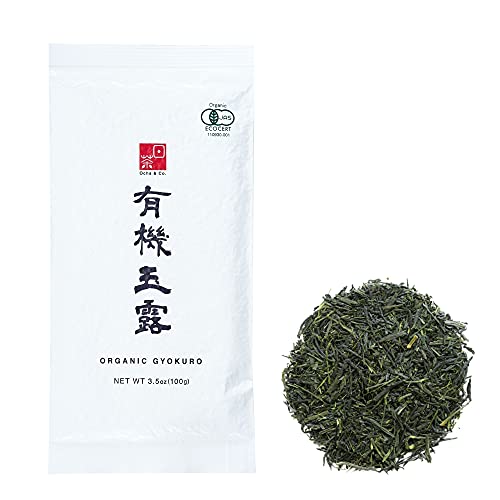
Ocha & Co. Organic Gyokuro, 100g

Two Leaves and a Bud Tamayokucha, 50 sachets

FKRO Organic Kabusecha, 100g

Crafti Organic Ceremonial Matcha, 30g
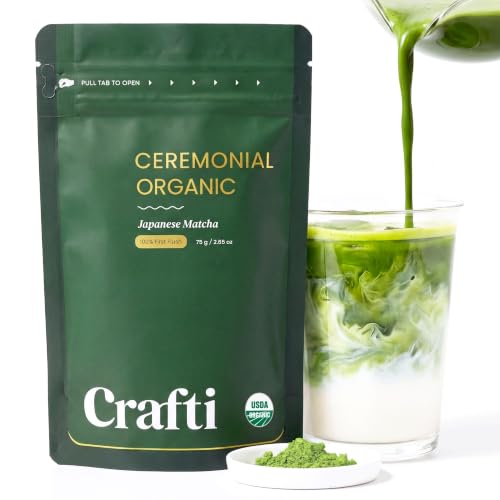
Crafti Organic Ceremonial Matcha, 75g
Meet The Standout Selections
Chikiriya’s Premium Uji Hon Gyokuro arrives as a 50g tin of needle-shaped leaves, the kind of dark green, glossy curls that signal proper shading before you even open the bag. Brewing it the traditional way (low water temperature, short steeps, plenty of leaf) coaxes out the sweet, savory broth that makes Gyokuro famous, and the character holds up across two or three re-steepings.
For anyone moving up from everyday sencha into the world of true shade-grown tea, this is a sensible first step. The 50g size is small enough to finish while the leaves are still fresh, and the price-per-cup lands far below the boutique-tier options. Owners commonly reseal the pouch tightly and keep it away from the spice cabinet, since Gyokuro picks up odors faster than roasted teas.
The Case For It
- Authentic Uji-shaded growing method that delivers real umami depth
- Versatile for both quiet tea tastings and a daily cup
- 50g portion is approachable for first-timers testing the category
- Leaves re-steep cleanly, stretching the pouch across multiple sessions
Things To Consider
- Needs cool water (around 50–60°C) to avoid bitterness, which means a thermometer or patience
- Loose leaves require a proper kyusu or strainer, not a basic mug infuser
- Once opened, freshness fades within a few weeks, so smaller pouches beat larger ones for solo drinkers
Who It Suits Best
Curious drinkers upgrading from sencha who want a genuine, well-priced entry into Gyokuro without committing to a 100g tin.
Where Another Pick Suits Better
Senbird Gyokuro Isshin suits shoppers who care more about a small-batch, single-cultivar profile than a versatile everyday Uji blend.
Senbird sources its Isshin Gyokuro from Kyoto in small batches, working with growers who feed the soil with fermented soybeans and yogurt to layer in extra mineral character. The Asatsuyu cultivar (one of the rarer Gyokuro varieties) gives the cup a softer, almost honeyed sweetness and a noticeably jade-green liquor that looks as good as it tastes.
Compared to the broader Uji profile of Chikiriya, this one leans more floral and less grassy. It’s the right choice for drinkers who already own a kyusu and like to dial leaf weight and water temperature into a personal recipe. The 50g pouch travels well for tasting flights with friends, and cold-brewing the leaves overnight pulls a clean, sweet infusion that works in summer.
What It Does Well
- Small-batch Kyoto origin with a single-cultivar focus
- Asatsuyu cultivar offers a sweeter, less astringent cup
- Tests for radiation and metals, important for Japanese leaf shoppers
- Plays nicely with both hot and cold brewing methods
Worth Noting
- Premium positioning puts it well above everyday Uji Gyokuro on cost
- Asatsuyu’s mild character can read as thin to drinkers used to heavier Yabukita Gyokuro
Key Product Details
Right Fit For
Tea hobbyists with a real brewing setup who chase single-cultivar, small-batch character over value.
Look Elsewhere When
Chikiriya Uji Gyokuro ‘Saiga’ suits anyone who brews larger pots for sharing and prefers a fuller-bodied everyday cup.
Matcha Konomi leans into the cleaner side of the category with an organic, first-harvest Saemidori Gyokuro from Kagoshima. Saemidori is the same prized cultivar FKRO uses for its Kabusecha, and it tends to read as smoother and sweeter than the more common Yabukita. The 100g bag suits households that go through a kettle a day.
The roughly 20-day shading window matches the long, traditional approach, which translates to a richer amino acid profile and the savory-sweet broth Gyokuro fans chase. For shoppers who filter their pantry for organic staples, this pick fits naturally next to the coffee and cocoa. Storage is straightforward: sealed pouch, dark cupboard, used within a couple of months.
Bright Spots
- Organic certification appeals to clean-label shoppers
- Saemidori cultivar delivers a balanced, mellow cup
- First-harvest leaves typically produce the cleanest flavor
- 100g size is friendly for daily drinkers
Room For Improvement
- Loose-leaf format means brewing gear is required
- Organic credentials vary in strictness between regions, so check the listing if you need specific certification
Best Suited To
Organic-focused tea drinkers who brew at least once a day and want a sizable, smooth Gyokuro on hand.
Skip It When
Ocha & Co. Organic Gyokuro suits shoppers who prefer a 100g option from a different supply chain or want a slightly more aromatic profile.
The Saiga blend from Chikiriya sits in the middle of the brand’s Gyokuro range, offering an 80g pouch of pure Uji-shaded leaves aimed at relaxed everyday brewing. It’s a sensible step up from the 50g entry tin, sized for households that pour a pot for two or three over the course of a day.
Chikiriya’s recommended ratio (one teaspoon per eight ounces) is a forgiving starting point, and the cup comes out rounded and umami-forward without demanding a precise water temperature. The pouch stores easily in a sealed tin, and the leaves tolerate the occasional missed steep. For drinkers building a steady evening routine, Saiga is a quiet, dependable workhorse.
Where It Delivers
- 80g format covers longer daily use before going stale
- Uji-region origin keeps the flavor profile classically savory
- Forgiving brewing ratio suits casual setups
- Vegan-friendly ingredient list, with nothing added
Honest Caveats
- Larger pouch means you must keep it sealed tight to protect the last third of the bag
- Not the right pick for shoppers chasing a single-cultivar story
Feature Snapshot
Who Will Love This
Daily Gyokuro drinkers who want a steady, mid-sized pouch from a Kyoto producer without paying boutique-tier prices.
Consider Something Else When
Matcha Konomi Organic Gyokuro suits shoppers who want organic certification as a hard requirement and a Saemidori-driven cup.
Crafti’s Signature Ceremonial tin is technically a matcha, but it earns a place on a Gyokuro shortlist because the leaf is shade-grown in Uji, Kyoto, and the slow shading produces the same savory-sweet amino acid profile that defines Gyokuro. Whisked in the traditional style, it offers a brighter, more vegetal cup than the loose-leaf picks above.
The 30g tin is a manageable starter size for someone testing whether ceremonial-grade matcha fits a morning routine. It’s the right tool for drinkers who want a no-fuss daily ritual: scoop, sift, whisk, drink. Because matcha is the whole leaf powdered, you also consume the L-theanine-rich material that gets left behind in a spent Gyokuro leaf, so the lift feels a bit different.
The Good Stuff
- First-harvest Uji leaf carries genuine umami depth
- 30g tin stays fresh through a typical workweek of daily cups
- Ceremonial-grade positioning suits traditional preparation
- Unsweetened with nothing added, so you control the cup
Points To Note
- Matcha prep needs a chasen whisk and a sifter, which is a small upfront cost
- The 30g tin goes quickly if you’re a twice-a-day drinker
Quick Facts
Whose Shelf It Belongs On
Morning ritual drinkers who want the energy and amino-acid profile of shade-grown Japanese tea in whisked form.
A Better Fit Elsewhere
Chikiriya Premium Uji Hon Gyokuro suits shoppers who prefer steeping whole leaves over the powdered prep matcha demands.
Ocha & Co.’s organic Gyokuro comes from plants shaded for 20 days, which is the longer, more traditional end of the spectrum and the main reason the cup reads as deeply savory. The deep emerald liquor and a fragrant bouquet are the calling cards, and the flavor leans smooth and umami-rich rather than grassy or sharp.
The 100g pouch suits a household that goes through Gyokuro at a steady clip, and the organic pedigree lines up with the way many shoppers now buy tea, alongside their coffee and cocoa. In side-by-side tastings, the leaf holds up nicely to a slightly higher water temperature than some competitors, which is forgiving for brewers still learning the ropes.
Everyday Perks
- 20-day shading produces a deep, layered umami
- 100g bag offers good value for daily drinkers
- Organic leaf fits clean-pantry routines
- Forgiving in the cup, even if your water temp runs a touch warm
Soft Spots
- Loose leaves still need a kyusu or strainer to brew well
- After opening, plan to finish the pouch within about two months for the best flavor
Perfect Match For
Organic shoppers and regular brewers who want a long-shaded, smooth Gyokuro in a generous size.
Reach For A Different Pick When
FKRO Organic Kabusecha fits drinkers who want a brighter, slightly less intense cup with a Sencha-style lift.
Tamayokucha is a Japanese-style shade-grown green tea steamed in the traditional manner, similar in spirit to Gyokuro but rolled into fine needle shapes rather than the classic flat Gyokuro leaf. Two Leaves and a Bud packs it in naked pyramid sachets, which give the whole leaves room to unfurl in the cup while keeping the brewing process mess-free.
For office desks, hotel rooms, or a quick morning pour, the sachet format removes the equipment barrier. The 50-count resealable bag travels well and stays fresh in a kitchen drawer. The cup lands on the light and sweet side, with a green hue and a soft finish that works for drinkers who find classic Gyokuro too intense.
The Helpful Details
- Pyramid sachets hold whole leaves for fuller flavor
- Resealable bag keeps the rest of the box fresh
- No strainer or kyusu required, ideal for travel and offices
- Light, sweet character appeals to new shade-grown tea drinkers
Possible Compromises
- Not true Gyokuro, so the umami hit is lighter than a steeped leaf tin
- Single-serve sachets cost more per cup than bulk loose leaf
Built With In Mind
Busy professionals, travelers, and office drinkers who want a shade-grown Japanese tea without any brewing gear.
Where A Sibling Pick Shines
Senbird Gyokuro Isshin suits anyone ready to commit to a real kyusu and chase a deeper, more nuanced umami cup.
FKRO’s Kabusecha is a shade-grown tea that sits between sencha and full Gyokuro, with the leaves covered for about 10 days rather than the 20+ used for true Gyokuro. The result is a brighter, more lifted cup that still carries the sweet, umami-leaning character of a shaded leaf. The Saemidori cultivar keeps the flavor delicate and clean.
The standout feature is freshness: FKRO flies the tea in monthly from Kagoshima, which matters a lot for green tea, since staled leaf is the most common reason a premium pouch disappoints. Hand-picked and mid-steamed by a fourth-generation grower, the 100g pouch lands in the kitchen at peak quality. The flavor notes lean toward sakura, honeydew, and citrus rather than heavy seaweed.
Standout Benefits
- Monthly air-freight from Japan keeps the leaf notably fresh
- 10-day shading gives a brighter lift than full Gyokuro
- Saemidori cultivar is rare and prized for its delicate profile
- USDA certified organic for shoppers who track certifications
Points To Keep In Mind
- Not a true Gyokuro, so umami is lighter than 20+ day-shaded leaf
- Hand-picked positioning can put it above mid-tier Gyokuro on cost
Feature Overview
The Right Fit
Drinkers who like a brighter shade-grown cup and value ultra-fresh leaf flown in from Japan over bargain pricing.
Swap It Out When
Chikiriya Premium Uji Hon Gyokuro makes more sense for shoppers chasing a fuller-bodied, traditional Gyokuro profile.
Crafti’s organic ceremonial matcha shares the same Uji, Kyoto first-harvest pedigree as the brand’s Signature tin, but adds organic certification, which makes it a comfortable first ceremonial tin for shoppers who build their pantry around organic staples. The 30g size is forgiving: enough to learn the whisk without wasting a fortune on early mistakes.
The powder sifts smoothly when prepped right and pulls a vibrant green whisked tea with the sweet, slightly grassy character that defines ceremonial-grade leaf. For someone transitioning from a sweetened matcha latte habit to a more traditional preparation, this is a clean, no-added-sugar starting point. Pair it with a basic bamboo whisk and ceramic bowl to get going.
A Strong Showing
- Organic certification aligns with clean-label shopping
- First-harvest leaf brings a clean, balanced cup
- 30g tin is a low-commitment size for new drinkers
- Unsweetened formula lets you control additions
Small Caveats
- Needs a whisk, sifter, and bowl to brew properly
- Once opened, matcha loses aroma faster than loose leaf, so smaller tins beat larger ones for casual drinkers
Who Should Grab It
First-time ceremonial matcha drinkers who want an organic Uji option without the price of the larger formats.
Not Your Match When
Two Leaves and a Bud Tamayokucha suits anyone who wants shade-grown Japanese tea without investing in any prep gear at all.
The 75g version of Crafti’s organic ceremonial matcha is the same first-harvest Uji leaf as the smaller tin, just in a format built for daily drinkers and shared kitchens. Two-and-a-half times the volume means the tin becomes a pantry staple rather than a tasting-size experiment.
For households that whisk a morning cup every day, the larger tin reduces how often you need to reorder and keeps the per-cup cost reasonable. The flavor and prep routine match the 30g tin exactly, so there’s no learning curve. Store it sealed in a cool, dark cupboard and use it within a couple of months of opening for the brightest color and cleanest taste.
Useful Touches
- 75g size suits heavy daily use without constant reordering
- Organic Uji leaf keeps the cup clean and savory-sweet
- Ceremonial grade works for both traditional bowls and modern lattes
- Lower per-cup cost than the smaller tins
Trade Offs
- Larger tin risks staleness if you only drink matcha occasionally
- Still needs a proper whisk and sifter for the best results
Made For
Daily matcha drinkers and small households that go through a tin of ceremonial-grade leaf in well under two months.
Another Choice May Suit
Crafti Signature Ceremonial Matcha, 30g, is the better pick for casual drinkers who only whisk a few cups a week.
What Matters Most Before Choosing Gyokuro Green Teas
Reading The Shading Window
True Gyokuro is shaded for roughly 20 to 30 days before harvest, which forces the plant to convert chlorophyll and produce extra L-theanine (the amino acid behind the umami taste). The longer the shade, the deeper the savory broth in the cup. Lighter shading windows of about 10 days produce Kabusecha, a related but brighter style. If you want the classic mellow umami, look for “20+ day shade” or “full shade” language. For something with more lift, Kabusecha like FKRO’s offering sits in a comfortable middle ground.
Cultivar And Origin Trade-Offs
Yabukita is the workhorse cultivar of Japanese tea and dominates the shelves, but Asatsuyu and Saemidori show up on premium tins for good reason. Asatsuyu leans honeyed and floral, while Saemidori tends toward the smooth and slightly vegetal. Region matters too: Uji in Kyoto is the traditional benchmark, Kagoshima and Shizuoka produce excellent leaf in their own right, and the growing conditions shape the cup as much as the cultivar does.
Format Choices: Loose Leaf, Sachet, Or Powder
Loose-leaf Gyokuro gives the most authentic cup, but it demands a kyusu teapot or a fine strainer. Pyramid sachets like the Two Leaves and a Bud Tamayokucha trade some nuance for true grab-and-go convenience. Ceremonial-grade matcha sits on a different axis: the same shade-grown leaf, just powdered, and you consume the whole leaf rather than steeping it. Pick the format that matches your morning reality, not the one with the best story.
Storage And Freshness Expectations
Green tea fades quickly, and Gyokuro fades faster than most. After opening, plan to use a 50g tin within a month and a 100g pouch within two, ideally. Keep the pouch sealed, away from sunlight, heat, and the spice cabinet, since leaf absorbs odors easily. Tin storage beats plastic for anything more than a few weeks. Freshness is the single biggest reason a pricey pouch disappoints, so buy what you’ll actually finish.
Key Considerations Across These Picks
Pitfalls Shoppers Hit
A common slip is buying a large pouch of premium leaf and leaving it half-used for months. Green tea loses its aromatic top notes fast, so a 100g tin only pays off if you brew often. Another trap is reaching for boiling water, which scorches the leaf and turns the cup bitter. Aim for 50 to 60°C (122 to 140°F) for true Gyokuro, and slightly higher for Kabusecha. Shoppers also tend to confuse matcha grades: culinary matcha is fine for lattes, but ceremonial-grade is what you want for traditional bowls.
When Paying More Pays Off
The jump from a budget sencha to a 20-day-shaded Gyokuro is a real step up, and the amino acid richness, color, and aroma all change noticeably. The next tier up, single-cultivar, small-batch leaf from a known grower, is a subtler upgrade and mostly matters to drinkers who already have a calibrated palate. Spend more when you brew often enough to finish a tin fresh, and when the cultivar or shading window genuinely differs from what you’d otherwise buy. Skip the markup if you’re still deciding whether shade-grown tea suits you; a solid Uji blend covers the gap until you know.
Frequently Asked Questions
How Is Gyokuro Different From Regular Green Tea?
Gyokuro is shaded for 20 or more days before harvest, which boosts L-theanine and produces a sweeter, more savory cup than unshaded sencha. The brewing method also uses cooler water and more leaf per serving.
What Water Temperature Works Best For Gyokuro?
Most Gyokuro shines at around 50 to 60°C (122 to 140°F). Going hotter extracts bitterness and drowns out the umami. A simple kettle-rest of two to three minutes after boiling gets you in the zone.
Can You Re-Steep Gyokuro Leaves?
Yes, good Gyokuro commonly gives two to three flavorful steeps, and sometimes more. Each round is shorter than the first and tends to read as lighter and more floral, so plan your time accordingly.
Is Ceremonial Matcha The Same As Gyokuro?
They share the same shade-grown origin, but matcha is the powdered whole leaf while Gyokuro is steeped leaves you discard. Matcha delivers a more concentrated dose of the leaf’s compounds, and the prep method is entirely different.
How Should Gyokuro Be Stored?
Keep it sealed in a cool, dark, dry place, away from sunlight, heat, and strong odors. Once opened, aim to use a 50g tin within about a month and a 100g pouch within two for the brightest flavor.
Bottom Line
The best Gyokuro is the one you actually finish while it’s still fresh, brewed at the right temperature, with leaf matched to your setup. Start with a smaller Uji tin if you’re new to the category, step up to a single-cultivar small-batch bag once you know what you like, and consider a ceremonial matcha or sachet format for mornings where brewing gear isn’t realistic. The shortlist above covers the main paths, and any of them rewards a little patience with a cup that plain sencha rarely matches.
