

Coconut water used to be a one-note thing: faintly sweet, vaguely tropical, and an acquired taste at the gym. That has changed. Today’s shelf pulls in single-ingredient farm pours, flavored twists, electrolyte blends, and even functional options with sea moss or prebiotic fiber added in. The trouble is figuring out which can or carton actually earns the fridge space, especially if you care about sugar, sourcing, or what “natural electrolytes” really means. This roundup lines up ten options worth your attention, from chocolate-kissed treats to single-origin Vietnamese harvests, so you can pick the bottle that fits how you actually drink.
Your Options, Compared

Da Bomb Sea Moss Coconut Water Pineapple Ginger 12 Pack
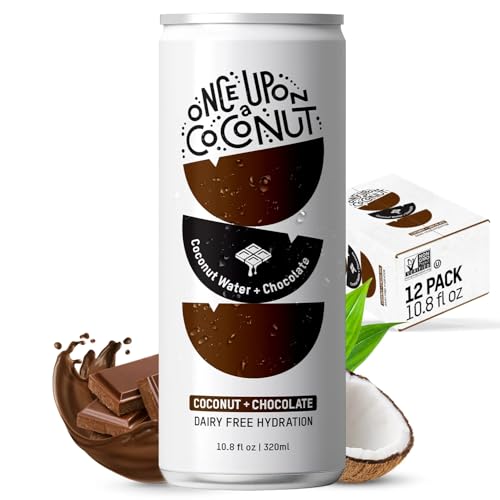
Once Upon a Coconut Premium Chocolate Coconut Water 10.8 oz (12 Pack)

CocoGoodsCo 100% Organic Coconut Water 16.9 oz (12 Pack)
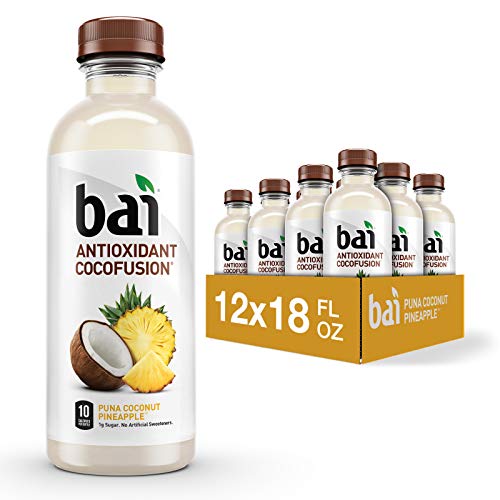
Bai Coconut Flavored Water Puna Coconut Pineapple 18 oz (12 Pack)

CocoGoods Co. Prebiotic Coconut Water 16.9 oz (12 Pack)

Vita Coco Organic Coconut Water Original 16.9 oz (12 Pack)

CocoGoodsCo Vietnam Single-Origin Natural Coconut Water 16.9 oz (12 Pack)

CocoGoodsCo Vietnam Single-Origin Organic Coconut Water 33.8 oz (6 Pack)

Thai Coco Organic Coconut Water 33.8 oz (6 Pack)

Thai Coco Coconut Water 11.2 oz Tetra Carton (12 Pack)
More Details On Our Top Picks
If plain coconut water feels a little flat, the Da Bomb Sea Moss blend leans into the functional side of the category. The 11.1 fl oz cans pair real coconut water with sea moss, which is a seaweed long used in wellness circles for its trace mineral content. The pineapple ginger flavor is the obvious choice for drinkers who want a sharper, more grown-up taste than the typical mango or original pour.
Each can delivers 3,300 mg of sea moss alongside naturally occurring electrolytes, and the formula stays non-carbonated with no added sugar. That makes it a smart pick for anyone using coconut water as a daily supplement rather than a casual sipper. Owners who stack it with a workout routine will likely appreciate the compact can format, which fits a cup holder or gym bag pocket easily.
Real Benefits
- Real coconut water forms the base, with sea moss layered in for extra mineral content.
- Pineapple ginger flavor gives a brighter, less sweet profile than standard tropical options.
- No added sugar keeps the can from tasting like a dessert in disguise.
- Cans are travel-friendly and easy to chill quickly in a sink of ice water.
Things To Consider
- The sea moss taste is mild but noticeable, so plain-pour loyalists may need an adjustment period.
- Pineapple ginger can read slightly medicinal on warmer days when ice is not available.
- Smaller 11.1 fl oz cans mean more packaging waste than a single liter bottle.
Built With In Mind
Functional drinkers who want coconut water to double as a sea moss delivery system on busy mornings.
Where Another Pick Suits Better
Plain-pour loyalists skipping the wellness angle will be happier with CocoGoodsCo 100% Organic Coconut Water, which keeps the formula to a single farm ingredient.
Once Upon a Coconut positions itself as a treat, and the chocolate variety leans into that brief without apology. Each 10.8 fl oz tetra pack wraps coconut water in a cocoa-style flavor that reads closer to a light chocolate milk than a sports drink. It works as a fridge-friendly alternative to a 3 pm chocolate bar, especially for households where plain coconut water tends to sit untouched.
The formula stays low calorie, gluten-free, and non-GMO, so it does not feel like a straight indulgence. The brand also offers blueberry, pineapple, and watermelon options if the chocolate runs out of charm. Stocking a 12-pack gives the household enough variety to last a couple of weeks, which is useful for anyone rotating through hydration choices during a work sprint.
Noteworthy Benefits
- Chocolate twist turns a hydration drink into a small afternoon ritual.
- Low calorie count keeps the chocolate flavor from feeling like a calorie bomb.
- Tetra pack format is shelf-stable and packs easily into a lunch bag.
- Other flavor options from the same brand rotate the experience across the week.
Worth Noting
- The chocolate note is subtle, and serious chocolate lovers may wish it pushed further.
- Smaller 10.8 fl oz servings mean more frequent opening than a liter-style bottle.
- Drinkers who dislike any flavoring at all will prefer a single-ingredient pick.
Who It Suits Best
Snackers who want a chocolate fix that doubles as hydration without the weight of a full dessert drink.
Consider Something Else When
Strict single-ingredient shoppers will find a more honest pour in Thai Coco Coconut Water, which uses nothing but coconut water inside the carton.
The CocoGoodsCo organic pour is what happens when a brand commits to a single ingredient. Each 16.9 fl oz bottle contains nothing but coconut water from the Ben Tre region of Vietnam, sourced from a single-origin cooperative in the Mekong Delta. The result is a clean, slightly nutty pour that lets the coconut do the talking without any sugar, concentrate, or flavoring to smooth it out.
This is the choice for label readers and ingredient minimalists. The natural sweetness comes straight from the fruit, and the electrolyte profile reads well for everyday hydration rather than serious sports recovery. A 12-pack fits a standard fridge door and gives the household roughly two weeks of backup hydration if the bottles are used as a daily driver.
Practical Pluses
- Single-ingredient label removes any guesswork about what is in the bottle.
- Single-origin sourcing gives the pour a more consistent flavor profile than blends.
- Zero added sugar means the sweetness matches the fruit rather than added cane.
- Bottle shape fits a standard car cup holder and fridge door shelf.
Trade Offs
- The nutty, earthy character of single-origin water is not for drinkers expecting a milder supermarket pour.
- Glass-free plastic means a slightly different mouthfeel than a chilled can or tetra pack.
- Recycling the 12-pack may require keeping empties sorted in larger households.
Right Fit For
Minimalists who want a coconut water they can pour into a smoothie, breakfast bowl, or post-run glass without reading a label twice.
Skip It When
Anyone chasing an electrolyte-heavy workout pour will find a stronger match in Vita Coco Organic Coconut Water, which leans further into the recovery side.
Bai plays in the flavored water space, and the Puna Coconut Pineapple bottle pushes tropical flavor harder than a quiet pour. Each 18 fl oz bottle carries a coconut pineapple blend that reads more like a soft fruit drink than a raw coconut water, with antioxidant infusion built into the formula. It slots in nicely for anyone who finds plain coconut water too neutral for daily use.
The calorie count stays low and the sugar per serving is minimal, which keeps the bottle from drifting into juice territory. Bai also rotates flavors like Brasilia Blueberry, Costa Rica Clementine, and Kula Watermelon, so a 12-pack is more of a tasting flight than a single-note experience. The bottle is taller than a standard 16 oz pour, so fridge space is worth measuring before the case arrives.
The Helpful Details
- Strong tropical flavor profile makes it easy to drink without an acquired taste period.
- Antioxidant infusion adds a wellness angle without piling on sugar.
- Large 18 fl oz bottle stretches the pour across a full afternoon.
- Flavor rotation across the Bai line keeps the fridge from going stale.
Points To Note
- The flavoring is bolder, so purists who want a farm-style pour will feel pushed out.
- The 18 fl oz bottle is taller and may not fit a smaller fridge door shelf.
Best Suited To
Flavor seekers who want a coconut-flavored hydration drink they can toss in a tote and finish by lunch.
Not Your Match When
Anyone looking for an unflavored, single-ingredient pour will find a cleaner choice in CocoGoodsCo Vietnam Single-Origin 100% Natural Coconut Water.
CocoGoods Co. has taken the base pour and dressed it up for a different crowd. The prebiotic version keeps the original coconut water foundation but layers in 6 grams of prebiotic fiber per bottle, drawn from a blend of five fiber sources. That makes each 16.9 fl oz bottle a hydration drink with a digestive wellness angle, all without stevia or carbonation.
The 2 grams of added sugar keep the taste close enough to the original pour that existing fans will not feel pushed out. Potassium and magnesium ride along in the background as the natural electrolyte pair, which is the same draw you would expect from a non-prebiotic coconut water. A 12-pack fits easily in a fridge and gives the household enough for a couple of weeks of weekday lunches.
What Pays Off
- Prebiotic fiber blend adds a digestive angle without overcomplicating the ingredient list.
- No stevia or carbonation keeps the texture close to standard coconut water.
- Potassium and magnesium from the base water carry the electrolyte load naturally.
- Single 12-pack format is easy to share between two household members.
Honest Caveats
- The fiber boost can occasionally cause mild bloating in drinkers new to prebiotic sources.
- Flavor is close to the original but not identical, so loyalists may notice the change.
Who Should Grab It
Wellness-focused drinkers who want one bottle that covers hydration and a small fiber bump in a single grab.
Look Elsewhere When
Anyone with a sensitive stomach will be more comfortable with CocoGoodsCo 100% Organic Coconut Water, which skips the added fiber entirely.
Vita Coco is the brand most people picture when coconut water comes up, and the organic original stays close to that familiar pour. Each 16.9 fl oz bottle keeps the formula clean with naturally occurring electrolytes, no fat, and a calorie count that sits well below most sodas or juices. The 12-pack is built for households that already trust the brand and want the fridge restocked without a second thought.
The flavor lands closer to the sweet, mellow middle of the coconut water category, which makes it a safe pick for first-timers and kids alike. The bottle shape fits a lunchbox pocket or a car cup holder, and the cap reseals for slow drinkers who nurse a bottle across the morning. Compared with the Thai Coco and CocoGoodsCo options further down this list, Vita Coco reads as a smoother, more commercial pour.
What Helps Most
- Household name with broad availability and an easy on-ramp for new coconut water drinkers.
- Lower calorie and lower sugar count compared with most sodas and fruit juices.
- Resealable cap extends the life of a half-finished bottle during a long commute.
- Gluten-free, non-GMO, and fat-free label covers most everyday dietary checks.
Small Caveats
- Flavor skews milder and more commercial than the farm-pour picks higher on this list.
- Plastic bottles add to household recycling load, so a bin is worth keeping nearby.
Made For
Daily routine drinkers who want a familiar coconut water they can pour at breakfast, after a workout, or with a casual meal.
Reach For A Different Pick When
Anyone chasing a single-ingredient pour will find a more transparent label on CocoGoodsCo Vietnam Single-Origin 100% Natural Coconut Water.
The CocoGoodsCo natural pour sits one rung below the organic version, keeping the Ben Tre single-origin sourcing and never-from-concentrate promise without the organic certification. Each 16.9 fl oz bottle carries nothing but coconut water, so the ingredient list is short enough to memorize. For households that rotate through coconut water quickly, the 12-pack format offers enough bottles to avoid a weekly restock.
The natural sweetness stays gentle, and the electrolyte profile keeps pace with the category standard, with potassium leading the way. The bottle shape mirrors the rest of the CocoGoodsCo line, so the case stacks neatly in a pantry or fridge shelf. Compared with the organic sibling pick earlier in this list, this one reads as the more economical daily pour.
Notable Gains
- Single-origin Ben Tre sourcing gives the bottle a more consistent flavor than a global blend.
- Never from concentrate means the water reaches the bottle closer to its original state.
- No added sugar keeps the natural fruit sweetness in charge of the taste.
- 12-pack format stretches across two weeks of weekday hydration for one person.
Factors To Consider
- Lacks the organic certification that some shoppers specifically look for on a label.
- Mildly nutty character is more pronounced than a commercial brand pour.
Who Will Love This
Fridge-stocking households that want a clean, single-ingredient coconut water on a regular rotation without the organic price tag.
A Better Fit Elsewhere
Shoppers who want the organic certification can move up to CocoGoodsCo 100% Organic Coconut Water, which is the certified sibling on this list.
The 33.8 fl oz liter format is where CocoGoodsCo’s organic single-origin pour really opens up. Each bottle holds a full liter of coconut water from the Ben Tre cooperative, which is enough to share across a breakfast table or to decant into a smoothie batch. The 6-pack is a smaller case than the 12-pack, so storage stays manageable even in tighter fridges.
The ingredient label stays minimal, with no added sugar and no concentrate in sight, and the electrolyte profile still leans on potassium as the headline mineral. The bottle cap reseals, so a half-finished liter can hold in the fridge for the next morning without a rush. Compared with the smaller 16.9 fl oz bottles, this format cuts down on packaging waste per ounce.
Everyday Perks
- Full liter format suits families, smoothie batches, and meal prep routines.
- Single-ingredient organic label keeps the bottle aligned with clean-eating kitchens.
- Resealable cap protects the flavor of a half-finished bottle overnight.
- Larger format means less packaging waste per ounce than a 12-pack of single-serve bottles.
Less Ideal Details
- A full liter is heavy to carry back from the door in one trip once opened.
- Single drinkers will need to finish the bottle within a day or two to keep it fresh.
Perfect Match For
Households and home cooks who want a liter of organic coconut water on hand for recipes, breakfast pours, and family refills.
Swap It Out When
Solo drinkers who only finish a bottle at a time will be happier with the 16.9 fl oz CocoGoodsCo 100% Organic Coconut Water 12-pack format.
Thai Coco builds its pour around Nam Hom coconuts, a young Thai variety prized for a sweeter, more aromatic profile. The organic certification adds another layer of reassurance for label-conscious shoppers, and the 33.8 fl oz liter format shares easily across a household. The 6-pack keeps the case size manageable for fridges that already do a lot of work.
No added sugar and no artificial ingredients leave the natural coconut sweetness to lead, and the brand describes the pour as a low-calorie option that doubles as a pre-workout or afternoon pick-me-up. The taste leans a touch sweeter and more floral than the Vietnamese single-origin picks earlier in this list, which gives Thai Coco a clear identity on the shelf. Electrolytes ride along naturally, with potassium as the headliner.
Real-World Strengths
- Nam Hom coconut base gives the pour a sweeter, more aromatic edge than generic blends.
- Organic certification covers the standard clean-label checklist for most shoppers.
- Liter format works well for sharing, recipes, and multi-drink mornings.
- No added sugar keeps the natural fruit sweetness in charge of the flavor.
Some Limits To Know
- Nam Hom aroma can read as floral to drinkers used to more neutral coconut water.
- Six-pack size offers less buffer than a 12-pack for heavy hydration households.
Whose Shelf It Belongs On
Flavor-first drinkers who want a slightly sweeter organic pour that still respects a single-ingredient label.
Another Choice May Suit
Minimalists who want the most stripped-down ingredient list will prefer CocoGoodsCo 100% Organic Coconut Water, which skips any flavor note at all.
The 11.2 fl oz tetra carton is the smaller sibling to the Thai Coco liter pour, designed for single-serve moments. Each carton holds 100% pure coconut water with no added sugar, no flavors, and no preservatives, which keeps the ingredient list short enough to recite from memory. The 12-pack gives the household a long enough runway for school lunches, gym bags, and travel days without a constant restock.
Natural electrolytes, including potassium, ride along in the background, and the tetra carton format is shelf-stable, so the case can sit in the pantry until it is needed. The smaller serving size is the obvious fit for parents packing lunches or for runners who want a hydration boost between meetings. Compared with the Bai flavored bottle earlier in the list, this one stays closer to a true farm pour.
Standout Benefits
- Tetra carton format is portable, lightweight, and easy to pack in a lunch bag.
- Single-ingredient label keeps the carton aligned with strict clean-eating routines.
- No added sugar, flavors, or preservatives shortens the ingredient list to a single line.
- 12-pack format covers a couple of weeks of weekday lunches or post-workout pours.
Practical Considerations
- Smaller 11.2 fl oz serving means more cartons to open than a liter bottle for the same pour volume.
- Plain flavor profile is honest but reads as mild next to the flavored options on this list.
The Right Fit
Parents, students, and travelers who want a single-serve coconut water they can toss in a bag and finish in one sitting.
Not Your Match When
Households pouring for several people at once will get better mileage from the Thai Coco Organic Coconut Water 33.8 fl oz 6-pack liter format.
Choosing The Right Coconut Water For Your Routine
The first thing worth checking on any bottle is the ingredient list. A clean pour reads as a single line, and the more space that line takes up on the label, the less room there is for added sugar, concentrate, or “natural flavor” tricks. Single-origin sourcing, never from concentrate, and an organic seal are three markers that tend to travel together, and they give a reasonable sense of how the brand treats the fruit before it reaches the bottle.
Next, think about format. A 12-pack of 11 oz tetra cartons works for lunches and quick gym sessions, while a 6-pack of liter bottles is built for breakfast tables and smoothie prep. Powdered concentrates and resealable caps also change how the bottle fits into a normal day, so it helps to match the format to the routine rather than the other way around.
Finally, weigh the extras. Functional options like prebiotic fiber, sea moss, or added antioxidants have real appeal, but they also change the price and the taste. A flavored bottle can read as a treat, while a single-ingredient pour leans closer to a daily staple. Pick the angle that matches how often you actually want to reach for it.
Key Considerations Across These Picks
Common Shopping Slip Ups
The easiest trap in this category is reaching for a bottle that looks like a healthy swap but carries more added sugar than a soft drink. Always check the nutrition panel, not the front label, and remember that “flavored water” can mean a very different drink than a “100% coconut water” pour. Shoppers also tend to overlook concentrate, which is water that has been boiled down and reconstituted, often losing flavor and some nutrients along the way.
Another slip is buying a 12-pack of single-serve bottles for a household that mostly pours at breakfast. A 6-pack of liter bottles usually gives better value per ounce and creates less packaging waste. The reverse is true for parents packing lunches, where the smaller format is the right call.
Where The Extra Money Goes
Premium coconut water typically costs more for a few clear reasons: single-origin sourcing, organic certification, and glass or tetra carton packaging instead of plastic. None of those are window dressing, and they tend to show up in a more consistent flavor and a cleaner ingredient list. The upgrade is worth paying for when the bottle is replacing a daily soft drink habit, and less critical when the coconut water is a once-a-week treat.
A bottle with functional extras like prebiotic fiber or sea moss is a different kind of premium. Those formulas bring a wellness angle to a familiar pour, and the higher cost reflects the added ingredients rather than the coconut water itself. For shoppers chasing a specific health goal, the upgrade can earn its keep, but it is not necessary for a clean, hydrating everyday pour.
Frequently Asked Questions
Is coconut water actually healthier than regular water?
Coconut water naturally contains electrolytes like potassium and magnesium, so it can be a useful hydration option after exercise or on hot days. Plain water still wins for everyday sipping, and coconut water is best treated as a rotation rather than a swap.
What does “never from concentrate” actually mean?
Concentrate is coconut water that has been boiled down to save shipping space and then rehydrated later. A “never from concentrate” pour skips that step, so the water reaches the bottle closer to its original state and tends to taste a little fresher.
How much sugar is too much in a coconut water?
Pure coconut water contains natural fruit sugars, so a small amount is expected. A clean pour usually lands in the single digits of added sugar per serving, and any bottle that pushes past that range is likely leaning on added sweeteners.
Do flavored coconut waters still count as healthy?
Flavored options can still be a reasonable choice, but the ingredient list matters. Bold flavoring often comes with added sugar or “natural flavor” blends, so it pays to compare the nutrition panel against a single-ingredient pour before stocking the fridge.
Can kids drink coconut water every day?
For most kids, a small tetra carton of pure coconut water is a fine occasional addition to a balanced diet. Daily pours in larger volumes can add up in potassium and natural sugars, so it is worth treating the bottle as a treat rather than the main source of hydration.
Final Verdict
A good bottle of coconut water should be quiet about what it is doing: one ingredient, a clean sweetness, and a flavor that lets the fruit lead. Start by matching the format to your routine, choose between a single-ingredient pour and a functional option, and reach for the bottle you will actually finish before the case expires. Hydration works best when the choice feels easy, and the right pick on this list will disappear from the fridge faster than you expect.
