

Hojicha carries a flavor profile that sets it apart from standard green teas. The roasting process transforms ordinary tea leaves into a reddish-brown infusion with toasted, almost caramel-like notes, and far less caffeine than its unroasted cousins. People who want a low-caffeine evening ritual, or anyone curious about exploring Japanese tea beyond the usual sencha and matcha, tend to land on hojicha first for good reason.
Below, the lineup covers bagged everyday options, single-origin loose leaf, and powdered latte blends. A few non-roasted picks from the broader Japanese tea category made the cut too, since they pair naturally with hojicha in a working tea pantry. The goal is simple: match the right format and roast level to the way you actually brew at home.
The Essentials At A Glance

Thunder Tech Ito-en Japanese Premium Tea Bags Genmaicha Houjicha with Uji Matcha 60 Bags

Traditional Medicinals Organic Nighty Night Extra, 48 Tea Bags

Traditional Medicinals Organic Nighty Night Chamomile, 96 Tea Bags

YAMASAN KYOTO UJI Japanese Organic Hojicha Roasted Green Tea 5.2oz

Ocha & Co. Organic Fukamushi Sencha Loose Leaf Green Tea 100g

Yamamotoyama Hojicha Green Tea, 16 Count (Pack of 6)
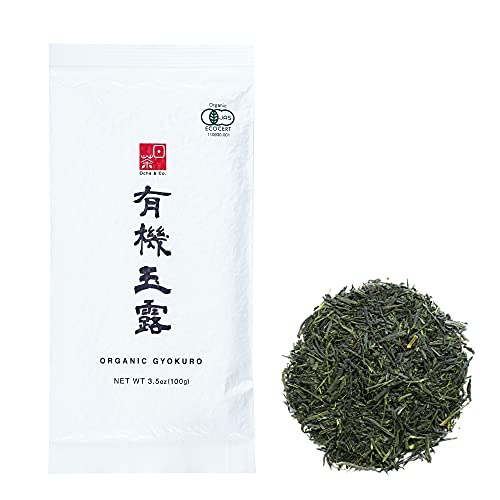
Ocha & Co. Organic Gyokuro Shade Grown Japanese Loose Leaf Tea 100g

Ocha & Co. Hojicha Powder Organic Roasted Green Tea Latte 100g

Ocha & Co. Organic Genmaicha Loose Leaf Japanese Green Tea 100g

Ocha & Co. Shizuoka Organic Ceremonial Grade Matcha Powder 100g
A Deeper Look At The Lineup
Three Japanese tea styles stacked into one resealable box, with twenty bags of each variety. Genmaicha brings the roasted brown rice and sencha blend, hojicha delivers the toasty low-caffeine cup, and the Uji matcha rounds things out for anyone who wants to whisk up something brighter. Individual sachets keep each bag sealed until you need it, which matters once the box sits open on a counter for a few weeks.
The 1.8-gram pre-portioned bags brew fast and clean up without a strainer mess, making this a sensible starting point for anyone just stepping into the hojicha world.
Strengths Worth Knowing
- Three styles in one purchase, useful for taste-testing before committing to a single format
- Individually wrapped sachets protect aroma through long pantry storage
- Pre-portioned at 1.8g, so no scale or guesswork on brew strength
- Works for both iced summer brewing and hot winter cups
Things To Consider
- Bagged format trades the layered flavor of loose leaf for pure convenience
- The 60-bag split across three styles means each one runs out faster than a dedicated box would
Key Specs
Whose Shelf It Belongs On
Curious drinkers and households that want a low-commitment way to sample three Japanese styles without buying three full tins.
Consider Something Else When
Single-origin purists chasing a deeper roasted character will want YAMASAN KYOTO UJI Japanese Organic Hojicha Roasted Green Tea 5.2oz instead.
An herbal evening blend built around chamomile, lavender, and valerian root, designed as a wind-down ritual rather than a morning pick-me-up. The flavor profile leans earthy and minty rather than floral, which suits anyone who finds pure chamomile too perfumed.
As a non-hojicha option, it earns its place on this list because many hojicha drinkers reach for a caffeine-free cup right before bed. The 48-bag count covers roughly six weeks of nightly use at a comfortable pace.
Key Advantages
- Caffeine-free formula makes it a natural evening cup alongside a daytime hojicha habit
- USDA organic certification for shoppers who prioritize clean ingredients
- Blended with valerian for those who want a stronger sedative profile than plain chamomile
- Bagged format keeps nightly prep simple, no infuser or kettle rituals required
Worth Noting
- Not a hojicha product, so it complements rather than satisfies a roasted tea craving
- Valerian’s earthy taste can feel medicinal to anyone used to fruitier herbal teas
- Box freshness depends on prompt resealing; the foil-overwrap helps once opened
Best Suited To
Anyone building a caffeine-aware evening routine who wants an herbal option for the hours after their last hojicha cup.
Where Another Pick Suits Better
Strict hojicha loyalists looking for a roasted, low-caffeine cup in bagged form should consider Yamamotoyama Hojicha Green Tea instead.
The larger 96-bag version of the chamomile-based Nighty Night blend, which works for households or shared spaces that burn through a nightly cup. The recipe mixes chamomile with complementary herbs for a mellowing effect without leaning hard on valerian.
Like the previous pick, this is a chamomile-forward herbal tea rather than a roasted Japanese green. It fills the same role in a tea pantry: a caffeine-free cup that pairs with a daytime hojicha habit. The double-sized box simply reduces how often you need to reorder.
Reasons It Performs
- 96-bag count suits households drinking one cup nightly without reordering often
- Organic chamomile base appeals to shoppers avoiding synthetic ingredients
- Bagged format and individually wrapped sachets simplify nightly prep
- Balanced herbal formula avoids the heavy valerian notes of stronger sleep teas
Trade Offs
- Again, not a hojicha, so it does not satisfy a craving for roasted Japanese flavor
- Larger box takes up more pantry space than the 48-bag version
- Plain chamomile taste lacks the layered complexity of mixed herbal blends
Feature Snapshot
Made For
Regular nightly herbal tea drinkers who want a chamomile-dominant blend stocked at home without frequent reorders.
Look Elsewhere When
Anyone committed to a roasted tea routine will get more satisfaction from Ocha & Co. Hojicha Powder, which doubles as a latte base.
A single-origin hojicha sourced from Uji, Kyoto, where tea cultivation has run for over 350 years. The leaves are roasted in a traditional method that pulls out bitterness and leaves behind the warm, earthy, slightly caramel character that defines a good hojicha. JONA and JAS organic certification backs the agricultural side, so the entire chain from farm to bag meets Japanese organic standards.
The 5.2-ounce tin runs roughly 40 to 50 cups depending on leaf size and steep preference, which works out well for daily drinkers who want one tin to last a couple of months. The reddish-brown liquor reads as a visual cue that this is a roasted tea, not a steamed one.
What Helps Most
- Single-origin sourcing from a historic Uji tea region with documented farming heritage
- Traditional roasting delivers the toasty, low-bitterness profile that defines classic hojicha
- Organic certification for shoppers who care about verified agricultural standards
- Loose leaf format gives more control over leaf quantity and re-steeping
Room For Improvement
- Loose leaf requires an infuser, teapot, or strainer, which raises the bar for casual brewing
- Smaller package size than bulk bagged options, so heavy drinkers will reorder sooner
- Roasted flavor is subtle compared to darker Japanese-style teas, which may surprise new drinkers expecting bolder notes
Who It Suits Best
Loose leaf purists who want a traceable, single-origin hojicha for daily brewing and don’t mind a small bit of extra prep.
A Better Fit Elsewhere
Office or shared kitchens that need grab-and-go convenience will find Yamamotoyama Hojicha Green Tea bags easier to manage.
A deep-steamed sencha, which is a Japanese processing method where the leaves sit in steam longer than a standard sencha. That extra steaming breaks down the leaf structure, releases more of the leaf’s natural compounds into the brew, and produces a darker green cup with a richer mouthfeel. The 100-gram tin runs about 50 servings at typical ratios.
For hojicha drinkers, this tea serves as the unroasted counterpoint in a tea pantry. The flavor is grassy and umami-forward, with the body that fukamushi processing is known for. Brewed at a slightly lower temperature than typical sencha recommendations, around 160 to 170°F, it pulls out a smoother, less bitter cup.
The Good Stuff
- Fukamushi processing produces a fuller-bodied, more nutrient-rich cup than standard sencha
- 100-gram size offers good value for daily green tea drinkers
- Organic certified for shoppers tracking their tea’s agricultural sourcing
- Loose leaf format allows re-steeping the same leaves two to three times
Points To Keep In Mind
- Not a hojicha, so it brings grassy green tea notes rather than roasted character
- Steeping temperature matters; water that’s too hot can over-extract bitterness
- Loose leaf format demands an infuser or basket for cleanup
Right Fit For
Strong green tea drinkers who want a fukamushi-style sencha to alternate with their hojicha rotation.
Not Your Match When
Someone seeking a roasted, low-caffeine cup should reach for YAMASAN KYOTO UJI Japanese Organic Hojicha instead.
A six-pack of 16-count hojicha tea bags, totaling 96 bags of bagged roasted green tea. The portion size is built for a kitchen or office that goes through multiple cups a day without wanting to refill a tin every few weeks. Each bag is portioned for a single cup, so prep stays simple.
Yamamotoyama has a long history in Japanese tea, and their hojicha carries a robust roasted profile that works well as an everyday drinking tea. The caffeine level sits lower than standard green tea, which makes it a reasonable evening option for most people.
Practical Pluses
- 96-bag total across the six-pack covers weeks of regular use without reordering
- Bagged format removes infuser cleanup entirely
- Lower caffeine than typical green tea makes it a flexible evening choice
- Bulk packaging suits offices, shared kitchens, or family households
Honest Caveats
- Bagged format delivers less nuance than the loose leaf hojicha covered earlier
- Packaging may vary, so the box design on arrival is not always identical to the listing photo
- Roasted character skews robust rather than delicate, which may feel heavy to some palates
Feature Rundown
Perfect Match For
Offices, families, or shared kitchens that need a steady supply of bagged hojicha without frequent reordering.
Reach For A Different Pick When
Latte enthusiasts will find Ocha & Co. Hojicha Powder a more versatile daily option.
A shade-grown gyokuro, which is the high-end category of Japanese green tea. The leaves spend about 20 days under shade before harvest, which forces the plant to produce more amino acids and chlorophyll, resulting in a cup with deep umami, natural sweetness, and a smooth, almost brothy finish. The 100-gram tin handles around 50 servings at standard ratios.
For hojicha drinkers, this tea brings the opposite end of the spectrum: where hojicha is roasted and toasty, gyokuro is steamed, sweet, and intensely savory. The two together make a thoughtful rotation when you want to taste different sides of Japanese tea craftsmanship.
Everyday Perks
- Shade-growing process delivers a richer umami profile than standard sencha
- Loose leaf format supports multiple short steeps of the same leaves
- Organic certified for shoppers who verify their tea’s growing conditions
- 100-gram tin provides enough volume for sustained enjoyment
Some Limits To Know
- Premium positioning makes this more of a special-occasion tea than a daily workhorse
- Lower brewing temperature, around 140°F, is required; hotter water turns the cup bitter
- Loose leaf format requires dedicated gear and a bit more attention during brewing
Who Should Grab It
Special-occasion brewers who want a shade-grown umami tea to alternate with a daily hojicha cup.
Skip It When
Anyone wanting a low-effort everyday cup will find Thunder Tech Ito-en’s bagged variety sampler easier to live with.
A finely ground hojicha powder designed to dissolve directly into milk or hot water, similar in concept to a matcha latte but with a roasted, smoky-sweet character. The blend combines powdered sencha and kukicha, and the result carries naturally lower caffeine than regular green tea. The 100-gram tin is sized for regular home latte making.
The flavor reads smoky and gently sweet, with the same caramel-edged warmth that defines loose leaf hojicha, just in a form that froths up with a small whisk or milk frother. For anyone who enjoys café-style roasted tea drinks, this is the closest at-home equivalent.
The Practical Payoff
- Roasted latte base skips the espresso machine entirely
- Lower caffeine than most green teas, so it works for late-afternoon drinks
- Versatile in baking, hot drinks, and cold milk preparations
- 100-gram tin offers a long run of daily lattes for one or two people
Points To Note
- Powder format requires a whisk, frother, or shaker to dissolve fully
- Tin freshness depends on prompt resealing after each use, since powder is more exposed than leaf
- Smoky flavor skews bold; people preferring delicate teas may find it too much
Feature Card
Best Suited To
Home latte drinkers who want a roasted, low-caffeine alternative to espresso-based drinks.
Swap It Out When
Someone wanting a traditional brewed cup should choose YAMASAN KYOTO UJI Japanese Organic Hojicha 5.2oz instead.
A genmaicha built from organic sencha blended with roasted whole-grain brown rice and a touch of matcha for color and roundness. The flavor leans nutty and toasted, with the gentle savory quality of sencha running underneath. The 100-gram tin serves around 50 cups, and the leaves re-steep well for a second or third infusion.
For hojicha drinkers, genmaicha sits in a similar flavor neighborhood, both teas carry roasted warmth, but the rice component adds a popcorn-like nuttiness that hojicha doesn’t. The two together offer a varied rotation without leaving the toasted profile behind.
Notable Upsides
- Nutty roasted rice note pairs well with the toasty character of hojicha
- Organic sencha base elevates the cup above lower-grade genmaicha blends
- Re-steeps two to three times, stretching the tin further
- 100-gram size suits regular home brewing for one or two people
Less Ideal Details
- Loose leaf format still requires an infuser or basket for clean brewing
- Roasted rice bits can clog finer infuser mesh in some teapot designs
- Nutty flavor reads strong; drinkers used to plain green tea may need a few cups to adjust
Who Will Love This
Roasted-tea enthusiasts who want a nutty rice-blend option to alternate with their hojicha rotation.
Where A Sibling Pick Shines
For a smoother, fully roasted cup, Ocha & Co. Hojicha Powder offers a more direct hojicha experience.
A ceremonial-grade matcha sourced from Shizuoka, made from first-harvest leaves and stone-milled to a fine powder. ECO JAS organic certification covers the agricultural side, and the Shizuoka origin gives this matcha a slightly more savory, less sweet profile than Uji-sourced options. The 100-gram tin handles daily morning use over several weeks for one or two drinkers.
For hojicha drinkers, matcha offers the bold, umami-forward end of the Japanese tea spectrum. Brewing it requires a whisk and a small bowl, so it carries more ceremony than a quick bagged cup, which is part of the appeal for anyone who treats tea as a ritual rather than a caffeine delivery system.
Advantages To Know
- First-harvest leaves deliver a deeper flavor profile than later harvests
- Stone-milled texture dissolves more smoothly than mechanically ground powders
- ECO JAS organic certification covers the full growing and processing chain
- Ceremonial grade suits both traditional whisked preparation and modern lattes
Details To Watch
- Matcha prep needs a bowl, whisk, and sifter, more gear than bagged teas require
- Caffeine content is meaningfully higher than hojicha, so it’s a morning drink rather than evening
- Tin freshness depends on prompt sealing after each open; powder oxidizes faster than leaf
Feature Snapshot
Who It Suits Best
Matcha drinkers who want a Shizuoka-sourced ceremonial-grade powder for morning preparation and beyond.
Consider Something Else When
Anyone wanting a roasted, low-caffeine evening cup should head back to Ocha & Co. Hojicha Powder for a smoother late-day option.
What Matters Most Before Choosing Hojicha Teas
Roast Level And Flavor Direction
Hojicha runs on a roast spectrum. Lightly roasted versions keep more grassy, almost tea-like character, while darker roasts push toward coffee-adjacent, almost caramelized depth. For most beginners, a mid-roast profile like Yamamotoyama’s bagged option offers a friendly entry point without too much intensity.
Caffeine Timing And Cup Placement
The lower caffeine content in hojicha makes it a flexible evening option, but the precise amount varies by leaf grade and brewing time. Shorter steeps at lower temperatures pull out less caffeine, while longer or hotter steeps release more. Matcha, by comparison, delivers a meaningfully higher caffeine dose, so it belongs earlier in the day.
Format: Bagged, Loose Leaf, Or Powder
Bagged options suit grab-and-go drinkers and shared spaces. Loose leaf rewards a few extra minutes of setup and unlocks more layered flavor. Powdered hojicha works for lattes, baking, and frothy milk drinks. The right format depends less on quality and more on how brewing fits into your daily routine.
Sourcing And Organic Status
Single-origin Uji or Shizuoka teas tend to carry more documented farming heritage, while generic blends lean on volume. JAS, JONA, and ECO JAS certifications are the relevant organic markers for Japanese teas, and they matter if verified sourcing shapes your shopping decisions.
Key Considerations Across These Picks
Mistakes Worth Dodging
Chasing the strongest roast first often backfires, since a heavily roasted hojicha can read as bitter to anyone used to lighter teas. A safer move is starting mid-roast and adjusting up or down after a few cups. Buying a large tin before testing smaller amounts is another common slip; the bagged variety sampler in the lineup exists specifically to sidestep that risk.
Where The Extra Money Goes
Higher-tier hojicha and related Japanese teas earn their cost through single-origin sourcing, organic certification, traditional roasting methods, and smaller production runs. For daily drinkers, mid-tier options deliver most of the flavor benefit, while premium picks like ceremonial matcha or shade-grown gyokuro suit occasional brewing and ritual moments. The upgrade pays off most when you can taste the difference in the cup, not just on the label.
Frequently Asked Questions
What does hojicha actually taste like?
Hojicha is a roasted Japanese green tea with a toasty, slightly caramel-like flavor and a reddish-brown color, far less grassy than standard green tea. The roasting removes most bitterness and produces a smooth, mellow cup.
Is hojicha lower in caffeine than regular green tea?
Yes, the roasting process reduces the caffeine content, making hojicha a reasonable choice for late-afternoon or evening drinking. Exact caffeine levels vary by leaf grade and brew time, so lighter steeps keep caffeine lower.
Can I make hojicha lattes at home?
Powdered hojicha dissolves directly into milk or hot water for a quick latte-style drink, while brewed hojicha can be combined with steamed milk for a more traditional approach. A small whisk or milk frother helps create a smooth texture.
How should I store hojicha to keep it fresh?
Keep hojicha in a sealed tin or resealable bag, away from direct sunlight, heat, and moisture. A cool, dark pantry is ideal, and resealing promptly after each use preserves the roasted aroma over weeks of regular brewing.
What’s the difference between hojicha and genmaicha?
Hojicha is a roasted green tea, while genmaicha blends green tea with roasted brown rice, producing a nuttier, popcorn-like flavor. Both share a toasty character, but genmaicha has a distinct grain note that hojicha doesn’t carry.
Wrap Up
The right hojicha comes down to how you actually brew at home: bagged for speed, loose leaf for depth, or powder for lattes. A small sampler makes sense for first-timers, while daily drinkers get the most from a single-origin loose leaf or a reliable bagged stock. The rest of the lineup, from sencha to ceremonial matcha, fills in the broader Japanese tea rotation. Pick the format that fits your routine, and let the roasted warmth speak for itself.
