

Walking into a tea shop and asking for matcha used to mean nodding along while someone talked about umami and chlorophyll. Now you just want a tin that actually delivers vibrant color, a clean grassy cup, and a reasonable price. This roundup skips the ceremony and focuses on what each high quality matcha actually brings to the kettle, from first-harvest ceremonial tins to sweetened latte blends and convenient tea bags.
An Overview Of The Picks

Ujido Green Tea Matcha Powder 4 oz

SOKYO Ceremonial Matcha 1.05oz

Akira Matcha 25 Single-Serve Sticks

Republic of Tea Double Green Matcha Bags

Republic of Tea SuperGreen Brain Boost
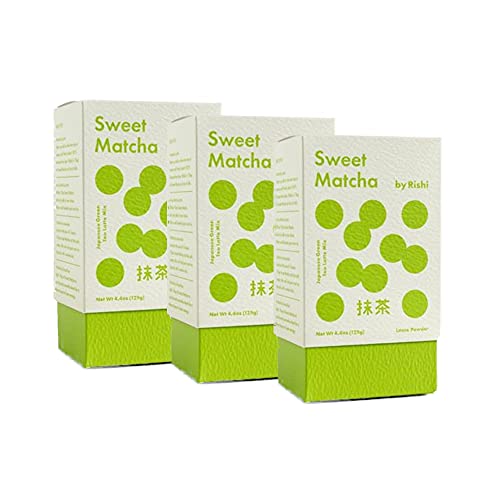
Rishi Tea Sweet Matcha 3-Pack

Encha Ceremonial Matcha 60g Uji


Encha Ceremonial Matcha 30g Uji

Kirkland Ito En Matcha Blend 100 Bags
What Each Pick Brings To The Table
Ujido’s four-ounce tin is the workhorse of the list. That size is unusual for a daily-use powder, and it means you can stir it into smoothies, overnight oats, and weekend pancake batter without rationing teaspoons. The brand positions itself around a calm, balanced cup rather than a showy ceremonial pour, which suits a household where matcha shows up in everything from lattes to salad dressings.
For someone transitioning from sweetened tea drinks to something greener and more grounded, this tin bridges the gap. The texture blends into warm milk easily, and the color leans toward a soft green rather than the neon shade some processed powders deliver. It is the kind of pantry item you forget you bought until the morning you need it most.
Useful Touches
- Four-ounce size stretches further than the typical 30g ceremonial tin, lowering the per-cup cost for daily drinkers.
- Fine grind mixes into warm milk with a brief whisk, so cleanup stays minimal on rushed mornings.
- Versatile across drinks, baking, and savory recipes, so one tin covers many kitchen uses.
- Subtle grassy sweetness plays well with non-dairy milks like oat and almond.
Things To Weigh Up
- Not graded for traditional preparation, so flavor complexity falls short of a single-origin ceremonial tin.
- The larger tin means longer exposure once opened; storing it airtight in a cool, dark cabinet helps preserve color and taste over time.
Best Suited To
Daily drinkers who want a versatile kitchen staple rather than a strictly traditional cup.
A Better Fit Elsewhere
Traditionalists chasing a deep umami sip should look at the SOKYO Ceremonial Matcha 1.05oz instead.
SOKYO’s Shizuoka ceremonial tin reads like a small jewel box. The leaves are shade-cultivated to bring out natural umami, then stone-ground using a slow, traditional process that keeps the powder fine and the flavor deep. You drink this one with hot water, no milk, no sugar, and let the layered sweetness carry the cup.
Compared to the everyday Ujido tin above, this is a different experience entirely. The aroma opens with a soft floral note that comes from brick-furnace steaming, and the finish lingers longer on the palate. For a quiet weekend morning or a tea ritual you actually look forward to, the small 30g tin goes a surprising distance because each bowl uses only a gram or two.
A Strong Showing
- Stone-ground texture whips into a smooth, frothy bowl with a bamboo whisk.
- Shade cultivation produces noticeable umami, the savory-sweet depth that defines ceremonial grade.
- Compact 30g tin stays fresh across many weeks when resealed promptly after each use.
- Brick-furnace processing lends a distinctive roasted floral aroma to the dry powder.
Honest Caveats
- Smaller package means a higher per-gram investment, so it suits sippers more than smoothie fans.
- Best brewed at lower temperatures to avoid bitterness, which adds a step for newcomers used to boiling water.
Key Specs
Whose Shelf It Belongs On
Traditional tea drinkers who want a quiet, umami-rich cup rather than a flavored latte base.
Reach For A Different Pick When
Commuters needing grab-and-go portions will get more from the Akira Matcha 25 Single-Serve Sticks.
Akira’s sticks solve a problem most matchas ignore: the “I forgot my scoop” morning. Each 1.5g sachet is pre-measured, so you tear, pour, and whisk without scraping out a teaspoon from the back of the tin. The powder inside is organic and shade-grown for at least three weeks before harvest, and the sticks are sealed airtight to slow oxidation.
Where the SOKYO tin is built for ceremony, this one is built for the train platform. The trade-off shows up in flavor depth, since a single stick tends to land somewhere between a daily-grade and a ceremonial cup, but the convenience more than makes up for it on travel days. The packaging also helps with portion control, which is a small but real perk if you are watching caffeine intake.
Practical Pluses
- Individually sealed sticks keep each serving fresh until the moment you brew it.
- Pre-portioned 1.5g sachets eliminate guesswork and stray scoops clumping in the tin.
- Shade-grown first-harvest leaf brings a cleaner, less bitter taste than many daily blends.
- Travel-friendly format slips into a laptop bag, carry-on, or desk drawer without a whisk required.
Worth Noting
- Single-serve packaging creates more waste than a refillable tin, which matters if you brew daily at home.
- Sticks are best emptied into a bowl or bottle with a small whisk or shaker to fully dissolve the powder.
Who It Suits Best
Commuters and office drinkers who need a clean, pre-measured cup without any extra gear.
Swap It Out When
Home-focused brewers who want a fuller ceremonial cup should pick the Encha Ceremonial Matcha 30g Uji instead.
Republic of Tea’s teabags blend Japanese matcha powder with organic green tea leaves, packing the flavor into a format that needs nothing more than a mug and hot water. There is no sifting, no whisking, and no frothing to chase. You drop a bag, steep, and sip.
Compared to the Akira sticks, this is even simpler, because the steeping process extracts the flavor for you. The blend skews grassy and gentle, with just enough matcha to color the cup without overwhelming anyone who finds pure ceremonial powder too intense. The 50-count box is a friendly size for households that rotate through a couple of mugs a day.
Positive Points
- No whisk, sieve, or special tool required, ideal for first-timers exploring matcha flavor.
- Organic leaf base keeps the ingredient list short and recognizable.
- Bag format brews quickly, which suits a tight morning routine.
- Consistent flavor across cups, so you know what to expect from each steep.
Trade Offs
- Bag format does not match the frothy texture of stone-ground ceremonial powder whisked by hand.
- Once opened, the box should be sealed tightly and stored away from sunlight to prevent the leaf from dulling.
Quick Facts
Made For
Newcomers and busy drinkers who want an honest matcha note without any preparation gear.
Consider Something Else When
Anyone who already owns a whisk and wants a real ceremonial cup should reach for the Encha Ceremonial Matcha 60g Uji.
The SuperGreen Brain Boost blend layers Japanese matcha with green tea leaves and an herb roster aimed at mental clarity. Ginkgo biloba is the standout addition, and the small caffeine content gives the cup a quiet lift without tipping into coffee jitters. Steeping just 1 to 3 minutes pulls a clean, lightly vegetal cup.
Where the Double Green above is your everyday baseline, this one plays a different role. The flavor is rounder and slightly herbaceous, and it slots into a mid-afternoon routine when you want something warmer than cold brew but less aggressive than espresso. The 36-count box is a sensible size for occasional sippers who rotate it with coffee.
Features That Help
- Matcha and green tea pairing brings both quick lift and a steady caffeine curve.
- Ginkgo biloba adds a familiar focus-oriented herb to the blend.
- Short steep time of 1 to 3 minutes fits inside a tight work break.
- Bag format keeps the brewing process as easy as any standard black tea.
Points To Note
- Herbal additions shift the flavor away from a pure matcha profile, so traditionalists may want a plain ceremonial tin.
- Heating water just below boiling, around 200 degrees Fahrenheit, prevents bitterness from the green tea base.
Perfect Match For
Afternoon workers who want a gentler focus lift than a second cup of coffee can offer.
Look Elsewhere When
Someone wanting a strict ceremonial brew should pick the SOKYO Ceremonial Matcha 1.05oz instead.
Rishi’s Sweet Matcha is a different animal from the unsweetened powders on this list. Pure cane sugar is blended directly into the powder, so each scoop pulls a measured sweetness along with the green tea. The result dissolves cleanly into hot or cold milk, and it handles an iced pitcher without clumping at the bottom.
The three-pack is built for households that go through a few lattes a week. Each tin lists out enough servings to cover a morning routine for a couple of months depending on frequency. For a kitchen where matcha is mostly a flavored drink rather than a meditative cup, the pre-sweetened format saves both the sugar bowl and a step in the routine.
Strengths Worth Knowing
- Built-in sweetness means no separate sugar, syrup, or honey is required for a balanced latte.
- Blends easily into iced drinks, hot milk, or even lemonade without gritty residue.
- Three-tin bundle keeps your pantry stocked for an extended latte routine.
- Versatile enough to handle barista-style drinks at home, depending on your milk choice.
Softer Spots
- Added sugar is not adjustable, so anyone watching sweetness intake will want an unsweetened tin like the Encha Latte Grade Matcha 30g.
- Each tin should be sealed tightly and kept dry to prevent the sugar-mixed powder from clumping in humid kitchens.
Right Fit For
Latte and lemonade drinkers who want a sweet matcha cup without a separate sweetener on the counter.
Skip It When
Strict ceremonial drinkers should reach for the Encha Ceremonial Matcha 30g Uji instead.
Encha’s 60g ceremonial tin is the one most serious matcha drinkers will recognize on sight. The leaves are first harvest, shade-grown on certified organic farms in Uji, a region whose name carries serious weight in the tea world. Stone grinding keeps the powder fine enough to whip into a smooth, almost creamy bowl with a bamboo whisk.
For someone who has been on bagged and pre-sweetened options and wants the real thing, this is the natural upgrade. Compared to the smaller Encha tin later in the list, the 60g size offers a lower per-gram cost, which matters if matcha has moved from a curiosity to a daily morning ritual. Best enjoyed with water, traditional style, to let the natural umami land cleanly.
Useful Strengths
- First-harvest leaves bring the brightest color and cleanest flavor profile.
- Certified organic farming in Uji, a region recognized for premium leaf quality.
- Larger 60g format lowers the per-cup cost for established daily drinkers.
- Whisks into a smooth, low-bitter bowl when prepared with cooler water.
A Few Limitations
- Premium positioning means it costs more per tin than a daily-grade option like the Ujido four-ounce.
- Once opened, the tin should be stored away from heat, light, and humidity to keep the powder vibrant for weeks.
Feature Snapshot
Who Should Grab It
Ceremonial drinkers who want a certified organic Uji source for traditional water-only preparation.
Not Your Match When
Latte-first drinkers will find a smoother home in the Encha Latte Grade Matcha 30g.
Encha’s latte-grade tin comes from the same Uji sourcing as the ceremonial version, but the leaf selection is built to play nicely with milk. The result is a powder that whips into steamed oat milk without the chalky bite that some ceremonial tins pick up when added to dairy. It is naturally sweet on the palate, with no sugar added, and the umami is muted enough to sit behind a layer of froth.
For anyone running a daily home latte, this is a more forgiving choice than a strictly ceremonial tin. Compared to the pre-sweetened Rishi blend, you control the sugar yourself, which gives you room to dial in flavored syrups or keep things unsweetened. The 30g size works for a couple of months of weekday lattes, depending on how strong you pour.
A Few Strong Suits
- Designed for milk drinks, so the flavor holds up against oat, dairy, and almond bases.
- Unsweetened powder leaves room for your own syrup, honey, or none at all.
- First-harvest Uji leaf gives a cleaner taste than most supermarket-grade latte powders.
- Contains both caffeine and l-theanine, an amino acid paired with the lift.
Worth Bearing In Mind
- Not built for plain water preparation, so traditionalists will prefer the Encha Ceremonial Matcha 60g Uji.
- The 30g tin should be resealed and stored in a cool cabinet once opened, since smaller tins oxidize faster.
Built With In Mind
Home latte drinkers who want a clean, unsweetened base that pairs with any milk.
Where A Sibling Pick Shines
Drinkers wanting built-in sweetness for quick iced drinks should grab the Rishi Tea Sweet Matcha 3-Pack.
The smaller 30g ceremonial tin shares the same Uji sourcing and stone-ground processing as the 60g version above. The difference is the package size, which makes this the friendlier first step into proper ceremonial preparation. You commit less money up front, and the tin empties within a reasonable window before freshness becomes a real concern.
If you have been drinking the Republic of Tea bags and want to see what water-only preparation actually tastes like, this is the bridge. The umami is present, the color is bright, and the texture whips into a clean froth with a standard bamboo whisk. You may find the smaller tin runs out faster than expected, which is the only real argument for jumping to the 60g version next time.
What Pays Off
- Compact size lowers the entry cost for first-time ceremonial drinkers.
- First-harvest Uji leaf delivers bright color and layered sweetness.
- Stone-ground powder whips into a smooth, low-grit bowl.
- Tin empties within weeks of regular use, before flavor fade sets in.
Where It Is Less Suited
- Smaller package means a higher per-gram cost than the 60g sibling.
- Requires sifting and a bamboo whisk for the smoothest cup, which adds a small learning curve.
The Right Fit
Curious newcomers ready to invest in a whisk and a proper bowl for traditional preparation.
Where Another Pick Suits Better
Daily latte drinkers will get more value from the Encha Latte Grade Matcha 30g.
Kirkland’s matcha blend pairs sencha, a widely grown Japanese green tea, with matcha leaf inside a nylon filter bag. The result is a noticeably sweeter cup than most plain sencha, and the bag design includes a pre-cut slot on the tag that hooks over a mug edge for clean steeping.
This is the value option on the list, built for an office pantry, a busy household, or anyone rotating matcha alongside regular green tea. It does not pretend to be a single-origin ceremonial experience. It is a steady, accessible cup that costs less per serving than most of the tins here, and the 100-count box lasts through a long stretch of weekday mornings.
What Helps Most
- Sencha-matcha blend yields a sweeter, more rounded flavor than plain sencha.
- Nylon filter bag supports steady water flow for a clean extraction.
- Pre-cut tag slot hooks over mug rims to keep the bag from slipping in.
- 100-bag box offers strong per-serving value for daily drinkers.
Trade Offs To Consider
- Bag format cannot match the froth or umami depth of stone-ground ceremonial powder.
- Boxes should be stored in a dry cabinet to keep the filter bags from picking up pantry moisture.
At A Glance
Who Will Love This
Office pantries and large households that need an accessible, easy matcha-sencha blend at value pricing.
A Better Fit Elsewhere
Traditional drinkers should instead pick the SOKYO Ceremonial Matcha 1.05oz for a real ceremonial cup.
How To Choose The Right High Quality Matchas
Match The Grade To Your Brewing Style
Ceremonial grade refers to leaf harvested in the first spring flush, shaded before picking, and stone-ground into a fine powder. The flavor is brighter, the umami is deeper, and the powder is best enjoyed whisked in water. Culinary grade leans toward blending into lattes, smoothies, and baking. Buying ceremonial for a daily smoothie is overpaying for nuance you will not taste, while using a daily-grade powder for a quiet water-only bowl will underwhelm. Match the grade to the cup you actually plan to make.
Decide Between Powder And Tea Bags
Powdered tins give you control over dose, froth, and recipe creativity. Bags trade away that control for convenience. Travelers and office drinkers tend to lean on bags or pre-portioned sticks like the Akira option. Home brewers who already own a whisk usually settle on a tin.
Check Origin And Growing Method
Uji, Shizuoka, and Mie are three well-known Japanese growing regions. Shaded cultivation, where the bushes are covered before harvest, increases chlorophyll and lifts the umami profile. Organic certification is a separate signal that ties to farming practice rather than flavor. Both matter, and the best pick for you depends on which feels more important.
Consider Freshness And Storage
Matcha oxidizes quickly once the tin is opened. Smaller tins that empty in a few weeks tend to taste better than larger tins that linger in a cabinet for months. Store any opened tin in a cool, dark place, sealed tightly, and reseal promptly after each use. Buying more than you can drink in four to six weeks is rarely a good idea.
Key Considerations Across These Picks
Wrong Turns To Avoid
Buying ceremonial grade for daily smoothies is the most common spending trap. The cost per gram jumps, and the nuanced flavor lands behind milk and sweetener. Buying cheap culinary powder for water-only preparation is the opposite trap: the cup turns bitter and grassy, and the buyer assumes all matcha tastes that way. Match grade to cup, and the experience improves immediately.
Where The Extra Money Goes
The jump from a value teabag to a single-origin ceremonial tin pays for shade-grown first-harvest leaf, slower stone grinding, and tighter sourcing. You taste it in the color, which goes from dull olive to a brighter green, and in the umami, which becomes layered instead of flat. If matcha is a daily ritual rather than a once-in-a-while drink, the upgrade tends to pay for itself in the cup you actually want to drink.
Frequently Asked Questions
What Is Ceremonial Grade Matcha?
Ceremonial grade is the highest tier of Japanese matcha, made from first-harvest leaves that are shaded before picking and stone-ground into a fine powder. It is brewed with water and whisked in a bowl, and it carries the deepest umami and brightest green color in the lineup.
How Should I Store Matcha After Opening?
Keep the tin sealed tightly, stored in a cool, dark cabinet away from sunlight, heat, and humidity. Refrigeration is an option for longer storage, but the tin should be airtight to prevent moisture and odors from settling into the powder.
How Much Matcha Should I Use Per Cup?
A traditional bowl uses about 1 to 2 grams of powder whisked into 60 to 80 milliliters of hot water below boiling. Latte drinkers typically use 2 to 3 grams per serving, depending on milk volume and how strong they prefer the cup.
Can I Drink Matcha Every Day?
Most healthy adults can enjoy a cup or two of matcha per day as part of a balanced routine. The caffeine and l-theanine content, an amino acid that pairs with caffeine, gives a steady lift, but anyone sensitive to caffeine should start with a smaller serving.
What Is The Difference Between Matcha And Regular Green Tea?
Regular green tea is steeped from whole leaves, which are then removed. Matcha is the leaf itself, ground into powder and consumed whole, so you take in the full nutrients and antioxidants of the leaf rather than just the water-soluble compounds left behind after steeping.
Closing Remarks
The right high quality matcha for you comes down to how you actually plan to drink it. Traditionalists chasing a quiet, umami-rich bowl will land on a ceremonial tin from Uji or Shizuoka. Daily latte drinkers will get more mileage from a latte-grade or sweetened blend. Newcomers, commuters, and pantry-stocking households will appreciate the convenience of bags and sticks. Pick the format that matches your morning, and the rest of the decision gets a lot easier.
