

Keeping kids hydrated sounds simple, but anyone who’s packed a lunchbox for a soccer day knows the real math: plain water gets boring, sugary juices spike-and-crash, and the grocery aisle blurs together after the third label scan. A good hydration drink earns its spot by replacing what sweat, heat, and stomach bugs pull out, without turning into dessert in a bottle. The picks below balance electrolyte content, sugar load, ingredient quality, and the practical reality of getting a fussy six-year-old to actually drink the stuff.
A Side-By-Side Look

Fire Salt Berry Electrolyte Hydration Sticks, 32 Count

Pedialyte AdvancedCare Plus Electrolyte Drink, Berry Frost

BODYARMOR Sports Drink, Strawberry Banana, 12 Fl Oz (8 Pack)

Pedialyte Electrolyte Drink, Strawberry Hydration Drink

KinderFarms Kids Daily Hydration Electrolyte Powder, Lemonade, 16 Ct

KinderFarms Kids Daily Hydration Electrolyte Powder, Variety Pack, 28 Ct

KinderFarms Kids Immunity Electrolyte Powder, Orange Citrus, 16 Ct

KinderFarms Kids Daily Hydration Electrolyte Powder, Fruit Punch, 16 Ct
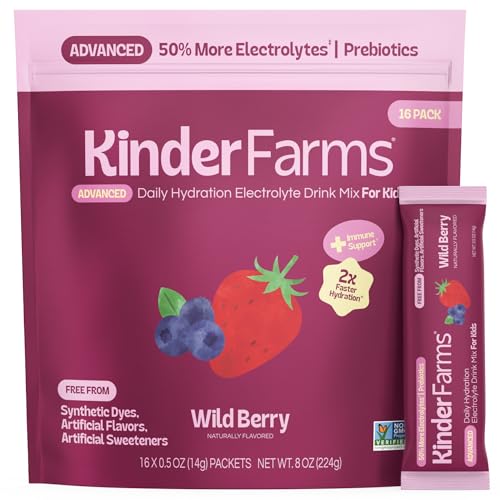
KinderFarms Kids Advanced Electrolyte Powder Drink Mix, Wild Berry, 16 Ct
Why These Options Stand Out
Fire Salt lands first because it leans hard into electrolyte replacement rather than flavor showmanship. The stick format means a parent can toss a few in a backpack or sports bag without worrying about a heavy bottle leaking, and the zero-sugar profile keeps it usable on school days when candy-sweet drinks feel like a non-starter. Compared with the Pedialyte bottles further down this list, these are aimed at kids who sweat a lot, not kids who are actively ill.
Stir one into a 16 to 20 ounce water bottle and it disappears fast. The berry flavor skews tart, which tends to appeal to older kids who have already rejected the syrupy stuff.
What Helps Most
- Zero sugar keeps the calorie math simple during long practice days.
- Single-serve sticks travel easily in a lunchbox or duffel.
- Higher sodium content fits outdoor play, summer camps, and tournament weekends.
- Gluten-free formulation suits households already navigating dietary restrictions.
Worth Noting
- The tart berry profile can be a tough sell for younger kids used to juice.
- Sticks require a bottle to mix into, so they’re less convenient than grab-and-go ready-to-drink options.
Key Specs
Whose Lunchbox It Belongs In
Active kids in summer sports, marching band, or outdoor camps where sweat loss is real and parents want to skip the sugar load.
Consider Something Else When
Shoppers needing a ready-to-drink option for a sick kid should look at Pedialyte Electrolyte Drink, Strawberry Hydration Drink instead.
The AdvancedCare Plus bottle brings a grown-up upgrade to the classic Pedialyte formula, layering prebiotics on top of the electrolyte base. For households already familiar with the regular Pedialyte, the difference shows up on the back label, where sugar sits lower and added ingredients aim to do more than just replace fluids. It’s the pick to keep on hand when a stomach bug rolls through and you want one product to do multiple jobs.
Berry Frost is one of several flavor options in the line, and it tends to land well with kids who find the plain version too medicinal. The 1-liter bottle is forgiving for share-day dosing between siblings.
The Case For It
- Prebiotic addition supports gut recovery during illness, not just fluid replacement.
- Lower sugar than typical sports drinks, so a sick kid isn’t getting a sugar bomb on an empty stomach.
- Ready-to-drink format removes any mixing step during a stressful sick night.
- Multiple flavor options in the line keep a household from flavor fatigue.
Trade Offs
- Once opened, the bottle needs refrigeration and gets used within a few days.
- Prebiotic content can cause temporary bloating in sensitive stomachs.
Right Fit For
Parents stocking a sick-day kit who want one bottle that covers rehydration and gentle digestive support at the same time.
Look Elsewhere When
Hot-weather athletes might prefer BODYARMOR Sports Drink, Strawberry Banana for the potassium and coconut water profile.
BODYARMOR reads as the most conventional sports drink on this list, and that’s the point. The strawberry banana flavor is the kind of taste that already wins in the lunchbox vote, while the coconut water base and B-vitamin addition give it more going on nutritionally than the neon options kids usually reach for. Where Fire Salt leans medical, BODYARMOR leans “fun Friday practice.”
The 12-ounce bottle is portion-controlled for a single kid, which keeps over-drinking in check on light activity days.
What Works In Its Favor
- Flavor profile appeals to kids who reject anything that tastes “healthy.”
- Coconut water base adds natural potassium without artificial flavoring.
- Single-serve bottles are grab-and-go for school or car rides.
- Pack-of-eight format covers a busy week of practices.
Honest Caveats
- Sugar content is higher than the Pedialyte options, so daily use adds up fast.
- Not formulated for serious rehydration during stomach illness.
Feature Snapshot
Made For
Teen athletes and middle-school sports kids who want a familiar, fruit-forward drink that still does more than soda.
Skip It When
Households focused on minimal sugar should consider KinderFarms Kids Daily Hydration Electrolyte Powder, Lemonade, 16 Ct for everyday sipping instead.
The original Pedialyte bottle is the workhorse of the category, and there’s a reason pediatric offices still hand out the same recommendation. The formula focuses on sodium, chloride, and potassium in proportions designed to actually pull fluid back into the body, with glucose included to help absorption. For a parent who wants one trusted product for sick days, this is the safe default.
Strawberry tends to be the most kid-friendly flavor in the lineup, which matters when a nauseous child is being asked to drink anything at all.
Where It Excels
- Time-tested formula built around three core electrolytes and glucose for absorption.
- Strawberry flavor is broadly accepted by kids who refuse plain water when sick.
- Works for both kids and adults, so the family shares one product.
- Available in multi-packs that keep the fridge stocked for flu season.
Points To Keep In Mind
- Higher sugar than the AdvancedCare version, so it’s better suited to short-term illness than daily sipping.
- Bottles are bulky to pack for travel compared to powder sticks.
Quick Facts
Best Suited To
Families who want a familiar, pediatrician-recommended standby for vomiting, diarrhea, and fever recovery.
Reach For A Different Pick When
For ongoing daily hydration without the extra sugar, look at KinderFarms Kids Daily Hydration Electrolyte Powder, Fruit Punch, 16 Ct.
KinderFarms positions itself as a cleaner alternative to neon sports drinks, and the lemonade flavor is the gateway for households making the swap. No synthetic dyes, no artificial sweeteners, and a label that reads more like a snack than a supplement. The powder format means parents control the concentration, which is helpful when one kid likes it strong and another prefers it watered down.
For ages 2 and up, the brand has built around kid dosing from the start rather than scaling down an adult product.
What It Does Well
- No artificial dyes, sweeteners, or flavors in the ingredient list.
- Lemonade flavor works as a year-round alternative to fruit punch or berry.
- Stir-into-water format means no cans or bottles to recycle.
- Suitable for kids ages 2 and up, so it covers a wide age range in one product.
A Few Limitations
- Powder requires a water bottle and a quick stir, which is a small hurdle for younger kids.
- Some kids find the lemonade profile too tart compared to sweeter options.
Perfect Match For
Label-conscious parents who want an everyday powder their kids can mix at school or home without artificial additives.
A Better Fit Elsewhere
Parents wanting a stronger prebiotic and higher-sodium formula should look at KinderFarms Kids Advanced Electrolyte Powder Drink Mix, Wild Berry, 16 Ct.
The variety pack solves a problem every parent of multiple kids eventually hits: flavor fatigue. With 28 packets spread across flavors, one child can drink lemonade all week while another switches to fruit punch or orange, and nobody feels locked in. The underlying formula matches the single-flavor KinderFarms sticks, so the clean-label promise stays consistent.
It’s also the most economical way to test the brand before committing to a single flavor your household might eventually tire of.
Useful Touches
- Multi-flavor format prevents the “I’m bored of this” complaint two weeks in.
- Higher packet count lowers the per-serving cost for daily use.
- Same clean ingredient profile as the single-flavor KinderFarms options.
- Great for siblings with different taste preferences sharing one pantry.
Room For Improvement
- No immune-stack nutrients like the Orange Citrus KinderFarms option includes.
- Variety pack flavor split can vary, so a household hoping for all lemonade may end up with surprises.
Who Will Love This
Multi-kid households who want a single box of clean hydration that satisfies different taste preferences at once.
Swap It Out When
If your main concern is back-to-school immune support, the KinderFarms Kids Immunity Supplement Electrolyte Powder, Orange Citrus, 16 Count makes more sense.
This is the only pick on the list that doubles as an immune-support product, with vitamin C, vitamin D3, zinc, turmeric, and elderberry layered on top of the standard electrolyte mix. The orange citrus flavor is the most “breakfast-y” of the bunch, and the brand’s no-artificial-dye stance still holds. For a household trying to consolidate supplements into a daily drink, this is the closest option here.
Mixing into a 16-ounce glass is the recommended ratio, so it works best when kids are willing to drink a full glass rather than a few sips.
Notable Gains
- Five added immune-support nutrients in one packet reduce the need for separate gummies.
- Orange citrus flavor doubles as a morning routine drink, not just a recovery product.
- No artificial dyes, sweeteners, or flavors in the formulation.
- Suitable for adults too, so the box can serve the whole family.
Soft Spots
- Turmeric and elderberry can shift the color and aftertaste compared to simpler electrolyte mixes.
- More expensive per packet than the plain KinderFarms hydration options.
Feature Card
Who Should Grab It
Parents trying to simplify the morning supplement routine during cold and flu season without stacking multiple products.
Not Your Match When
Households that already run a separate children’s vitamin may find the extra nutrients redundant and prefer KinderFarms Kids Daily Hydration Electrolyte Powder, Lemonade, 16 Ct.
Fruit punch is the flavor most kids already recognize from juice boxes, which makes this the easiest sell on the list. The KinderFarms version keeps that familiar taste without the artificial dyes that usually come with it, so parents can stop worrying about the lunchbox red-stain situation. It’s a low-fuss way to get electrolytes into a kid who turns up their nose at anything that looks “healthy.”
The 12-ounce mixing ratio lines up with a standard kid water bottle, which makes the daily habit easier to remember.
The Practical Payoff
- Familiar fruit punch flavor is the easiest transition away from sugary juice boxes.
- No synthetic dyes means no bright red stains on lunchbox interiors.
- Lower sugar than mainstream sports drinks while keeping a sweet taste profile.
- Powder packets store easily in a pantry or gym bag.
Some Limits To Know
- Fruit punch can read as “too sweet” to kids who already drink a lot of plain water.
- No immune-support extras compared to the Orange Citrus sibling option.
Built With In Mind
Picky sippers and households trying to phase out sugary juice boxes without a flavor war at the breakfast table.
Another Choice May Suit
Parents prioritizing immune nutrients over flavor familiarity should consider KinderFarms Kids Immunity Supplement Electrolyte Powder, Orange Citrus, 16 Count.
The Advanced version of the KinderFarms line adds PreMax prebiotics and a 35% bump in electrolyte sodium over the original formula, which puts it closer to the sweat-replacement category than the daily-sipping category. Wild Berry is a flavor profile that ages up well, so middle-schoolers who reject “kid” drinks often accept this one. It’s the right pick for a kid who actually sweats through practice, not just sits in the stands.
Mixing into 16 ounces of water keeps the dose consistent, and the powder dissolves cleanly without gritty residue at the bottom of the bottle.
Benefits That Matter
- Higher sodium content fits the needs of kids in heavy-activity sports.
- PreMax prebiotic addition supports gut health during repeated heavy sweat days.
- Wild berry flavor appeals to older kids who want something less “childish.”
- Same clean-label promise as the rest of the KinderFarms line.
Potential Compromises
- More sodium than a typical kid needs on a sedentary day, so it’s not an everyday drink for couch-bound weekends.
- Prebiotic content can cause temporary bloating in some kids.
The Right Fit
Middle and high school athletes in double-session sports who need real sweat replacement without a sugar crash.
Consider Something Else When
For everyday low-key hydration, the original KinderFarms Kids Daily Hydration Electrolyte Powder, Lemonade, 16 Ct is a better daily fit.
What To Weigh Before Choosing A Hydration Drink For Kids
Sugar Load And Daily Use
The single biggest decision point is sugar. Sports drinks can run the spectrum from zero to nearly as sweet as soda, and the right answer depends on whether the drink is replacing sweat loss, supporting recovery from illness, or just making water more interesting. For everyday sipping, lower-sugar options like the KinderFarms powders keep the daily math reasonable. For acute illness or true sweat replacement, the slight sugar bump in Pedialyte or BODYARMOR serves a purpose, since some glucose helps the body absorb electrolytes more efficiently.
Electrolyte Profile And The Activity Match
Sodium, potassium, chloride, and magnesium each play a role in fluid balance, but the ratios that matter shift with the activity. Casual playground kids rarely need aggressive electrolyte replacement, while a teenager logging double sessions in summer heat benefits from the higher-sodium options like Fire Salt sticks or the Advanced KinderFarms blend. A 12-ounce daily mix into a water bottle covers most casual needs without overdoing sodium on rest days.
Ingredient Quality And Household Restrictions
Clean-label formulations have moved from niche to mainstream, and most picks here skip artificial dyes and sweeteners. For households managing allergies, gluten sensitivity, or non-GMO preferences, the KinderFarms line checks the most boxes in one product family. Reading the back label matters more than the front-of-box claims, since flavor descriptions can hide artificial colors that show up only in the ingredient list.
Format And Real-World Convenience
Powder sticks travel well and reduce packaging waste, but they need a bottle and a quick stir. Ready-to-drink bottles require no prep and work in a moving car or a sickbed, but they create recycling and need refrigeration once opened. The honest read is that most households end up keeping two formats on hand: a powder for daily use and a bottle for emergencies.
Key Considerations Across These Picks
Where Shoppers Go Wrong
The most common slip is treating every hydration drink as interchangeable. A product built for active sweat replacement carries more sodium than a casual sipper needs, and a low-sugar daily powder may not move the needle during a stomach bug when rapid fluid absorption matters. Matching the drink to the situation, rather than grabbing the most colorful option, is the move that pays off. Another trap is assuming “natural flavor” on a label means no added sugar, since the term covers a wide range of actual formulations.
When Paying More Pays Off
Higher-tier options in this category earn their cost through ingredient sourcing, additional nutrients like prebiotics or immune-support vitamins, and cleaner formulations without synthetic dyes. For households that already buy a separate children’s vitamin, consolidating into the Orange Citrus KinderFarms option simplifies the routine and offsets the per-packet cost. For active teens, the Advanced KinderFarms blend or Fire Salt sticks justify the upgrade by delivering electrolyte density that cheaper powders skip.
Frequently Asked Questions
How much hydration drink does a kid actually need per day?
For most school-age kids, plain water covers the bulk of daily needs, and an electrolyte drink is best reserved for heavy activity, hot weather, or illness. One serving of a powder mixed into a 12 to 16 ounce bottle is a reasonable daily target on active days, with more only when sweat loss is obvious.
Are electrolyte drinks safe for toddlers?
Most of the products in this list specify age 2 and up, which covers toddlers but not infants. For under 2, plain water and age-appropriate milk usually cover hydration, and any specific concerns during illness warrant a call to your pediatrician rather than a self-prescribed electrolyte routine.
Do kids need electrolytes on rest days?
On sedentary days with mild weather and normal meals, plain water is typically enough. Electrolyte drinks add value when sweat, heat, illness, or travel disrupts the body’s normal balance, so the rest-day question usually answers itself based on the day’s activity and conditions.
What’s the difference between sports drinks and oral electrolyte solutions?
Sports drinks target sweat replacement during activity and tend to be higher in sugar and lighter in sodium. Oral electrolyte solutions like Pedialyte are formulated for illness-related fluid loss, with sodium and glucose ratios designed to maximize absorption when the gut is stressed. The right choice depends on whether the loss is from sweat or from sickness.
Can kids drink electrolyte powder every day?
For most kids, daily use of a lower-sugar electrolyte powder is fine, especially during active seasons. The trade-off is that on truly restful days, plain water remains the better baseline, and a powder used multiple times daily adds up in sodium and sweetener load even in clean-label formulations.
Wrap Up
The honest read is that no single hydration drink covers every scenario, which is why most households end up with two on hand: a clean-label daily powder for routine sipping and a ready-to-drink bottle for sick days or surprise heat waves. Match the formula to the situation rather than the marketing, and the lunchbox math gets a lot easier.
